

 مشاركة
 مشاركة
 التفاصيل

 تحميل الملف
 قطع مشابهة
 عرض شرائح
One Day on Two Orbits
 Sculpture Bronze
- Contemporary Minimalism
 900.0 x 300.0 cm
 إكسبو 2020 دبي
 عرض المزيد
طباعة جيلي / مطبوعات فنية
طباعة جيكلي أو كانفاس بجودة المتاحف، مع سرعة في التنفيذ وخيارات متنوعة للتشطيب. ( اشترِ لوحة مرسومة يدويًا اشترِ الصورة)




































اختر من بين أحجامنا المُعدّة مسبقًا والتي تتطابق مع النسب الأصلية للعمل الفني.

يمكنك إدخال أبعادك الخاصة لتناسب إطاراً أو مساحة معينة. وإذا لم يتطابق الحجم الذي اخترته مع نسب الصورة الأصلية، فسنقوم إما بقص العمل الفني أو تمديد الصورة باستخدام حافة معكوسة أو بلون مصمت. سيتم إرسال نموذج تجريبي رقمي لاعتمادك قبل بدء الإنتاج.
يرجى ملاحظة أن المعاينة على الشاشة لا تعكس عملية القص أو التمديد الفعلية؛ حيث سيوضح النموذج التجريبي فقط التكوين النهائي بدقة.
وعلى الرغم من توفر أحجام مخصصة، إلا أننا نوصي باختيار أبعاد من القائمة المحددة مسبقاً للحفاظ على النسب الأصلية.
توصيل عالمي إلى خلال أسبوعين بدلاً من المدة القياسية البالغة 4/5 أسابيع. 27 أغسطس

شحن سريع ومجاني لجميع أنحاء العالم

قماش كتان عالي الجودة

تأمين شحن شامل

ضمان استرداد الرسوم الجمركية

ضمان مطابقة الألوان الحقيقية

سياسة الإرجاع خلال 60 يومًا (في حالات العيوب فقط)

ضمان استرداد نقدي بنسبة 100%

خصم عند طلب عدة قطع
 خيار الزجاج متاح فقط للمقاسات التي تقل عن 110 سم

One Day on Two Orbits
طباعة جيلي / مطبوعات فنية
مقاس النسخة المطبوعة
-


السعر الإجمالي النهائي
$ 80
وصف القطعة الفنية
A Celestial Dialogue: Exploring Nadia Kaabi-Linke’s “One Day on Two Orbits”
Nadia Kaabi-Linke's "One Day on Two Orbits" transcends mere sculpture; it’s a profound meditation on time, cosmology, and cultural exchange. Created in 2018, this monumental floor piece resides within the Kunsthalle Düsseldorf, cementing its place as a cornerstone of contemporary conceptual art. The artwork immediately captivates with its stark simplicity—a single chair crafted from concrete, positioned centrally against a backdrop of similarly textured surfaces—yet it harbors layers of intellectual and emotional resonance that invite sustained contemplation. The sculpture’s genesis lies in Kaabi-Linke's fascination with Ibn al-Haytham, the 11th-century Arab polymath often hailed as “the Father of Optics.” Al-Haytham’s groundbreaking experiments demonstrated that the sun and moon orbit Earth on distinct trajectories—a revelation that fundamentally reshaped understandings of space and time. Kaabi-Linke brilliantly translates this scientific paradigm into artistic form, mirroring the celestial dance with a rotating shadow cast by a bicycle. This deliberate juxtaposition underscores not only the historical significance of al-Haytham’s discoveries but also their enduring influence on Western thought. Technically masterful, “One Day on Two Orbits” exemplifies Kaabi-Linke's commitment to exploring materiality and its relationship to conceptual ideas. The chair itself—a deliberately unremarkable object—serves as a grounding element against which the ephemeral shadow is projected. This technique highlights the interplay between permanence and change, mirroring the cyclical nature of time and the constant movement of celestial bodies. Furthermore, the concrete construction speaks to resilience and stability, suggesting that even seemingly fragile concepts can hold enduring power. Beyond its scientific and technical dimensions, “One Day on Two Orbits” operates on a symbolic level. The bicycle represents human endeavor—a journey toward knowledge and understanding—while the shadow embodies the unseen forces shaping our perception of reality. Like distant galaxies captured in astronomical photographs, the rotating shadow evokes a sense of vastness and mystery, prompting viewers to consider their place within the grand scheme of cosmic history. Ultimately, Kaabi-Linke’s sculpture succeeds in eliciting an emotional response—a feeling of quiet contemplation and awe—that reflects the profound beauty inherent in scientific inquiry and artistic expression. “One Day on Two Orbits” is more than just a visual spectacle; it's an invitation to engage in a dialogue with history, cosmology, and the enduring human quest for meaning. Its presence within the Kunsthalle Düsseldorf ensures that this celestial conversation continues to inspire generations of art lovers and collectors alike.- Artist: Nadia Kaabi-Linke
- Year Created: 2018
- Location: Kunsthalle Düsseldorf
السيرة الذاتية للفنان
The Cartography of Identity: The Life and Vision of Nadia Kaabi-Linke
Born in the vibrant, multicultural landscape of Tunis in 1978, Nadia Kaabi-Linke has cultivated a creative practice that serves as a profound meditation on the fluidity of borders and the complexities of human movement. Her early life was defined by a nomadic existence, traversing the diverse cultural landscapes of Kyiv, Dubai, and Paris before settling into her current role as a prominent figure in the Berlin art scene. This upbringing, characterized by a constant negotiation between different geographies and languages, instilled in her a deep-seated fascination with narratives that exist beyond nationalistic boundaries. It is this unique perspective—one that views the world not as a collection of fixed territories but as a web of interconnected journeys—that forms the very heartbeat of her conceptual explorations.
Kaabi-Linke’s intellectual foundation is as rigorous as it is expansive. After honing her technical skills at the Tunis Institute of Fine Arts, she pursued a doctorate in the Philosophy of Art from Sorbonne University. This academic depth allows her to approach sculpture and installation not merely as physical objects, but as philosophical inquiries into how art shapes our cultural understanding and challenges established societal structures. Her work rarely relies on purely aesthetic allure; instead, it prioritizes the weight of ideas, using materiality to interrogate the invisible lines that divide and connect us in an era of unprecedented global migration.
Materiality and Movement: The Language of Installation
The essence of Kaabi-Linke’s work lies in its ability to transform physical materials into powerful symbols of displacement and memory. She often utilizes textiles, maps, and architectural elements to create immersive environments that evoke the sensation of transit. Her approach is deeply rooted in the concept of transnational identity, where the medium itself becomes a vessel for stories of movement. By manipulating textures and forms, she invites the viewer to experience the psychological weight of being caught between worlds—the tension between the desire for belonging and the reality of flux.
One cannot discuss her contribution to contemporary art without addressing the monumental impact of her breakthrough project, “Flying Carpets.” Commissioned by the Abraaj Group Art Prize in 2011, this sprawling textile installation stands as a testament to her ability to weave complex geopolitical themes into a tangible, breathtaking experience. The work utilizes intricately woven fabrics to create an atmosphere that is simultaneously ethereal and grounded, reflecting the fragmented yet beautiful nature of migratory experiences. Through this piece, she successfully translated the abstract concept of global displacement into a sensory reality that resonates with audiences worldwide.
Global Recognition and Artistic Legacy
As her career progressed, Kaabi-Linke’s influence expanded far beyond the borders of Europe. Her recognition at prestigious international platforms, such as receiving the Discovery Prize for Emerging Art at Art Basel Hong Kong in 2014, solidified her status as a vital voice in the global contemporary art dialogue. Her exhibitions, spanning solo shows across North America and Europe, continue to challenge viewers to reconsider their perceptions of citizenship, sovereignty, and the human condition.
The historical significance of Nadia Kaabi-Linke’s work lies in its timely interrogation of the most pressing issues of our age: geopolitics, immigration, and the shifting nature of identity. Her ability to bridge the gap between high-level philosophical inquiry and visceral, sculptural installation ensures that her art remains a crucial touchstone for understanding the modern world. As her works find permanent homes in major museums across the globe, she leaves behind a legacy of art that does not merely observe the world's borders, but actively seeks to reimagine them.

nadia kaabi-linke
1978 - , Tunisia
حقائق سريعة
- Artistic Movement Or Style: Conceptual art
- Date Of Birth: 1978
- Full Name: Nadia Kaabi-Linke
- Nationality: Tunisian
- Notable Artworks: ['Flying Carpets']
- Place Of Birth: Tunis, Tunisia
مقالات ذات صلة

Bronze Sculptures That Defined Art History | OriginalUniqueArt
Journey through art history with our Top 10 bronze sculptures! Explore masterpieces by Rodin, Michelangelo & more. Discover stories behind iconic statues and find museum-quality reproductions for your home decor at OriginalUniqueArt.com.

The Enduring Form: Exploring Themes & Techniques in Sculpture Across Historical Periods
Explore the rich history of sculpture from ancient masterpieces to contemporary innovations. Discover key techniques, influential artists & investment potential for discerning art collectors.

Bronze Age to Modern Masters: 10 Sculptures That Redefined Art | OriginalUniqueArt
Journey through art history with 10 legendary bronze sculptures – from Michelangelo's David to Rodin’s Thinker. Explore the stories, techniques & timeless beauty of these masterpieces. Find museum-quality reproductions & elevate your home decor on OriginalUniqueArt.com.

The Enduring Form: Sculpture Across History, Technique & Emotional Resonance
Explore the rich history of sculpture with OriginalUniqueArt. Discover key techniques, influential artists & investment potential for discerning collectors. Expert insights into valuing and collecting timeless masterpieces.
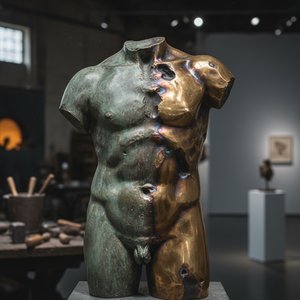
الإرث الدائم للنحت البرونزي: تاريخ، تقنيات، وتفسيرات معاصرة
استكشف تاريخ النحت البرونزي وتقنياته العريقة، من صب الشمع المفقود إلى التحف المعاصرة. دليل شامل لجامعي الفن والمستثمرين والمهتمين بتقييم الأعمال الفنية.

