

 معاينة الحجم الواقعي
 إرسال
إرسال مشاركة
 عرض التفاصيل
 دليل الأعمال الفنية للطلاب

 تحميل
تحميل
 قطع مشابهة
 الأشعة السينية
 عرض شرائح متتابع
 الإحصائيات
Dalet Tet


 اقرأ المزيد
إن العمل الفني المعروض في هذه الصفحة محمي بموجب قوانين حقوق الطبع والنشر، مما يعني أنه لا يحق لنا قانوناً إنشاء أو بيع نسخ مطابقة له. وتُطبق هذه الحماية بموجب الاتفاقيات الدولية مثل الـ اتفاقية برن ووفقاً للقوانين الوطنية، بما في ذلك تلك المنصوص عليها في قانون حقوق الطبع والنشر في الولايات المتحدة - الباب 17.
تتوافق هذه الطريقة تماماً مع لوائح حقوق النشر لأنها لا تتضمن نسخ أو تكرار العمل الفني المحمي، بل هي إعادة تفسير إبداعية؛ أي أنها لوحة جديدة مستوحاة من الأصل ولكنها ليست مطابقة له.
طباعة جيلي / مطبوعات فنية
طباعة جيكلي أو كانفاس بجودة المتاحف، مع سرعة في التنفيذ وخيارات متنوعة للتشطيب. ( اطلب نسخة مرسومة يدويًا التحويل إلى الصورة الرقمية)




P118B E£10

P118H E£10

P118W E£10

P438Z E£10

P508JH E£12

P508YH E£12

P805H E£10

P805Z E£10

P919BZ E£10

P919G E£10

P919XJ E£10

P959ZH E£10

P968JZ E£12

W106C E£8

W218G E£10

W218JH E£8

W218Y E£10

W307PJ E£10

W316G E£10

W316PJ E£8

W316Y E£10

W398PJ E£8

W4111J E£10

W500HY E£15

W500JH E£15

W692G E£12

W849H E£8

W940BG E£15

W953PJ E£8




اختر من بين أحجامنا المُعدّة مسبقاً والتي تتوافق مع النسب الأصلية للعمل الفني.

أدخل العرض والارتفاع اللذين تحتاجهما، ليتناسب مع إطارك أو جدارك. يمكن قص المطبوعة فقط، ولا يمكن أبداً جعلها أكبر من الصورة الأصلية، لذا فإن أي مقاس بشكل مختلف سيؤدي إلى فقدان جزء من الصورة. سنرسل لك نموذجاً رقمياً تجريبياً لاعتماده قبل البدء في عملية الطباعة. الصورة المعروضة في هذه الصفحة لا توضح القص الفعلي — النموذج التجريبي فقط هو ما يظهر ذلك.
توصيل عالمي إلى خلال أسبوعين بدلاً من المدة القياسية البالغة 4/5 أسابيع. (28 أكتوبر)

شحن سريع ومجاني لجميع أنحاء العالم

قماش كتان فاخر

تأمين شامل على الشحن

ضمان استرداد الرسوم الجمركية

ضمان دقة مطابقة الألوان

سياسة الإرجاع خلال 100 يوم (في حالات العيوب فقط)

ضمان استرداد نقدي بنسبة 100%

عرض خصم الكميات
 خيار الزجاج متاح فقط للمقاسات التي تقل عن 110 سم

Dalet Tet
طباعة جيلي / مطبوعات فنية
مقاس النسخة المطبوعة
-


إجمالي السعر
E£ 4165
A Descent into Darkness: Morris Louis’s *Dalet Tet*
Morris Louis’s *Dalet Tet*, painted in 1959, isn't merely a canvas filled with color; it’s an immersive experience, a deliberate descent into the heart of darkness and a testament to the revolutionary techniques he pioneered. This monumental Color Field painting immediately commands attention with its overwhelming dominance of black, yet within this apparent void lies a complex interplay of subtle hues—whispers of orange, red, and yellow—that suggest a hidden vitality. It’s a work that invites prolonged contemplation, rewarding those willing to surrender to its quiet intensity.
Louis, a pivotal figure in the mid-20th century art world, sought to dismantle traditional notions of painting by rejecting representation altogether. Instead, he embraced abstraction as a means of exploring pure color and process. *Dalet Tet* exemplifies this approach perfectly, drawing heavily from the Color Field movement’s emphasis on large areas of unbroken hue. The painting's genesis lies in Louis’s groundbreaking experimentation with Magna paint – a newly developed acrylic resin that allowed for unprecedented fluidity and transparency when applied to unprimed canvas. This innovative material became central to his “veil” technique, where diluted paint was poured directly onto the fabric, creating cascading layers of color that bled and merged organically.
The Language of Flow: Composition and Technique
The composition of *Dalet Tet* is deceptively simple yet profoundly effective. Vertical bands or ribbons of color—the “veils,” as Louis termed them—cascade downwards, seemingly defying gravity. These aren’t sharply defined lines but rather the edges of expanding fields, creating a sense of dynamic movement and an illusion of depth despite the painting's predominantly two-dimensional nature. The absence of geometric precision contributes to the work’s organic quality; the forms feel fluid and responsive, as if reacting to the forces of gravity and chance.
The layering process itself is crucial to understanding *Dalet Tet*. Louis meticulously controlled the dilution of the Magna paint, allowing it to flow freely across the canvas. The resulting effect isn’t one of deliberate brushstrokes but rather a spontaneous, almost chaotic, dance of color. This technique—a departure from traditional painting methods—was incredibly risky at the time, as it challenged established notions of control and skill. Yet, Louis's willingness to embrace this process resulted in paintings that are both visually arresting and emotionally resonant.
Symbolism and Emotional Resonance
The overwhelming darkness of *Dalet Tet* immediately evokes feelings of melancholy, introspection, or perhaps even a sense of the sublime. It’s not a cheerful or celebratory work; rather, it feels deeply contemplative, inviting viewers to confront their own inner landscapes. The subtle hints of color—the flashes of orange, red, and yellow—suggest a glimmer of hope or resilience within the darkness, hinting at the possibility of transformation and renewal.
The title *Dalet Tet*, derived from the Hebrew alphabet, adds another layer of meaning. It refers to the first four letters, representing “creation” or “beginning.” This suggests that the painting isn’t simply an exploration of darkness but also a meditation on emergence—the potential for something new to arise from within it.
A Legacy in Color: Morris Louis and Beyond
Morris Louis's *Dalet Tet* stands as a landmark achievement in American art history, profoundly influencing generations of artists. His pioneering use of Magna paint and his embrace of spontaneous process revolutionized the way painting was conceived and executed. His work paved the way for subsequent Color Field painters like Helen Frankenthaler and Kenneth Noland, establishing a vibrant tradition that continues to inspire today.
Reproductions of *Dalet Tet* offer a remarkable opportunity to experience Louis’s vision firsthand. The rich textures and subtle color variations are beautifully captured in high-quality prints, allowing viewers to appreciate the depth and complexity of this iconic work. Whether adorning a contemporary living space or serving as a focal point in a gallery setting, *Dalet Tet* remains a powerful testament to the transformative potential of color and process.
الأسئلة والأجوبة
هل "Dalet Tet" للفنان موريس لويس لوحة زيتية، أم رسم، أم مطبوعة؟
في الكتالوج، تم تصنيف "Dalet Tet" للفنان موريس لويس كـ WallArt. وتساعد هذه الفئة في العثور على أعمال مماثلة.
هل العمل "Dalet Tet" خالٍ من حقوق الطبع والنشر؟
حالة حقوق الطبع والنشر لـ "Dalet Tet" للفنان موريس لويس: العمل يقع ضمن لا تزال محمية بموجب حقوق الطبع والنشر. ويحدد هذا ما إذا كان يمكن إعادة إنتاج الصورة بحرية.
ماذا يصور "Dalet Tet" للفنان موريس لويس، وبأي طابع؟
تُصور "Dalet Tet" للفنان موريس لويس موضوعات color, black, flowing, vertical, dark, abstract, veil, dynamics، في أجواء Calm. ويصف الموضوع والأجواء معاً هذا العمل الفني.
نبذة عن الفنان
البدايات والنشأة التعليمية
- الميلاد: موريس لويس بيرنشتاين، 28 نوفمبر 1912، بالتيمور، ماريلاند
- الوالدان: لويس بيرنشتاين (بائع أثاث) وسيسيليا لوكمان بيرنشتاين.
- التعليم: التحق بالمدارس العامة في بالتيمور؛ ومعهد ماريلاند للفنون الجميلة والتطبيقية (المعروف الآن باسم MICA)، في الفترة ما بين 1929-1932، ولم يكمل دراسته الجامعية.
- شملت المؤثرات الأولى في حياته الفنان يوجين سبير وبول سيزان.
- أظهر اهتماماً مبكراً بالفن، وقد حظي بدعم عائلته رغم الفرص المحدودة التي كانت متاحة في بالتيمور آنذاك.
التطور الفني والمؤثرات الجوهرية
- ثلاثينيات القرن العشرين: عمل في وظائف متنوعة ومجهدة لإعالة نفسه أثناء ممارسته للرسم (مثل تقشير الخضروات، وأعمال الغسيل، والبحث في استطلاعات جالوب). <لقد شهدت الفترة ما بين 1934-1936 مشاركته في مشروع الجداريات التابع لبرنامج الأشغال الفنية العام تحت إشراف سام سويردلوف.
- 1936-1937: انتقل إلى مدينة نيويورك، حيث بدأ في تجربة تقنيات فنية جديدة في ورشة سيكيروس.
- اكتشاف طلاء ماجنا (1948): مثلت هذه اللحظة تحولاً جذرياً في مسيرته؛ إذ كان لويس رائداً في استخدام طلاء "ماجنا"، وهو نوع من طلاء الأكريليك الزيتي المطور حديثاً الذي ابتكره ليونارد بوكور وسام جولدن خصيصاً له، مما أتاح له تحقيق سيولة وشفافية غير مسبوقة في أعماله.
- تأثير هيلين فرانكنثالر: في عام 1953، زار لويس وكينيث نولاند مرسم فرانكنثالر، وانبهرا بشدة بلوحاتها المصبوغة (خاصة لوحة "الجبال والبحر")، مما ألهمهما لتجربة تقنيات السكب والصب اللوني.
لوحات الحجاب وابتكارات حقل اللون
- نضوج لوحات الحجاب (1954): تميزت هذه المرحلة بطبقات متراكبة ومتعددة من الألوان الشفافة التي تُسكب وتتغلغل في نسيج القماش، سواء كان مجهزاً بمادة أساس أو غير معالج.
- التقنية: كان يتم تطبيق طلاء مخفف للغاية على قماش غير مجهز وغير مشدود، مما يسمح للون بالتدفق فوق السطح المائل، خالقاً "أحجبة" لونية شفافة؛ وهي تقنية ألغت أثر ضربات الفرشاة وركزت على تسطيح اللوحة.
- رسم حقل اللون (Color Field Painting): أصبح لويس شخصية محورية في حركة "حقل اللون"، حيث عمل على تبسيط الفضاء التصويري والتركيز على المساحات المسطحة للألوان المكثفة، وكان عضواً بارزاً في حركة مدرسة واشنطن اللونية.
- السلاسل والأساليب: بعيداً عن لوحات الحجاب، استكشف سلاسل فنية أخرى مثل الزهور، والأعمدة (1960)، واللوحات المنبسطة (1960-1961) التي تميزت بجداول من الألوان المعتمة، بالإضافة إلى لوحات الخطوط (1961-1962).
الإنجازات الكبرى والأهمية التاريخية
- ريادة رسم حقل اللون: يُحتفى بلويس كأحد المبتكرين الرئيسيين في فن حقل اللون، جنباً إلى جنب مع فنانين مثل كينيث نولاند وهيلين فرانكنثالر.
- التأثير على التعبيرية التجريدية: وسعت أعماله حدود التعبيرية التجريدية من خلال التركيز على جوهر اللون والتسطيح بدلاً من الحركة أو التكوين التقليدي.
- مدرسة واشنطن اللونية: كان مساهماً فاعلاً في هذه الحركة المؤثرة التي تبنت نهجاً اختزالياً في الرسم.
- تدمير بعض الأعمال: من المثير للاهتمام أن لويس قام بتدمير العديد من لوحاته بين عامي 1955 و1957، مما عكس تقييماً ذاتياً نقدياً وصارماً لأعماله.
- الإرث الفني: لا يزال تركيزه على اللون، والتسطيح، ومادية الطلاء يلهم الفنانين المعاصرين حتى يومنا هذا.
السنوات الأخيرة والرحيل
- استمر لويس في الرسم بغزارة وإنتاجية عالية حتى وفاته.
- الوفاة: توفي في 7 سبتمبر 1962، في واشنطن العاصمة، عن عمر يناهز 49 عاماً.
- معرض تذكاري (1963): أقيم معرض هام في متحف سولومون ر. غوغنهايم بعد فترة وجيزة من وفاته.
- المعارض الاستعادية: تلت ذلك معارض استعادية كبرى في متحف الفنون الجميلة ببوسطن (1967)، وفي المعرض الوطني للفنون بواشنطن العاصمة (1976).

موريس لويس
1912 - 1962 , الولايات المتحدة الأمريكية
لمحة سريعة
- Artistic Movement Or Style: رسم حقل اللون (Color Field painting)
- Artists Or Movements Influenced By This Artist:
- كينيث نولاند
- مدرسة واشنطن للألوان
- Artists Who Influenced This Artist:
- هيلين فرانكنثالر
- جاكسون بولوك
- سيزان
- Date Of Birth: 28 نوفمبر 1912
- Date Of Death: 7 سبتمبر 1962
- Full Name: موريس لويس
- Nationality: أمريكي
- Notable Artworks:
- High
- Number 1-36
- Where
- Number 1-68
- Gamma Tau
- Third Element
- Delta Theta
- Place Of Birth: بالتيمور، الولايات المتحدة
مقالات ذات صلة

أعلى 10 روائع تحدد الرمزية التعبيرية: رحلة في الفن الراقي و لوحات مميزة
اكتشف روائع الرمزية التعبيرية! استكشف 10 لوحات أيقونية مع جاكسون بولوك ومارك روثكو. قصص فنانين، تقنيات فريدة، وأعمال خالدة. احصل على لوحات مميزة لديكور منزلك الفاخر. تسوق الآن على OriginalUniqueArt.com!

Kandinsky's Masterpieces: 25 Paintings That Define Abstract Art | OriginalUniqueArt
Journey through Wassily Kandinsky's 25 most iconic abstract paintings. Explore his revolutionary use of color, form & spiritual expressionism. Find museum-quality Kandinsky reproductions and elevate your home decor with OriginalUniqueArt.com. Discover all masterpieces on OriginalUniqueArt.com!
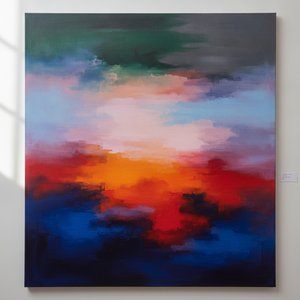
Color Field Painting: The Emotional Power of Pure Abstraction and Chromatic Depth
Explore the profound emotional depth of Color Field painting. Discover the history of mid-century abstraction, from Rothko to Newman, and learn how pure color transforms the viewer's experience through our expert art history guide.
Navigating Abstract Expression: A Guide to Contemporary Movements for Emotional Resonance in Art Selection
Explore the evolution of Abstract Expressionism & discover contemporary movements for emotional resonance. Expert guidance for discerning art collectors seeking lasting value. OriginalUniqueArt.

Morris Louis: Pioneering Color Field Painting & Abstract Expressionism's Legacy
Explore the groundbreaking abstract expressionism of Morris Louis, a pioneer of Color Field painting. Discover his innovative techniques, influential series & lasting legacy in post-war American art. Learn more at OriginalUniqueArt.
