() ·
لوحة صُنعت لك، يدوياً
نسخة زيتية مرسومة يدوياً
لوحة زيتية مرسومة يدوياً على الكانفاس بالمقاس والإطار الذي تفضله، تُنفذ حسب الطلب على أيدي فنانينا. ( التبديل إلى نسخة مطبوعة الانتقال إلى الصورة الرقمية)
السيرة الذاتية للفنان
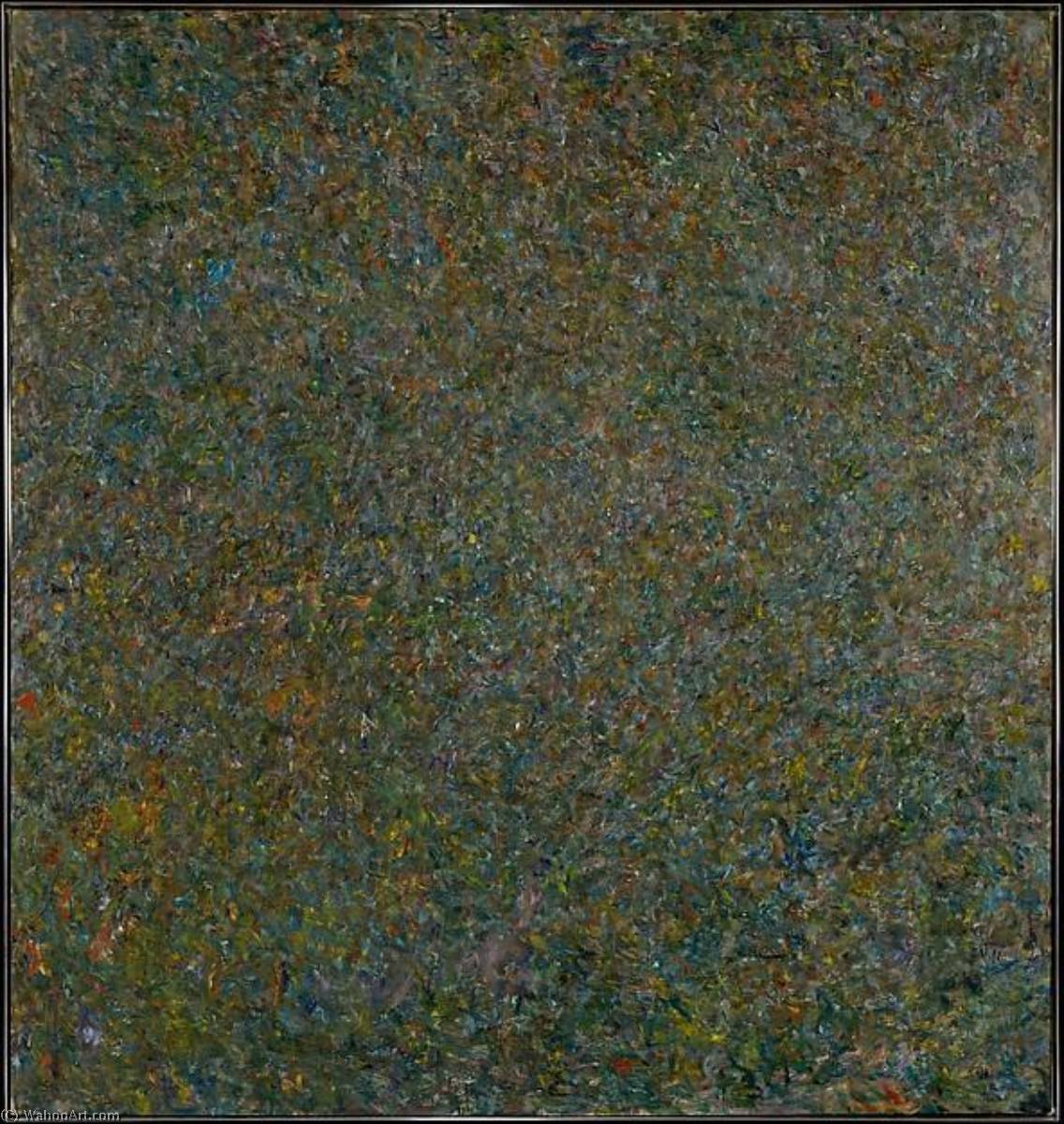
Discover Milton Resnick (1917-2004), a key Abstract Expressionist known for monumental canvases, intensely layered pigment & unique explorations of scale and materiality.
 عرض المزيد
بدءاً من ·
الفصل ١
ما الحجم المناسب؟
مرر لتغيير الحجم؛ تُظهر الصورة على اليسار الإطار بعرضه الحقيقي، مع الحفاظ على أبعاد العمل الأصلي.
اختر من بين أحجامنا المُعدّة مسبقاً والتي تتوافق مع النسب الأصلية للعمل الفني.

أدخل العرض والارتفاع اللذين تحتاجهما ليتناسب العمل مع إطارك أو جدارك. وبما أن هذه اللوحة مرسومة يدوياً، ففي حال اختيار مقاس بأبعاد مختلفة، يمكن للفنان رسم مساحة إضافية حول الصورة أو تقليصها قليلاً — الخيار لك. سنرسل لك نموذجاً رقمياً تجريبياً لاعتماده قبل البدء في الرسم. علماً بأن الصورة المعروضة في هذه الصفحة لا تعكس النتيجة النهائية الحقيقية، فالنموذج التجريبي هو الوحيد الذي يوضح ذلك بدقة.
الفصل ٢
كيف تود استلامه؟
اختر حواف اللوحة القماشية المشدودة
اختر إطارك

أبيض E£1

حواف ضبابية E£1

ممتد الحواف E£1

P118B E£10

P118H E£10

P118W E£10

P438Z E£10

P508JH E£12

P508YH E£12

P805H E£10

P805Z E£10

P919BZ E£10

P919G E£10

P919XJ E£10

P959ZH E£10

P968JZ E£12

W106C E£8

W218G E£10

W218JH E£8

W218Y E£10

W307PJ E£10

W316G E£10

W316PJ E£8

W316Y E£10

W398PJ E£8

W4111J E£10

W500HY E£15

W500JH E£15

W692G E£12

W849H E£8

W940BG E£15

W953PJ E£8

H24-GOLD E£30

H24-SILVER E£30

H36-GOLD E£45

H36-SILVER E£45
مؤطر
الإطار: . الحجم الإجمالي مع الإطار: .
الفصل ٣
من الذي يرسمها، وهل يجب تغيير أي شيء؟
بعد الطلب، سيقوم فريق OriginalUniqueArt.com بمراسلة العميل عبر البريد الإلكتروني للحصول على التعليمات وتزويده بمعاينة تجريبية للعمل
توصيل عالمي إلى خلال 3 إلى 4 أسابيع بدلاً من المدة المعتادة البالغة 5 أسابيع. (8 نوفمبر). جودة لا تهاون فيها.
الفصل ٤
اللمسات الأخيرة
لوحة تعريفية، تماماً كما في المتاحف؟
تفاصيل اللوحة البرونزية المحفورة
This elegant plaque features the artist's name and the title of the artwork, finely engraved for a timeless presentation.
It is made from bronze with a refined, elegant finish. The text is precisely laser-engraved for a sharp and permanent result. Measuring 9x2 cm, the plaque is compact yet easy to read. It's built to be durable and scratch-resistant, offering a professional, museum-quality look. Mounting is simple thanks to the included adhesive backing.
تفاصيل اللوحة الأكريليكية الشفافة
The plaque includes essential engraved details such as the artist's name, the title of the artwork, the date it was created, the type of media used-like oil on canvas or watercolor-a brief description of the piece, and a QR code that links to the complete artwork information.
It is crafted from clear acrylic, offering a sleek, modern appearance. The text is UV-engraved in black to ensure strong visual contrast. With a size of 10x15 cm, it ensures optimal readability. It comes equipped with two metal hooks for secure wall mounting. The plaque is designed to be weather-resistant, making it suitable for various environments, and it includes interactive features that work seamlessly with smartphone scanning.
تفاصيل اللوحة الأكريليكية السوداء
This elegant plaque includes engraved information such as the artist's name, the title of the artwork, the date it was created, the type of media used (like oil on canvas or watercolor), a short description of the artwork, and a QR code for quick access to more information.
The plaque itself is made from refined black acrylic with a premium finish. The text is laser-engraved in white for high contrast and readability. Its size is 10x15 cm, designed to be easy to read. It comes with two metal hooks for professional mounting. The design is sleek and fits any interior style. It is also weather-resistant and durable, with built-in digital integration for mobile compatibility.
ورنيش واقٍ؟
متى تحتاجها؟
الفصل ٥
لوحتك، تماماً كما طلبتها

Wedding
خامة النسخة المطبوعة
مقاس النسخة المطبوعة
-

نخبة كبار الفنانين
مزيد من التفاصيل، والبراعة، ووقت إضافي للإنتاج
-

إطار النسخة المطبوعة
-
-
بالنسبة للأعمال الفنية أو النسخ المطبوعة التي يتجاوز طول أي من أضلاعها 105 سم (حوالي 41 بوصة)، سيتم شحن الإطار كمجموعة مفككة؛ حيث تضمن هذه الطريقة سلامة التوصيل وتمنع حدوث أي أضرار أثناء النقل.
يتطلب الأمر تجميعاً احترافياً - هذا المنتج ليس مخصصاً للتركيب الذاتي.
يجب تجميع المجموعة وشد القماش بواسطة فني إطارات محترف وخبير، باستخدام غراء الخشب (غير مرفق)، وكماشة شد القماش، وملاقط لتثبيت القضبان بشكل مستوٍ أثناء جفاف الغراء. إن التجميع غير الصحيح أو عدم توازن شد القماش قد يؤدي إلى تلف العمل الفني بشكل دائم، وهو أمر لا يغطيه الضمان الخاص بنا.
 بالنسبة للأعمال الفنية أو النسخ المطبوعة التي يتجاوز طول أي من أضلاعها 105 سم (حوالي 41 بوصة)، سيتم شحن الإطار كمجموعة مفككة؛ حيث تضمن هذه الطريقة سلامة التوصيل وتمنع حدوث أي أضرار أثناء النقل.
تتضمن المجموعة جميع القطع الخشبية الصلبة، والمقطعة بدقة لتناسب المقاسات المطلوبة.
يتم التجميع باستخدام البراغي المرفقة، بالإضافة إلى غراء الخشب للوصلات الزاوية، وهو غير مرفق ويجب توفيره من قبل فني التأطير الخاص بك.
تتطلب العملية استخدام أدوات احترافية غير مدرجة في المجموعة: مثل زرادية شد القماش (أداة شد) وملاقط لتثبيت القضبان بشكل مستوٍ أثناء جفاف الغراء.
تنبيه هام:
تتطلب الوصلات الزاوية استخدام غراء الخشب، كما يجب تثبيت القضبان باستخدام المشابك حتى يجف الغراء تماماً، ويتطلب شد القماش على الإطار المجمع استخدام كماشة شد القماش. لا تشتمل المجموعة على أي من هذه الأدوات؛ لذا يرجى التواصل مع فني تأطير محترف قبل طلب هذا المقاس.

بطاقة التعريف
-
-

ورنيش واقٍ
ورنيش لامع (يُبرز الألوان ويحمي من الضوء والرطوبة)
-

تخصيص عملي الفني
أمثلة على التعديلات المتاحة: استبدال الوجه بصورة العميل؛ إضافة حيوان أليف (مثل استبدال قطة بكلب)؛ إدراج رسالة مخفية في الخلفية؛ تغيير المناظر الطبيعية أو العناصر في الخلفية.
-

شحن سريع
توصيل عالمي إلى خلال 3-4 أسابيع بدلاً من المدة المعتادة البالغة 5 أسابيع. (8 نوفمبر). جودة لا تضاهى.
-
شحن سريع
توصيل عالمي إلى خلال 5 أسابيع. (15 نوفمبر).
مُضمَّن
إجمالي السعر النهائي
E£ 15714
خيار الزجاج متاح فقط للمقاسات التي تقل عن 110 سم
مرفق مع كل طلب
- شحن سريع ومجاني لجميع أنحاء العالم
- قماش كتان عالي الجودة
- تأمين شامل على الشحن
- ضمان استرداد الرسوم الجمركية
- ضمان مطابقة الألوان الحقيقية
- سياسة الإرجاع خلال 100 يوم (في حالات العيوب فقط)
- ضمان استرداد نقدي بنسبة 100%
- خصم عند طلب كميات


 معاينة الحجم الواقعي
 مشاركة
 مشاركة
 التفاصيل
 دليل
دليل

 تحميل الملف
 قطع مشابهة
 الأشعة السينية
 عرض شرائح
 الأسئلة والأجوبة
 الإحصائيات
بالأرقام
- 1962سنة الرسم
- 29إطارات للاختيار من بينها
- مقاسات قياسية، بأبعادها الخاصة
- 5أسابيع للرسم والتوصيل
عن العمل الأصلي

- 276.0 x 261.0 cm

هذا العمل الفني محمي بموجب حقوق الطبع والنشر
إن العمل الفني المعروض في هذه الصفحة محمي بموجب قوانين حقوق الطبع والنشر، مما يعني أنه لا يحق لنا قانوناً إنشاء أو بيع نسخ مطابقة له. وتُطبق هذه الحماية بموجب الاتفاقيات الدولية مثل الـ اتفاقية برن ووفقاً للقوانين الوطنية، بما في ذلك تلك المنصوص عليها في قانون حقوق الطبع والنشر في الولايات المتحدة - الباب 17.
وكبديل قانوني وراقٍ، نقدم أعمالاً فنية مخصصة ومرسومة يدوياً مستوحاة من العمل الأصلي. حيث يقوم فنانونا المهرة والمحترفون بدراسة أسلوب العمل الأصلي وأجوائه وجوهره الفني بعناية فائقة، لابتكار قطعة جديدة وفريدة تثير الشعور ذاته - مع بقائها عملاً أصيلاً بحد ذاته.
تتوافق هذه الطريقة تماماً مع لوائح حقوق النشر لأنها لا تتضمن نسخ أو تكرار العمل الفني المحمي، بل هي إعادة تفسير إبداعية؛ أي أنها لوحة جديدة مستوحاة من الأصل ولكنها ليست مطابقة له.
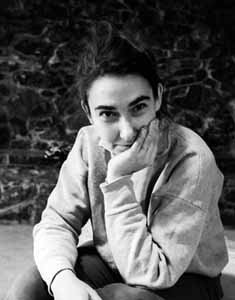
Milton Resnick
1917 - 2004, Russia
حقائق سريعة عن Milton Resnick
- Full Name: Milton Resnick
- Nationality: American
- Date Of Birth: 1917
- Date Of Death: 2004
- Place Of Birth: Brest, Russia
- Notable Artworks:
- Abstraction
- Wheel
- New Bride
- Artistic Movement Or Style: Abstract Expressionism
- Artists Who Influenced This Artist:
- Willem de Kooning
- Hans Hofmann
السيرة الذاتية للفنان
A Life Forged in Abstraction: The Journey of Milton Resnick
Milton Resnick, born Rachmiel Resnick on January 7, 1917, in Bratslav, Ukraine, was a pivotal figure in the evolution of American Abstract Expressionism. His story is one of displacement, artistic dedication, and an unwavering commitment to exploring the depths of abstract form and color. The early years of his life were marked by upheaval; his family, prosperous Jewish merchants – builders on his father’s side, flour traders through his mother – fled the turmoil following the Russian Revolution, seeking refuge in the United States in 1922. Settling in Brooklyn, young Rachmiel would later become Milton, a transformation mirroring his embrace of a new world and a new artistic identity. This immigrant experience profoundly shaped his sensibility, instilling a sense of searching and a willingness to forge his own path. Even as a teenager, Resnick defied familial expectations, leaving home at seventeen to pursue his passion for art, supporting himself through arduous means – selling blood, modeling – all while immersing himself in the burgeoning artistic landscape of New York City. His formal education included studies at Pratt Institute Evening School of Art and the American Artists School, but it was a close friendship with Willem de Kooning and tutelage under Hans Hofmann that proved most formative, guiding his early explorations into abstraction.Parisian Echoes and the Rise of Abstract Expressionism
The years following World War II were crucial in Resnick’s artistic development. Serving in the Army during the war provided a stark contrast to the creative world he yearned for, but upon his discharge in 1945, he immediately sought inspiration abroad. From 1946 to 1948, Resnick lived and worked in Paris, a city still resonating with artistic innovation despite the recent conflict. This period proved transformative; he encountered giants of modern art – Wols, Giacometti, Brancusi, Matisse, Picasso, and Derain – absorbing their influences while simultaneously forging his own unique vision. The Parisian experience instilled in him a deep appreciation for materiality and form, qualities that would become hallmarks of his work. Returning to New York, Resnick became a founding member of the Artist’s Club in 1949, a vital hub for the burgeoning Abstract Expressionist movement. This collective, which included figures like Franz Kline, Ad Reinhardt, and Jack Tworkov, provided a platform for experimentation and intellectual exchange, solidifying his place within this groundbreaking artistic community. His participation in the seminal 9th Street Art Exhibition in 1951 further cemented his reputation as a rising force in American art.Scale, Density, and the Pursuit of the Sublime
Resnick’s mature style is immediately recognizable for its monumental scale and intensely pigmented surfaces. He wasn't merely painting *on* canvas; he was building it up, layer upon layer, often resulting in works weighing over 300 pounds – a testament to his commitment to materiality. Initially, his paintings were characterized by muscular, interlocking forms reminiscent of de Kooning’s energetic brushwork. However, Resnick gradually moved towards looser handling of paint and expansive monochromatic fields, exploring the expressive potential of color and texture. He became known for his unique approach to scale and density, creating immersive environments that enveloped the viewer. His canvases weren't windows onto another world; they *were* worlds unto themselves. This exploration wasn’t simply about aesthetics; it was a spiritual quest, an attempt to capture something of the sublime – a sense of awe-inspiring vastness and emotional power. In his later years, Resnick began incorporating figurative and imagistic elements into his abstract compositions, hinting at narratives without ever fully revealing them, adding another layer of complexity to his already profound work.Legacy and Enduring Influence
Throughout his career, Milton Resnick exhibited widely in prominent galleries including the Poindexter Gallery, Howard Wise Gallery, Max Hutchinson, and Robert Miller, gaining critical acclaim for his unique vision. His paintings are now held in numerous prestigious public collections, including the Smithsonian American Art Museum, the National Gallery of Art, the Museum of Modern Art (NYC), The Metropolitan Museum of Art, the National Gallery of Australia, and the Whitney Museum of American Art – a testament to his lasting impact on the art world. Beyond painting, Resnick was also an accomplished poet, writing nearly daily for the last thirty years of his life, revealing another facet of his creative spirit. He taught at Pratt Institute and New York University, sharing his knowledge and passion with generations of aspiring artists. He purchased and renovated an abandoned synagogue on Eldridge Street in Manhattan, transforming it into both a studio and residence – a space that became synonymous with his artistic practice. The Milton Resnick and Pat Passlof Foundation, established to manage his estate alongside the work of his wife, plans to open this historic building as a public exhibition space, ensuring that his legacy will continue to inspire for years to come. Milton Resnick died on March 12, 2004, in New York City, leaving behind a body of work that stands as a powerful and enduring contribution to post-war American art – a testament to the transformative power of abstraction and the relentless pursuit of artistic truth.مقالات ذات صلة

Love on Canvas: Finding Meaningful Inspiration in Classic Couple Portraits
Discover how to choose meaningful classic portraits for your first home. Start building your shared legacy with timeless art inspiration.
لوحات الزفاف كإرث عاطفي: اختيار اللوحات التي تحتفظ بذكرياتكم الثمينة
اختروا لوحة زفاف فريدة تخلد قصة حبكم للأبد! استشارات فنية مجانية، وخدمة تصميم مخصصة ولوحات زيتية عالية الجودة من OriginalUniqueArt.com. استثمروا في ذكرى تدوم.
ما وراء ألبوم الصور: تحويل لحظات الزفاف إلى روائع فنية خالدة
حوّلوا لحظات زفافكم إلى روائع فنية خالدة مع OriginalUniqueArt! فنانون محترفون، لوحات زيتية مخصصة بجودة عالية، وإطارات أنيقة. تذكار فريد يدوم للأبد.