Symbolism · 1891
Tamara Dancing (ميخائيل فروبيل, 1891)
أبدع ميخائيل فروبيل (1856–1910) في Tamara Dancing. يعود تاريخها إلى 1891. تنتمي إلى حركة Symbolism. صُنعت من Watercolor.
- 1891
- Watercolor

 معاينة الحجم الواقعي

 لوحة زيتية مرسومة يدوياً
 مشاركة
 مشاركة
 دليل


 تحميل الملف
 قطع مشابهة
 الأشعة السينية
 عرض شرائح
 الأسئلة والأجوبة

 الإحصائيات
Tamara Dancing: أهم المعلومات
- العنوان
- Tamara Dancing
- الفنان
- ميخائيل فروبيل (1856–1910)
- تاريخ ميلاد الفنان
- أومسك, روسيا
- التاريخ
- 1891
- الوسيط الفني
- Watercolor
- الحركة
- Symbolism
- الحقبة
- 19th Century
- الموضوع
- dance, drama, fantasy, mythology, landscape, female figure
ماذا يصور Tamara Dancing؟
Identification of the Artwork and Artist
Tamara Dancing is a work by the Russian artist Mikhail Vrubel, executed in 1891. The piece originated as an illustration for a specific publication created to commemorate the jubilee of Mikhail Lermontov. This volume received formal approval from censorship authorities on April 10, 1891.
Vrubel’s involvement in this project was part of a larger commission of illustrations intended for the literary celebration. The work reflects a deep engagement with the themes of the poem Demon. It functions as a visual accompaniment to the narrative, capturing a specific moment of movement and tension within the text.
The Composition and Visual Elements
The composition is vertically oriented, emphasizing the height of the central figure. This figure is adorned with elaborate drapery and appears regal yet detached. Below her, various human forms engage in combat or struggle amidst debris and foliage. A strong diagonal line runs through the lower portion of the image, adding to the sense of instability. The figures are densely packed, creating a feeling of claustrophobia and urgency.
The landscape features jagged rocks and what appear to be crumbling structures. Lighting appears diffuse, casting shadows that heighten the drama and obscure details in some areas. Perspective is somewhat flattened, lacking a strong sense of depth, but utilizes atmospheric perspective to suggest distance. The subject matter combines mythological or fantastical elements with human suffering, creating a complex symbolic narrative. There is an underlying feeling of foreboding and impending doom.
Technique, Materials and Support
The work is rendered in grayscale, utilizing heavy textural effects to build a sense of physical presence. The application appears to rely on a dry brush technique, potentially combined with washes to achieve varying degrees of saturation. Such methods create a layered surface that simulates the appearance of stone, foliage, and fabric through dense, tactile application.
Materials likely include charcoal and graphite, possibly supplemented by watercolor or ink applied to paper or canvas. The artist employs a method reminiscent of mosaic tesserae, using a painting knife to apply bold, flat strokes. This creates sharp, faceted edges that give the surface a crystalline quality. The resulting composition relies on expressive brushwork and dramatic lighting to prioritize emotional impact over strict realism.
Documented Interpretations and Debates
The composition functions as a visual accompaniment to the poem Demon. Through a highly specific graphic approach, the work reflects an engagement with the poem's central themes. The use of monochromaticity emphasizes the dramatic nature of the subject matter, focusing the viewer's attention on the tension within the scene. This restricted palette also allows for a detailed exploration of the range of textured pursuits investigated by the artist.
The graphic intensity of the piece is tied to its origins as an illustration for a publication commemorating a literary jubilee. The monochromaticity facilitates a focus on the interplay between light and shadow, heightening the psychological weight of the narrative. By eschewing color, the artist emphasizes the structural and textural qualities of the work, prioritizing the emotional impact of the graphic form over decorative variety.
Related Works by the Same Artist
Vrubel’s exploration of mythological and psychological themes is frequently seen in his depictions of the Demon. His 1890 work, The Seated Demon, represents an earlier stage in this ongoing preoccupation. This interest in the supernatural and the folkloric extends to other figures, such as Pan (1899) and The Swan Princess (1904).
The artist also turned his attention to intimate portraiture and botanical subjects. His output includes Portrait of Savva Vrubel, the Artist's Son (1901) and Portrait of Nadezhda Zabela-Vrubel (1903). Other notable compositions include Lilacs (1900), which demonstrates his specific approach to texture and form.
Tamara Dancing بدقة عالية
ميخائيل فروبيل, Tamara Dancing (1891). ملك عام
يقوم خبير رقمي بمطابقة الألوان مع اللوحة الأصلية وإعادة ضبط الملف، مع الحفاظ على دقة لمسات فرشاة الفنان.
شراء الصورة عالية الدقةأسئلة حول Tamara Dancing
في أي عام أُبدعت "Tamara Dancing" للفنان ميخائيل فروبيل؟
يعود تاريخ "Tamara Dancing" إلى عام 1891، وهو ما يضع العمل ضمن المسيرة المهنية لـ ميخائيل فروبيل وفي سياق حقبته الزمنية.
ما هي التقنية المستخدمة في صنع "Tamara Dancing"؟
استخدم ميخائيل فروبيل تقنية Watercolor في عمل "Tamara Dancing"، وهي التقنية التي تحدد الطبيعة المادية للعمل الأصلي.
ماذا يصور "Tamara Dancing" للفنان ميخائيل فروبيل؟
تتمثل موضوعات "Tamara Dancing" في dance, drama, fantasy, mythology, landscape, female figure, chaos, foreboding.
هل "Tamara Dancing" للفنان ميخائيل فروبيل ضمن الملكية العامة؟
أما بخصوص حقوق الطبع والنشر، فإن "Tamara Dancing" تندرج ضمن ملك عام - انتهت مدة حماية حقوق الطبع والنشر الخاصة به.
من هو الفنان الذي يُنسب إليه العمل "Tamara Dancing"؟
تم إبداع "Tamara Dancing" بواسطة ميخائيل فروبيل. وتصف المعلومات الواردة في هذه الصفحة العمل الأصلي لـ ميخائيل فروبيل.
إلى أي تيار فني تنتمي "Tamara Dancing" للفنان ميخائيل فروبيل؟
تنتمي "Tamara Dancing" للفنان ميخائيل فروبيل إلى حركة Symbolism، التي تمنح العمل سياقه الأسلوبي.
إلى أي مرحلة من مراحل تطور ميخائيل فروبيل ينتمي العمل "Tamara Dancing"؟
ينتمي العمل "Tamara Dancing" إلى الفترة Mature Period من مسيرة ميخائيل فروبيل المهنية، مما يربط هذا العمل بمراحل تطور الفنان الفني.
كم كان عمر ميخائيل فروبيل عند إبداع العمل "Tamara Dancing"؟
كان عمر ميخائيل فروبيل يبلغ 35 عاماً عند إبداع العمل "Tamara Dancing" في عام 1891. تم حساب العمر بناءً على سنة ميلاد الفنان، 1856.
هل العمل "Tamara Dancing" للفنان ميخائيل فروبيل ضمن الملكية العامة، ولماذا؟
يُعد عمل "Tamara Dancing" للفنان ميخائيل فروبيل من الأعمال التي تندرج ضمن ملك عام - انتهت مدة حماية حقوق الطبع والنشر الخاصة به؛ حيث تُحتسب مدة حماية حقوق الطبع والنشر بدءاً من تاريخ وفاة الفنان في عام 1910.
عن الفنان، ميخائيل فروبيل

1856–1910, روسيا
ميخائيل فروبيل
السنوات الأولى والأكاديمية وُلد ميخائيل ألكساندروفيتش فروبيل في مدينة أومسك بروسيا، حيث تشكلت ملامح نشأته في كنف عائلة ذات جذور نبيلة وأب خدم في السلك العسكري. ورغم تخرجه من كلية الحقوق بجامعة سانت بطرسبرغ عام 1880، إلا أن شغفه الحقيقي ظل معلقاً بفرشاة الرسم ولوحات القماش. انضم لاحقاً إلى الأكاديمية الإمبراطورية للفنون ليدرس على يد بافل تشيستياكوف، وهناك بدأ في صياغة أسلوب فني يتجاوز حدود الواقعية التقليدية التي اتبعها أقرانه، حيث تميزت بداياته برؤية بصرية فريدة، مالت نحو نهج ذاتي ومتميز في التعامل مع الخطوط والأشكال. وفي عام 1884، حدث تحول جوهري في مسيرته عندما كُلّف بمهمة إعادة إحياء الجداريات والفسيفساء التي تعود للقرن الثاني عشر في كنيسة القديس كيريل في كييف.
وأيضاً لـ ميخائيل فروبيل
 الأميرة البجعة
 The Seated Demon
 Swan-Princess1904
 Persian Prince1886
مقالات حول Tamara Dancing
 25 Iconic Masterpieces by Henri de Toulouse-Lautrec: Capturing the Spirit of MontmartreStep into the vibrant nightlife of Montmartre with our curated guide to the top 25 Henri de Toulouse-Lautrec masterpieces. Explore the soul…
 Ivan Bilibin: A Synthesis of Folklore, Modernism & National Identity in Russian IllustrationExplore the enchanting world of Ivan Bilibin, a master Russian illustrator who synthesized folklore, Art Nouveau & national identity. Disco…
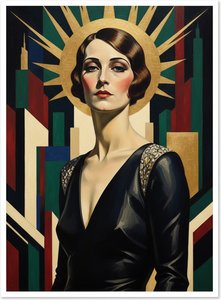 Tamara de Lempicka: Art Deco Iconoclasm & the Construction of Modern FemininityExplore the captivating world of Tamara de Lempicka, Art Deco icon. Discover her life, groundbreaking paintings, and lasting influence on m…