Art Nouveau Symbolism · 1900
Spring (ميخائيل فروبيل, 1900)
أبدع ميخائيل فروبيل (1856–1910) في Spring. يعود تاريخها إلى 1900. تنتمي إلى حركة Art Nouveau Symbolism. صُنعت من Oil On Canvas. تُحفظ في متحف آرت موسيم ريغا بورسا في ريغا, لاتفيا. أبعادها 34 × 45 cm
- 1900
- Oil On Canvas
- 34 × 45 cm
- متحف آرت موسيم ريغا بورسا

 معاينة الحجم الواقعي

 لوحة زيتية مرسومة يدوياً
 مشاركة
 مشاركة
 دليل


 تحميل الملف
 قطع مشابهة
 الأشعة السينية
 عرض شرائح
 الأسئلة والأجوبة

 الإحصائيات
Spring: أهم المعلومات
- العنوان
- Spring
- الفنان
- ميخائيل فروبيل (1856–1910)
- تاريخ ميلاد الفنان
- أومسك, روسيا
- التاريخ
- 1900
- الوسيط الفني
- Oil On Canvas
- الأبعاد
- 34 × 45 cm
- أين يمكن مشاهدتها
- متحف آرت موسيم ريغا بورسا, ريغا, لاتفيا
- الحركة
- Art Nouveau Symbolism
- الحقبة
- 19th Century
- الموضوع
- woman statue, clay sculpture, vrubel artwork, art nouveau, russian art, female figure
ماذا يصور Spring؟
Mikhail Vrubel's "Spring": A Study in Melancholy Beauty
This exquisite hand-painted reproduction captures a poignant moment from Mikhail Vrubel’s iconic sculpture, “Spring,” created in 1900. The artwork immediately draws the viewer into a world of quiet contemplation, dominated by a female figure rendered with remarkable sensitivity and technical skill. The image presents a close-up view of a clay statue, meticulously painted in a rich tapestry of colors – blues, greens, and ochres – that evoke the very essence of springtime itself, yet tempered with an undeniable sense of sorrow.
A Symbolist Vision
Vrubel was a pivotal figure within the Russian Symbolist movement, deeply influenced by the burgeoning Art Nouveau style. His work frequently explored themes of spirituality, death, and beauty through highly stylized forms and evocative color palettes. “Spring,” like much of Vrubel’s oeuvre, is not simply a depiction of nature; it's an exploration of its transience – the fleeting joy of renewal juxtaposed with the inevitable decay that follows. The statue’s upward gaze suggests a yearning for something beyond the earthly realm, a common motif within Symbolist art.
Technique and Materiality
The sculpture itself, likely modeled in clay, demonstrates Vrubel's mastery of form and texture. The artist’s meticulous application of paint creates an illusion of depth and volume, highlighting the delicate curves of the figure’s body and the subtle nuances of her expression. The use of saturated colors – a hallmark of Vrubel’s style after his Venetian studies – adds to the work's dramatic intensity. The choice of clay as the primary material further emphasizes the artwork’s connection to the earth, reinforcing its symbolic link to rebirth and growth.
Historical Context and Legacy
Created in 1900, “Spring” reflects a period of significant artistic innovation in Russia. Vrubel's work gained considerable acclaim, particularly after his commission to recreate the mosaics in St. Cyril’s Church of Kyiv, an experience that profoundly shaped his artistic vision. The statue’s melancholic beauty resonates with broader anxieties about mortality and the passage of time – themes prevalent throughout Western European art at the turn of the 20th century. This reproduction offers a tangible connection to this pivotal moment in Russian art history, allowing you to appreciate Vrubel's genius firsthand.
Perfect for Interior Design & Art Collection
This hand-painted reproduction, measuring 34 x 45 cm, is an ideal addition to any interior space. Its evocative imagery and rich color palette will bring a touch of artistic sophistication to your home or office. A stunning piece for art collectors seeking unique Symbolist works, or for interior designers looking to create a contemplative and visually arresting atmosphere.
أي متحف يضم Spring؟
متحف آرت موسيم ريغا بورسا
ريغا, لاتفيا
جوهرة النهضة البلطيقية: متحف ريغا بورسا للفنون في قلب مدينة ريغا بلاتفيا، يقف متحف "ريغا بورسا" للفنون كشاهد حي على الطموح الفني والعظمة المعمارية في آن واحد. فمنذ تأسيس هذه المؤسسة في عام 1920، لم تكن مجرد مستودع للفنون، بل أصبحت سجلاً حياً للتبادل الثقافي بين أوروبا وآسيا، حيث تحتضن جدرانها واحداً من أروع المباني في شرق أوروبا. ومن بداياتها كبورصة صاخبة للتجارة وصولاً إلى دورها الحالي كمركز نابض بتذوق الفنون، يقدم المتحف لزواره رحلة غامرة عبر قرون من الإبداع والتصميم.


Spring بدقة عالية

ميخائيل فروبيل, Spring (1900), متحف آرت موسيم ريغا بورسا. ملك عام
يقوم خبير رقمي بمطابقة الألوان مع اللوحة الأصلية وإعادة ضبط الملف، مع الحفاظ على دقة لمسات فرشاة الفنان.
شراء الصورة عالية الدقةأسئلة حول Spring
أين يمكنني مشاهدة العمل الأصلي "Spring" للفنان ميخائيل فروبيل؟
تُحفظ النسخة الأصلية من "Spring" للفنان ميخائيل فروبيل في متحف آرت موسيم ريغا بورسا, ريغا, لاتفيا، بينما تتيح لك هذه النسخة المطبوعة عرض العمل الفني في منزلك.
في أي عام أُبدعت "Spring" للفنان ميخائيل فروبيل؟
أُبدع العمل الفني "Spring" للفنان ميخائيل فروبيل في عام 1900.
ما هي التقنية المستخدمة في صنع "Spring"؟
استخدم ميخائيل فروبيل تقنية Oil On Canvas في عمل "Spring"، وهي التقنية التي تحدد الطبيعة المادية للعمل الأصلي.
ما هي أبعاد "Spring" للفنان ميخائيل فروبيل في الواقع؟
تبلغ أبعاد العمل الأصلي "Spring" للفنان ميخائيل فروبيل 34 x 45 cm.
ماذا يصور "Spring" للفنان ميخائيل فروبيل؟
تتمثل موضوعات "Spring" في woman statue, clay sculpture, vrubel artwork, art nouveau, russian art, female figure, tabletop scene.
هل العمل "Spring" ضمن الملكية العامة؟
تندرج لوحة "Spring" للفنان ميخائيل فروبيل ضمن نطاق ملك عام - انتهت مدة حماية حقوق الطبع والنشر الخاصة به، وتحدد هذه الحالة الشروط التي يمكن بموجبها إعادة إنتاج صورة العمل الفني.
من هو الفنان الذي يُنسب إليه العمل "Spring"؟
تم إبداع "Spring" بواسطة ميخائيل فروبيل. وتصف المعلومات الواردة في هذه الصفحة العمل الأصلي لـ ميخائيل فروبيل.
إلى أي أسلوب ينتمي "Spring"؟
تنتمي "Spring" للفنان ميخائيل فروبيل إلى حركة Art Nouveau Symbolism، التي تمنح العمل سياقه الأسلوبي.
إلى أي مرحلة من مسيرة ميخائيل فروبيل الفنية ينتمي العمل "Spring"؟
ينتمي العمل "Spring" إلى الفترة Late Period من مسيرة ميخائيل فروبيل المهنية، مما يربط هذا العمل بمراحل تطور الفنان الفني.
عن الفنان، ميخائيل فروبيل

1856–1910, روسيا
ميخائيل فروبيل
السنوات الأولى والأكاديمية وُلد ميخائيل ألكساندروفيتش فروبيل في مدينة أومسك بروسيا، حيث تشكلت ملامح نشأته في كنف عائلة ذات جذور نبيلة وأب خدم في السلك العسكري. ورغم تخرجه من كلية الحقوق بجامعة سانت بطرسبرغ عام 1880، إلا أن شغفه الحقيقي ظل معلقاً بفرشاة الرسم ولوحات القماش. انضم لاحقاً إلى الأكاديمية الإمبراطورية للفنون ليدرس على يد بافل تشيستياكوف، وهناك بدأ في صياغة أسلوب فني يتجاوز حدود الواقعية التقليدية التي اتبعها أقرانه، حيث تميزت بداياته برؤية بصرية فريدة، مالت نحو نهج ذاتي ومتميز في التعامل مع الخطوط والأشكال. وفي عام 1884، حدث تحول جوهري في مسيرته عندما كُلّف بمهمة إعادة إحياء الجداريات والفسيفساء التي تعود للقرن الثاني عشر في كنيسة القديس كيريل في كييف.
وأيضاً لـ ميخائيل فروبيل
 الأميرة البجعة
 The Seated Demon
 Swan-Princess1904
 Persian Prince1886

مقالات حول Spring
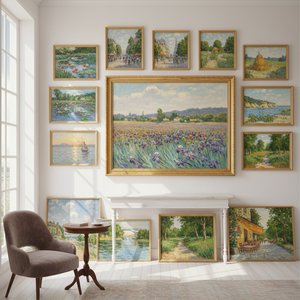 أعلى 10 لوحات طبعت "المشهد الانطباعي": رحلة فنية في عالم الفن الراقي و الديكوراكتشفوا 10 روائع فنية رسمت "المشهد الانطباعي"! رحلة في عالم مونيه، رينوار و بيسار. استلهموا ألوان الطبيعة و تقنيات الفنانين. ديكور منزلي را…
 The Art of Ceramics: A Guide to Mastery, Texture, and Timeless Form for the Discerning CollectorExplore the profound elegance of ceramic art. From master glazes to sculptural forms, our expert guide offers discerning collectors deep in…
 Beyond Symbolism: Exploring the Spiritual Landscapes of Mikalojus Konstantinas Čiurlionis's ArtExplore the captivating world of Mikalojus Konstantinas Čiurlionis, a pioneer of abstract art. Discover his unique blend of music and paint…