

 معاينة الحجم الحقيقي
 مشاركة
 مشاركة
 التفاصيل

 تحميل الملف
 قطع مشابهة
 الأشعة السينية
 عرض شرائح
Saint Cecilia


 عرض المزيد
نسخة زيتية مصنوعة يدوياً
لوحة زيتية مرسومة يدوياً على الكانفاس بالمقاس والإطار الذي تفضله، تُنفذ حسب الطلب على أيدي فنانينا. ( اشترِ نسخة مطبوعة اشترِ الصورة)




P118B $10

P118H $10

P118W $10

P438Z $10

P508JH $12

P508YH $12

P805H $10

P805Z $10

P919BZ $10

P919G $10

P919XJ $10

P959ZH $10

P968JZ $12

W106C $8

W218G $10

W218JH $8

W218Y $10

W307PJ $10

W316G $10

W316PJ $8

W316Y $10

W398PJ $8

W4111J $10

W500HY $15

W500JH $15

W692G $12

W849H $8

W940BG $15

W953PJ $8




اختر من بين أحجامنا المُعدّة مسبقًا والتي تتطابق مع النسب الأصلية للعمل الفني.

يمكنك إدخال أبعادك الخاصة لتناسب إطارًا معينًا أو مساحة محددة. وإذا لم يتطابق الحجم الذي اخترته مع نسب الصورة الأصلية، فسنقوم إما بقص العمل الفني أو توسيع اللوحة بإضافة عناصر مرسومة يدويًا. سيتم إرسال نموذج رقمي إليك للموافقة عليه قبل بدء الإنتاج.
يرجى ملاحظة أن المعاينة على الشاشة لا تعكس عملية القص أو التوسيع الفعلية؛ حيث إن النموذج الرقمي وحده هو الذي سيوضح التكوين النهائي بدقة.
وعلى الرغم من توفر أحجام مخصصة، إلا أننا نوصي باختيار أبعاد من القائمة المحددة مسبقًا للحفاظ على النسب الأصلية للعمل الفني.
بعد إتمام الطلب، سيرسل فريق OriginalUniqueArt.com بريداً إلكترونياً للعميل لطلب التعليمات وتزويده بمعاينة تجريبية (mockup).
توصيل عالمي إلى خلال 3 إلى 4 أسابيع بدلاً من المدة المعتادة البالغة 5 أسابيع. (19 أغسطس). جودة لا تهاون فيها.

شحن سريع ومجاني لجميع أنحاء العالم

قماش كتان عالي الجودة

تأمين شحن شامل

ضمان استرداد الرسوم الجمركية

ضمان مطابقة الألوان الحقيقية

سياسة الإرجاع خلال 60 يومًا (في حالات العيوب فقط)

ضمان استرداد نقدي بنسبة 100%

خصم عند طلب عدة قطع
 خيار الزجاج متاح فقط للمقاسات التي تقل عن 110 سم

Saint Cecilia
خامة إعادة الإنتاج
مقاس النسخة المطبوعة
-


السعر الإجمالي النهائي
$ 300
وصف العمل الفني
Saint Cecilia: A Renaissance Echo of Divine Inspiration
Saint Cecilia (Latin: Sancta Caecilia), venerated as the patron saint of music and musicians, transcends mere iconography; she embodies an ideal of contemplative devotion interwoven with artistic excellence. Michiel van Coxcie’s 1569 oil painting captures this essence beautifully—a masterful distillation of Renaissance humanist thought and spiritual fervor. Located within the Museo del Prado in Madrid, Spain, this artwork isn't merely a depiction of biblical narrative; it’s a testament to Coxcie’s artistic prowess and his engagement with the intellectual currents shaping Europe at the time.A Symphony of Form and Light
The composition itself is strikingly restrained, prioritizing clarity and emotional resonance over elaborate ornamentation. Coxcie focuses intently on three figures—two angelic boys flanking a woman—creating an intimate tableau that draws the viewer into a moment of profound serenity. The artist’s skillful use of perspective establishes a shallow depth, characteristic of Renaissance painting, emphasizing the foreground subjects and lending them an immediacy that transcends time. Soft, diffused lighting emanates from an unseen source, illuminating the faces and clothing with subtle gradations—a technique designed to evoke contemplation and heighten the emotional impact of the scene. Coxcie’s brushwork is visible yet controlled, building up texture and form through carefully placed strokes, demonstrating a dedication to realism that aligns perfectly with the artistic sensibilities of his era.Symbolism Rooted in Faith
The painting's symbolism speaks volumes about its spiritual significance. The angelic boys represent purity and divine guidance—symbols frequently employed in Renaissance art to convey moral virtue. Cecilia herself embodies contemplative devotion; her gaze is turned upwards, suggesting a connection to God’s presence and reflecting the prevailing Christian belief that true piety resided in inner contemplation rather than outward ritual. Notably, she holds an open book – a common motif signifying knowledge and enlightenment—and instruments of music are subtly incorporated into the scene. These elements underscore Cecilia's role as protector of musicians and symbolize the transformative power of artistic expression rooted in faith. The choice of muted, warm tones contributes to the painting’s overall atmosphere of tranquility and reverence.Influence and Legacy
Michiel van Coxcie’s ‘Saint Cecilia’ stands as a pivotal work bridging the Renaissance and Baroque periods. His stylistic innovations—particularly his masterful rendering of light and texture—were embraced by contemporaries like Peter Paul Rubens, establishing him as an influential figure in Flemish art history. The painting's enduring appeal lies not only in its technical brilliance but also in its ability to convey a timeless message about faith, beauty, and the pursuit of spiritual enlightenment. It continues to inspire artists and collectors alike, serving as a poignant reminder of the power of art to illuminate the human spirit.- Artist: Michiel van Coxcie
- Year: 1569
- Location: Museo del Prado, Madrid
السيرة الذاتية للفنان
The Flemish Raphael: The Life and Legacy of Michiel van Coxcie
Michiel van Coxcie (1499–1592) remains one of the most compelling figures of the sixteenth century, a master whose brush bridged the profound spiritual traditions of Flanders with the monumental grandeur of the Italian Renaissance. Often celebrated by historians as the Feminine Raphael, Coxcie possessed a rare ability to synthesize the anatomical precision and classical balance of the South with the emotive, textured realism characteristic of his Northern roots. Born in Mechelen, Belgium, his life unfolded during an era of immense religious and artistic transformation, a period where the boundaries of European art were being redrawn by the influence of masters like Michelangelo and Raphael. His early training was deeply embedded in the Flemish tradition, learning under the watchful eyes of figures such as Jan Portaers and the legendary Pieter Bruegel the Elder. From these mentors, he inherited a devotion to meticulous detail and an unflinching approach to human emotion. Yet, Coxcie’s artistic soul yearned for something more expansive. His travels and studies allowed him to absorb the revolutionary advancements of the Italian masters, particularly the dramatic muscularity of Michelangelo and the harmonious compositions of Leonardo da Vinci. This unique fusion allowed him to create works that were not merely imitations of foreign styles, but a sophisticated evolution of his own heritage, characterized by figures that possess both breathtaking physical accuracy and a haunting psychological depth.A Versatile Master of Medium and Scale
The breadth of Coxcie’s talent was truly extraordinary, as he moved seamlessly between the delicate intimacy of portraiture and the overwhelming scale of monumental religious commissions. His versatility extended far beyond the canvas; he was equally adept at designing intricate tapestries and sculpting forms that commanded space. This polymathic approach allowed him to secure the patronage of some of the most powerful figures in Europe, including Maximilian I of Bavaria and Philip II of Spain. Such high-profile support ensured that his influence permeated the highest echelons of European courtly life, making him a central figure in the visual language of the era. His achievements are perhaps best exemplified by his contributions to the great cathedrals of the Low Countries. In the St. Michael and Gudula Cathedral in Brussels, his massive altarpieces stand as enduring testaments to his technical prowess, utilizing complex compositions to guide the viewer through sacred narratives. Furthermore, his work on the St. Rumbolds Cathedral tapestry—specifically his depiction of Adam and God—is regarded by scholars as a pinnacle of Renaissance textile art. In these works, one can observe the seamless integration of:- Anatomical Mastery: A profound understanding of the human form that brings a sense of weight and presence to every figure.
- Narrative Depth: The ability to weave complex theological themes into visually accessible and emotionally resonant scenes.
- Chromatic Brilliance: A sophisticated use of color that enhances the dramatic tension and spiritual atmosphere of his compositions.
Historical Significance and Artistic Evolution
As the sixteenth century progressed, Coxcie’s style underwent a subtle yet significant evolution, mirroring the shifting currents of European taste as the Renaissance transitioned toward the more dramatic and emotive qualities of the early Baroque. While he never abandoned the classical foundations that defined his early career, his later works began to embrace a greater sense of movement and theatricality. This adaptability ensured that his work remained relevant even as the artistic landscape grew increasingly complex and turbulent due to the religious upheavals of the Reformation and Counter-Reformation. The historical significance of Michiel van Coxcie lies in his role as a cultural conduit. He did not simply bring Italian ideas to Flanders; he translated them into a local vernacular that resonated with the spiritual sensibilities of his people. By blending the intellectual rigor of the South with the soulful realism of the North, he helped forge a unique aesthetic identity for Flemish art. Today, his legacy survives in the silent majesty of his surviving paintings and tapestries, which continue to invite viewers into a world where the divine and the human are inextricably linked through the power of masterful artistry.
Michiel van Coxcie
1499 - 1592 , Belgium
حقائق سريعة
- Artistic Movement Or Style: Renaissance & Baroque Synthesis
- Artists Or Movements Influenced By This Artist: ['Baroque Painting']
- Artists Who Influenced This Artist:
- Michelangelo
- Da Vinci
- Raphael
- Date Of Birth: Mechelen, Belgium (1499)
- Date Of Death: 1592
- Full Name: Michiel van Coxcie
- Nationality: Flemish
- Notable Artworks:
- The Revenge of Tomyris
- Adam and the God (detail)
- Saint Cecilia
- Place Of Birth: Mechelen
مقالات ذات صلة
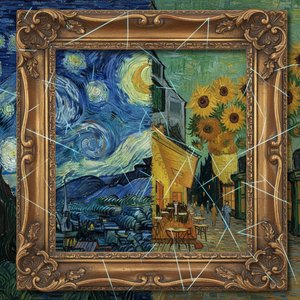
أعمال فان جوخ الخالدة: 25 تحفة فنية تزين منزلك بجمال الألوان والروح
اكتشف 25 تحفة فنية لفان جوخ، رائد الفن الحديث. استكشف قصص لوحاته الشهيرة مثل 'ليالي النجوم' و'عباد الشمس'، وألهم منزلك بألوانه العاطفية وتقنياته الفريدة. احصل على نسخ عالية الجودة من أعمال فان جوخ على OriginalUniqueArt.com.

أعمال ريمبراند فان راين الخالدة: 25 تحفة فنية آسرة لديكور منزلك
اكتشف 25 تحفة فنية لريمبراند فان راين، رائد العصر الذهبي الهولندي. استكشف قصص لوحاته الشهيرة وتقنيات الرسم المذهلة. احصل على إعادة إنتاج عالية الجودة لديكور منزلك الفاخر على OriginalUniqueArt.com

Early Netherlandish Masters: 10 Paintings That Revolutionized Art & Decor
Journey into the world of Early Netherlandish painting! Explore 10 masterpieces by Jan van Eyck, Rogier van der Weyden & more. Discover stunning detail, symbolism & Renaissance art for your home decor. Find museum-quality reproductions on OriginalUniqueArt.com

Early Netherlandish Masters: 10 Paintings That Revolutionized Art & Decor
Journey into the Early Netherlandish Renaissance! Explore 10 iconic paintings by Jan van Eyck, Rogier van der Weyden & more. Discover stunning detail, symbolism, and oil painting techniques. Find museum-quality art reproductions for your home at OriginalUniqueArt.com.

Hugo van der Goes: Devotion, Innovation & the Psychological Depth of Early Netherlandish Painting
Explore the revolutionary art of Hugo van der Goes – a master of Early Netherlandish painting renowned for his dramatic realism, psychological depth & profound influence on Renaissance artists. Discover his iconic works and lasting legacy.

