
 معاينة الحجم الحقيقي
 مشاركة
 مشاركة
 التفاصيل

 تحميل الملف
 قطع مشابهة
 الأشعة السينية
 عرض شرائح
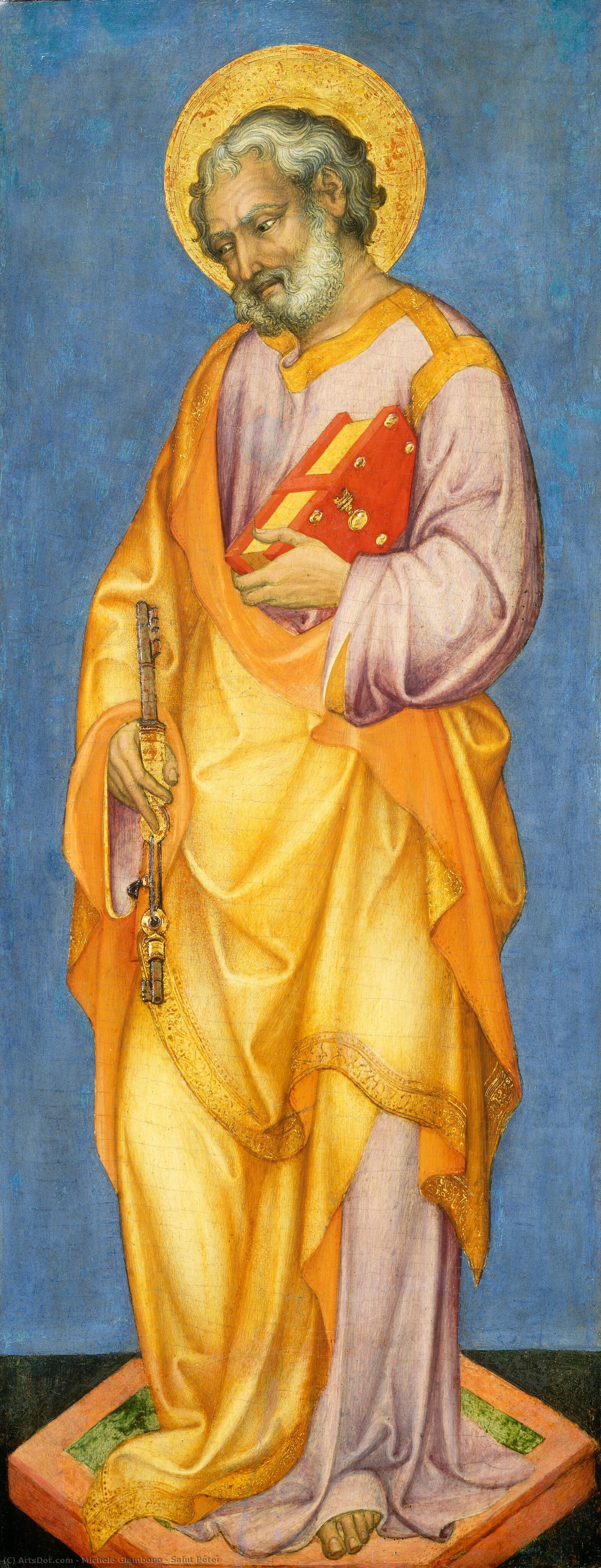
Saint Peter
 1450
1450 88.0 x 36.0 cm
 عرض المزيد
طباعة جيلي / مطبوعات فنية
طباعة جيكلي أو كانفاس بجودة المتاحف، مع سرعة في التنفيذ وخيارات متنوعة للتشطيب. ( التحويل إلى لوحة مرسومة يدوياً التبديل إلى الصورة)




































اختر من بين أحجامنا المُعدّة مسبقًا والتي تتطابق مع النسب الأصلية للعمل الفني.

يمكنك إدخال أبعادك الخاصة لتناسب إطاراً أو مساحة معينة. وإذا لم يتطابق الحجم الذي اخترته مع نسب الصورة الأصلية، فسنقوم إما بقص العمل الفني أو تمديد الصورة باستخدام حافة معكوسة أو بلون مصمت. سيتم إرسال نموذج تجريبي رقمي لاعتمادك قبل بدء الإنتاج.
يرجى ملاحظة أن المعاينة على الشاشة لا تعكس عملية القص أو التمديد الفعلية؛ حيث سيوضح النموذج التجريبي فقط التكوين النهائي بدقة.
وعلى الرغم من توفر أحجام مخصصة، إلا أننا نوصي باختيار أبعاد من القائمة المحددة مسبقاً للحفاظ على النسب الأصلية.
توصيل عالمي إلى خلال أسبوعين بدلاً من المدة القياسية البالغة 4/5 أسابيع. 5 أغسطس

شحن سريع ومجاني لجميع أنحاء العالم

قماش كتان عالي الجودة

تأمين شحن شامل

ضمان استرداد الرسوم الجمركية

ضمان مطابقة الألوان الحقيقية

سياسة الإرجاع خلال 60 يومًا (في حالات العيوب فقط)

ضمان استرداد نقدي بنسبة 100%

خصم عند طلب عدة قطع
 خيار الزجاج متاح فقط للمقاسات التي تقل عن 110 سم

Saint Peter
طباعة جيلي / مطبوعات فنية
مقاس النسخة المطبوعة
-


السعر الإجمالي النهائي
$ 80
السيرة الذاتية للفنان
The Golden Splendor of Michele Giambono
In the heart of fifteenth-century Venice, a city defined by its shimmering lagoons and unparalleled maritime wealth, the artistry of Michele Giambono emerged as a luminous bridge between the medieval past and the dawning Renaissance. Born around 1400 into a lineage of painters, Giambono was destined to become a master of the International Gothic style, an aesthetic characterized by courtly elegance, intricate ornamentation, and a profound sense of spiritual devotion. His life and work reflect the opulent atmosphere of a Venice that sought to manifest divine glory through gold, pigment, and mosaic, creating a visual language that remains as captivating today as it was during the Quattrocento.
The development of Giamblustre’s technique was deeply rooted in the Venetian tradition of craftsmanship. As a follower of luminaries such as Jacobello del Fiore and Gentile da Fabriano, Giambono inherited a fascination with delicate line work and the use of precious materials to evoke the celestial realm. His training likely involved the rigorous mastery of tempera on wood panels and the complex, architectural demands of mosaic application. This dual expertise allowed him to navigate both the intimate scale of devotional panel paintings and the monumental requirements of ecclesiastical decorations, ensuring that his artistic voice could resonate within the quiet corners of private chapels and the vast, echoing naves of great basilicas alike.
Mastery of Light and Devotion
Giambono’s oeuvre is a testament to the power of symbolic storytelling through color and light. His most significant contributions to the Venetian landscape can be found in his monumental mosaic commissions within the San Marco Basilica, specifically the decoration of the Birth of the Virgin and Presentation in the Temple chapels. In these works, he utilized the reflective properties of glass and gold leaf to create a sense of spatial illusion, where the flickering light of candles would breathe life into the sacred narratives. This mastery of mosaic artistry allowed him to transform stone and glass into ethereal visions of divine grace.
Beyond the mosaics, his panel paintings offer a more intimate glimpse into his stylistic nuances. In works such as Virgin and Child, Giambono employs a striking palette—often utilizing elegant black and white motifs set against radiant gold backgrounds—to focus the viewer's attention on the sanctity of the figures. His ability to balance the heavy, decorative traditions of the Gothic era with an emerging interest in more naturalistic detail is evident in masterpieces like Madonna and Child Enthroned and the detailed Coronation of the Virgin. These paintings are not merely religious icons but are sophisticated compositions where every fold of drapery and every gilded accent serves to elevate the soul.
Legacy within the Venetian Renaissance
The historical significance of Michele Giambono lies in his role as a custodian of beauty during a period of profound cultural transition. While the broader Renaissance would eventually move toward the anatomical realism and linear perspective of masters like Bellini, Giambono’s dedication to the International Gothic aesthetic provided the essential foundation of splendor upon which later Venetian art was built. He captured a specific moment in history where the decorative and the divine were indistinguishable.
To study Giambono is to encounter the very essence of Venetian elegance. His legacy survives through:
- The preservation of the International Gothic spirit: Maintaining the intricate, courtly beauty that defined early 15th-century Europe.
- Architectural integration: His ability to harmonize large-scale mosaic works with the complex liturgical spaces of Venice.
- Iconographic influence: Establishing enduring visual templates for themes such as the Man of Sorrows and the Coronation of the Virgin that would inspire generations of Italian painters.

Michele Giambono
1400 - 1462 , Italy
حقائق سريعة
- Artistic Movement Or Style: International Gothic
- Artists Or Movements Influenced By This Artist: ['Renaissance']
- Artists Who Influenced This Artist:
- Jacobello del Fiore
- Gentile da Fabriano
- Date Of Birth: c. 1400 Venice
- Date Of Death: c. 1462 Venice
- Full Name: Michele Taddeo di Giovanni Bono
- Nationality: Italian
- Notable Artworks:
- Man of Sorrows
- St. Peter
- Birth of the Virgin
- The Visitation
- Place Of Birth: Venice, Italy

