

 إرسال
إرسال مشاركة
 عرض التفاصيل
 دليل الأعمال الفنية للطلاب

 تحميل
تحميل
 قطع مشابهة
 عرض شرائح متتابع
 الإحصائيات
Bass viola da gamba


 اقرأ المزيد
Get a print-ready file that goes far beyond the web preview. Every digital image we sell comes from a high-resolution master in our stock database — usually 5,000 to 15,000 pixels wide — so you can print large, crop tightly, or reproduce fine detail with confidence.
No file leaves our studio untouched. A digital expert checks the colors against the original painting and corrects them if needed, then improves clarity and detail with professional retouching tools — always staying faithful to the artist's brushwork and style. The result is an image that looks like the painting, not like a filtered scan.
You approve before you're done: our expert sends the image by e-mail within 72 hours for your review. Not satisfied? Ask for improvements or corrections, or request a refund if the quality falls short.
This is the quality relied on by publishers, design studios, galleries and print shops.
صورة رقمية
حمّل ملفاً عالي الدقة للعرض الشخصي، والطباعة، والمشاريع الإبداعية. ( التبديل إلى المطبوعات اطلب نسخة مرسومة يدويًا)
مزايا مُضمّنة مع كل طلب صورة رقمية
خدمة تسليم رقمي احترافية ومضمونة
عندما تختار OriginalUniqueArt.com، فأنت لا تحصل على مجرد صورة فحسب، بل ستحصل على عمل فني رقمي مُحسّن باحترافية، صُمم بدقة متناهية ومصحوب بضمان الرضا. إليك كل ما يتضمنه طلبك تلقائياً:

تسليم سريع عبر البريد الإلكتروني
ستصلك ملفات صورك الرقمية عالية الدقة عبر البريد الإلكتروني في غضون 72 ساعة من إتمام الطلب - لتكون جاهزة للاستخدام الفوري.

ملف رقمي مُعزز بالذكاء الاصطناعي
يتم تحسين عملك الفني باحترافية باستخدام أدوات الذكاء الاصطناعي المتقدمة والتحرير اليدوي، لضمان أقصى درجات التفاصيل والوضوح ودقة الألوان.

إعادة إرسال مجانية مدى الحياة
هل حذفت ملفك أو فقدته عن طريق الخطأ؟ لا تقلق - سنعيد إرساله إليك في أي وقت، مجاناً.

بدون رسوم استيراد - على الإطلاق
استمتع بأعمالك الفنية فوراً دون أي رسوم جمركية أو ضرائب أو مصاريف شحن - فالتحميلات الرقمية دائماً ما تكون معفاة من الضرائب.

ضمان دقة الألوان
نضمن لك دقة انعكاس الألوان الأصلية في صورتك الرقمية بأقصى قدر ممكن، وذلك باستخدام أدوات احترافية وتقنيات متطورة لإدارة الألوان.

ضمان الرضا لمدة 100 يوم
إذا لم تكن راضياً عن صورتك الرقمية، فسنقوم بتعديلها أو استرداد 100% من قيمتها خلال 100 يوم - دون طرح أي أسئلة.

ضمان استعادة الأموال بنسبة 100%
لم تكن راضياً؟ استرد كامل المبلغ خلال 100 يوم من استلام ملفك الرقمي - دون طرح أي أسئلة.

خصومات الطلبات الكبيرة
اشتري 3 صور، ووفر 10% - اشتري 5، ووفر 15% - اشتري +10، ووفر 20%. مثالية للمشاريع الإبداعية، والمعارض، والوكالات.
Michel Colichon’s Bass Viola da Gamba: A Testament to Parisian Craftsmanship
The bass viola da gamba, crafted by Michel Colichon between 1683 and 1693 in Paris during the Baroque era, stands as a remarkable achievement of luthiery—a testament to meticulous craftsmanship and an embodiment of the aesthetic ideals prevalent at the time. This instrument’s creation coincided with a period of artistic flourishing under Louis XIV, where opulent decoration and refined musical expression were paramount. Colichon's workshop produced eight similar instruments, each destined for discerning patrons who appreciated both beauty and sonic quality.Material and Construction: Exotic Wood and Delicate Joinery
The instrument’s construction speaks volumes about the skill of its maker. The back, ribs, and soundboard are believed to be fashioned from an unidentified exotic wood—likely cedrela or perhaps walnut—a choice indicative of Colichon's ambition to utilize materials prized for their resonance and visual appeal. Notably, five parts of the soundboard were bent and joined together with painstaking precision, demonstrating a mastery of woodworking techniques that would have been considered exceptional. The tailpiece is lined with rosewood and adorned with intricate brass floral motifs—a characteristic embellishment reflecting the Baroque fascination with naturalistic ornamentation.Transformation into a Cello: Adapting Tradition
A fascinating aspect of this viola da gamba’s history is its subsequent conversion into a cello sometime after 1687. This involved replacing the upper half of the neck and the entire pegbox, resulting in a narrower fingerboard and tailpiece with only four holes—a departure from the original six-hole design. However, Colichon cleverly preserved the instrument’s original female carved head, inserting it into the current pegbox—a subtle yet significant gesture honoring the instrument's heritage while adapting it to contemporary musical needs.A Portrait of Elegance: Visual Details and Artistic Style
The image captures a close-up view of the viola da gamba, highlighting its rich brown hue and conveying an impression of age and enduring beauty. Positioned against a stark white background, this deliberate contrast emphasizes the instrument’s sculptural form and draws attention to its decorative elements. Two figures—presumably observers or curators—are present in the photograph, suggesting a context of scholarly appreciation and artistic contemplation. The meticulous detail evident in the image underscores Colichon's commitment to capturing the essence of Baroque artistry.Symbolism and Emotional Resonance
The bass viola da gamba’s design reflects broader stylistic trends of the era: its elegant curves and refined ornamentation embody the grandeur and sophistication associated with Louis XIV’s court. The instrument’s sound—characterized by Colichon's workshop as “resonant”—would have been appreciated for its ability to evoke emotion and convey musical nuance. It represents not merely a functional object but also a symbol of artistic excellence and cultural prestige—a legacy preserved in this exquisite example of Baroque craftsmanship.- Artist: Michel Colichon
- Born Year: 1641
- Death Year: 1694
- Birth City: Paris
- Birth Country: France
Further Exploration:
Discover more about Michel Colichon and his contribution to French musical history. Explore related artworks from the Baroque period for inspiration.
الأسئلة والأجوبة
أين تُعرض "Bass viola da gamba" للفنان Michel Collichon اليوم؟
تُعرض لوحة "Bass viola da gamba" للفنان Michel Collichon في كاتدرائية سيفورزا, ميلان, إيطاليا. ويشير بيان المتحف إلى العمل الأصلي، وليس إلى النسخ المطبوعة.
ما هو الشعور الذي تعبر عنه لوحة "Bass viola da gamba" للفنان Michel Collichon ضمن حركة Baroque Portraiture؟
ترافق العاطفة Calm في لوحة "Bass viola da gamba" أسلوبها الـ Baroque Portraiture.
ما مدى تشبع الألوان في "Bass viola da gamba" للفنان Michel Collichon؟
تتميز ألوان "Bass viola da gamba" للفنان Michel Collichon بدرجة تشبع Muted. ويصف التشبع مدى حيوية الألوان أو خفوتها.
سيرة الفنان
A Master of the French Baroque Bow
Michel Collichon was not a visual artist in the traditional sense, but rather a master luthier whose artistry resided in the creation of exquisite musical instruments. Operating in Paris during the late seventeenth century, he belonged to a prominent family of instrument makers, the son of Nicolas Colichon. His workshop flourished during the height of the Baroque era, a period defined by the opulent and refined aesthetic of the reign of Louis XIV. While his father’s legacy remains largely lost to time, Michel’s work survives as a profound testament to Parisian craftsmanship, bridging the gap between structural innovation and musical elegance.Innovation and Craftsmanship
The surviving works of Collichon reveal an artisan of immense intelligence, creativity, and confidence. He was an enigma among French viol makers, known for a style that synthesized various musical traditions, including English, North-Alpine, and local French influences. His technical mastery is particularly evident in his construction of the soundboard; unlike the seven-part technique common in England, Collichon utilized a five-part construction, demonstrating a unique approach to the architecture of sound. His instruments were characterized by:- A remarkable use of exotic woods, such as walnut or cedrela, chosen for their resonance and visual splendor.
- Intricate embellishments, including tailpieces lined with rosewood and adorned with delicate brass floral motifs.
- The daring implementation of slanted bass bars to accommodate the increased width required for a seventh string.
A Lasting Musical Legacy
Though only a handful of his instruments have survived to the present day, each piece serves as a vital historical document. His work was deeply intertwined with the musical life of his era, as he moved in circles that included legendary composers and players such as Jean de Sainte-Colombe and Jean Rousseau. This connection ensured that his instruments were not merely objects of beauty but functional tools for the most sophisticated musical expressions of the French court. The historical significance of Collichon lies in his role as a master innovator who was unafraid to experiment with new ideas, from varying soundbox lengths to adapting traditional designs for contemporary needs. Whether through the creation of a seven-string bass viol or the subtle preservation of carved heads during instrument conversions, his work embodies the spirit of an era where technical precision and artistic soul were inextricably linked. His surviving gambas remain among the finest examples of the viol in the world, preserved in prestigious collections such as the Musée de la Musique in Paris and the Musée d’Art in Geneva.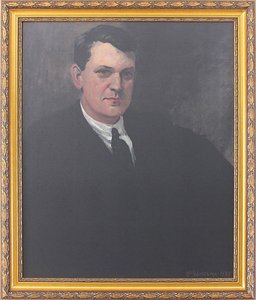
Michel Collichon
1641 - 1694 , France
حقائق سريعة
- Full Name: Michel Collichon
- Notable Artworks: ['Bass viola da gamba']
- Profession: French viol maker
- Place Of Birth: Paris, France
- Date Of Birth: 1641
- Date Of Death: 1694