

 معاينة الحجم الواقعي
 إرسال
إرسال مشاركة
 عرض التفاصيل
 دليل الأعمال الفنية للطلاب

 تحميل
تحميل
 قطع مشابهة
 الأشعة السينية
 عرض شرائح متتابع
 الإحصائيات
St Lawrence Distributing the Alms
 Oil On Canvas
- WallArt
- Early Renaissance
 1465
1465 100.0 x 97.0 cm
 Alte Pinakothek
 اقرأ المزيد
طباعة جيلي / مطبوعات فنية
طباعة جيكلي أو كانفاس بجودة المتاحف، مع سرعة في التنفيذ وخيارات متنوعة للتشطيب. ( اطلب نسخة مرسومة يدويًا التحويل إلى الصورة الرقمية)




P118B E£10

P118H E£10

P118W E£10

P438Z E£10

P508JH E£12

P508YH E£12

P805H E£10

P805Z E£10

P919BZ E£10

P919G E£10

P919XJ E£10

P959ZH E£10

P968JZ E£12

W106C E£8

W218G E£10

W218JH E£8

W218Y E£10

W307PJ E£10

W316G E£10

W316PJ E£8

W316Y E£10

W398PJ E£8

W4111J E£10

W500HY E£15

W500JH E£15

W692G E£12

W849H E£8

W940BG E£15

W953PJ E£8




اختر من بين أحجامنا المُعدّة مسبقاً والتي تتوافق مع النسب الأصلية للعمل الفني.

أدخل العرض والارتفاع اللذين تحتاجهما، ليتناسب مع إطارك أو جدارك. يمكن قص المطبوعة فقط، ولا يمكن أبداً جعلها أكبر من الصورة الأصلية، لذا فإن أي مقاس بشكل مختلف سيؤدي إلى فقدان جزء من الصورة. سنرسل لك نموذجاً رقمياً تجريبياً لاعتماده قبل البدء في عملية الطباعة. الصورة المعروضة في هذه الصفحة لا توضح القص الفعلي — النموذج التجريبي فقط هو ما يظهر ذلك.
توصيل عالمي إلى خلال أسبوعين بدلاً من المدة القياسية البالغة 4/5 أسابيع. (24 أكتوبر)

شحن سريع ومجاني لجميع أنحاء العالم

قماش كتان فاخر

تأمين شامل على الشحن

ضمان استرداد الرسوم الجمركية

ضمان دقة مطابقة الألوان

سياسة الإرجاع خلال 100 يوم (في حالات العيوب فقط)

ضمان استرداد نقدي بنسبة 100%

عرض خصم الكميات
 خيار الزجاج متاح فقط للمقاسات التي تقل عن 110 سم

St Lawrence Distributing the Alms
طباعة جيلي / مطبوعات فنية
مقاس النسخة المطبوعة
-


إجمالي السعر
E£ 4134
The Alms of Saint Lawrence: A Window into Renaissance Tyrol
Michael Pacher’s “St Lawrence Distributing the Alms,” painted in 1465-70, isn't merely a depiction of a biblical scene; it’s a meticulously crafted microcosm of late medieval society and a testament to the burgeoning artistic currents flowing through the Alpine region of Tyrol. This polyptych panel, now housed within the Alte Pinakothek in Munich, offers a rare glimpse into the world of a 15th-century nobleman's chapel – a space designed not just for worship but also as a powerful statement of civic virtue and familial piety. Pacher’s genius lies in his ability to seamlessly blend the formal elegance of Italian Renaissance influences with the deeply rooted traditions of Northern European art, creating an image that is both strikingly modern and profoundly resonant.
The scene itself unfolds within a meticulously rendered architectural setting – a church dominated by a towering Gothic spire. At its center stands Saint Lawrence, depicted not as a heroic figure of martyrdom, but as a humble servant distributing alms to the impoverished inhabitants of the town. The figures kneeling before him are remarkably individualized, reflecting the growing trend in art towards naturalistic representation and psychological depth. Note the subtle variations in their clothing, gestures, and expressions – each conveying a distinct sense of need and gratitude. This level of detail was revolutionary for its time, demonstrating Pacher’s mastery of observation and his commitment to portraying human experience with remarkable sensitivity.
The Influence of Mantegna: Perspective and Spatial Drama
Pacher's journey to Padua in Italy proved transformative, profoundly shaping the trajectory of his artistic development. His encounter with Andrea Mantegna’s frescoes ignited a passion for perspective and spatial composition – elements that would become hallmarks of Pacher’s distinctive style. Mantegna’s innovative use of linear perspective, creating an illusion of depth on a flat surface, is evident in “St Lawrence Distributing the Alms.” The receding lines of the church walls, the carefully arranged figures within the foreground, and the subtle modeling of forms all contribute to a convincing sense of three-dimensionality. This technique was relatively new in Northern Europe at the time, and Pacher’s adoption of it marked a significant step towards embracing Renaissance artistic principles.
However, Pacher doesn't simply mimic Mantegna; he adapts these innovations to his own regional context. The overall composition retains a distinctly Gothic sensibility – the monumental scale of the church, the elaborate ornamentation, and the stylized figures all reflect the enduring influence of Northern European traditions. This synthesis of Italian Renaissance innovation and Northern Gothic style is what makes Pacher’s work so unique and compelling.
Symbolism and Civic Virtue
Beyond its technical brilliance, “St Lawrence Distributing the Alms” is rich in symbolic meaning. Saint Lawrence himself was a Roman martyred for refusing to participate in pagan rituals – his story served as a potent reminder of the importance of Christian faith and moral integrity. The act of distributing alms represented not only charity but also civic responsibility – a call to action for the wealthy elite to care for the poor and vulnerable within their community. The presence of prominent figures from local society, depicted alongside the beggars and the priest, underscores this message, suggesting that piety and social engagement were inextricably linked in 15th-century Tyrol.
Furthermore, the altarpiece’s polyptych format – with its movable panels – allowed for a flexible presentation of religious narratives. The specific arrangement of scenes could be adapted to suit different occasions and liturgical seasons, reinforcing the importance of faith within the daily lives of the community. The inclusion of family members in the scene also highlights the role of patronage in supporting the arts and promoting religious devotion.
A Legacy of Craftsmanship: Reproduction and Beyond
Today, “St Lawrence Distributing the Alms” stands as a remarkable achievement of late medieval art – a testament to Michael Pacher’s artistic skill, his innovative spirit, and his deep understanding of human nature. Reproductions offer an accessible way to experience the beauty and complexity of this masterpiece, bringing its rich symbolism and evocative imagery into homes and galleries around the world. When commissioning a reproduction, consider the meticulous detail and vibrant colors that capture the essence of Pacher’s original work – a true reflection of a pivotal moment in art history.
الأسئلة والأجوبة
هل يوجد دليل لـ "St Lawrence Distributing the Alms" للفنان مايكل باشر؟
تتوفر صفحة دليل تعليمي لعمل "St Lawrence Distributing the Alms" للفنان مايكل باشر: وهي عبارة عن ورقة حقائق قابلة للطباعة حول العمل الفني، مُصممة خصيصاً للطلاب والاستخدام في الفصول الدراسية.
ما هي الألوان المهيمنة في "St Lawrence Distributing the Alms" للفنان مايكل باشر؟
تستخدم لوحة "St Lawrence Distributing the Alms" للفنان مايكل باشر مجموعة ألوان Earthy، حيث يبرز اللون Walnut (#80493a) كلون مهيمن.
ما هي الاستخدامات الموصى بها لنسخة مطبوعة من "St Lawrence Distributing the Alms" للفنان مايكل باشر؟
يُنصح باستخدام نسخة مُعاد إنتاجها من "St Lawrence Distributing the Alms" للفنان مايكل باشر لغرض Reflective؛ حيث يأتي هذا الاقتراح تماشياً مع موضوع العمل الفني وأجوائه وألوانه.
نبذة عن الفنان
جسر تيرولي يربط بين العوالم
يبرز مايكل باشر، الذي ولد حوالي عام 1435 وسط المناظر الطبيعية الألبية في بولزانو، كشخصية محورية في مرحلة الانتقال من الفن القوطي إلى روح النهضة الناشئة داخل الأراضي الناطقة بالألمانية. لم يكن مجرد فنان فحسب، بل كان حرفياً مزج ببراعة بين الرسم والنحت، وبين العمارة والتفاصيل الدقيقة، ليخلق مذابح فنية لم تكن مجرد قطع دينية، بل عوالم غامرة من الإيمان والسرد القصصي. ورغم أن حياته المبكرة لا تزال محاطة بنوع من الغموض—إذ تندر التفاصيل حول تدريبه الأولي—فمن الواضح أن باشر امتلك موهبة فطرية غذتها التيارات الفنية التي كانت تتدفق عبر منطقة تيرول خلال منتصف القرن الخامس عشر. وقد اتخذت رحلته منعطفاً حاسماً بزيارته لمدينة بادوا في إيطاليا، حيث التقى باللوحات الجدارية الثورية لأندريا مانتينيا؛ وكان لهذا الانكشاف أثر تحولي عميق، إذ غمر أعماله بفهم جديد للمنظور والتكوين الفراغي، وهي العناصر التي ميزته عن الكثير من معاصريه.مذبح سانت فولفغانغ: كشف النقاب عن تحفة فنية
تستند شهرة باشر بشكل أقوى إلى مذبح سانت فولفلسغانغ الرائع، الذي أبدعه بين عامي 1471 و1481 لكنيسة الحج في النمسا. هذا العمل ليس مجرد لوحة بسيطة، بل هو "بوليبتيك" (لوحة متعددة الألواح) متقنة، وهي تحفة فنية مصممة لتتكشف مثل رواية مقدسة. يسمح التصميم العبقري للمذبح بثلاث عروض متميزة: عرض للعبادة اليومية، وآخر أكثر زخرفة لأيام الأحد، ونسخة موسعة بالكامل مخصصة للأعياد المقدسة الخاصة. ويكشف كل تكوين عن مشاهد مختلفة من حياة يسوع والعذراء مريم، وتتوج هذه المشاهد باللوحة المركزية الخاطفة للأنفاس التي تصور تتويج العذراء كملكة للسماء—وهو مشهد منحوت يشع بجلال إلهي. أما الأجنحة الخارجية فتصور حلقات من حياة القديس فولفغانغ نفسه، شفيع الحجاج والحرفيين. ويشير الباحثون إلى أن شقيقه، فريدريش باشر، ربما ساهم في رسم بعض الألواح الخارجية، مما يسلط الضوء على روح التعاون داخل المرسم. إن ما يميز هذا العمل حقاً هو ضخامة حجمه، وتعقيده، والمستوى المذهل من التفاصيل في كل من العناصر المرسومة والتماثيل المنحوتة بدقة، مما يعد شهادة على قدرة باشر على تطويع تخصصات فنية متعددة في آن واحد.مزج التخصصات: الرسم والنحت والرؤية المعمارية
بعيداً عن مذبح سانت فولفغانغ، أظهر باشر توليفه الفريد بين الأشكال الفنية في أعمال مثل مذبح آباء الكنيسة، الذي اكتمل حوالي عام 1483 لدير نويستفت. هنا، نجح ببراعة في طمس الحدود بين الرسم والنحت، خالقاً تجربة فنية موحدة؛ حيث تبدو الشخصيات الضخمة لآباء الكنيسة وكأنها تبرز من محاريبها، مفعمة بإحساس ملموس بالحضور. كما أن مهارة باشر في التلاعب بالضوء والظل تعزز هذا التأثير، مما يضفي عمقاً وواقعية على التكوين. لم يكن يكتفي بتصوير الفضاء فحسب، بل كان *يخلقه* داخل حدود هيكل المذبح. وقد أثر هذا النهج المبتكر بشكل كبير على الأجيال اللاحقة من الفنانين في شمال أوروبا، الذين سعوا لمحاكاة قدرته على دمج تقنيات فنية متنوعة في وحدة متماسكة.الإرث والتأثير الخالد
بحلول عام 1467، كان باشر قد أسس مرسماً مزدهراً في برونيك، ليصبح شخصية بارزة في المشهد الفني في تيرول. وقد تلقى تكليفات من مختلف الرهبانيات الدينية، بما في ذلك الفرنسيسكان في سالزبورغ حوالي عام 1484. ومن المؤسف أن العديد من أعماله قد فُقدت أو تضررت بمرور الوقت بسبب الصراعات والكوارث الطبيعية—وهو تذكير مؤلم بهشاشة التراث الفني. ورغم هذه الخسائر، تظل التحف الباقية شهادات خالدة على موهبة باشر الاستثنائية وروحه الابتكارية. لقد كان رائداً حقيقياً، نجح في جسر الفجوة بين الأشكال التعبيرية للفن القوطي الشمالي ومبادئ رسم عصر النهضة الإيطالي الناشئة. إن إرثه لا يكمن فقط في الجمال والبراعة التقنية لإبداعاته، بل أيضاً في قدرته على صياغة أسلوب شخصي فريد لا يزال يأسر المشاهدين ويلهمهم بعد مرور قرون؛ فعمل باشر يمثل لحظة حاسمة في تاريخ الفن—لحظة التقت فيها التقاليد بالابتكار، لتولد منها إمكانيات فنية جديدة.
مايكل باشر
1435 - 1498 , إيطاليا
لمحة سريعة
- Artistic Movement Or Style: عصر النهضة والقوطية
- Artists Or Movements Influenced By This Artist: ['فنانو شمال أوروبا']
- Artists Who Influenced This Artist: ['أندريا مانتينيا']
- Date Of Birth: حوالي 1435
- Date Of Death: 1498
- Full Name: مايكل باشر
- Nationality: تيرولي
- Notable Artworks:
- مذبح سانت فولفجانج
- مذبح آباء الكنيسة
- قيامة لعازر
- تتويج العذراء
- Place Of Birth: بولزانو، إيطاليا
مقالات ذات صلة
أروع 25 لوحة لفرا أنجليكو: تحف فنية لتزيين منزلك بإشراق سماوي
اكتشف روعة 25 لوحة لفرا أنجليكو، فنان عصر النهضة الإيطالي. استكشف قصصًا فنية وتقنيات زيتية آسرة وألوانًا سماوية. احصل على نسخ فاخرة لتزيين منزلك بجمال خالد. اكتشف جميع الروائع على OriginalUniqueArt.com
أفضل 25 لوحة لجوتو دي بوندوني: تحف فنية لتزيين منزلك بأناقة
اكتشف أروع 25 لوحة لجوتو دي بوندوني، رائد فن عصر النهضة. استكشف قصصًا فنية خالدة وتقنيات فريدة وألوانًا آسرة. احصل على نسخ عالية الجودة لتزيين منزلك بأناقة رفيعة على OriginalUniqueArt.com

أعمال إل جريكو الخالدة: 25 تحفة فنية تزين منزلك بجمال الأساطير
اكتشف 25 تحفة فنية لإل جريكو، رائد الفن الإسباني. استكشف قصص لوحاته الدينية والتاريخية الرائعة وأسلوبه الباروكي الفريد. احصل على نسخ عالية الجودة من أعمال إل جريكو لتزيين منزلك بأناقة وفخامة. اكتشف جميع الروائع على OriginalUniqueArt.com

Sir Thomas Lawrence: Portraiture, Power & Regency Society's Aesthetics
Explore the captivating world of Sir Thomas Lawrence, Regency England's premier portraitist. Discover his artistic techniques, powerful representations of society, and enduring legacy. Expert insights for discerning art collectors.
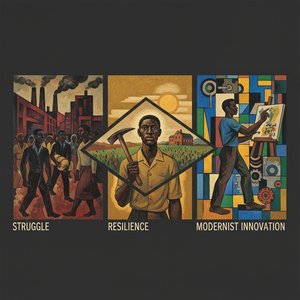
Jacob Lawrence: Narratives of Struggle, Resilience & Modernist Innovation
Explore the powerful narratives of Jacob Lawrence, a pivotal African American artist of the Harlem Renaissance. Discover his iconic 'Migration Series,' dynamic cubism style, and lasting impact on American art history.