
 معاينة الحجم الحقيقي
 مشاركة
 مشاركة
 التفاصيل

 تحميل الملف
 قطع مشابهة
 الأشعة السينية
 عرض شرائح
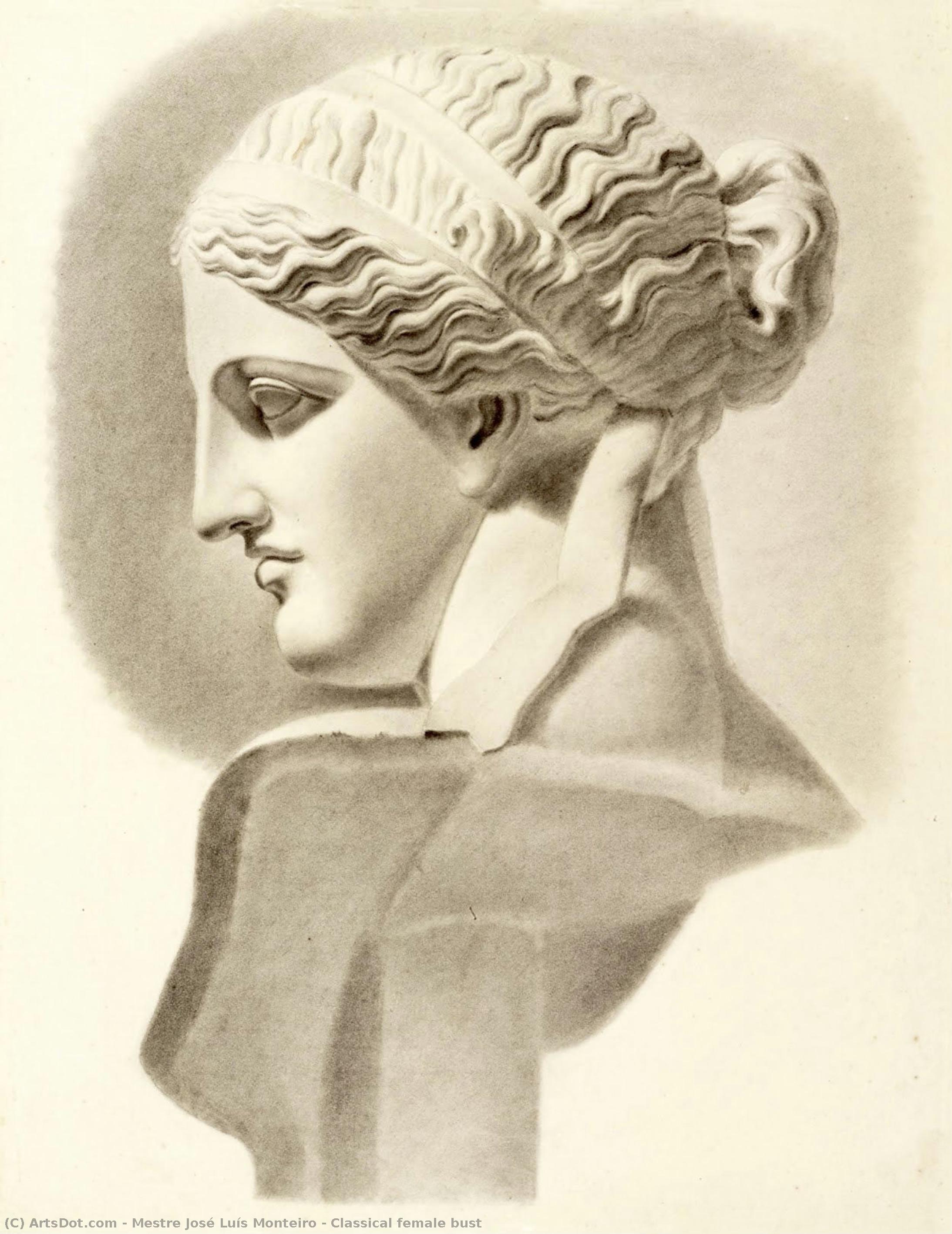
Classical female bust
 1862
1862 45.0 x 59.0 cm
 Lisboa Municipal Archive
 عرض المزيد
طباعة جيلي / مطبوعات فنية
طباعة جيكلي أو كانفاس بجودة المتاحف، مع سرعة في التنفيذ وخيارات متنوعة للتشطيب. ( اشترِ لوحة مرسومة يدويًا اشترِ الصورة)




































اختر من بين أحجامنا المُعدّة مسبقًا والتي تتطابق مع النسب الأصلية للعمل الفني.

يمكنك إدخال أبعادك الخاصة لتناسب إطاراً أو مساحة معينة. وإذا لم يتطابق الحجم الذي اخترته مع نسب الصورة الأصلية، فسنقوم إما بقص العمل الفني أو تمديد الصورة باستخدام حافة معكوسة أو بلون مصمت. سيتم إرسال نموذج تجريبي رقمي لاعتمادك قبل بدء الإنتاج.
يرجى ملاحظة أن المعاينة على الشاشة لا تعكس عملية القص أو التمديد الفعلية؛ حيث سيوضح النموذج التجريبي فقط التكوين النهائي بدقة.
وعلى الرغم من توفر أحجام مخصصة، إلا أننا نوصي باختيار أبعاد من القائمة المحددة مسبقاً للحفاظ على النسب الأصلية.
توصيل عالمي إلى خلال أسبوعين بدلاً من المدة القياسية البالغة 4/5 أسابيع. 19 أغسطس

شحن سريع ومجاني لجميع أنحاء العالم

قماش كتان عالي الجودة

تأمين شحن شامل

ضمان استرداد الرسوم الجمركية

ضمان مطابقة الألوان الحقيقية

سياسة الإرجاع خلال 60 يومًا (في حالات العيوب فقط)

ضمان استرداد نقدي بنسبة 100%

خصم عند طلب عدة قطع
 خيار الزجاج متاح فقط للمقاسات التي تقل عن 110 سم

Classical female bust
طباعة جيلي / مطبوعات فنية
مقاس النسخة المطبوعة
-


السعر الإجمالي النهائي
$ 80
السيرة الذاتية للفنان
The Formative Years of a Master
Born in Lisbon on October 25, 1848, José Luís Monteiro was destined to become a cornerstone of Portuguese architecture. His early education at the Royal Academy of Fine Arts in Lisbon provided a sturdy foundation, but it was his subsequent journey to Paris that truly expanded his artistic horizons. Immersed in the rigorous atmosphere of the École Nationale Suprollère des Beaux-Arts, Monteiro absorbed the sophisticated nuances of French architectural thought. This period of intense study allowed him to blend the classical traditions of his homeland with the sweeping, imperial grandeur of the Second Empire style, creating a stylistic synthesis that would define much of Lisbon's urban character for decades to come.Architectural Legacy and Urban Transformation
Monteiro’s career was marked by a profound commitment to the civic identity of Lisbon. Serving as the chief architect for the Lisbon City Council, he played an instrumental role in directing the city's growth during a period of significant transition. His work is characterized by a masterful command of Neoclassical elements and the ornate elegance of the Second Empire French style, bringing a sense of monumental dignity to the streets. Beyond his structural achievements, Monteiro was a dedicated educator, imparting his vast knowledge to students at the Royal Academy of Fine Arts. His influence extended far beyond the blueprints he drafted; he helped shape the very aesthetic consciousness of his era through both his practice and his pedagogy.A Synthesis of Metal and Majesty
One of the most enduring aspects of Monteiro’s genius was his ability to embrace the industrial revolution's technological advancements without sacrificing classical beauty. He became renowned for his innovative use of metal in interior architecture, a technique that brought a modern, light-filled energy to traditional structures. The Rossio Railway Station remains his most iconic achievement in this regard, where the structural integrity of iron is seamlessly integrated into a grand architectural setting, creating a space that feels both robust and ethereal. This ability to harmonize the old with the new earned him international acclaim, including the prestigious Legion d'honneur in 1901. As he lived through the turn of the century and passed away in 1942, his legacy remained etched in the stone and iron of Lisbon, a permanent testament to a life dedicated to the art of building.
mestre josé luís monteiro
1848 - 1942 , Portugal
حقائق سريعة
- Artistic Movement Or Style: Neoclassical and Second Empire
- Date Of Birth: October 25, 1848
- Date Of Death: January 27, 1942
- Full Name: José Luís Monteiro
- Nationality: Portuguese
- Notable Artworks: ['Rossio railway station']
- Place Of Birth: Lisbon, Portugal

