

 معاينة الحجم الحقيقي
 مشاركة
 مشاركة
 التفاصيل

 تحميل الملف
 قطع مشابهة
 الأشعة السينية
 عرض شرائح
Sigmund Freud, 1932


 عرض المزيد
طباعة جيلي / مطبوعات فنية
طباعة جيكلي أو كانفاس بجودة المتاحف، مع سرعة في التنفيذ وخيارات متنوعة للتشطيب. ( اشترِ لوحة مرسومة يدويًا اشترِ الصورة)




P118B $10

P118H $10

P118W $10

P438Z $10

P508JH $12

P508YH $12

P805H $10

P805Z $10

P919BZ $10

P919G $10

P919XJ $10

P959ZH $10

P968JZ $12

W106C $8

W218G $10

W218JH $8

W218Y $10

W307PJ $10

W316G $10

W316PJ $8

W316Y $10

W398PJ $8

W4111J $10

W500HY $15

W500JH $15

W692G $12

W849H $8

W940BG $15

W953PJ $8




اختر من بين أحجامنا المُعدّة مسبقًا والتي تتطابق مع النسب الأصلية للعمل الفني.

يمكنك إدخال أبعادك الخاصة لتناسب إطاراً أو مساحة معينة. وإذا لم يتطابق الحجم الذي اخترته مع نسب الصورة الأصلية، فسنقوم إما بقص العمل الفني أو تمديد الصورة باستخدام حافة معكوسة أو بلون مصمت. سيتم إرسال نموذج تجريبي رقمي لاعتمادك قبل بدء الإنتاج.
يرجى ملاحظة أن المعاينة على الشاشة لا تعكس عملية القص أو التمديد الفعلية؛ حيث سيوضح النموذج التجريبي فقط التكوين النهائي بدقة.
وعلى الرغم من توفر أحجام مخصصة، إلا أننا نوصي باختيار أبعاد من القائمة المحددة مسبقاً للحفاظ على النسب الأصلية.
توصيل عالمي إلى خلال أسبوعين بدلاً من المدة القياسية البالغة 4/5 أسابيع. 14 أغسطس

شحن سريع ومجاني لجميع أنحاء العالم

قماش كتان عالي الجودة

تأمين شحن شامل

ضمان استرداد الرسوم الجمركية

ضمان مطابقة الألوان الحقيقية

سياسة الإرجاع خلال 60 يومًا (في حالات العيوب فقط)

ضمان استرداد نقدي بنسبة 100%

خصم عند طلب عدة قطع
 خيار الزجاج متاح فقط للمقاسات التي تقل عن 110 سم

Sigmund Freud, 1932
طباعة جيلي / مطبوعات فنية
مقاس النسخة المطبوعة
-


السعر الإجمالي النهائي
$ 80
السيرة الذاتية للفنان
Edward Hopper: The Solitude of the American Landscape
Edward Hopper (July 22, 1882 – May 15, 1967) remains one of America’s most enduring and enigmatic figures in art. More than just a painter, he was a keen observer of modern life, capturing moments of quiet contemplation, urban isolation, and the subtle beauty found within the commonplace. Born in Nyack, New York – a town steeped in maritime history – Hopper's artistic journey began with a formal education at the New York School of Art under the tutelage of William Merritt Chase and Robert Henri, both influential figures in the American art scene. These early influences shaped his approach to depicting reality, emphasizing form, light, and shadow, while simultaneously fostering a desire to portray the emotional complexities of human experience.
Hopper’s artistic development wasn't immediate or straightforward. Initially drawn to illustration, he experimented with various styles before finding his distinctive voice. His early works, often depicting scenes from New York City, hinted at the themes that would later define his career: loneliness, alienation, and the interplay between individuals within a rapidly changing society. Crucially, Hopper’s artistic trajectory was profoundly influenced by Edgar Degas and Édouard Manet, whose innovative compositions and explorations of modern urban life served as models for his own approach to capturing fleeting moments and conveying underlying moods.
The Palette of Isolation: Themes and Techniques
Hopper's paintings are instantly recognizable for their stark realism combined with a pervasive sense of melancholy. He rarely depicted grand narratives or dramatic events; instead, he focused on intimate scenes—a solitary diner at night, an empty street corner, a couple lost in thought—that evoked a powerful feeling of isolation and introspection. His masterful use of light and shadow played a critical role in establishing this mood, often employing strong contrasts to highlight the emptiness and silence within his compositions.
A key element of Hopper’s technique was his meticulous attention to detail, particularly in rendering architectural spaces. He meticulously observed the geometry of buildings, the patterns of windows, and the way light filtered through them, creating a sense of realism that grounded his scenes in specific locations. Furthermore, he frequently employed cropped compositions, drawing the viewer into the scene and emphasizing its spatial limitations—a technique that amplified the feeling of confinement and solitude.
Notable works like *Nighthawks* (1942) exemplify this approach perfectly. The painting’s stark lighting, isolated figures, and expansive urban backdrop create a powerful sense of unease and alienation, inviting viewers to contemplate the lives and experiences of those within the scene. Similarly, paintings such as *Automat* (1927) and *Office in a Small City* (1938) capture the quiet desperation of modern American life, portraying individuals trapped within their routines and disconnected from one another.
A Life Dedicated to Observation
Edward Hopper’s personal life was inextricably linked to his art. He married Josephine Nivison in 1923, a fellow artist who served as his muse, model, and confidante. Their shared love of New England—particularly the coastal towns of Cape Cod—provided a constant source of inspiration for his paintings. The stark beauty of the landscape, the rhythmic crash of waves, and the quiet solitude of rural life all found their way into his work.
Despite achieving considerable recognition during his lifetime, Hopper remained a private and introspective individual. He deliberately avoided publicity and rarely discussed his artistic intentions, preferring to let his paintings speak for themselves. His commitment to capturing authentic moments of American experience—both the beauty and the loneliness—solidified his place as one of America’s most important artists.
Legacy and Influence
Edward Hopper's influence on 20th-century art is undeniable. His distinctive style—characterized by its realism, isolation, and evocative use of light—has inspired countless artists across a wide range of mediums. His paintings continue to resonate with viewers today because they tap into universal themes of loneliness, alienation, and the search for meaning in an increasingly complex world.
Beyond his artistic achievements, Hopper’s work offers a valuable glimpse into the social and cultural landscape of America during the early 20th century. His paintings capture the spirit of a nation undergoing rapid transformation—the rise of industrialization, urbanization, and mass culture—while simultaneously exploring the enduring human need for connection and belonging. Hopper's legacy endures not only through his iconic images but also as a reminder of the power of art to illuminate the complexities of the human condition.

max halberstadt
1882 - 1940 , Germany
حقائق سريعة
- Artistic Movement Or Style: Realism, Impressionism
- Artists Or Movements Influenced By This Artist: ['Impressionism']
- Artists Who Influenced This Artist: ['Robert Henri']
- Date Of Birth: August 12, 1882
- Date Of Death: 1925
- Full Name: George Bellows
- Nationality: American
- Notable Artworks:
- Nude with Hexagonal Quilt
- Woodstock Road, Woodstock
- Jean in a Black Hat
- Place Of Birth: Columbus, Ohio, USA
مقالات ذات صلة

أعمال ماكس إرنست الخالدة: 25 تحفة فنية تزين منزلك بجمال السريالية
اكتشف 25 تحفة فنية لماكس إرنست، رائد السريالية! استكشف قصص لوحاته المذهلة وتقنياته الفريدة. أضف لمسة من الفن الحديث والألوان الزيتية إلى ديكور منزلك مع OriginalUniqueArt.com. تسوق الآن!

Monochrome Visions: Exploring the Aesthetic & Historical Significance of Black & White Photography
Explore the rich history & artistic power of black and white photography. From early techniques to iconic masters like Ansel Adams, discover why monochrome continues to captivate art lovers today. Expert insights for collectors.

Beyond the Lens: Photography's Enduring Influence on Modern & Contemporary Art
Explore photography's pivotal role in shaping modern & contemporary art. Discover key movements, influential artists like Stieglitz, and expert collecting advice from OriginalUniqueArt.

Pictorialism: A Search for Artistic Photography's Soul – Aesthetics, Techniques & Legacy
Explore the captivating world of Pictorialism – a pivotal movement that transformed photography into fine art. Discover key artists like Stieglitz & Käsebier, techniques, and collecting tips from experts.
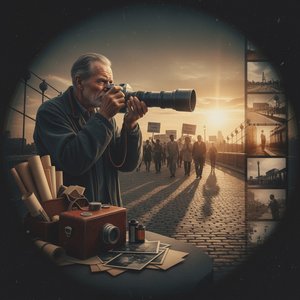
Witnessing History Through Lens & Light: Documentary Photography's Enduring Legacy
Explore the powerful history of documentary photography – from its origins to contemporary masters like Gordon Parks & W. Eugene Smith. Discover how this art form shapes our understanding of society and witness pivotal moments in time.

