Surrealist Expressionism
The Tree (ماكس إرنست)
أبدع ماكس إرنست (1891–1976) في The Tree. تنتمي إلى حركة Surrealist Expressionism. صُنعت من Acrylic On Canvas. تُحفظ في Museum Folkwang في إيسن, ألمانيا.
- Acrylic On Canvas
- Museum Folkwang, إيسن

 معاينة الحجم الواقعي

 لوحة زيتية مرسومة يدوياً
 مشاركة
 مشاركة
 ورقة الحقائق


 تحميل الملف
 قطع مشابهة
 الأشعة السينية
 عرض شرائح
 الأسئلة والأجوبة

 الإحصائيات
The Tree باختصار
- العنوان
- The Tree
- الفنان
- ماكس إرنست (1891–1976)
- تاريخ ميلاد الفنان
- برول, ألمانيا
- الوسيط الفني
- Acrylic On Canvas
- أين يمكن مشاهدتها
- Museum Folkwang, إيسن, ألمانيا
- الحركة
- Surrealist Expressionism
- الموضوع
- tree, fruit, people, umbrellas, surrealism, ernst
ماذا يصور The Tree؟
A Vision of Abundance and Disquiet: Unpacking “The Tree”
Max Ernst’s “The Tree,” a captivating yet enigmatic work, invites us into a world where the familiar yields to the profoundly strange. It's not merely a depiction of a tree laden with fruit; it’s a carefully constructed tableau brimming with symbolic weight and reflecting the artist’s deeply rooted fascination with the subconscious. The painting immediately arrests the eye with its vibrant palette – a riot of yellows, greens, and reds that suggest both fecundity and an underlying tension. The sheer volume of fruit—bananas and apples mingling together—creates a sense of overwhelming abundance, a visual metaphor for the potential and perils of excess. Yet, this apparent prosperity is subtly undercut by the presence of figures, some standing in quiet contemplation, others seemingly lost within the scene’s density.
The Roots of Surrealism: Ernst's Intellectual Landscape
Understanding “The Tree” requires acknowledging Max Ernst’s unique artistic trajectory. Born in Brühl, Germany, in 1891, Ernst wasn’t a traditional artist; he was an intellectual explorer who approached painting as a means of unlocking the hidden landscapes of his mind. His academic background—spanning philosophy, art history, psychology, and psychiatry – profoundly shaped his work. He deliberately sought to disrupt conventional representation, drawing inspiration from automatism, dream imagery, and the theories of Sigmund Freud. This pursuit of the irrational is powerfully evident here; the seemingly random arrangement of objects and figures suggests a world governed not by logic but by instinct and association. Ernst’s early experiments with frottage—a technique involving rubbing paper over textured surfaces – further demonstrate his interest in accessing the unconscious, creating images that emerge organically from chance encounters.
- Technique: Ernst employed a layered approach, utilizing oil paints and collage elements. The fruit appears almost sculpted, with a tactile quality that contrasts sharply with the more fluid rendering of the figures and background.
- Color Palette: The intense colors are not merely decorative; they contribute to the painting’s overall mood, evoking both joy and unease.
Symbolism in the Fruitful Chaos: Interpretation and Nuance
The specific fruits depicted—bananas and apples—carry significant symbolic weight. Bananas, often associated with tropical abundance and exotic allure, can also represent temptation and fleeting pleasure. Apples, steeped in mythology and religious iconography (particularly linked to the story of Adam and Eve), symbolize knowledge, sin, and mortality. Their juxtaposition suggests a complex interplay between desire, transgression, and the consequences of choice. The figures themselves are deliberately ambiguous; their postures and expressions invite speculation about their relationship to the tree and its bounty. Are they participants in a celebration? Victims of an overwhelming experience? Or simply observers of this surreal spectacle?
A Legacy of Disruption: Ernst’s Enduring Influence
“The Tree” stands as a quintessential example of Max Ernst's contribution to the Surrealist movement. It embodies his commitment to challenging conventional perceptions and exploring the depths of the human psyche. His work, like that of many pioneers of the 20th century, continues to resonate with viewers today, prompting us to question our own assumptions about reality and inviting us to embrace the power of the imagination. A reproduction of this vibrant and unsettling masterpiece offers a unique opportunity to bring this complex and compelling vision into your home or studio – a testament to Ernst’s enduring legacy as one of art's most daring and innovative figures.
أي متحف يضم The Tree؟
Museum Folkwang
إيسن, ألمانيا
أصول وتاريخ Museum Folkwang تبدأ حكاية Museum Folkwang من نقطة التقاء إرثين متميزين؛ ففي عام 1902، أسس كارل إرنست أوستهاوس متحف فولكوانج الخاص، وهو مجموعة فنية ولدت من رؤية محددة للتعبير الحديث. ثم انضم إليه لاحقاً متحف إيسن للفنون Kunstmuseum، الذي تأسس في عام 1906. وفي عام 1922، اندمج الكيانان ليشكلوا المؤسسة التي نراها اليوم في مدينة إيسن الألمانية، مما أدى إلى خلق مجموعة فنية كبرى ركزت على تطورات الفن في القرنين التاسع عشر والعشرين.

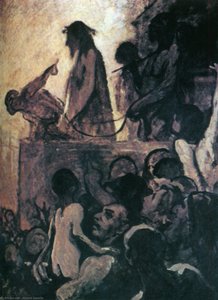

صور عالية الدقة لـ The Tree

Protected by copyright: these files are for personal reference, not a licence to republish.
ماكس إرنست, The Tree, Museum Folkwang.
أسئلة وإجابات حول The Tree
أين تُعرض "The Tree" للفنان ماكس إرنست اليوم؟
تُعرض لوحة "The Tree" للفنان ماكس إرنست في Museum Folkwang, إيسن, ألمانيا. ويشير وصف المتحف إلى العمل الأصلي، وليس إلى النسخ المطبوعة.
ما هي التقنية المستخدمة في تنفيذ "The Tree" للفنان ماكس إرنست؟
نُفذت لوحة "The Tree" باستخدام Acrylic On Canvas.
ما هي الموضوعات التي يتناولها "The Tree" للفنان ماكس إرنست؟
تتمثل موضوعات "The Tree" في tree, fruit, people, umbrellas, surrealism, ernst, landscape, tropical.
هل يمكن إعادة إنتاج صورة "The Tree" للفنان ماكس إرنست بحرية؟
أما بخصوص حقوق الطبع والنشر، فإن "The Tree" تندرج ضمن لا تزال محمية بموجب حقوق الطبع والنشر.
من هو الفنان الذي يُنسب إليه العمل "The Tree"؟
يُنسب العمل "The Tree" إلى ماكس إرنست.
إلى أي أسلوب ينتمي "The Tree"؟
ينتمي العمل "The Tree" إلى مدرسة Surrealist Expressionism، وهي المدرسة التي تمثل التقليد الفني الذي يندرج ضمنه هذا العمل.
إلى أي مرحلة من مراحل تطور ماكس إرنست ينتمي العمل "The Tree"؟
ينتمي العمل "The Tree" إلى الفترة Mature Surrealism من مسيرة ماكس إرنست المهنية، مما يربط هذا العمل بمراحل تطور الفنان الفني.
ما سبب الوضع الحالي لحقوق الطبع والنشر لـ "The Tree"؟
تعتمد حالة حقوق الطبع والنشر لـ "The Tree" - لا تزال محمية بموجب حقوق الطبع والنشر - على تاريخ وفاة الفنان في 1976.
هل بقيت "The Tree" في الموطن الأصلي لفنانها؟
نعم - العمل الفني موجود في الموطن الأصلي للفنان. تُعرض لوحة "The Tree" في ألمانيا، بينما وُلد ماكس إرنست في ألمانيا.
عن الفنان، ماكس إرنست

1891–1976, ألمانيا
ماكس إرنست
نشأة ماكس إرنست وجذوره الأولى أطلّ ماكس إرنست على هذا العالم في الثاني من أبريل عام 1891، في بلدة بروهل بألمانيا. نشأ في كنف عائلة كاثوليكية من الطبقة المتوسطة، حيث كان الابن الثالث من بين تسعة أطفال. وقد تشكلت ملامح طفولته تحت تأثير الأجواء الهادئة والمنضبطة التي سادت منزله، حيث كان والده، فيليب، يعمل معلماً للصم. لم يكن فيليب مجرد معلم، بل كان رساماً هاوياً، ومن خلاله، لامست أنامل الصغير أدوات الفن وممارساته لأول مرة.
وأيضاً لـ ماكس إرنست
 سيلِيبِس أو إلبُلانت سيلِيبِس1921
 الفيل سيلبيز1921
 أوروبا بعد المطر الثاني1942
 من هذا لا يعلم الرجال شيئًا1923
مقالات حول The Tree
 25 Masterpieces by Ernst Ludwig Kirchner: The Soul of German ExpressionismExplore 25 iconic Ernst Ludwig Kirchner masterpieces of German Expressionism. Discover the full collection online at OriginalUniqueArt.com.
 Unlocking the Unconscious: The Top 25 Masterpieces by Max ErnstStep into the dreamscapes of Max Ernst. Explore 25 iconic Surrealist masterpieces, from pioneering collage to haunting Frottage techniques.…
 The Weight of an Apple: From Biblical Allegory to the Structural Vision of CézanneExplore the evolution of the apple from biblical allegory to Cézanne's geometry. Trace this artistic legacy with our expert analysis.