Surrealist Expressionism · 1927
The Forest (ماكس إرنست, 1927)
أبدع ماكس إرنست (1891–1976) في The Forest. يعود تاريخها إلى 1927. تنتمي إلى حركة Surrealist Expressionism. صُنعت من Acrylic On Canvas. تُحفظ في متحف الفن بالتل أبيب في تل أبيب, إسرائيل. أبعادها 25 × 36 cm
- 1927
- Acrylic On Canvas
- 25 × 36 cm
- متحف الفن بالتل أبيب

 معاينة الحجم الواقعي

 لوحة زيتية مرسومة يدوياً
 مشاركة
 مشاركة
 بطاقة المعلومات


 تحميل الملف
 قطع مشابهة
 الأشعة السينية
 عرض شرائح
 الأسئلة والأجوبة

 الإحصائيات
The Forest باختصار
- العنوان
- The Forest
- الفنان
- ماكس إرنست (1891–1976)
- تاريخ ميلاد الفنان
- برول, ألمانيا
- التاريخ
- 1927
- الوسيط الفني
- Acrylic On Canvas
- الأبعاد
- 25 × 36 cm
- أماكن العرض
- متحف الفن بالتل أبيب, تل أبيب, إسرائيل
- الحركة
- Surrealist Expressionism
- الحقبة الزمنية
- Early Modern
- الموضوع
- moonlit cityscape, surreal forest, urban night, max ernst, german art, 1927 painting
ماذا يصور The Forest؟
A Nocturne of Dreams: Max Ernst’s “The Forest”
Max Ernst's "The Forest," painted in 1927, isn’t merely a depiction of a landscape; it’s an immersion into the subconscious, a carefully constructed dreamscape rendered with the unsettling beauty characteristic of the artist’s early Surrealist explorations. This intimate canvas – measuring just 25 x 36 cm – holds within its borders a potent collision of natural and urban elements, inviting viewers to contemplate the anxieties and aspirations simmering beneath the surface of modern life. The painting immediately draws the eye upward to a luminous moon dominating the sky, casting an ethereal glow upon the sprawling cityscape below. Buildings rise from the darkness, not as symbols of progress or order, but as strangely distorted monoliths, hinting at a world both familiar and profoundly alien.
Ernst’s technique is deliberately evocative, employing a layered approach that anticipates techniques he would later refine in his collage work. He utilizes loose, expressive brushstrokes, building up the forms of trees and buildings with a sense of urgency and movement. The color palette leans heavily into cool blues and greens, punctuated by the stark white of the moon and the muted tones of the city lights – colors that contribute to the painting’s nocturnal atmosphere and imbue it with a feeling of quiet mystery. Notice how he doesn't meticulously render detail; instead, he favors suggestion and mood, allowing the viewer’s imagination to fill in the gaps.
The Seeds of Surrealism: Ernst’s Intellectual Landscape
Understanding “The Forest” requires acknowledging Max Ernst’s unique artistic trajectory. Born in Brühl, Germany, in 1891, Ernst wasn't a traditional painter; his path was forged through rigorous academic study – philosophy, art history, literature, psychology, and psychiatry at the University of Bonn. This intellectual grounding profoundly shaped his approach to art, moving him beyond mere representation towards exploring the realm of dreams, memory, and the irrational. His father, a teacher of the deaf, instilled in him a sensitivity to the world and a rebellious spirit – qualities that would become central to Ernst’s artistic vision. He was deeply influenced by thinkers like Freud and Jung, particularly their theories on the unconscious mind, which he sought to translate into visual form.
The year 1927 is crucial within this context. It represents a pivotal moment in Ernst's development as a Surrealist, a period marked by experimentation with automatism – a technique of spontaneous creation designed to bypass conscious control and tap directly into the subconscious. "The Forest," therefore, can be seen as a product of this process, a visual manifestation of his inner world.
Symbolic Echoes: Nature Versus Urbanity
The juxtaposition of the forest and the city is laden with symbolic weight. The forest, traditionally associated with nature, instinct, and the primal, stands in stark contrast to the rigid geometry and artificial light of the urban landscape. This isn’t a harmonious blend; rather, it's a tension – a suggestion that the encroachment of modernity threatens to overwhelm the natural world. The moon itself is a potent symbol, often linked to cycles, intuition, and the hidden realms of the unconscious. Its presence elevates the scene beyond a simple cityscape, transforming it into a dreamlike tableau.
Furthermore, consider the distorted forms of the buildings. They aren’t simply architectural structures; they seem to lean inward, almost collapsing under their own weight, mirroring perhaps a sense of unease or anxiety about the future. The trees, though present, are somewhat obscured by the city's glow, hinting at a diminishing connection with nature.
A Timeless Resonance: Reproduction and Artistic Legacy
"The Forest" continues to resonate with viewers today because it taps into fundamental human experiences – the longing for escape, the anxieties of urban life, and the enduring power of the subconscious. OriginalUniqueArt’s meticulously crafted hand-painted reproductions capture not only the visual details of Ernst's original but also its emotional depth and atmospheric quality. Each reproduction is created with the same attention to texture and color as the original, ensuring a faithful representation of this iconic Surrealist masterpiece. Whether you are an art collector seeking to expand your collection or an interior designer searching for a unique piece to elevate a space, a OriginalUniqueArt reproduction of “The Forest” offers a captivating glimpse into the mind of one of 20th-century’s most visionary artists.
أي متحف يضم The Forest؟
متحف الفن بالتل أبيب
تل أبيب, إسرائيل
منارة للإبداع على ضفاف المتوسط في قلب مدينة تل أبيب النابض بالحياة، تلك المدينة التي تتدفق فيها الطاقة الفنية وتتجلى فيها الأهمية التاريخية، يقف متحف الفن بتل أبيب —كشاهد حقيقي على المشهد الثقافي المزدهر. إن هذا الصرح ليس مجرد مستودع للتحف الفنية؛ فالمتحف، كما يُعرف مودةً باسم "TAMA"، ينفخ الحياة في الفن، ويعزز لغـة الحوار، ويلهم الأجيال، ويشكل حلقة وصل حيوية بين ماضي الأمة وحاضرها الديناميكي. لم تبدأ قصته في قاعات فارهة، بل من بين الجدران المتواضعة لمنزل أول عمدة لتل أبيب، ذلك الفضاء المفعم بأصداء أمة تصيغ هويتها.


صور عالية الدقة لـ The Forest

محمية بموجب حقوق الطبع والنشر: هذه الملفات مخصصة للاستخدام الشخصي فقط، ولا تُعد ترخيصاً لإعادة النشر.
ماكس إرنست, The Forest (1927), متحف الفن بالتل أبيب.
أسئلة وإجابات حول The Forest
أين تُعرض "The Forest" للفنان ماكس إرنست اليوم؟
يمكنكم مشاهدة العمل الأصلي "The Forest" في متحف الفن بالتل أبيب, تل أبيب, إسرائيل.
في أي عام أُبدع العمل "The Forest" للفنان ماكس إرنست؟
تاريخ إبداع "The Forest" للفنان ماكس إرنست يعود إلى عام 1927.
ما هي التقنية المستخدمة في صنع "The Forest"؟
استخدم ماكس إرنست تقنية Acrylic On Canvas في عمل "The Forest"، وهي التقنية التي تحدد الطبيعة المادية للعمل الأصلي.
ما هي أبعاد العمل الأصلي "The Forest" للفنان ماكس إرنست؟
أبعاد العمل الفني المسجلة لـ "The Forest" للفنان ماكس إرنست هي 25 x 36 cm. يمكن طلب نسخ مطابقة بأحجام أخرى مع الحفاظ على نفس النسب.
ماذا يصور "The Forest"؟
تتضمن الموضوعات المتضمنة في "The Forest" للفنان ماكس إرنست كلاً من moonlit cityscape, surreal forest, urban night, max ernst, german art, 1927 painting, dreamlike scene، والتي تلخص مجتمعةً فحوى العمل الفني.
هل يمكن إعادة إنتاج صورة "The Forest" للفنان ماكس إرنست بحرية؟
أما بخصوص حقوق الطبع والنشر، فإن "The Forest" تندرج ضمن لا تزال محمية بموجب حقوق الطبع والنشر.
من هو الفنان الذي أبدع "The Forest"؟
يُنسب العمل "The Forest" إلى ماكس إرنست.
إلى أي أسلوب ينتمي "The Forest"؟
تنتمي لوحة "The Forest" للفنان ماكس إرنست إلى حركة Surrealist Expressionism الفنية، ويضع هذا التصنيف العمل ضمن سياق مجموعة من الفنانين والأعمال الفنية ذات الصلة.
إلى أي مرحلة من مسيرة ماكس إرنست الفنية ينتمي العمل "The Forest"؟
تندرج لوحة "The Forest" ضمن مرحلة Early Surrealism من مسيرة ماكس إرنست المهنية، وهي مرحلة تتيح مقارنة هذا العمل بأعمال الفنان الأخرى.
عن الفنان، ماكس إرنست

1891–1976, ألمانيا
ماكس إرنست
نشأة ماكس إرنست وجذوره الأولى أطلّ ماكس إرنست على هذا العالم في الثاني من أبريل عام 1891، في بلدة بروهل بألمانيا. نشأ في كنف عائلة كاثوليكية من الطبقة المتوسطة، حيث كان الابن الثالث من بين تسعة أطفال. وقد تشكلت ملامح طفولته تحت تأثير الأجواء الهادئة والمنضبطة التي سادت منزله، حيث كان والده، فيليب، يعمل معلماً للصم. لم يكن فيليب مجرد معلم، بل كان رساماً هاوياً، ومن خلاله، لامست أنامل الصغير أدوات الفن وممارساته لأول مرة.
أعمال أخرى لـ ماكس إرنست
 سيلِيبِس أو إلبُلانت سيلِيبِس1921
 الفيل سيلبيز1921
 أوروبا بعد المطر الثاني1942
 من هذا لا يعلم الرجال شيئًا1923
مقالات حول The Forest
 Symphony of Sunlight: The Luminous Legacy of Pine Tree Landscapes in Art HistoryExplore the luminous history of pine landscapes through Sorolla and Shishkin. Discover the magic of forest art today.
 Unlocking the Unconscious: The Top 25 Surrealist Masterpieces by Max ErnstStep into the dreamscapes of Max Ernst. Explore 25 iconic Surrealist masterpieces, from pioneering collages to haunting landscapes. Find in…
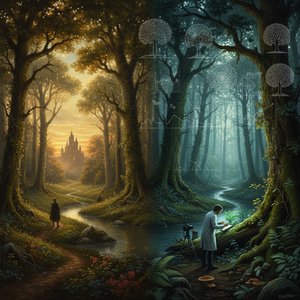 The Enchanted Canopy: Exploring Forests in Art History – From Romantic Idealization to Ecological ConsciousnessExplore the rich history of forests in art! Discover Romantic masterpieces by Friedrich & Monet, Symbolist depths, and contemporary visions…