

 معاينة الحجم الواقعي
 إرسال
إرسال مشاركة
 عرض التفاصيل
 دليل الأعمال الفنية للطلاب

 تحميل
تحميل
 قطع مشابهة
 الأشعة السينية
 عرض شرائح متتابع
 الإحصائيات
Sin título


 اقرأ المزيد
إن العمل الفني المعروض في هذه الصفحة محمي بموجب قوانين حقوق الطبع والنشر، مما يعني أنه لا يحق لنا قانوناً إنشاء أو بيع نسخ مطابقة له. وتُطبق هذه الحماية بموجب الاتفاقيات الدولية مثل الـ اتفاقية برن ووفقاً للقوانين الوطنية، بما في ذلك تلك المنصوص عليها في قانون حقوق الطبع والنشر في الولايات المتحدة - الباب 17.
تتوافق هذه الطريقة تماماً مع لوائح حقوق النشر لأنها لا تتضمن نسخ أو تكرار العمل الفني المحمي، بل هي إعادة تفسير إبداعية؛ أي أنها لوحة جديدة مستوحاة من الأصل ولكنها ليست مطابقة له.
طباعة جيلي / مطبوعات فنية
طباعة جيكلي أو كانفاس بجودة المتاحف، مع سرعة في التنفيذ وخيارات متنوعة للتشطيب. ( اطلب نسخة مرسومة يدويًا التحويل إلى الصورة الرقمية)




P118B E£10

P118H E£10

P118W E£10

P438Z E£10

P508JH E£12

P508YH E£12

P805H E£10

P805Z E£10

P919BZ E£10

P919G E£10

P919XJ E£10

P959ZH E£10

P968JZ E£12

W106C E£8

W218G E£10

W218JH E£8

W218Y E£10

W307PJ E£10

W316G E£10

W316PJ E£8

W316Y E£10

W398PJ E£8

W4111J E£10

W500HY E£15

W500JH E£15

W692G E£12

W849H E£8

W940BG E£15

W953PJ E£8




اختر من بين أحجامنا المُعدّة مسبقاً والتي تتوافق مع النسب الأصلية للعمل الفني.

أدخل العرض والارتفاع اللذين تحتاجهما، ليتناسب مع إطارك أو جدارك. يمكن قص المطبوعة فقط، ولا يمكن أبداً جعلها أكبر من الصورة الأصلية، لذا فإن أي مقاس بشكل مختلف سيؤدي إلى فقدان جزء من الصورة. سنرسل لك نموذجاً رقمياً تجريبياً لاعتماده قبل البدء في عملية الطباعة. الصورة المعروضة في هذه الصفحة لا توضح القص الفعلي — النموذج التجريبي فقط هو ما يظهر ذلك.
توصيل عالمي إلى خلال أسبوعين بدلاً من المدة القياسية البالغة 4/5 أسابيع. (24 أكتوبر)

شحن سريع ومجاني لجميع أنحاء العالم

قماش كتان فاخر

تأمين شامل على الشحن

ضمان استرداد الرسوم الجمركية

ضمان دقة مطابقة الألوان

سياسة الإرجاع خلال 100 يوم (في حالات العيوب فقط)

ضمان استرداد نقدي بنسبة 100%

عرض خصم الكميات
 خيار الزجاج متاح فقط للمقاسات التي تقل عن 110 سم

Sin título
طباعة جيلي / مطبوعات فنية
مقاس النسخة المطبوعة
-


إجمالي السعر
E£ 4136
A Descent into the Unconscious: Examining Max Ernst’s “Sin título”
Max Ernst's "Sin título" (Untitled) isn’t merely a black and white etching; it’s an invitation to a psychological landscape, a confrontation with primal fears rendered in stark, unsettling detail. The artwork immediately commands attention through its dynamic composition – a wrestling match between a man and a colossal serpent dominates the frame, interwoven with a ghostly cameo of Mona Lisa that subtly complicates the narrative. Ernst, a pivotal figure in both Dada and Surrealism, masterfully employs a technique reminiscent of engraving or etching, creating an extraordinary contrast between light and shadow, sharp lines, and a flattened perspective that contributes to the work’s dreamlike quality. This isn't simply a depiction of physical struggle; it’s a visual representation of internal conflict, a battle waged within the depths of the human psyche.
The choice of materials – likely etched onto a metal plate and subsequently printed – speaks volumes about Ernst’s artistic process. The rigid linearity of the linework, while creating a graphic appearance, also suggests an underlying tension, mirroring the struggle depicted on the surface. The deliberate lack of shading or realistic depth further enhances this sense of unease, pushing the scene into the realm of symbolism and allegory. It's crucial to note that Ernst was deeply interested in exploring the subconscious, and “Sin título” is a prime example of his ability to translate complex psychological themes into visual form.
The Symbolism of Serpent and Woman: Echoes of Mythology and Art History
The serpent itself is a potent symbol throughout history – representing temptation, chaos, knowledge, and the cyclical nature of life. Here, it’s not merely a beast but an embodiment of primal urges, a force resisting control. The man wrestling with it embodies humanity's struggle against these darker aspects of its own being. Interestingly, positioned within this chaotic scene is a subtle yet significant detail: the inclusion of Mona Lisa. This iconic portrait, instantly recognizable and imbued with an aura of serene beauty, acts as a counterpoint to the turmoil unfolding before us. Some art historians interpret this juxtaposition as representing the eternal conflict between reason and emotion, or perhaps the allure of the unattainable – a reminder that even in moments of intense struggle, there exists a lingering sense of beauty and detachment.
The tower-like structure in the background adds another layer to the symbolism. Towers often represent ambition, power, and reaching for the heavens—but here, it feels somewhat ominous, perhaps suggesting an unattainable goal or a precarious position within this internal struggle. The overall composition suggests a descent into the unconscious, a confrontation with fundamental human dilemmas.
Ernst’s Methodologies: Frottage and the Surrealist Approach
Understanding Max Ernst's artistic methods is key to appreciating “Sin título.” He was a pioneer of techniques like *frottage* – rubbing a pencil over textured surfaces to create unexpected images – and *grattage*, scraping paint across canvas to reveal hidden patterns. These processes were designed to bypass conscious control, tapping into the subconscious mind and generating surprising visual results. This approach is clearly evident in “Sin título,” where the deliberate use of line work and the seemingly random arrangement of elements contribute to a sense of controlled chaos. Ernst wasn’t simply painting what he *saw*; he was actively seeking to access and translate the hidden realities of his inner world.
The artwork's stark black and white palette further emphasizes this exploration of the subconscious. It strips away any distractions, forcing the viewer to confront the raw emotion and psychological intensity of the scene. It’s a testament to Ernst’s skill that he can create such a powerful and unsettling image using such a limited range of tones.
A Reproduction for the Collector: Bringing “Sin título” into Your Space
OriginalUniqueArt offers meticulously hand-painted reproductions of Max Ernst's "Sin título," capturing the essence of this iconic work with unparalleled detail and fidelity. Our artists replicate Ernst’s distinctive linework, creating a stunning visual experience that faithfully reproduces the artwork’s unsettling atmosphere and symbolic depth. Whether you are an art collector seeking to expand your Surrealist collection or simply looking for a unique piece of art to enhance your interior design, our reproduction provides a beautiful and authentic representation of this seminal work. The high-quality materials used ensure that the reproduction will last for generations, preserving the power and mystery of Ernst’s vision. Explore our options today and bring this captivating image into your world.
الأسئلة والأجوبة
من الذي أبدع "Sin título"؟
يُنسب العمل "Sin título" إلى ماكس إرنست.
أين تقع لوحة "Sin título" ضمن الموضوعات المتكررة لدى ماكس إرنست؟
من بين الثيمات المسجلة لـ ماكس إرنست - وهي dada & surrealist echoes, mythic confrontation, psychological tension, humanity's dark side, symbolic allusion, ernst's dreamscapes", exploring the unconscious", recurring serpent motif - يركز عمل "Sin título" بشكل خاص على serpent symbolism, mona lisa echoes, dreamlike struggle, duality of man, surreal landscape, mythological art, black and white drama.
ما نوع العمل الفني "Sin título"؟
في الكتالوج، تم تصنيف "Sin título" للفنان ماكس إرنست كـ WallArt. وتساعد هذه الفئة في العثور على أعمال مماثلة.
نبذة عن الفنان
نشأة ماكس إرنست: من بروهل إلى عالم الأحلام
ولد ماكس إرنست في الأول من أبريل عام 1891، في بلدة بروهل الصغيرة الواقعة بالقرب من كولونيا بألمانيا. كانت طفولة إرنست تتسم بالصراع بين الانضباط الصارم الذي فرضه والده، وهو معلم للصم وهواة الرسم، وبين شغفه المتزايد بالفن والتعبير عن الذات. هذه الثنائية المبكرة شكلت جوهر رؤيته الفنية اللاحقة، حيث سعى باستمرار إلى تحدي السلطة التقليدية واستكشاف أعماق النفس البشرية. دراسته في جامعة بون، التي شملت الفلسفة وتاريخ الفن والأدب وعلم النفس والطب النفسي، لم تكن مجرد مسار أكاديمي بل كانت بمثابة حجر الزاوية في فهمه للعالم وتأثيراته على فنه. لقد كان يسعى ليس فقط إلى تعلم كيفية الرسم، بل إلى فهم *لماذا* يرسم.
في عام 1912، شهد إرنست تحولاً جوهريًا في مسيرته الفنية من خلال زيارته لمعرض "سوندربوند" في كولونيا. أمام أعمال بيكاسو وفان جوخ وغوغان، أدرك إرنست قوة التعبير الفني الحديث، وبدأ رحلته نحو تجديد مفهوم الفن نفسه. هذه اللحظة كانت بمثابة الشرارة التي أشعلت ثورة فنية في داخله.
دَادَا والسريالية: تحطيم القواعد واستكشاف اللاوعي
أحدث الحرب العالمية الأولى صدمة عميقة في حياة إرنست، حيث شهد بنفسه الأهوال والفظائع التي خلفتها. هذه التجربة المريرة دفعته إلى الانضمام إلى حركة الدَادَا بعد عودته إلى كولونيا عام 1918. مع هانز آرب وغيره من الفنانين، سعى إرنست إلى تفكيك كل ما هو تقليدي ومؤسس، واحتضان العبثية والص偶然 والمنطق السلبي. كانت الدَادَا بالنسبة له وسيلة للتعبير عن رفضه للحرب والمجتمع الذي أدى إليها.
لكن الدَادَا لم تكن سوى نقطة انطلاق. سرعان ما انتقل إرنست إلى باريس، حيث انخرط في حركة السريالية التي قادها أندريه بريتون. هنا، وجد أرضًا خصبة لاستكشاف عالم الأحلام واللاوعي، مستوحياً من نظريات سيغموند فرويد النفسية. لم يكن إرنست يسعى إلى تصوير الواقع كما يبدو، بل إلى الكشف عن القوى النفسية الخفية التي تشكله.
تقنيات رائدة: الفروتاج والجرتاج والكولاج
الفروتاج (Frottage) هي واحدة من أكثر التقنيات المبتكرة التي قدمها إرنست للعالم الفني. تعتمد هذه التقنية على فرك قلم الرصاص أو الفحم على أسطح ذات ملمس، مما ينتج عنه صور غير متوقعة وغامضة. لقد اكتشف إرنست هذه التقنية بالصدفة أثناء ملاحظة حبيبات الخشب، وأدرك أنها تتيح له الوصول إلى اللاوعي وتوليد أشكال تتجاوز السيطرة الواعية. تقنية الجرتاج(Grattage) هي تقنية مماثلة تعتمد على كشط الطلاء عبر القماش للكشف عن الطبقات الكامنة تحته.
كما أتقن إرنست استخدام الكولاج، حيث يجمع عناصر متباينة – صور من المجلات والرسوم التوضيحية العلمية والصور الفوتوغرافية – في تركيبات سريالية تتحدى المفاهيم التقليدية للتمثيل. لم تكن هذه التقنيات مجرد خيارات أسلوبية، بل كانت جزءًا لا يتجزأ من استكشافه اللاوعي ورغبته في كسر الحواجز الفنية التقليدية. غالبًا ما تتميز لوحاته بصور رمزية متكررة: الطيور (وخاصةً شخصيته البديلة لوبلوب) والمناظر الطبيعية المهجورة والتراكيب غير المريحة وإحساس عام بالغموض.
إرث الابتكار والتأثير
أدت الحرب العالمية الثانية إلى اضطراره إلى الفرار من أوروبا، حيث وجد ملاذاً في الولايات المتحدة. استمر إرنست في الرسم والتجريب بتقنيات جديدة خلال منفاه، وعاد لاحقًا إلى فرنسا حيث بقي نشطًا حتى وفاته في الأول من أبريل عام 1976 في باريس. تأثيره على الأجيال اللاحقة من الفنانين لا يضاهى.
كانت مساهمة ماكس إرنست في الدَادَا والسريالية بمثابة ثورة حقيقية. لقد تحدى الأعراف الفنية، وعمق في أعماق النفس البشرية، واختراع تقنيات مبتكرة لا تزال تلهم الفنانين حتى اليوم. لم يكن مجرد رسام، بل كان مستكشفًا ومثيرًا للجدل ورائدًا وسّع حدود الفن نفسه. إن أعماله تظل شهادة على قوة الخيال وجاذبية العقلانية الدائمة والسعي لفهم تعقيدات النفس البشرية.
- أعمال رئيسية: المدينة بأكملها، يوكلييدس، لا أحد من هؤلاء الرجال سيعرف، الغابة والحمامة
- تأثيرات: بابلو بيكاسو، فنسنت فان جوخ، بول غوغان، سيغموند فرويد، جورجيو دي شيريكو
- الحركات الفنية: الدَادَا، السريالية
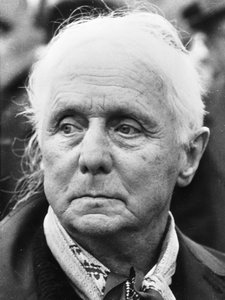
ماكس إرنست
1891 - 1976 , ألمانيا
لمحة سريعة
- الأعمال البارزة:
- المدينة بأكملها
- يوقليدس
- عن هذا لن يعرف أحد
- الغابة والحمام
- الاسم الكامل: ماكس إرنست
- الجنسية: ألماني أمريكي، فرنسي
- الحركات أو الفنانون المتأثرون:
- السريالية
- دادة
- الحركة الفنية: دادة وسريالية
- الفنانون المؤثرون:
- بابلو بيكاسو
- فنسنت فان جوخ
- بول غوغان
- جورجيو دي كيرتشو
- تاريخ الميلاد: 1 أبريل 1891
- مكان الميلاد: برول، ألمانيا
مقالات ذات صلة

Dark Masterpieces: 10 Iconic Paintings Dominated by Black Tones |
Explore 10 iconic paintings dominated by black tones, from Rembrandt’s chiaroscuro to Goya's dark expressions. Discover the stories behind these masterpieces & find museum-quality art reproductions for your home at .

Monochrome Edge: The Ultimate Design Flex—Level Up Your Space with Bold Black & White Art
Master the monochrome aesthetic with high-impact Black & White art from OriginalUniqueArt.com. From custom hand-painted oils to iconic pop culture remixes, discover the ultimate design flex for your urban space. Elevate your decor with bold, premium, and timeless monochrome masterpieces.
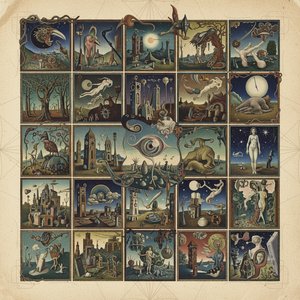
أعمال ماكس إرنست الخالدة: 25 تحفة فنية تزين منزلك بجمال السريالية
اكتشف 25 تحفة فنية لماكس إرنست، رائد السريالية! استكشف قصص لوحاته المذهلة وتقنياته الفريدة. أضف لمسة من الفن الحديث والألوان الزيتية إلى ديكور منزلك مع OriginalUniqueArt.com. تسوق الآن!

Monochrome Visions: Exploring the Aesthetic & Historical Significance of Black & White Photography
Explore the rich history & artistic power of black and white photography. From early techniques to iconic masters like Ansel Adams, discover why monochrome continues to captivate art lovers today. Expert insights for collectors.

White on Canvas: 10 Masterpieces & Timeless Elegance for Your Home Decor
Explore 10 iconic white paintings by Monet, Whistler & Rothko! Discover the stories behind these serene masterpieces and their impact on art history. Find museum-quality reproductions for your home decor at .


