
 معاينة الحجم الواقعي
 مشاركة
 مشاركة
 التفاصيل
 دليل
دليل

 تحميل الملف
 قطع مشابهة
 الأشعة السينية
 عرض شرائح
 الأسئلة والأجوبة
 الإحصائيات
Day and Night

- 112.0 x 146.0 cm


 عرض المزيد
إن العمل الفني المعروض في هذه الصفحة محمي بموجب قوانين حقوق الطبع والنشر، مما يعني أنه لا يحق لنا قانوناً إنشاء أو بيع نسخ مطابقة له. وتُطبق هذه الحماية بموجب الاتفاقيات الدولية مثل الـ اتفاقية برن ووفقاً للقوانين الوطنية، بما في ذلك تلك المنصوص عليها في قانون حقوق الطبع والنشر في الولايات المتحدة - الباب 17.
تتوافق هذه الطريقة تماماً مع لوائح حقوق النشر لأنها لا تتضمن نسخ أو تكرار العمل الفني المحمي، بل هي إعادة تفسير إبداعية؛ أي أنها لوحة جديدة مستوحاة من الأصل ولكنها ليست مطابقة له.
طباعة جيلي / مطبوعات فنية
طباعة جيكلي أو كانفاس بجودة المتاحف، مع سرعة في التنفيذ وخيارات متنوعة للتشطيب. ( شراء لوحة مرسومة يدويًا الانتقال إلى الصورة الرقمية)




P118B E£10

P118H E£10

P118W E£10

P438Z E£10

P508JH E£12

P508YH E£12

P805H E£10

P805Z E£10

P919BZ E£10

P919G E£10

P919XJ E£10

P959ZH E£10

P968JZ E£12

W106C E£8

W218G E£10

W218JH E£8

W218Y E£10

W307PJ E£10

W316G E£10

W316PJ E£8

W316Y E£10

W398PJ E£8

W4111J E£10

W500HY E£15

W500JH E£15

W692G E£12

W849H E£8

W940BG E£15

W953PJ E£8




اختر من بين أحجامنا المُعدّة مسبقاً والتي تتوافق مع النسب الأصلية للعمل الفني.

أدخل العرض والارتفاع المطلوبين ليتناسب المقاس مع إطارك أو جدارك. يرجى الملاحظة أن المطبوعة يمكن قصها فقط ولا يمكن تكبيرها لتتجاوز أبعاد الصورة الأصلية، لذا فإن اختيار مقاس بأبعاد مختلفة سيؤدي إلى فقدان جزء من الصورة. سنرسل لك نموذجاً رقمياً تجريبياً لاعتماده قبل البدء في عملية الطباعة. الصورة المعروضة في هذه الصفحة لا توضح شكل القص الفعلي — النموذج التجريبي فقط هو ما يظهر ذلك بدقة.
توصيل عالمي إلى خلال أسبوعين بدلاً من المدة القياسية البالغة 4/5 أسابيع. (10 نوفمبر)

شحن سريع ومجاني لجميع أنحاء العالم

قماش كتان عالي الجودة

تأمين شامل على الشحن

ضمان استرداد الرسوم الجمركية

ضمان مطابقة الألوان الحقيقية

سياسة الإرجاع خلال 100 يوم (في حالات العيوب فقط)

ضمان استرداد نقدي بنسبة 100%

خصم عند طلب كميات
 خيار الزجاج متاح فقط للمقاسات التي تقل عن 110 سم

Day and Night
طباعة جيلي / مطبوعات فنية
مقاس النسخة المطبوعة
-


إجمالي السعر النهائي
E£ 4265
The Enigmatic Landscape of Dreams: Unpacking “Day and Night”
Max Ernst’s “Day and Night,” painted in 1941, isn't merely a depiction of opposing forces; it’s an immersive descent into the subconscious. This oil-on-canvas work, measuring a substantial 112 x 146 cm, immediately captivates with its layered complexity – a deliberate orchestration of fragmented images, embedded paintings, and scattered sculptures that defy easy interpretation. Ernst, a pivotal figure in both Dada and Surrealism, masterfully employs his signature technique to challenge the viewer’s perception, inviting us into a world where logic dissolves and dreams take precedence. The painting isn't about representing reality; it’s about evoking a feeling – a potent blend of mystery, disorientation, and profound psychological depth.
The initial impact is one of controlled chaos. Rectangular frames, reminiscent of picture windows or portals, dominate the composition, each containing miniature scenes that seem to bleed into one another. These aren’t static snapshots; they're glimpses of fleeting moments, distorted landscapes, and abstract textures. The deliberate use of repetition – the recurring presence of these framed images – creates a hypnotic effect, drawing the eye deeper into the painting’s intricate web. Notice how some frames seem to be looking out at us, while others are lost within their own contained worlds, suggesting an exploration of both introspection and external observation.
Surrealist Techniques: A Symphony of Disparate Elements
Ernst's genius lies in his ability to seamlessly blend seemingly incompatible elements. “Day and Night” is a prime example of his mastery of Surrealist techniques, particularly the incorporation of frottage – a method he pioneered involving rubbing textured materials onto paper to create random patterns – and decalcomania, where paint is transferred from one surface to another under pressure. These processes deliberately introduce chance and spontaneity into the creative process, liberating the artist from conscious control and allowing subconscious associations to emerge. The inclusion of sculptures further amplifies this effect; they aren’t simply decorative additions but integral components of the painting's narrative, adding a tactile dimension to the visual experience.
Consider the interplay of light and shadow within the framed images. Some scenes are bathed in an almost ethereal glow, suggesting twilight or dawn, while others are shrouded in darkness, hinting at the mysteries of night. This duality is not merely aesthetic; it reflects Ernst’s broader exploration of opposing forces – day versus night, consciousness versus unconsciousness, order versus chaos. The careful manipulation of color—primarily dark blues and browns punctuated by flashes of vibrant hues within the framed images—contributes significantly to this evocative atmosphere.
Historical Context & Symbolic Resonance
“Day and Night” was created during a period of immense social and artistic upheaval – the early 1940s, amidst the turmoil of World War II. Surrealism, as a movement, offered an escape from the horrors of reality by delving into the realm of dreams and the subconscious. Ernst’s work aligns perfectly with this ethos, providing a visual language for exploring anxieties, fears, and desires that lie beneath the surface of everyday life. The inclusion of embedded paintings within the larger composition can be interpreted as a commentary on art itself – questioning its ability to accurately represent reality or offering alternative pathways to understanding.
Furthermore, the painting’s symbolism is rich and layered. The scattered sculptures could represent fragments of memory, lost identities, or the remnants of shattered dreams. The overall composition suggests a journey through an internal landscape—a quest for meaning in a world seemingly devoid of order. It's a testament to Ernst's ability to distill complex psychological themes into a single, powerfully evocative image.
Bringing “Day and Night” Home: A Reproduction Worth Cherishing
OriginalUniqueArt offers meticulously crafted hand-painted reproductions of Max Ernst’s “Day and Night,” allowing you to bring this extraordinary artwork into your own space. Our skilled artists replicate Ernst's intricate techniques with the utmost care, ensuring that every detail—from the subtle textures to the nuanced color palette—is faithfully reproduced. Whether adorning a gallery wall or serving as a focal point in a living room, this reproduction will serve as a constant source of contemplation and inspiration. Explore our high-resolution images and select the size and canvas material that best suits your vision. Discover more about “Day and Night” on OriginalUniqueArt.
الأسئلة والأجوبة
ما مدى قوة الألوان في "Day and Night" للفنان ماكس إرنست؟
تتميز لوحة "Day and Night" للفنان ماكس إرنست بكثافة لونية Monochromatic.
هل يتوفر عرض شرائح لـ "Day and Night" للفنان ماكس إرنست؟
يمكن مشاهدة العرض المتتابع لـ "Day and Night" في صفحة عرض شرائح الخاصة بالعمل الفني.
ما هو اتجاه لوحة "Day and Night" للفنان ماكس إرنست؟
تأتي لوحة "Day and Night" للفنان ماكس إرنست بتنسيق Landscape، وهو التنسيق الذي يحدد أبعاد التكوين الفني.
السيرة الذاتية للفنان
نشأة ماكس إرنست وجذوره الأولى
أطلّ ماكس إرنست على هذا العالم في الثاني من أبريل عام 1891، في بلدة بروهل بألمانيا. نشأ في كنف عائلة كاثوليكية من الطبقة المتوسطة، حيث كان الابن الثالث من بين تسعة أطفال. وقد تشكلت ملامح طفولته تحت تأثير الأجواء الهادئة والمنضبطة التي سادت منزله، حيث كان والده، فيليب، يعمل معلماً للصم. لم يكن فيليب مجرد معلم، بل كان رساماً هاوياً، ومن خلاله، لامست أنامل الصغير أدوات الفن وممارساته لأول مرة.
ومع حلول عام 1909، وبينما كان طالباً في جامعة بون، بدأ ماكس إرنست رحلته في عالم الرسم. اتسمت هذه الفترة المبكرة من حياته بشغف متنامٍ بالعالم المرئي، رغم أن مساره الفني سيتوسع لاحقاً ليتجاوز حدود اللوحة التقليدية بكثير. لقد أصبح فناناً متعدد الوسائط، حيث برع كرسام، ونحات، وفنان طباعة، وفنان جرافيك، وشاعر. لم تكن سنواته الأولى مجرد بحث عن اتجاه فني واحد، بل كانت تجسيداً لفضول جامح وتساؤلات لا تهدأ حول كيفية تمثيل العالم وتصوير أغوار العقل البشري.
المساعي الأكاديمية والمؤثرات الفنية المبكرة
تشكل مسار ماكس إرنست نحو الفن من خلال فضول عميق تجاه العقل البشري وبنى التفكير. فخلال فترة دراسته في جامعة بون، لم ينصب تركيزه على الفرشاة واللوحة فحسب، بل قضى وقته في دراسة الفلسفة، وتاريخ الفن، والأدب، وعلم النفس، والطب النفسي. وقد منحت هذه التخصصات إياه إطاراً لفهم العالم يتجاوز بمراحل مجرد الجماليات البسيطة؛ إذ كان مهتماً بالأسباب الجوهرية للوجود، ساعياً لفهم آليات النفس البشرية وتاريخ التعبير الإنساني. هذا الأساس الفكري هو ما سمح له لاحقاً بتجاوز حدود التمثيل التقليدي، والغوص في استكشاف الطبقات الأكثر خفاءً وغير عقلانية في التجربة الإنسانية.
تميزت سنواته الأولى بتواصل متنامٍ مع المجتمع الفني في ألمانيا، حيث أصبح في عام 1911 جزءاً من مجموعة "تعبيريي الراين" (Die Rheinischen Expressionisten). كانت تلك المرحلة من حياته تجسيداً للبحث عن لغة بصرية جديدة، وقد حدثت نقطة التحول الجوهرية في عام 1912 عندما زار معرض "سوندربوند" في كولونيا. إن رؤية أعمال بابلو بيكاسو، وفينسنت فان جوخ، وبول غوغان قد غيرت منظوره الفني تماماً؛ فقد قدم له هؤلاء الفنانون سبيلاً للتحرر من القواعد الراسخة، ووجد نفسه منجذباً نحو أساليبهم، مما ساعده على اتخاذ مسار نحو التجريب الراديكالي الذي سيحدد ملامح مسيرته الفنية بأكملها.
أثر الحرب العالمية الأولى
لقد أحدث اندلاع الحرب العظمى شرخاً جوهرياً في مسار حياة ماكس إرنست؛ حيث تم تجنيده للخدمة العسكرية، ليقضي أربع سنوات جندياً في الخطوط الأمامية. ومن خلال خدمته كمدفعي، واجه الحقائق الوحشية لكل من الجبهتين الشرقية والغربية. لم تكن هذه التجربة مجرد انقطاع عابر لدراسته، بل كانت صدمة نفسية عميقة، إذ تركت الفوضى والدمار الذي عاينه أثراً غائراً في نفسه، مما ولد لديه شكوكاً دائمة تجاه العالم الحديث ونظامه القائم.
كانت صدمة هذا الصراع مطلقة لدرجة أنها بدت وكأنها تمحو ذاته القديمة؛ ففي سيرته الذاتية، كتب عن هذا الموت الداخلي بوضوح مذهل، مشيراً إلى أن ماكس إرنست قد مات في الأول من أغسطس عام 1914. إن هذا الشعور بالفقد وما تلاه من خيبة أمل، هو ما دفعه في نهاية المطاف نحو التعبيرات الراديكالية والمناهضة للعقلانية التي ميزت الحركات الفنية التي تلت تلك الحقبة.
الدادية ومجموعة كولونيا
تركت فوضى الحرب العظمى لدى ماكس إرنست شكوكاً عميقة تجاه هياكل العالم الحديث؛ وبحلول عام 1919، وجد هذا الخيبة صوتاً لها في مدينة كولونيا، حيث تضافرت جهوده مع هانز آرب ويوهانس ثيودور بارغيلد لتأسيس مجموعة "كولونيا دادا". كانت تلك حقبة من الإبداع المكثف والقلق، حيث ساهم جنباً إلى جنب مع رفاقه الجدد في إطلاق مجلات قصيرة العمر مثل Der Strom و die Schammade، مستخدماً الكلمة المطبوعة لكسر القيود المفروضة على ماهية الفن. لقد كان زمناً من التحولات الجذرية، سواء في نتاجه الإبداعي أو في حياته الخاصة، إذ تزوج في عام 1919 من لويز ستراوس، طالبة تاريخ الفن.
وخلال تلك السنوات، بدأ ماكس إرنست يبتعد عن الرسم التقليدي، باحثاً عن لغة جديدة في فن التجميع. فقد أنتج أولى أعمال الكولاج الخاصة به في عام 1919، حيث عمل على قطع من الصور ليخلق شيئاً مختلفاً تماماً عن أجزائه الأصلية. ومن الأمثلة البارزة في تلك الفترة عمله Fiat modes، وهو ملف من المطبوعات الحجرية التي أظهرت اهتمامه المتزايد بهذه التكوينات المجزأة. لم تكن هذه التجارب مجرد خيارات أسلوبية، بل كانت وسيلة للإبحار في عالم لم يعد يشعر بأنه متماسك أو عقلاني.
حركة السريالية في باريس
بحلول عام 1922، وجدت الطاقة المتدفقة التي غذت سنواته الدادائية موطناً جديداً عندما انتقل ماكس إرنست إلى فرنسا. استقر في الأوساط الفكرية في باريس، حيث وجد شعوراً بالانتماء بين السرياليين. أصبح جزءاً من مجموعة متماسكة يقودها أندريه بريتون، وهي دائرة فنية سعت إلى رسم خرائط للمناطق الغريبة وغير المكتشفة في العقل البشري. كانت تلك حقبة من التعاون المكثف والهدف المشترك، حيث كانت حدود ما يمكن للفن تمثيله تُدفع نحو عالم الأحلام واللاوعي.
تميز وجوده في هذه الدائرة بانخراط عميق في الكلمة المكتوبة والصورة البصرية على حد سواء؛ فقد تعاون مع بول إيلوار في مجلة Littérature، وهو المشروع الذي ساعد في تحديد مدى انتشار الحركة وتأثيرها. اتسمت هذه السنوات بالبحث المستمر عن طرق جديدة لتجسيد ما هو غير عقلاني بصرياً. وفي عام 1924، حملته رغبته في الاستكشاف بعيداً عن شوارع باريس عندما سافر إلى الهند الصينية، وهي تجربة أضافت طبقات جديدة إلى رؤيته المتسعة للعالم.
- أوديب ملك
- سيليبس
تقنيات رائدة وأساليب فنية مبتكرة
كان ماكس إرنست مجرباً لا يهدأ، يسعى دوماً لتجاوز قيود العقل الواعي وسيطرته. لقد وجد إلهامه في تفاصيل الصدفة والعفوية، مما دفعه لابتكار تقنية الفروتاج (Frottage)، وهي طريقة يضع فيها الورق فوق أسطح ذات ملمس خشن ثم يفركها بقلم الرصاص أو الفحم. هذا الفعل البسيط من الحك والفرك كان يسمح لأشكال غير متوقعة بالانبثاق من عروق الخشب أو نتوءات الأوراق، وكأنها كائنات تولد من رحم المادة. ولم يتوقف عند هذا الحد، بل طور فكرته عبر تقنية الجرتاج (Grattage)، حيث يقوم بكشط الطلاء فوق القماش للكشف عن الأنسجة والملامح الكامنة للأشياء الموضوعة تحته، مما أتاح له خلق مناظر طبيعية تبدو عضوية وغريبة في آن واحد.
كما قاد شغفه باللامنطق نحو تقنية الديكالكومانيا (Decalcomania)؛ فمن خلال ضغط الطلاء من سطح إلى آخر، استطاع تحقيق تشوهات حالمة وتأثيرات طبقية تبدو وكأنها طفت للسطح من أعماق حلم بعيد. ولم يكن مجرد رسام، بل كان سيداً في فن الكولاج، حيث كان يجمع بعناية عناصر متباينة — مثل الرسوم التوضيحية العلمية أو قصاصات المجلات — ليصيغ منها تكوينات فنية تتحدى إدراكنا التقليدي للواقع. لم يكن ماكس إرنست يكتفي برسم مشهد ما، بل كان يبني عالمه من شظايا العالم المحيط به.
- الفيل سيليبس (1921)
- أوروبا بعد المطر 2 (1942)
- تزيين العروس (1940)
رمزية الطيور و"لوبلوب"
رافقت ماكس إرنست هواجس شخصية غريبة تجاه الطيور طوال حياته؛ لم يكن الأمر مجرد اهتمام بالطبيعة، بل كان انشغالاً عميقاً الجذور انبثق من ذكرى من طفولته. فقد استرجع لحظة وفاة طائره الأليف المفضل في الوقت ذاته الذي ولدت فيه أخته الصغرى، ويبدو أن هذه المصادفة قد صهرت فكرة الحياة والموت في عقله، محولةً الطيور إلى رموز تحمل في طياتها النذير والغموض معاً. لقد نظر إليها غالباً ككائنات قادرة على جسر الهوة بين التجربة الإنسانية وعالم الماورائيات.
هذا الشغف اتخذ في نهاية المطاف شكلاً مادياً، بل ونفسياً، من خلال تجسيد "أنا" بديلة (Alter Ego) ذات طابع فرويدي تشبه الطيور، أطلق عليها اسم "لوبلوب". لم تكن هذه الشخصية مجرد نمط فني متكرر، بل كانت دليلاً يجوب تضاريس عقله. ظهر "لوبلوب" لأول مرة بشكل رسمي في روايته الكولاجية عام 1929، La Femme 100 Têtes؛ حيث لعب الطائر دور الراوي، يقود القارئ عبر سلسلة من الصور المجمعة والواقع المتشظي. ومن خلال "لوبلوب"، وجد ماكس إرنست وسيلة لتجسيد الدوافع غير العقلانية للاوعي، مانحاً وجهاً — أو منقاراً — لتلك الأجزاء من ذاته التي تتحدى المنطق.
- Forest and Dove
المنفى والحياة في الولايات المتحدة
امتدت ظلال الحرب العالمية الثانية لتطال حتى ملاذ الفنان في فرنسا. ففي عام 1938، انقلب المناخ السياسي ضده بشكل حاد، ليجد نفسه محتجزاً في معسكر "كامب دي ميل" بالقرب من مدينة إكس أون بروفانس. كانت فترة الاحتجاز هذه عبئاً ثقيلاً على روحه، خاصة وأن النظام النازي قد صنفه كأجنبي غير مرغوب فيه. ومع اشتداد وطيس الحرب، تزايدت حالة عدم اليقين التي تحيط بوضعه، مما أجبره على اتخاذ قرار مرير بترك الحياة التي بناها في أوروبا خلف ظهره.
انفتح له طريق نحو الأمان بفضل مساعدة بيجي غوغنهايم، حيث فر في عام 1941 إلى نيويورك، ليصل إلى مدينة بدأت تتحول إلى ملاذ للكثير من معاصريه. لم تكن هذه الخطوة مجرد تغيير في المشهد المكاني، بل كانت اقتلاعاً كاملاً من الجذور؛ حيث تزوج من غوغنهايم في عام 1942، ليجدا في بعضهما البعض نوعاً من الاستقرار وسط فوضى ذلك العصر. وخلال إقامته في الولايات المتحدة، استمر ماكس إرنست في تجاربه الفنية، باحثاً عن طرق جديدة لترجمة ملامح اللاوعي وأنساقه على سطح اللوحة.
- Napoleón en el desierto (1941)
- Day and Night (1941)
- Europe after the Rain II (1942)
السنوات الأخيرة والأعمال الختامية
بعد سنوات من العيش في الولايات المتحدة، عاد ماكس إرنست إلى باريس في عام 1953، لتمثل هذه العودة مرحلة من التقدير البالغ لتجاربه التي استمرت مدى الحياة. وفي عام 1954، تُوجت مسيرته بالحصول على الجائزة الكبرى للرسم في دوسي فينيسيا (بينالي البندقية) في دورته السابعة والعشرين. وظل حضوره في عالم الفن راسخاً ومؤثراً، حيث استمر في استكشاف آفاق وسائط فنية جديدة حتى في سنواته الأخيرة.
لطالما قادته رغبته الجامحة في الاستكشاف نحو مواد تجمع بين الهشاشة والخلود في آن واحد؛ ففي عام 1966، أبدع لعبة شطرنج زجاجية أطلق عليها اسم Immortel. وقد عكس هذا العمل قدرته الفائقة على استحضار السحر من الخصائص المادية للأشياء، تماماً كما فعل حين قضى عقوداً في كشف الأسرار الكامنة عبر تقنيات الحك والكشط. وهكذا، ظل ماكس إرنست منغمساً في شغفه الإبداعي حتى وافته المنية في باريس في الأول من أبريل عام 1976.
أين يمكن مشاهدة أعماله اليوم
إن البحث عن آثار خيال ماكس إرنست الجامح يتطلب رحلة عبر عدة مراكز ثقافية كبرى. ففي فينيسيا، تضم مجموعة بيجي غوغنهايم قطعاً فنية تعكس ارتباطه العميق بدوائر السريالية. كما يبرز حضوره في أروقة متحف المتروبوليتان للفن، حيث تُحفظ تجاربه مع الملمس والشكل لتكون متاحة للباحثين في تحولات أوائل القرن العشرين.
ويمكن للمسافرين أيضاً مواجهة أعماله في إدنبرة، وتحديداً في المعارض الوطنية في اسكتلندا، حيث تمنح المجموعة الفنية هناك فرصة لرؤية رؤيته الفنية عن كثب. كما توجد مقتنيات هامة أخرى في معرض شتوتغارت الحكومي ومتحف تل أبيب للفن، مما يضمن بقاء تأثيره متاحاً عبر قارات مختلفة. إن هذه المؤسسات تحافظ على إرثه المادي حياً، وتسمح لنا برؤية الأسطح الحقيقية التي كشطها وفركها ليجد صوره وتكويناته.
- المدينة بأكملها (حوالي عام 1936)
- أوروبا بعد المطر 2 (1942)
- تزيين العروس (1940)
- أوديب ملك (1922)
- الفيل سيلابيس (1921)
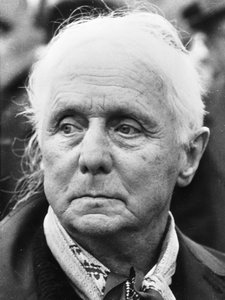
ماكس إرنست
1891 - 1976 , ألمانيا
حقائق سريعة
- Artistic Movement Or Style:
- الدادائية
- السريالية
- Artists Or Movements Influenced By This Artist: ['السريالية']
- Artists Who Influenced This Artist:
- بابلو بيكاسو
- فينسنت فان جوخ
- بول غوغان
- Date Of Birth: 1891
- Date Of Death: 1976
- Full Name: ماكسيميليان ماريا إرنست
- Nationality: ألماني
- Notable Artworks:
- المدينة بأكملها
- إقليدس
- عن هذا لن يعرف الرجال شيئاً
- الغابة والحمامة
- Place Of Birth: بروهل، ألمانيا
مقالات ذات صلة

The Enduring Legacy of Oil on Canvas: Technique, History & Aesthetic Impact
Explore the rich history & techniques of oil painting – from Renaissance masters to Impressionism. Discover pigments, layering methods, and why this timeless medium endures. Expert insights for artists & art enthusiasts.

Oil on Canvas: A Historical & Technical Exploration of a Timeless Artistic Medium
Explore the rich history & enduring techniques of oil painting on canvas. Discover the science behind its longevity, conservation practices, and contemporary relevance. Expert insights for art enthusiasts.

The Enduring Power of Painting: A Historical & Contemporary Exploration of Form and Emotion
Explore the rich history & enduring techniques of oil painting with OriginalUniqueArt. Discover masterpieces, learn about art collecting, and find authentic handmade reproductions crafted by skilled artists.

أعمال ماكس إرنست الخالدة: 25 تحفة فنية تزين منزلك بجمال السريالية
اكتشف 25 تحفة فنية لماكس إرنست، رائد السريالية! استكشف قصص لوحاته المذهلة وتقنياته الفريدة. أضف لمسة من الفن الحديث والألوان الزيتية إلى ديكور منزلك مع OriginalUniqueArt.com. تسوق الآن!

الرسم الزيتي: تاريخ عريق، تقنيات متطورة، وممارسات معاصرة لفن خالد
اكتشف تاريخ الرسم الزيتي وتقنياته المتطورة مع دليل شامل لفن خالد. تعلم عن المواد، الأساليب الكلاسيكية والمعاصرة، وكيفية العناية بلوحاتك الثمينة. خبراء OriginalUniqueArt يرشدونك!


