

 معاينة الحجم الواقعي
 إرسال
إرسال مشاركة
 عرض التفاصيل
 دليل الأعمال الفنية للطلاب

 تحميل
تحميل
 قطع مشابهة
 الأشعة السينية
 عرض شرائح متتابع
 الإحصائيات
At the first clear word


 اقرأ المزيد
إن العمل الفني المعروض في هذه الصفحة محمي بموجب قوانين حقوق الطبع والنشر، مما يعني أنه لا يحق لنا قانوناً إنشاء أو بيع نسخ مطابقة له. وتُطبق هذه الحماية بموجب الاتفاقيات الدولية مثل الـ اتفاقية برن ووفقاً للقوانين الوطنية، بما في ذلك تلك المنصوص عليها في قانون حقوق الطبع والنشر في الولايات المتحدة - الباب 17.
وكبديل قانوني ومحترم، نقدم أعمالاً فنية مخصصة ومرسومة يدوياً مستوحاة من العمل الأصلي. حيث يقوم فنانونا المهرة والمحترفون بدراسة أسلوب العمل الأصلي، وأجوائه، وجوهره الفني بعناية فائقة لابتكار قطعة جديدة وفريدة تثير الشعور ذاته - مع بقائها عملاً أصيلاً بحد ذاته.
تتوافق هذه الطريقة تماماً مع لوائح حقوق النشر لأنها لا تتضمن نسخ أو تكرار العمل الفني المحمي، بل هي إعادة تفسير إبداعية؛ أي أنها لوحة جديدة مستوحاة من الأصل ولكنها ليست مطابقة له.
نسخة زيتية مصنوعة يدوياً
لوحة زيتية مرسومة يدوياً على الكانفاس بالمقاس والإطار الذي تفضله، تُنفذ حسب الطلب على أيدي فنانينا. ( التبديل إلى المطبوعات التحويل إلى الصورة الرقمية)




P118B E£10

P118H E£10

P118W E£10

P438Z E£10

P508JH E£12

P508YH E£12

P805H E£10

P805Z E£10

P919BZ E£10

P919G E£10

P919XJ E£10

P959ZH E£10

P968JZ E£12

W106C E£8

W218G E£10

W218JH E£8

W218Y E£10

W307PJ E£10

W316G E£10

W316PJ E£8

W316Y E£10

W398PJ E£8

W4111J E£10

W500HY E£15

W500JH E£15

W692G E£12

W849H E£8

W940BG E£15

W953PJ E£8




اختر من بين أحجامنا المُعدّة مسبقاً والتي تتوافق مع النسب الأصلية للعمل الفني.

يمكنك إدخال أبعاد خاصة لتناسب إطاراً أو مساحة معينة. وفي حال عدم تطابق الحجم المختار مع نسب الصورة الأصلية، سنقوم إما بقص العمل الفني أو توسيع اللوحة عبر إضافة عناصر مرسومة يدوياً. وسيتم إرسال نموذج رقمي إليك للموافقة عليه قبل بدء عملية الإنتاج.
يرجى ملاحظة أن المعاينة على الشاشة لا تعكس عملية القص أو التوسيع الفعلية؛ إذ إن النموذج الرقمي هو الوحيد الذي يوضح التكوين النهائي بدقة.
وعلى الرغم من توفر أحجام مخصصة، إلا أننا نوصي باختيار أبعاد من القائمة المحددة مسبقاً للحفاظ على النسب الأصلية للعمل الفني.
بعد إتمام الطلب، سيرسل فريق OriginalUniqueArt.com بريداً إلكترونياً للعميل لطلب التعليمات وتزويده بمعاينة تجريبية (mockup).
توصيل عالمي إلى خلال 3 إلى 4 أسابيع بدلاً من المدة المعتادة البالغة 5 أسابيع. (11 أكتوبر). جودة لا تهاون فيها.

شحن سريع ومجاني لجميع أنحاء العالم

قماش كتان فاخر

تأمين شامل على الشحن

ضمان استرداد الرسوم الجمركية

ضمان دقة مطابقة الألوان

سياسة الإرجاع خلال 100 يوم (في حالات العيوب فقط)

ضمان استرداد نقدي بنسبة 100%

عرض خصم الكميات
 خيار الزجاج متاح فقط للمقاسات التي تقل عن 110 سم

At the first clear word
وسيط إعادة الإنتاج
مقاس النسخة المطبوعة
-


إجمالي السعر
E£ 15405
At the First Clear Word: A Surrealist Enigma by Max Ernst
Max Ernst’s “At the First Clear Word,” painted in 1923, isn't merely a depiction of a scene; it’s an invitation into a dreamscape – a meticulously crafted portal to the subconscious. This oil on canvas masterpiece, now residing within the Kunstsammlung Nordrhein-Westfalen in Düsseldorf, exemplifies Ernst’s signature blend of reality and fantasy, solidifying his place as a pivotal figure in the Surrealist movement. The painting immediately captivates with its unsettling beauty, prompting viewers to ponder the hidden meanings embedded within its carefully constructed elements.
At the heart of the composition stands a solitary figure, partially obscured by an arched window, reaching out with a hand that holds an apple – a potent symbol laden with historical and mythological significance. The apple, echoing both the story of Adam and Eve and the pursuit of knowledge, suggests temptation, wisdom, or perhaps simply the yearning for understanding. Beside this central figure are two potted plants, their presence adding to the painting’s sense of mystery and hinting at themes of growth, fertility, and the cyclical nature of life. The careful arrangement of these elements creates a visual dialogue, inviting interpretation and fostering a profound connection between the viewer and the artwork.
Ernst's technique is as crucial to the painting’s impact as its symbolism. He masterfully employs a muted color palette – predominantly blues, browns, and ochres – to establish an atmosphere of quiet contemplation and dreamlike stillness. The use of light and shadow creates depth and emphasizes certain features, drawing attention to the central figure and the apple in their hand. Furthermore, Ernst’s innovative approach to collage and frottage—techniques he pioneered—is subtly present, contributing to the painting's textured surface and adding layers of visual complexity. These techniques, along with his exploration of grattage, allowed him to create images that seemed to emerge from a subconscious realm.
The context surrounding “At the First Clear Word” is deeply intertwined with the broader Surrealist movement, which sought to liberate art from the constraints of reason and embrace the irrational. Inspired by artists like André Breton, Salvador Dalí, and René Magritte, Ernst aimed to tap into the power of dreams, chance encounters, and the unconscious mind as sources of artistic inspiration. The painting reflects this ethos, presenting a world where logic is suspended and the familiar rules of reality are playfully subverted. It’s important to note that Ernst's work was heavily influenced by Cubism, which he adopted in his early career, but later rejected in favor of Surrealist techniques.
Beyond its immediate aesthetic appeal, “At the First Clear Word” offers a glimpse into the anxieties and uncertainties of the post-World War I era. Ernst’s experiences as a soldier profoundly impacted him, leading to a disillusionment with society and a fascination with the darker aspects of human nature. The painting can be interpreted as an exploration of these themes – a meditation on loss, longing, and the search for meaning in a world seemingly devoid of order. It's a testament to Ernst’s ability to transform personal trauma into powerful and enduring works of art.
OriginalUniqueArt offers meticulously crafted, hand-painted reproductions of “At the First Clear Word,” allowing you to bring this extraordinary Surrealist masterpiece into your home or office. Each reproduction is created by skilled artists using traditional oil painting techniques, ensuring that it captures the essence and emotional depth of the original artwork. Consider commissioning a custom size – from intimate prints for personal enjoyment to large-scale reproductions for impactful interior design statements. Explore our collection today and experience the magic of Max Ernst’s “At the First Clear Word” firsthand.
الأسئلة والأجوبة
عن ماذا يتحدث "At the first clear word"؟
تتمثل موضوعات "At the first clear word" في surrealism, apple, window, symbolism, landscape, dreamlike, ernst, mystery.
ما مدى تناغم الألوان في لوحة "At the first clear word" للفنان ماكس إرنست؟
تُظهر ألوان "At the first clear word" للفنان ماكس إرنست تناغماً Strong Color Unity. ويصف التناغم كيفية ترابط الألوان مع بعضها البعض.
في أي عام تم إبداع "At the first clear word" للفنان ماكس إرنست؟
أُبدع العمل الفني "At the first clear word" للفنان ماكس إرنست في عام 1923.
من هو الفنان الذي أبدع "At the first clear word"؟
يُنسب العمل "At the first clear word" إلى ماكس إرنست.
ما هو الموضوع والأجواء التي يجمع بينها "At the first clear word" للفنان ماكس إرنست؟
تُصور "At the first clear word" للفنان ماكس إرنست موضوعات surrealism, apple, window, symbolism, landscape, dreamlike, ernst, mystery، في أجواء Mystical. ويصف الموضوع والأجواء معاً هذا العمل الفني.
كم كان عمر ماكس إرنست عندما أُبدع العمل "At the first clear word"؟
كان عمر ماكس إرنست يبلغ 32 عاماً عند إبداع العمل "At the first clear word" في عام 1923. تم حساب العمر بناءً على سنة ميلاد الفنان، 1891.
ما هي الاستخدامات المقترحة لـ "At the first clear word" للفنان ماكس إرنست؟
يُنصح باستخدام نسخة مُعاد إنتاجها من "At the first clear word" للفنان ماكس إرنست لغرض Statement؛ حيث يأتي هذا الاقتراح تماشياً مع موضوع العمل الفني وأجوائه وألوانه.
نبذة عن الفنان
نشأة ماكس إرنست: من بروهل إلى عالم الأحلام
ولد ماكس إرنست في الأول من أبريل عام 1891، في بلدة بروهل الصغيرة الواقعة بالقرب من كولونيا بألمانيا. كانت طفولة إرنست تتسم بالصراع بين الانضباط الصارم الذي فرضه والده، وهو معلم للصم وهواة الرسم، وبين شغفه المتزايد بالفن والتعبير عن الذات. هذه الثنائية المبكرة شكلت جوهر رؤيته الفنية اللاحقة، حيث سعى باستمرار إلى تحدي السلطة التقليدية واستكشاف أعماق النفس البشرية. دراسته في جامعة بون، التي شملت الفلسفة وتاريخ الفن والأدب وعلم النفس والطب النفسي، لم تكن مجرد مسار أكاديمي بل كانت بمثابة حجر الزاوية في فهمه للعالم وتأثيراته على فنه. لقد كان يسعى ليس فقط إلى تعلم كيفية الرسم، بل إلى فهم *لماذا* يرسم.
في عام 1912، شهد إرنست تحولاً جوهريًا في مسيرته الفنية من خلال زيارته لمعرض "سوندربوند" في كولونيا. أمام أعمال بيكاسو وفان جوخ وغوغان، أدرك إرنست قوة التعبير الفني الحديث، وبدأ رحلته نحو تجديد مفهوم الفن نفسه. هذه اللحظة كانت بمثابة الشرارة التي أشعلت ثورة فنية في داخله.
دَادَا والسريالية: تحطيم القواعد واستكشاف اللاوعي
أحدث الحرب العالمية الأولى صدمة عميقة في حياة إرنست، حيث شهد بنفسه الأهوال والفظائع التي خلفتها. هذه التجربة المريرة دفعته إلى الانضمام إلى حركة الدَادَا بعد عودته إلى كولونيا عام 1918. مع هانز آرب وغيره من الفنانين، سعى إرنست إلى تفكيك كل ما هو تقليدي ومؤسس، واحتضان العبثية والص偶然 والمنطق السلبي. كانت الدَادَا بالنسبة له وسيلة للتعبير عن رفضه للحرب والمجتمع الذي أدى إليها.
لكن الدَادَا لم تكن سوى نقطة انطلاق. سرعان ما انتقل إرنست إلى باريس، حيث انخرط في حركة السريالية التي قادها أندريه بريتون. هنا، وجد أرضًا خصبة لاستكشاف عالم الأحلام واللاوعي، مستوحياً من نظريات سيغموند فرويد النفسية. لم يكن إرنست يسعى إلى تصوير الواقع كما يبدو، بل إلى الكشف عن القوى النفسية الخفية التي تشكله.
تقنيات رائدة: الفروتاج والجرتاج والكولاج
الفروتاج (Frottage) هي واحدة من أكثر التقنيات المبتكرة التي قدمها إرنست للعالم الفني. تعتمد هذه التقنية على فرك قلم الرصاص أو الفحم على أسطح ذات ملمس، مما ينتج عنه صور غير متوقعة وغامضة. لقد اكتشف إرنست هذه التقنية بالصدفة أثناء ملاحظة حبيبات الخشب، وأدرك أنها تتيح له الوصول إلى اللاوعي وتوليد أشكال تتجاوز السيطرة الواعية. تقنية الجرتاج(Grattage) هي تقنية مماثلة تعتمد على كشط الطلاء عبر القماش للكشف عن الطبقات الكامنة تحته.
كما أتقن إرنست استخدام الكولاج، حيث يجمع عناصر متباينة – صور من المجلات والرسوم التوضيحية العلمية والصور الفوتوغرافية – في تركيبات سريالية تتحدى المفاهيم التقليدية للتمثيل. لم تكن هذه التقنيات مجرد خيارات أسلوبية، بل كانت جزءًا لا يتجزأ من استكشافه اللاوعي ورغبته في كسر الحواجز الفنية التقليدية. غالبًا ما تتميز لوحاته بصور رمزية متكررة: الطيور (وخاصةً شخصيته البديلة لوبلوب) والمناظر الطبيعية المهجورة والتراكيب غير المريحة وإحساس عام بالغموض.
إرث الابتكار والتأثير
أدت الحرب العالمية الثانية إلى اضطراره إلى الفرار من أوروبا، حيث وجد ملاذاً في الولايات المتحدة. استمر إرنست في الرسم والتجريب بتقنيات جديدة خلال منفاه، وعاد لاحقًا إلى فرنسا حيث بقي نشطًا حتى وفاته في الأول من أبريل عام 1976 في باريس. تأثيره على الأجيال اللاحقة من الفنانين لا يضاهى.
كانت مساهمة ماكس إرنست في الدَادَا والسريالية بمثابة ثورة حقيقية. لقد تحدى الأعراف الفنية، وعمق في أعماق النفس البشرية، واختراع تقنيات مبتكرة لا تزال تلهم الفنانين حتى اليوم. لم يكن مجرد رسام، بل كان مستكشفًا ومثيرًا للجدل ورائدًا وسّع حدود الفن نفسه. إن أعماله تظل شهادة على قوة الخيال وجاذبية العقلانية الدائمة والسعي لفهم تعقيدات النفس البشرية.
- أعمال رئيسية: المدينة بأكملها، يوكلييدس، لا أحد من هؤلاء الرجال سيعرف، الغابة والحمامة
- تأثيرات: بابلو بيكاسو، فنسنت فان جوخ، بول غوغان، سيغموند فرويد، جورجيو دي شيريكو
- الحركات الفنية: الدَادَا، السريالية
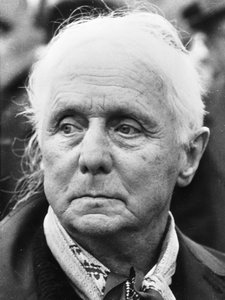
ماكس إرنست
1891 - 1976 , ألمانيا
لمحة سريعة
- الأعمال البارزة:
- المدينة بأكملها
- يوقليدس
- عن هذا لن يعرف أحد
- الغابة والحمام
- الاسم الكامل: ماكس إرنست
- الجنسية: ألماني أمريكي، فرنسي
- الحركات أو الفنانون المتأثرون:
- السريالية
- دادة
- الحركة الفنية: دادة وسريالية
- الفنانون المؤثرون:
- بابلو بيكاسو
- فنسنت فان جوخ
- بول غوغان
- جورجيو دي كيرتشو
- تاريخ الميلاد: 1 أبريل 1891
- مكان الميلاد: برول، ألمانيا
مقالات ذات صلة

Dreamscapes & Disrupted Realities: Exploring Surrealism's Enduring Influence
Explore the fascinating world of Surrealism! Discover its origins, key artists like Dalí & Magritte, and enduring influence on art & culture. Expert insights & high-quality reproductions at OriginalUniqueArt.

Beyond Reality's Grasp: Exploring the Philosophical Foundations of Surrealism
Explore the philosophical roots & artistic innovations of Surrealism with OriginalUniqueArt. Discover Dalí, Ernst, Delvaux & Freud's influence on this revolutionary movement. High-quality art reproductions available.
أعمال ماكس إرنست الخالدة: 25 تحفة فنية تزين منزلك بجمال السريالية
اكتشف 25 تحفة فنية لماكس إرنست، رائد السريالية! استكشف قصص لوحاته المذهلة وتقنياته الفريدة. أضف لمسة من الفن الحديث والألوان الزيتية إلى ديكور منزلك مع OriginalUniqueArt.com. تسوق الآن!
أعلى ١٠ روائع تحدد ملامح السريالية: رحلة في عالم اللاوعي والإبداع الفني
اكتشف روائع السريالية! استكشف ١٠ لوحات أيقونية تحدد حركة السريالية مع دالي وماغritte. تعرف على الفنانين، التقنيات، و قصص هذه التحف الفنية. احصل على نسخ فنية عالية الجودة وديكور منزلي فريد على OriginalUniqueArt.com

أعلى 10 روائع تحدد حركة السريالية: فن وإلهام لديكور من OriginalUniqueArt
اكتشف روائع حركة السريالية! استكشف 10 لوحات خالدة لدالي، ماغritte وغيرهم. قصص الفنانين، تقنيات فريدة وأكثر مع OriginalUniqueArt.com – وجهتك للتحف الفنية وإعادة الإنتاج عالية الجودة. تسوق الآن!


