

 معاينة الحجم الواقعي
 إرسال
إرسال مشاركة
 عرض التفاصيل
 دليل الأعمال الفنية للطلاب

 تحميل
تحميل
 قطع مشابهة
 الأشعة السينية
 عرض شرائح متتابع
 الإحصائيات
Perseus. Triptych


 اقرأ المزيد
طباعة جيلي / مطبوعات فنية
طباعة جيكلي أو كانفاس بجودة المتاحف، مع سرعة في التنفيذ وخيارات متنوعة للتشطيب. ( اطلب نسخة مرسومة يدويًا التحويل إلى الصورة الرقمية)




P118B E£10

P118H E£10

P118W E£10

P438Z E£10

P508JH E£12

P508YH E£12

P805H E£10

P805Z E£10

P919BZ E£10

P919G E£10

P919XJ E£10

P959ZH E£10

P968JZ E£12

W106C E£8

W218G E£10

W218JH E£8

W218Y E£10

W307PJ E£10

W316G E£10

W316PJ E£8

W316Y E£10

W398PJ E£8

W4111J E£10

W500HY E£15

W500JH E£15

W692G E£12

W849H E£8

W940BG E£15

W953PJ E£8




اختر من بين أحجامنا المُعدّة مسبقاً والتي تتوافق مع النسب الأصلية للعمل الفني.

أدخل العرض والارتفاع اللذين تحتاجهما، ليتناسب مع إطارك أو جدارك. يمكن قص المطبوعة فقط، ولا يمكن أبداً جعلها أكبر من الصورة الأصلية، لذا فإن أي مقاس بشكل مختلف سيؤدي إلى فقدان جزء من الصورة. سنرسل لك نموذجاً رقمياً تجريبياً لاعتماده قبل البدء في عملية الطباعة. الصورة المعروضة في هذه الصفحة لا توضح القص الفعلي — النموذج التجريبي فقط هو ما يظهر ذلك.
توصيل عالمي إلى خلال أسبوعين بدلاً من المدة القياسية البالغة 4/5 أسابيع. (20 أكتوبر)

شحن سريع ومجاني لجميع أنحاء العالم

قماش كتان فاخر

تأمين شامل على الشحن

ضمان استرداد الرسوم الجمركية

ضمان دقة مطابقة الألوان

سياسة الإرجاع خلال 100 يوم (في حالات العيوب فقط)

ضمان استرداد نقدي بنسبة 100%

عرض خصم الكميات
 خيار الزجاج متاح فقط للمقاسات التي تقل عن 110 سم

Perseus. Triptych
طباعة جيلي / مطبوعات فنية
مقاس النسخة المطبوعة
-


إجمالي السعر
E£ 4154
A Descent into Myth and Modernity: Exploring Beckmann’s ‘Perseus. Triptych’
Max Beckmann's “Perseus. Triptych,” painted in 1941 during his self-imposed exile in Amsterdam, is not merely a depiction of Greek mythology; it’s a visceral exploration of trauma, isolation, and the precariousness of human existence rendered through a uniquely distorted lens. Born amidst the turmoil of World War I – an experience that fundamentally reshaped his artistic vision – Beckmann abandoned the polished surfaces and idealized forms of academic painting for a brutally honest portrayal of the world as he perceived it: fractured, chaotic, and imbued with a profound sense of unease. This triptych, measuring a substantial 151cm by 222.5cm, embodies this shift powerfully, inviting viewers into a psychological landscape far removed from classical serenity.
The painting’s composition immediately commands attention. The left panel presents a scene of ambiguous social interaction – perhaps a café or bar – populated by figures rendered with unsettlingly sharp angles and distorted proportions. Their faces are largely obscured, contributing to an atmosphere of detachment and anonymity. This deliberate lack of clarity establishes a sense of disorientation, mirroring the artist’s own experience of displacement and loss during his exile. The central panel explodes with dynamic energy. Here, Perseus – not as the heroic figure of legend, but as a powerfully built, almost monstrous presence – engages in what appears to be a violent struggle. The figures are intertwined, their bodies contorted into unnatural shapes, conveying a sense of desperate conflict and imminent danger. The color palette is dominated by stark contrasts: deep blues and blacks juxtaposed with flashes of crimson and ochre, intensifying the emotional impact.
Expressionist Distortion and the Trauma of War
Beckmann’s artistic style during this period – often categorized as New Objectivity or Neo-Expressionism – is characterized by a deliberate rejection of traditional perspective and realistic representation. He employed distortion not to deceive, but to reveal underlying truths about human psychology. The jagged lines, fragmented forms, and exaggerated proportions are direct responses to the horrors he witnessed in World War I, an event that shattered his faith in reason and order. The painting’s overall effect is profoundly unsettling, reflecting the artist's own anxieties and the pervasive sense of dread that gripped Europe during the lead-up to and throughout the war. The influence of Bosch and Grünewald, masters of depicting human suffering and moral ambiguity, can be clearly discerned in Beckmann’s use of symbolism and his willingness to confront uncomfortable realities.
Symbolism and Narrative Layers
Beyond its immediate depiction of a mythological struggle, “Perseus. Triptych” is rich with symbolic layers. The central panel, depicting Perseus's victory over Medusa, can be interpreted as an allegory for the artist’s own battle against artistic constraints and societal pressures. The confinement suggested in the right panel – a shadowy figure seemingly trapped within a dark space – speaks to themes of isolation, vulnerability, and the loss of freedom. The recurring motif of birds throughout the composition adds another layer of meaning, potentially representing both hope and despair—a reminder of the fleeting nature of beauty amidst chaos. Beckmann’s own life during this period was marked by constant displacement and a struggle for recognition, making these themes deeply personal.
A Legacy of Intensity: Reproduction and Appreciation
“Perseus. Triptych” remains one of Max Beckmann's most compelling and emotionally resonant works. Its raw intensity, masterful use of distortion, and profound exploration of the human condition continue to captivate viewers today. High-quality reproductions offer a remarkable opportunity to experience the power of this iconic painting firsthand. When selecting a reproduction, consider the medium – oil on canvas prints capture the texture and depth of Beckmann’s original brushstrokes with exceptional fidelity. This artwork is not simply a depiction of myth; it's an invitation to confront the complexities of human existence—a timeless testament to the artist’s unique vision and enduring legacy.
الأسئلة والأجوبة
ما مدى حدة الألوان في "Perseus. Triptych" للفنان ماكس بكمان؟
تُظهر لوحة "Perseus. Triptych" للفنان ماكس بكمان كثافة لونية Balanced.
هل يغلب على "Perseus. Triptych" الطابع الفاتح أم الداكن بشكل عام؟
سُجلت درجة سطوع "Perseus. Triptych" للفنان ماكس بكمان عند balanced، مع مستوى لمعان يبلغ Gentle Luminance.
ما هي التقنية والأسلوب اللذان يميزان "Perseus. Triptych" للفنان ماكس بكمان؟
تُنفذ لوحة "Perseus. Triptych" باستخدام Acrylic On Canvas، وبأسلوب New Objectivity.
نبذة عن الفنان
الحياة المبكرة والتطور الفني
ماكس كارل فريدريش بيكمان، رسام ألماني بارز، وفنان رسوم، وطابع، ونحات، وكاتب، ولد في 12 فبراير 1884 في لايبزيغ، ساكسونيا. بدأت رحلته الفنية بتصوير أكاديمي دقيق، ثم تحول إلى شخصيات ومساحات مشوهة، تعكس رؤيته المتغيرة للإنسانية بعد خدمته كمسعف طبي في الحرب العالمية الأولى. كان بيكمان يتمتع بحساسية عميقة تجاه العالم من حوله، وقد انعكست هذه الحساسية في أعماله المبكرة التي تصور مشاهد الحياة اليومية والبورتريهات العائلية. ومع ذلك، فإن تجربة الحرب غيرت نظرته إلى الحياة والفن بشكل جذري، مما دفعه إلى استكشاف موضوعات أكثر قتامة وتعقيدًا.الأسلوب الفني والتأثيرات
جذور أسلوب بيكمان متأصلة في صور الزجاج المعشق في العصور الوسطى، وتأثر بالعديد من الفنانين، بمن فيهم سيزان، وفان جوخ، وبليك، ورمبرانت، وروبنز. كما استلهم الإلهام من فناني شمال أوروبا في أواخر العصور الوسطى وعصر النهضة المبكرة، مثل بوش وبروغل وماتياس غرونفالد. لم يكن بيكمان مجرد مقلد للأساليب الفنية السابقة، بل قام بتطوير لغة فنية فريدة تعبر عن رؤيته الخاصة للعالم. استخدم الألوان الزاهية والخطوط القوية والأشكال المشوهة لخلق صور قوية ومؤثرة تثير مشاعر عميقة لدى المشاهدين. كان بيكمان أيضًا مهتمًا بالرمزية، وغالبًا ما استخدم الرموز والأساطير للتعبير عن أفكاره ومعتقداته.الأعمال والمعارض البارزة
* القشرة (اقتنتها المعرض الوطني في برلين) * صورة ذاتية ببدلة توكسيدو (تم شراؤها عام 1928) * استعراضات بأثر رجعي في قاعة ستادتيش كونهال مانهايم (1928) وفي بازل وزورخ (1930). كانت أعمال بيكمان البارزة بمثابة نقاط تحول في مسيرته الفنية، حيث أظهرت تطوره المستمر واستكشافه لموضوعات جديدة. القشرة على سبيل المثال، هي لوحة معقدة تصور مجموعة من الشخصيات في غرفة مزدحمة، وتعكس شعورًا بالضيق والقلق. أما صورة ذاتية ببدلة توكسيدو فهي صورة قوية للفنان نفسه، وتظهر شخصيته المعقدة وطموحاته الفنية.الحياة المتأخرة والمنفى
تغيرت ثروات بيكمان مع صعود أدولف هتلر، مما أدى إلى طرده من مدرسة فرانكفورت للفنون ومصادرة أكثر من 500 عمل فني له. عاش في منفى اختياري في أمستردام لمدة عشر سنوات، وفشل في الحصول على تأشيرة للولايات المتحدة. كانت فترة المنفى صعبة للغاية بالنسبة لبيكمان، حيث عانى من العزلة والفقر. ومع ذلك، استمر في العمل بجد، وإنتاج العديد من الأعمال الفنية المهمة خلال هذه الفترة.الإرث والتأثير
* قام بالتدريس في مدارس واشنطن الجامعية في سانت لويس ومتحف بروكلين * أقيم أول استعراض بأثر رجعي له في الولايات المتحدة عام 1948 في متحف مدينة سانت لويس * تعرض معرض ماكس سليفوجت، ألمانيا، مجموعة من أعماله. ترك بيكمان إرثًا دائمًا في عالم الفن، حيث ألهم العديد من الفنانين اللاحقين. يعتبر أحد أهم فناني التعبيرية الألمانية، ولا تزال لوحاته تعرض في المتاحف والمعارض حول العالم. يواصل فنانو اليوم دراسة أعماله والتعلم منها، مما يدل على استمرار تأثيره وأهميته. تواريخ رئيسية: * ولد: 12 فبراير 1884 * توفي: 27 ديسمبر 1950
ماكس بكمان
1884 - 1950 , ألمانيا
لمحة سريعة
- الأعمال البارزة:
- شجرة اللحاء
- صورة ذاتية ببدلة
- الاسم الكامل: ماكس كارل فريدريش بيكمان
- الجنسية: ألماني
- الحركة الفنية: التعبيرية
- الفنانون المؤثرون:
- سيزان
- فان جوخ
- الفنانون المتأثرون به:
- رامبرانت
- بوش
- تاريخ الميلاد: 12 فبراير 1884
- تاريخ الوفاة: 27 ديسمبر 1950
- مكان الميلاد: لايبزيغ، ألمانيا
مقالات ذات صلة

أعمال ماكس إرنست الخالدة: 25 تحفة فنية تزين منزلك بجمال السريالية
اكتشف 25 تحفة فنية لماكس إرنست، رائد السريالية! استكشف قصص لوحاته المذهلة وتقنياته الفريدة. أضف لمسة من الفن الحديث والألوان الزيتية إلى ديكور منزلك مع OriginalUniqueArt.com. تسوق الآن!

Echoes of Olympus: Mythological Narratives in Western Art Through the Ages
Explore the captivating history of mythological narratives in Western art! From ancient Greece to modern masterpieces, discover iconic artworks & symbolism. Expert analysis and high-quality reproductions at OriginalUniqueArt.
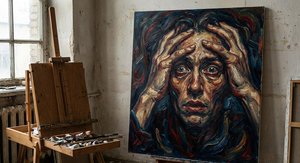
Figurative Expressionism: Emotional Intensity & Subjective Reality in 20th-Century Art
Explore the powerful world of Figurative Expressionism with OriginalUniqueArt. Discover key artists like Kirchner & Beckmann, understand its emotional depth, and learn how to collect this influential 20th-century art movement.

Max Beckmann: Navigating Trauma & Modernity Through a Distorted Lens
Explore the powerful world of Max Beckmann's art – a journey through trauma, modernity & distortion. Discover his key works, influences, and lasting legacy with expert analysis.

German Expressionism's 10 Defining Masterpieces | Art for Your Home
Explore 10 defining German Expressionism masterpieces – from Munch's 'The Scream' to Kandinsky’s abstracts. Discover the artists, stories & bold colors behind this powerful art movement. Find museum-quality reproductions at OriginalUniqueArt.com.


