Expressionism · 1946
Actresses (ماكس بكمان, 1946)
أبدع ماكس بكمان (1884–1950) في Actresses. يعود تاريخها إلى 1946. تنتمي إلى حركة Expressionism. صُنعت من Acrylic On Canvas. تُحفظ في Kunsthaus Zürich في زيورخ, سويسرا. أبعادها 160 × 120 cm
- 1946
- Acrylic On Canvas
- 160 × 120 cm
- Kunsthaus Zürich, زيورخ

 معاينة الحجم الواقعي

 لوحة زيتية مرسومة يدوياً
 مشاركة
 مشاركة
 ورقة الحقائق


 تحميل الملف
 قطع مشابهة
 الأشعة السينية
 عرض شرائح
 الأسئلة والأجوبة

 الإحصائيات
Actresses باختصار
- العنوان
- Actresses
- الفنان
- ماكس بكمان (1884–1950)
- تاريخ ميلاد الفنان
- لايبزيغ, ألمانيا
- التاريخ
- 1946
- الوسيط الفني
- Acrylic On Canvas
- الأبعاد
- 160 × 120 cm
- أين يمكن مشاهدتها
- Kunsthaus Zürich, زيورخ, سويسرا
- الحركة
- Expressionism
- الموضوع
- actresses, dressing room, theatre, women, reflection, black and white
ماذا يصور Actresses؟
A Moment Frozen in Glamour: Max Beckmann’s “Actresses”
Max Beckmann's 1946 painting, "Actresses," isn’t merely a depiction of two women in a dressing room; it’s a potent distillation of anxiety, vulnerability, and the carefully constructed facade of performance. Housed within the Kunsthaus Zürich’s collection, this oil on canvas invites us into a space both intimate and unsettling, revealing a complex interplay between reality and illusion that defines much of Beckmann's oeuvre. The painting immediately draws the eye to the central figures – two women seated before a large mirror, their postures suggesting a blend of anticipation and weariness. One woman, positioned slightly to the left, holds her hand delicately to her face, a gesture simultaneously shielding herself from an unseen light or expressing a profound discomfort. Her expression is ambiguous, hinting at both apprehension and a quiet resignation.
Beckmann’s style during this period – often categorized as New Objectivity or Neo-Expressionism – deliberately rejected the emotional excesses of earlier Expressionist movements. Instead, he favored a stark realism, employing flattened perspectives and fragmented forms to create a sense of unease and psychological depth. The mirror itself is crucial; it's not a simple reflective surface but an active participant in the scene, distorting and multiplying the figures, suggesting that identity itself is fluid and constructed. The lighting, too, contributes significantly to the painting’s mood – a diffused, almost clinical light casts long shadows, emphasizing the women’s faces and highlighting their vulnerability.
Echoes of Weimar and the Shadow of War
To fully appreciate “Actresses,” it's essential to understand the historical context in which it was created. Painted in 1946, just after the end of World War II, the painting reflects the profound anxieties and uncertainties gripping Germany at the time. The Weimar Republic, a period of relative prosperity and artistic experimentation, had collapsed into chaos and ultimately succumbed to the rise of Nazism. Beckmann, a staunch critic of authoritarianism, channeled these turbulent emotions through his art. The scene within the dressing room can be interpreted as a metaphor for the broader societal anxieties – the crumbling of established norms, the loss of innocence, and the pervasive sense of disillusionment.
Beckmann’s earlier life in Leipzig, Germany, was marked by significant personal tragedy, including the death of his wife. This experience undoubtedly informed his later work, contributing to a recurring theme of isolation and psychological distress. The painting's somber palette – dominated by muted browns, grays, and blacks – reinforces this sense of melancholy and foreboding. The overall effect is less celebratory than one might expect from a depiction of actresses, instead evoking a feeling of quiet desperation.
Symbolism and the Performance of Identity
Beyond its immediate visual impact, “Actresses” is rich in symbolic meaning. The dressing room itself represents the constructed nature of identity – the elaborate costumes, makeup, and carefully rehearsed performances that actresses present to the public. The mirror serves as a constant reminder that this performance is ultimately an illusion, concealing the women’s true selves. The book visible on the table further reinforces this theme, suggesting a preoccupation with stories, narratives, and the roles we play in life.
Furthermore, the positioning of the figures – one woman facing away from the viewer, the other turned towards her – creates a dynamic tension. It’s as if they are both observing each other, caught in a silent exchange that reveals nothing but their shared vulnerability. The painting doesn't offer easy answers or resolutions; instead, it compels us to confront the complexities of human experience and the often-painful process of self-discovery.
A Timeless Reflection on Artifice and Reality
“Actresses” remains a powerfully evocative work of art, demonstrating Beckmann’s mastery of psychological observation and his ability to translate complex emotions onto canvas. It's a painting that rewards repeated viewing, revealing new layers of meaning with each encounter. Its enduring appeal lies in its honest portrayal of human fragility and the inherent tension between appearance and reality – themes that resonate deeply across generations. Whether viewed as a historical document or a timeless meditation on identity, “Actresses” continues to captivate and challenge viewers today.
أي متحف يضم Actresses؟
Kunsthaus Zürich
زيورخ, سويسرا
تاريخ Kunsthaus Zürich تعود جذور Kunsthaus Zürich إلى عام 1901، حين تأسست على يد جمعية فنون زيورخ (Zürcher Kunstgesellschaft). وما بدأ كجمعية مكرسة لتعزيز تقدير التعبير الفني، تطور ليصبح أكبر مؤسسة ثقافية في سويسرا. يقع هذا الصرح في مدينة زيورخ السويسرية، ويحتل مساحة هي الأكبر بين جميع المتاحف الفنية في البلاد.


صور عالية الدقة لـ Actresses

ماكس بكمان, Actresses (1946), Kunsthaus Zürich. ملك عام
ألوان مطابقة للأصل بواسطة خبير رقمي، وملف تمت معالجته بدقة ليكون وفياً لضربات فرشاة الفنان.
امتلك الملف عالي الدقةأسئلة وإجابات حول Actresses
أين تُعرض "Actresses" للفنان ماكس بكمان اليوم؟
يمكنكم مشاهدة العمل الأصلي "Actresses" في Kunsthaus Zürich, زيورخ, سويسرا.
في أي عام أُبدع العمل "Actresses" للفنان ماكس بكمان؟
تاريخ إبداع "Actresses" للفنان ماكس بكمان يعود إلى عام 1946.
ما هي التقنية المستخدمة في صنع "Actresses"؟
تعتمد التقنية المستخدمة في "Actresses" للفنان ماكس بكمان على Acrylic On Canvas، وتهدف النسخ المطبوعة إلى محاكاة مظهر هذه التقنية.
ما هي أبعاد "Actresses" للفنان ماكس بكمان في الواقع؟
أبعاد العمل الفني المسجلة لـ "Actresses" للفنان ماكس بكمان هي 160 x 120 cm. يمكن طلب نسخ مطابقة بأحجام أخرى مع الحفاظ على نفس النسب.
ماذا يصور "Actresses"؟
تتضمن الموضوعات المتضمنة في "Actresses" للفنان ماكس بكمان كلاً من actresses, dressing room, theatre, women, reflection, black and white, 1946, germany، والتي تلخص مجتمعةً فحوى العمل الفني.
هل يمكن إعادة إنتاج صورة "Actresses" للفنان ماكس بكمان بحرية؟
حالة حقوق الطبع والنشر لـ "Actresses" للفنان ماكس بكمان: العمل يقع ضمن ملك عام - انتهت مدة حماية حقوق الطبع والنشر الخاصة به، وهو ما يحدد مدى إمكانية إعادة إنتاج الصورة بحرية.
من هو الفنان الذي أبدع "Actresses"؟
الفنان الذي أبدع عمل "Actresses" هو ماكس بكمان، والعمل مُدرج تحت اسم ماكس بكمان.
إلى أي أسلوب ينتمي "Actresses"؟
تنتمي "Actresses" للفنان ماكس بكمان إلى حركة Expressionism، التي تمنح العمل سياقه الأسلوبي.
إلى أي مرحلة من مراحل تطور ماكس بكمان ينتمي العمل "Actresses"؟
تندرج لوحة "Actresses" ضمن مرحلة Mature Period من مسيرة ماكس بكمان المهنية، وهي مرحلة تتيح مقارنة هذا العمل بأعمال الفنان الأخرى.
عن الفنان، ماكس بكمان

1884–1950, ألمانيا
ماكس بكمان
حياة وفن ماكس بكمان كان ماكس بكمان رجلاً متعدد المواهب والمسارات، حيث تجلى إبداعه كرسام، ورسام تخطيطي، وفنان طباعة، ونحات، وكاتب. أبصر النور في الثاني عشر من فبراير عام 1884 في مدينة لايبزيغ بولاية ساكسونيا، ونشأ في كنف عائلة من الطبقة المتوسطة العليا كأصغر أبناء الثلاثة. اتسمت سنواته الأولى بالاستقرار الهادئ في منزله، إلى أن حل عام 1894 الذي شهد رحيل والده كارل بكمان، تاجر الحبوب، لتظل والدته أنطوان بكمان الشخصية المركزية في حياته بينما بدأ هو في شق طريقه عبر تعقيدات الوجود الحديث. لطالما بدت أعماله وكأنها مواجهة مباشرة مع واقع الحالة الإنسانية؛ فهو لم يكتفِ بمجرد رسم المشاهد، بل كان يجسد التوتر الكامن في عصر متغير عبر وسائط فنية متنوعة.
وأيضاً لـ ماكس بكمان
 الليلة1919
 المشهد العظيم للمعاناة1906
 جسر الحديد (منظر لفرانكفورت)1922
 كولومبين1950

مقالات حول Actresses
 Max Beckmann: Navigating Trauma & Modernity Through a Distorted LensExplore the powerful world of Max Beckmann's art – a journey through trauma, modernity & distortion. Discover his key works, influences, an…
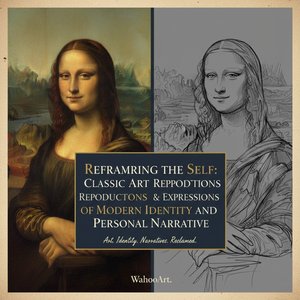 إعادة صياغة الذات: نسخ الأعمال الفنية الكلاسيكية كتعبيرات عن الهوية الحديثة والسرد الشخصياكتشف متعة إعادة صياغة الذات من خلال نسخ الأعمال الفنية الكلاسيكية! لوحات زيتية يدوية عالية الجودة، هدايا فريدة، واستشارات فنية مجانية. Ori…
 Masterpieces Unveiled: The Top 25 Artworks at Kunsthaus ZürichExplore 25 iconic works from Kunsthaus Zürich, from Munch to Picasso. Discover museum-quality art at OriginalUniqueArt.com.