

 معاينة الحجم الواقعي
 إرسال
إرسال مشاركة
 عرض التفاصيل
 دليل الأعمال الفنية للطلاب

 تحميل
تحميل
 قطع مشابهة
 الأشعة السينية
 عرض شرائح متتابع
 الإحصائيات
Crucifixion
 Acrylic On Canvas
- WallArt
- Northern Renaissance
 1502
1502 531.0 x 320.0 cm
 Staatliche Kunsthalle Karlsruhe
 اقرأ المزيد
نسخة زيتية مصنوعة يدوياً
لوحة زيتية مرسومة يدوياً على الكانفاس بالمقاس والإطار الذي تفضله، تُنفذ حسب الطلب على أيدي فنانينا. ( التبديل إلى المطبوعات التحويل إلى الصورة الرقمية)




P118B E£10

P118H E£10

P118W E£10

P438Z E£10

P508JH E£12

P508YH E£12

P805H E£10

P805Z E£10

P919BZ E£10

P919G E£10

P919XJ E£10

P959ZH E£10

P968JZ E£12

W106C E£8

W218G E£10

W218JH E£8

W218Y E£10

W307PJ E£10

W316G E£10

W316PJ E£8

W316Y E£10

W398PJ E£8

W4111J E£10

W500HY E£15

W500JH E£15

W692G E£12

W849H E£8

W940BG E£15

W953PJ E£8




اختر من بين أحجامنا المُعدّة مسبقاً والتي تتوافق مع النسب الأصلية للعمل الفني.

يمكنك إدخال أبعاد خاصة لتناسب إطاراً أو مساحة معينة. وفي حال عدم تطابق الحجم المختار مع نسب الصورة الأصلية، سنقوم إما بقص العمل الفني أو توسيع اللوحة عبر إضافة عناصر مرسومة يدوياً. وسيتم إرسال نموذج رقمي إليك للموافقة عليه قبل بدء عملية الإنتاج.
يرجى ملاحظة أن المعاينة على الشاشة لا تعكس عملية القص أو التوسيع الفعلية؛ إذ إن النموذج الرقمي هو الوحيد الذي يوضح التكوين النهائي بدقة.
وعلى الرغم من توفر أحجام مخصصة، إلا أننا نوصي باختيار أبعاد من القائمة المحددة مسبقاً للحفاظ على النسب الأصلية للعمل الفني.
بعد إتمام الطلب، سيرسل فريق OriginalUniqueArt.com بريداً إلكترونياً للعميل لطلب التعليمات وتزويده بمعاينة تجريبية (mockup).
توصيل عالمي إلى خلال 3 إلى 4 أسابيع بدلاً من المدة المعتادة البالغة 5 أسابيع. (11 أكتوبر). جودة لا تهاون فيها.

شحن سريع ومجاني لجميع أنحاء العالم

قماش كتان فاخر

تأمين شامل على الشحن

ضمان استرداد الرسوم الجمركية

ضمان دقة مطابقة الألوان

سياسة الإرجاع خلال 100 يوم (في حالات العيوب فقط)

ضمان استرداد نقدي بنسبة 100%

عرض خصم الكميات
 خيار الزجاج متاح فقط للمقاسات التي تقل عن 110 سم

Crucifixion
وسيط إعادة الإنتاج
مقاس النسخة المطبوعة
-


إجمالي السعر
E£ 15403
A Glimpse into the Soul of a Master: The Crucifixion by Matthias Grünewald
Matthias Grünewald’s “Crucifixion,” painted around 1501, isn't merely a depiction of a pivotal moment in Christian history; it’s an immersive experience—a visceral plunge into the depths of human suffering and profound spiritual contemplation. Born in Würzburg around 1470, Grünewald stood as a bridge between the vibrant hues and dynamic compositions of the late medieval period and the burgeoning realism of the early Renaissance. Unlike his Italian contemporaries who embraced classical ideals, Grünewald remained firmly rooted in the traditions of Northern Europe, imbuing his work with an intensely emotional quality that continues to resonate centuries later. This particular “Crucifixion” – a panel from the Isenheim Altarpiece – is a testament to this devotion, a stark and unforgettable image born not of idealized beauty but of raw, unvarnished truth.
The painting immediately commands attention with its deliberate monochrome palette. Shades of grey—ranging from near-white highlights on Christ’s body to deep, impenetrable blacks in the shadows—create an atmosphere of profound solemnity and dramatic intensity. This restricted color scheme isn't a limitation; it’s a strategic choice that amplifies the emotional impact, stripping away any distractions and forcing the viewer to confront the brutal reality of the scene. The composition itself is powerfully vertical, emphasizing the height of the cross—a symbol of both Christ’s sacrifice and humanity’s fall. Christ's torso and limbs are centrally positioned, drawing the eye directly to his suffering, while the truncated base of the cross subtly suggests a sense of confinement and vulnerability.
The Language of Line and Texture: Technique and Craftsmanship
Grünewald’s mastery lies not just in his understanding of color and composition but also in his meticulous technique. The painting is executed primarily through hatching and cross-hatching—a method of creating tonal variations by layering lines of differing densities. This painstaking process generates a remarkable sense of texture, allowing the artist to convincingly simulate the rough grain of the wooden cross, the folds of Christ’s loincloth, and even the thorny crown piercing his head. The musculature of Christ's body is rendered with astonishing anatomical accuracy, reflecting Grünewald’s deep observation of human form—a hallmark of Northern Renaissance art. The strong, defined lines delineate every contour, creating a sense of both vulnerability and immense strength.
Furthermore, the artist employs subtle shifts in value to create depth and volume. The highlights on Christ's body draw attention to his wounds, while the shadows accentuate the contours of his form, lending him an almost sculptural quality. The overall effect is one of intense realism—a deliberate departure from the idealized representations common in Italian Renaissance art. This commitment to portraying suffering with unflinching honesty speaks volumes about Grünewald’s artistic vision and his profound engagement with the subject matter.
Symbolism, Suffering, and Spiritual Resonance
Beyond its technical brilliance, “The Crucifixion” is rich in symbolic meaning. The starkness of the image—the absence of color, the brutal depiction of Christ’s suffering—serves to heighten the emotional impact and underscore the profound spiritual weight of the scene. Christ's emaciated body, riddled with wounds and pierced by nails, embodies the ultimate sacrifice for humanity’s sins. The surrounding figures – Saint Sebastian, Saint Anthony, Mary Magdalene, and John the Baptist – each contribute to the narrative, representing themes of martyrdom, compassion, repentance, and divine grace. The inclusion of John the Baptist pointing towards Christ is a clear reference to the Gospel accounts, emphasizing the significance of his sacrifice as the fulfillment of prophecy.
The painting’s origins within the Isenheim Altarpiece—a work designed for a hospital dedicated to treating plague sufferers—add another layer of meaning. Grünewald's choice of monochrome and his unflinching portrayal of suffering were intended to provide comfort and solace to those afflicted with illness, reminding them that Christ shared in their pain and offered hope amidst despair. “The Crucifixion” is therefore not simply a historical depiction but a powerful meditation on faith, suffering, and redemption—a timeless masterpiece that continues to move viewers centuries after its creation.
Further Research: For more detailed information, consider visiting the National Gallery of Art’s website for a high-resolution image and accompanying text. You can also explore Wikipedia’s entry on Matthias Grünewald for biographical details and historical context, or delve into articles like “Crucifixion, by Matthias Grünewald” on Christian Century.
الأسئلة والأجوبة
في أي عام تم إبداع "Crucifixion" للفنان ماتياس غرونيفالد؟
يعود تاريخ إبداع "Crucifixion" للفنان ماتياس غرونيفالد إلى عام 1502.
ما هو المكان والغرض الموصى به لـ "Crucifixion"؟
يُعد استخدام (Statement) وتخصيص مساحة (Living Room) من أبرز التوصيات المقترحة لـ "Crucifixion" للفنان ماتياس غرونيفالد.
هل تتوفر نسخة قابلة للتحميل بدقة عالية من "Crucifixion"؟
"Crucifixion" متوفر كـ تحميل صورة رقمية عالية الدقة، ويمكن شراؤه مباشرة عبر هذه الصفحة.
ما هو شكل وأبعاد "Crucifixion" للفنان ماتياس غرونيفالد؟
تأتي لوحة "Crucifixion" للفنان ماتياس غرونيفالد بتنسيق Portrait وبمقاس 531 x 320 cm.
كم كان عمر ماتياس غرونيفالد عندما أُبدع العمل "Crucifixion"؟
أبدع ماتياس غرونيفالد لوحة "Crucifixion" وهو في سن 22. وُلد الفنان في 1480 ويعود تاريخ هذا العمل إلى 1502.
من الذي أبدع "Crucifixion"؟
تم إبداع "Crucifixion" بواسطة ماتياس غرونيفالد. وتصف المعلومات الواردة في هذه الصفحة العمل الأصلي لـ ماتياس غرونيفالد.
أين يمكنني العثور على دليل لـ "Crucifixion"؟
يُعد دليل "Crucifixion" هو صفحة دليل تعليمي الخاصة بالعمل الفني - وهي ورقة حقائق قابلة للطباعة تعرض العمل الفني مع شرحه، وسطر الائتمان، وجدول البيانات التعريفية (الفنان، التواريخ، الوسيط، الحجم الأصلي، والمجموعة).
نبذة عن الفنان
ماتياس غرونيفالد: حياة وإرث خالد
البدايات المبكرة والنشأة الفنية
يبرز اسم ماتياس غرونيفالد، الذي ولد باسم ماتيس غوثارت نيهاردت في الفترة ما بين 1470-1475 في مدينة فورتسبورغ بألمانيا، كشخصية محورية ومؤثرة في عصر النهضة الألماني. ورغم أنه عاش في حقبة بدأت تتأثر بشكل متزايد بالمبادئ المثالية لعصر النهضة الإيطالي، إلا أن غرونيفالد ظل متمسكاً بجذوره العميقة في التقاليد الفنية لأواخر العصور الوسطى في وسط أوروبا. ومع ندرة التفاصيل المتاحة حول حياته المبكرة، إلا أنه من المؤكد أنه تلقى تدريبه الفني، على الأرجوذ، داخل الورش المحلية التي كانت تنبض بالحياة آنذاك.
التطور الفني ومصادر الإلهام
تشكل المسار الفني لغرونيفالد من خلال التقاليد السائدة في شمال أوروبا، والتي ركزت على الواقعية، والكثافة العاطفية، والدقة المتناهية في الملاحظة. وتظهر أعماله تأثرات واضحة بفنانين كبار مثل ألبريشت دورر ومارتن شونغاور، لكنه استطاع ببراعة أن يشق لنفسه طريقاً فريداً يتميز بالتعبير الدرامي والألوان النابضة بالحياة. ولم يكن غرونيفالد منخرطاً بشكل مباشر في الدوائر الإنسانية التي كانت سائدة في إيطاليا؛ بل إن فنه كان يخدم غرضاً دينياً في المقام الأول، عاكساً القلق الروحي والوجداني الذي ساد عصره.
أبرز الأعمال والأسلوب الفني
- مذبح إيزنهايم (1512-1516): تُعد هذه التحفة الفنية، والمحفوظة في متحف أونترليندن في كولمار، العمل الأسمى لغرونيفالد. فهي تجسد مشاهد من حياة المسيح بواقعية مذهلة ومؤثرة، مع التركيز بشكل خاص على ثنائية المعاناة والخلاص.
- الصلب (حوالي 1502-1503): عمل مبكر يبرز تطور أسلوبه، حيث يستعرض العاطفة الجياشة والدقة التشريحية العالية.
- عذراء البشارة (1512-14): دراسة فنية لمذبح إيزنهايم، تكشف عن عملية التخطيط الدقيقة والمضنية التي كان يتبعها.
- موسى (1511): رسم يبرز مهارة غرونيفالد الفائقة في التقاط الشخصيات التعبيرية والوضعيات الدرامية.
ويتجلى تميز أسلوب غرونيفلد من خلال عدة عناصر فنية:
- التكوين الدرامي: حيث استخدم ترتيبات ديناميكية لتعزيز التأثير العاطفي على المشاهد.
- لوحة ألوان حيوية: إذ خلق استخدامه للألوان القوية والمتضاربة تجربة بصرية قوية ومؤثرة.
- التصوير الواقعي للمعاناة: فلم يتردد غرونيفالد في تصوير الألم الجسدي والنفسي المرتبط بالقصص الدينية بكل صدق.
- الشخصيات التعبيرية: حيث نجد شخصياته مفعمة بمشاعر جياشة وعمق نفسي لافت.
الأهمية التاريخية والإرث الفني
يقف عمل غرونيفالد كشاهد حي على القوة المستمرة للتقاليد الفنية في العصور الوسطى بألمانيا خلال عصر النهضة. لقد نجح في جسر الهوة بين أسلوب القوطية المتأخرة وعصر النهضة الناشئ، مبتكراً لغة بصرية فريدة لامست وجدان معاصريه. ويمكن رؤية تأثيره جلياً في الفنانين الألمان اللاحقين الذين واصلوا استكشاف موضوعات الحماس الديني والكثافة العاطفية. ورغم أنه تعرض للنسيان إلى حد كبير لعدة قرون بعد وفاته عام 1528، إلا أن أعماله شهدت إحياءً كبيراً في القرن التاسع عشر، ويُعرف اليوم كواحد من أهم رسامي عصر النهضة الألماني. فما زال فنه يأسر المشاهدين بعاطفته الخام، وبراعته التقنية، وعمقه الروحي السامي.
لمزيد من الاستكشاف
اكتشف المزيد عن حياة وأعمال ماتياس غرونيفالد عبر: OriginalUniqueArt

ماتياس غرونيفالد
1480 - 1528 , ألمانيا
لمحة سريعة
- Birth Date: حوالي 1470–1475
- Birth Place: فورتسبورغ، ألمانيا
- Death Date: 1528
- Influenced: لا يوجد
- Movement: النهضة الألمانية، أواخر العصور الوسطى
- Name: ماتياس غرونيفالد
- Nationality: ألماني
- Notable Works: مذبح إيزنهايم، الصلب
مقالات ذات صلة

Romantic Realism's Finest: 10 Masterpieces for Your Home | OriginalUniqueArt
Explore 10 defining masterpieces of Romantic Realism! Discover Courbet, Millet & Daumier's powerful paintings—capturing emotion and social realities. Find museum-quality reproductions for your home at OriginalUniqueArt.com.
Echoes of Society: Exploring Social Realism's Enduring Legacy in Art
Explore the powerful world of Social Realism art! Discover key artists, masterpieces & its profound social commentary. Expert insights into this influential movement's history and enduring legacy.
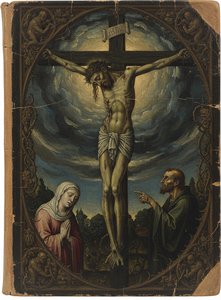
Matthias Grünewald: Devotion, Distortion & Spiritual Turmoil in Renaissance Art
Explore the profound religious art of Matthias Grünewald, master of the Isenheim Altarpiece. Discover his unique expressionism, symbolism & lasting impact on Renaissance painting. A guide for collectors and enthusiasts.
The Raw Truth: A Definitive Guide to the Power and Legacy of Social Realism Art
Explore the profound impact of Social Realism. Discover how masters like Courbet rejected idealism to capture the raw, socio-political truths of the working class through powerful, unvarnished art history and enduring visual critique.

The Northern Renaissance: A Flourishing of Realism, Religious Reform & Artistic Innovation
Explore the Northern Renaissance! Discover Jan van Eyck's innovations, religious shifts, & key artists of this influential period. Expert analysis and insights into Early Netherlandish painting at OriginalUniqueArt.


