

 معاينة الحجم الواقعي
 إرسال
إرسال مشاركة
 عرض التفاصيل
 دليل الأعمال الفنية للطلاب

 تحميل
تحميل
 قطع مشابهة
 الأشعة السينية
 عرض شرائح متتابع
 الإحصائيات
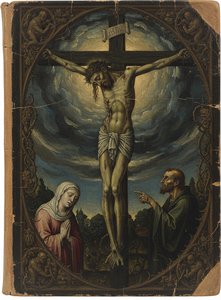
Calvary
 Oil On Canvas
- WallArt
- Early Netherlandish Painting
 1508
1508 73.0 x 53.0 cm
 Kunstmuseum Basel
 اقرأ المزيد
نسخة زيتية مصنوعة يدوياً
لوحة زيتية مرسومة يدوياً على الكانفاس بالمقاس والإطار الذي تفضله، تُنفذ حسب الطلب على أيدي فنانينا. ( التبديل إلى المطبوعات التحويل إلى الصورة الرقمية)




P118B E£10

P118H E£10

P118W E£10

P438Z E£10

P508JH E£12

P508YH E£12

P805H E£10

P805Z E£10

P919BZ E£10

P919G E£10

P919XJ E£10

P959ZH E£10

P968JZ E£12

W106C E£8

W218G E£10

W218JH E£8

W218Y E£10

W307PJ E£10

W316G E£10

W316PJ E£8

W316Y E£10

W398PJ E£8

W4111J E£10

W500HY E£15

W500JH E£15

W692G E£12

W849H E£8

W940BG E£15

W953PJ E£8




اختر من بين أحجامنا المُعدّة مسبقاً والتي تتوافق مع النسب الأصلية للعمل الفني.

يمكنك إدخال أبعاد خاصة لتناسب إطاراً أو مساحة معينة. وفي حال عدم تطابق الحجم المختار مع نسب الصورة الأصلية، سنقوم إما بقص العمل الفني أو توسيع اللوحة عبر إضافة عناصر مرسومة يدوياً. وسيتم إرسال نموذج رقمي إليك للموافقة عليه قبل بدء عملية الإنتاج.
يرجى ملاحظة أن المعاينة على الشاشة لا تعكس عملية القص أو التوسيع الفعلية؛ إذ إن النموذج الرقمي هو الوحيد الذي يوضح التكوين النهائي بدقة.
وعلى الرغم من توفر أحجام مخصصة، إلا أننا نوصي باختيار أبعاد من القائمة المحددة مسبقاً للحفاظ على النسب الأصلية للعمل الفني.
بعد إتمام الطلب، سيرسل فريق OriginalUniqueArt.com بريداً إلكترونياً للعميل لطلب التعليمات وتزويده بمعاينة تجريبية (mockup).
توصيل عالمي إلى خلال 3 إلى 4 أسابيع بدلاً من المدة المعتادة البالغة 5 أسابيع. (3 أكتوبر). جودة لا تهاون فيها.

شحن سريع ومجاني لجميع أنحاء العالم

قماش كتان فاخر

تأمين شامل على الشحن

ضمان استرداد الرسوم الجمركية

ضمان دقة مطابقة الألوان

سياسة الإرجاع خلال 100 يوم (في حالات العيوب فقط)

ضمان استرداد نقدي بنسبة 100%

عرض خصم الكميات
 خيار الزجاج متاح فقط للمقاسات التي تقل عن 110 سم

Calvary
وسيط إعادة الإنتاج
مقاس النسخة المطبوعة
-


إجمالي السعر
E£ 21651
The Agony of Christ: Matthias Grünewald’s ‘Calvary’
Matthias Grünewald's “Calvary,” painted in 1508, isn’t merely a depiction of the crucifixion; it’s a visceral plunge into the heart of human suffering and spiritual torment. Born in Würzburg around 1470, Grünewald stood as a pivotal figure bridging the late medieval artistic traditions of Northern Europe with the nascent fervor of the Renaissance. Unlike his Italian counterparts who embraced humanist ideals, Grünewald remained deeply rooted in the emotional intensity and meticulous observation characteristic of his region, creating an artwork profoundly shaped by religious devotion rather than secular concerns. This painting, now housed at the Kunstmuseum Basel, is a testament to this unique approach – a raw, unflinching portrayal of Christ’s sacrifice that continues to resonate with viewers centuries later.
The composition itself immediately commands attention. Grünewald employs a pyramidal structure, anchoring the scene around the central figure of Christ on the cross. His body, rendered with an almost brutal realism, is contorted in agony, muscles straining under the weight of his torment. The figures surrounding him – Mary weeping, John the Evangelist recoiling in horror, and onlookers expressing disbelief – are not idealized representations but rather embodiments of human emotion: grief, despair, and confusion. The tight arrangement within the frame creates a claustrophobic atmosphere, intensifying the sense of tragedy and drawing the viewer directly into the scene’s unbearable weight.
A Symphony of Color and Texture
Grünewald's masterful technique is immediately apparent in the painting’s rich textures and dramatic use of color. He eschewed the smooth, polished surfaces favored by some Renaissance artists, opting instead for a deliberately rough and uneven application of oil paint. This creates a tactile quality, inviting viewers to almost feel the grit beneath their fingertips. The palette is dominated by muted browns, ochres, and deep reds – colors that evoke both the earthiness of the landscape and the blood spilled on Christ’s body. Highlights of white accentuate Christ's flesh, drawing attention to his suffering while simultaneously emphasizing the stark contrast between life and death.
The artist’s layering technique is particularly noteworthy. Grünewald built up form through multiple thin layers of paint, creating a sense of depth and volume that belies the painting’s relatively small scale. The use of linear perspective, though somewhat flattened compared to later Renaissance works, effectively guides the viewer's eye towards Christ at the apex of the composition. The careful rendering of drapery – the heavy folds of Christ’s tunic and the flowing garments of the onlookers – adds another layer of visual complexity, demonstrating Grünewald’s exceptional skill in capturing the nuances of fabric.
Symbolism and Spiritual Weight
“Calvary” is laden with symbolic meaning. The stark landscape, devoid of any comforting details, represents the desolate reality of Christ's abandonment. The instruments of torture – the nails, the beam, the rope – are not merely props but potent symbols of human cruelty and divine suffering. The expressions on the faces of the onlookers range from sorrow to disbelief, reflecting the profound theological implications of Christ’s sacrifice: a rejection of worldly power and an affirmation of faith in the face of unimaginable pain.
Furthermore, the painting's placement within the Isenheim Altarpiece—a larger work featuring multiple scenes from the life of Christ—contributes to its overall significance. “Calvary” serves as a pivotal moment within this complex narrative, embodying both the physical agony and the spiritual redemption offered by Christ’s death. The altarpiece as a whole was designed to be viewed in different configurations, offering viewers a multifaceted experience of faith and suffering.
A Legacy of Emotional Intensity
Matthias Grünewald's “Calvary” stands as a landmark achievement in Northern Renaissance art. His willingness to embrace emotional intensity and unflinching realism set him apart from his contemporaries, forging a unique artistic voice that continues to captivate viewers today. The painting’s enduring power lies not only in its technical brilliance but also in its profound exploration of human suffering and spiritual longing. It is a work that demands contemplation, inviting us to confront the uncomfortable truths about mortality, faith, and the nature of sacrifice – a timeless masterpiece that transcends its historical context.
الأسئلة والأجوبة
من هو الفنان الذي أبدع "Calvary"؟
الفنان الذي أبدع عمل "Calvary" هو ماتياس غرونيفالد. العمل مُدرج تحت اسم ماتياس غرونيفالد.
من الذي أبدع "Calvary" وبأي أسلوب نُفذت؟
أبدع ماتياس غرونيفالد لوحة "Calvary" ضمن حركة Early Netherlandish Painting.
ما هو الشعور الذي ينقله "Calvary" للفنان ماتياس غرونيفالد؟
ينقل عمل "Calvary" للفنان ماتياس غرونيفالد نبرة عاطفية Melancholic.
متى تم إنجاز "Calvary"؟
أُبدع العمل الفني "Calvary" للفنان ماتياس غرونيفالد في عام 1508.
هل تُحفظ قطعة "Calvary" في البلد الذي ينتمي إليه مبتكرها؟
لا - العمل الفني محفوظ خارج البلاد. وُلد المبدع في ألمانيا؛ بينما يوجد العمل الأصلي في سويسرا.
كيف يمكنني تحميل صورة "Calvary" للفنان ماتياس غرونيفالد؟
يمكن تحميل صورة "Calvary" للفنان ماتياس غرونيفالد من صفحة تحميل الخاصة بالعمل الفني: تحميل صورة رقمية عالية الدقة.
في أي عمر أبدع ماتياس غرونيفالد لوحة "Calvary"؟
أبدع ماتياس غرونيفالد لوحة "Calvary" وهو في سن 28. وُلد الفنان في 1480 ويعود تاريخ هذا العمل إلى 1508.
نبذة عن الفنان
ماتياس غرونيفالد: حياة وإرث خالد
البدايات المبكرة والنشأة الفنية
يبرز اسم ماتياس غرونيفالد، الذي ولد باسم ماتيس غوثارت نيهاردت في الفترة ما بين 1470-1475 في مدينة فورتسبورغ بألمانيا، كشخصية محورية ومؤثرة في عصر النهضة الألماني. ورغم أنه عاش في حقبة بدأت تتأثر بشكل متزايد بالمبادئ المثالية لعصر النهضة الإيطالي، إلا أن غرونيفالد ظل متمسكاً بجذوره العميقة في التقاليد الفنية لأواخر العصور الوسطى في وسط أوروبا. ومع ندرة التفاصيل المتاحة حول حياته المبكرة، إلا أنه من المؤكد أنه تلقى تدريبه الفني، على الأرجوذ، داخل الورش المحلية التي كانت تنبض بالحياة آنذاك.
التطور الفني ومصادر الإلهام
تشكل المسار الفني لغرونيفالد من خلال التقاليد السائدة في شمال أوروبا، والتي ركزت على الواقعية، والكثافة العاطفية، والدقة المتناهية في الملاحظة. وتظهر أعماله تأثرات واضحة بفنانين كبار مثل ألبريشت دورر ومارتن شونغاور، لكنه استطاع ببراعة أن يشق لنفسه طريقاً فريداً يتميز بالتعبير الدرامي والألوان النابضة بالحياة. ولم يكن غرونيفالد منخرطاً بشكل مباشر في الدوائر الإنسانية التي كانت سائدة في إيطاليا؛ بل إن فنه كان يخدم غرضاً دينياً في المقام الأول، عاكساً القلق الروحي والوجداني الذي ساد عصره.
أبرز الأعمال والأسلوب الفني
- مذبح إيزنهايم (1512-1516): تُعد هذه التحفة الفنية، والمحفوظة في متحف أونترليندن في كولمار، العمل الأسمى لغرونيفالد. فهي تجسد مشاهد من حياة المسيح بواقعية مذهلة ومؤثرة، مع التركيز بشكل خاص على ثنائية المعاناة والخلاص.
- الصلب (حوالي 1502-1503): عمل مبكر يبرز تطور أسلوبه، حيث يستعرض العاطفة الجياشة والدقة التشريحية العالية.
- عذراء البشارة (1512-14): دراسة فنية لمذبح إيزنهايم، تكشف عن عملية التخطيط الدقيقة والمضنية التي كان يتبعها.
- موسى (1511): رسم يبرز مهارة غرونيفالد الفائقة في التقاط الشخصيات التعبيرية والوضعيات الدرامية.
ويتجلى تميز أسلوب غرونيفلد من خلال عدة عناصر فنية:
- التكوين الدرامي: حيث استخدم ترتيبات ديناميكية لتعزيز التأثير العاطفي على المشاهد.
- لوحة ألوان حيوية: إذ خلق استخدامه للألوان القوية والمتضاربة تجربة بصرية قوية ومؤثرة.
- التصوير الواقعي للمعاناة: فلم يتردد غرونيفالد في تصوير الألم الجسدي والنفسي المرتبط بالقصص الدينية بكل صدق.
- الشخصيات التعبيرية: حيث نجد شخصياته مفعمة بمشاعر جياشة وعمق نفسي لافت.
الأهمية التاريخية والإرث الفني
يقف عمل غرونيفالد كشاهد حي على القوة المستمرة للتقاليد الفنية في العصور الوسطى بألمانيا خلال عصر النهضة. لقد نجح في جسر الهوة بين أسلوب القوطية المتأخرة وعصر النهضة الناشئ، مبتكراً لغة بصرية فريدة لامست وجدان معاصريه. ويمكن رؤية تأثيره جلياً في الفنانين الألمان اللاحقين الذين واصلوا استكشاف موضوعات الحماس الديني والكثافة العاطفية. ورغم أنه تعرض للنسيان إلى حد كبير لعدة قرون بعد وفاته عام 1528، إلا أن أعماله شهدت إحياءً كبيراً في القرن التاسع عشر، ويُعرف اليوم كواحد من أهم رسامي عصر النهضة الألماني. فما زال فنه يأسر المشاهدين بعاطفته الخام، وبراعته التقنية، وعمقه الروحي السامي.
لمزيد من الاستكشاف
اكتشف المزيد عن حياة وأعمال ماتياس غرونيفالد عبر: OriginalUniqueArt

ماتياس غرونيفالد
1480 - 1528 , ألمانيا
لمحة سريعة
- Birth Date: حوالي 1470–1475
- Birth Place: فورتسبورغ، ألمانيا
- Death Date: 1528
- Influenced: لا يوجد
- Movement: النهضة الألمانية، أواخر العصور الوسطى
- Name: ماتياس غرونيفالد
- Nationality: ألماني
- Notable Works: مذبح إيزنهايم، الصلب
مقالات ذات صلة
High Medieval Art: 10 Masterpieces That Shaped an Era | OriginalUniqueArt
Journey through High Medieval Art! Explore 10 iconic masterpieces – from Giotto's frescoes to stunning Gothic cathedrals. Discover the stories behind these timeless paintings, sculptures & illuminated manuscripts. Find museum-quality art reproductions at OriginalUniqueArt.com.
Matthias Grünewald: Devotion, Distortion & Spiritual Turmoil in Renaissance Art
Explore the profound religious art of Matthias Grünewald, master of the Isenheim Altarpiece. Discover his unique expressionism, symbolism & lasting impact on Renaissance painting. A guide for collectors and enthusiasts.

Divine Drama: Exploring the Most Visually Striking and Emotionally Intense Crucifixion Artworks in History
Dive into the raw emotion and dramatic lighting of history's most iconic crucifixion paintings. From Baroque tenebrism to modern surrealism, explore masterpieces that define visual intensity. Expertly curated for lovers of profound art and high-impact design.

Early Netherlandish Masters: 10 Paintings That Revolutionized Art & Decor
Journey into the world of Early Netherlandish painting! Explore 10 masterpieces by Jan van Eyck, Rogier van der Weyden & more. Discover stunning detail, symbolism & Renaissance art for your home decor. Find museum-quality reproductions on OriginalUniqueArt.com
Late Medieval Masterpieces: 10 Artworks That Defined an Era | OriginalUniqueArt
Journey through 10 defining Late Medieval masterpieces – from Giotto's frescoes to Jan van Eyck’s realism. Explore the stories, techniques & vibrant colors of Gothic art. Find museum-quality reproductions and elevate your home decor with OriginalUniqueArt.com! Discover all masterpieces on OriginalUniqueArt.com


