
 إرسال
إرسال مشاركة
 عرض التفاصيل
 دليل الأعمال الفنية للطلاب

 تحميل
تحميل
 قطع مشابهة
 عرض شرائح متتابع
 الإحصائيات
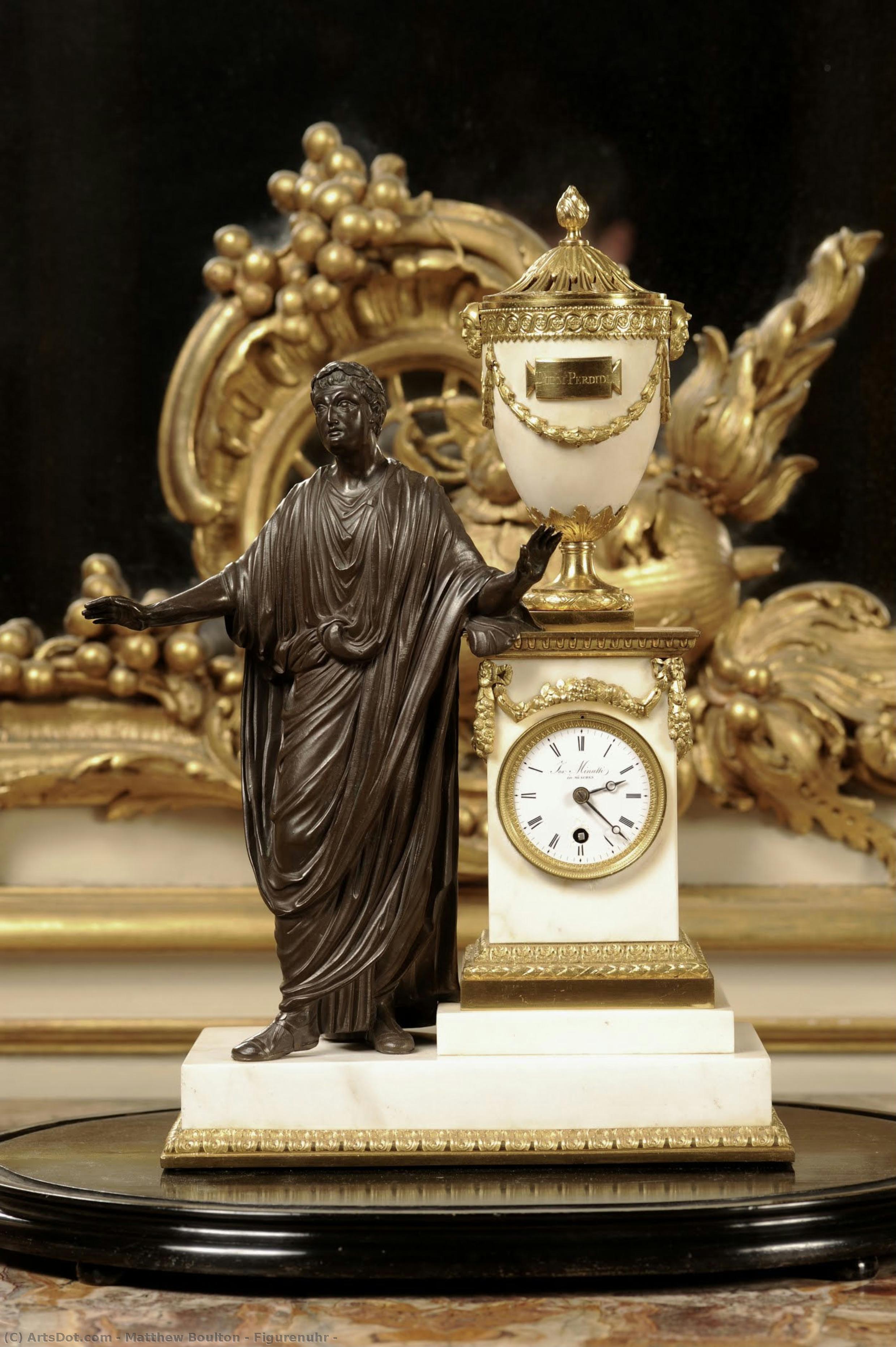
Figurenuhr
 Bronze
- Sculpture
- Romanticism
 1771
1771- Early Modern
 43.0 x 27.0 cm
 قصر سان سوسي
 اقرأ المزيد
طباعة جيلي / مطبوعات فنية
طباعة جيكلي أو كانفاس بجودة المتاحف، مع سرعة في التنفيذ وخيارات متنوعة للتشطيب. ( اطلب نسخة مرسومة يدويًا التحويل إلى الصورة الرقمية)




































اختر من بين أحجامنا المُعدّة مسبقاً والتي تتوافق مع النسب الأصلية للعمل الفني.

يمكنك إدخال أبعاد خاصة لتناسب إطاراً أو مساحة معينة. وفي حال عدم تطابق الحجم المختار مع نسب الصورة الأصلية، سنقوم إما بقص العمل الفني أو تمديد الصورة باستخدام حافة معكوسة أو لون مصمت. وسيتم إرسال نموذج تجريبي رقمي لاعتمادك قبل بدء عملية الإنتاج.
يرجى ملاحظة أن المعاينة على الشاشة لا تعكس عملية القص أو التمديد الفعلية؛ حيث سيوضح النموذج التجريبي فقط التكوين النهائي بدقة.
وعلى الرغم من توفر أحجام مخصصة، إلا أننا نوصي باختيار أبعاد من القائمة المحددة مسبقاً للحفاظ على النسب الأصلية.
توصيل عالمي إلى خلال أسبوعين بدلاً من المدة القياسية البالغة 4/5 أسابيع. (26 سبتمبر)

شحن سريع ومجاني لجميع أنحاء العالم

قماش كتان فاخر

تأمين شامل على الشحن

ضمان استرداد الرسوم الجمركية

ضمان دقة مطابقة الألوان

سياسة الإرجاع خلال 100 يوم (في حالات العيوب فقط)

ضمان استرداد نقدي بنسبة 100%

عرض خصم الكميات
 خيار الزجاج متاح فقط للمقاسات التي تقل عن 110 سم

Figurenuhr
طباعة جيلي / مطبوعات فنية
مقاس النسخة المطبوعة
-


إجمالي السعر
$ 80
A Symphony of Bronze and Time
In the quiet intersection where industrial ingenuity meets the sublime grace of antiquity, there exists the Figurenuhr “Titus.” Crafted around 1771, this extraordinary timepiece is far more than a mere instrument for measuring hours; it is a profound dialogue between the precision of the Enlightenment and the enduring grandeur of the Roman Empire. Born from the collaborative genius of Matthew Boulton, the visionary master of the Soho Manufactory, and the meticulous clockmaker Joseph Minutti, this piece stands as a breathtaking testament to an era that sought to harmonize scientific progress with classical beauty. To behold it is to witness a moment in history when the gears of modern technology were first being polished by the hands of classical idealism.
The sculpture itself commands attention through its masterful use of contrast and texture. At its heart, the figure of Titus Flavius Vespasianus—the Roman Emperor who navigated the complexities of the first century AD—is positioned with a regal, commanding presence atop a vase sculpted from pristine Carrara marble. This marriage of materials creates a sensory experience: the cool, smooth weight of the white marble serves as a pedestal for the luminous, gilded bronze work. Boulton’s Soho Manufactory utilized advanced bronze casting techniques, layered with meticulous enamel painting and gilding, to produce a surface that seems to glow from within. The intricate floral motifs adorning the vase are not merely decorative; they are delicate whispers of nature captured in permanent, shimmering metal.
Symbolism and the Spirit of an Era
Every element of the Figurenuhr “Titus” is steeped in the intellectual currents of the 18th century. During the reign of George III, the British elite looked toward the virtues of ancient Greece and Rome to find inspiration for a burgeoning global power. By depicting Titus, the clock invokes themes of imperial authority, stability, and virtue—values that were deeply resonant during the Enlightenment. The vase, blooming with intricate botanical details, acts as a symbol of fertility and the boundless abundance promised by scientific innovation. It is a piece that captures the optimism of an age where man believed that through reason and craftsmanship, the glories of the past could be resurrected and refined for the future.
For the discerning collector or the interior designer seeking to infuse a space with historical gravity, this work offers an unparalleled emotional impact. It brings with it an atmosphere of sophisticated intellectualism and timeless elegance. Whether placed as a centerpiece in a library filled with leather-bound volumes or as a focal point in a contemporary hall, a reproduction of this masterpiece serves as a bridge between worlds. It invites the viewer to pause, not just to check the time, but to contemplate the enduring legacy of human artistry and the beautiful tension between the fleeting second and the eternal monument.
نبذة عن الفنان
Matthew Boulton: A Pioneer of Industrial Art
Early Life and Background
- Born in Handsworth, West Midlands, England, Matthew Boulton (1728-1809) came from a family deeply involved in manufacturing.
- His father was a successful metalworker, and young Matthew received his early education at the Soho Manufactory, laying the foundation for his future endeavors.
- This upbringing instilled in him both a practical understanding of industrial processes and an appreciation for craftsmanship.
The Establishment of the Soho Mint
- In 1788, Boulton established the Soho Mint, a groundbreaking enterprise that revolutionized coin production.
- He partnered with James Watt, inventor of the improved steam engine, to power machinery used in minting coins and medals.
- This collaboration marked a pivotal moment in the integration of industrial technology into artistic creation.
Artistic Development & Numismatic Innovation
- Boulton wasn’t a traditional artist in the sense of painting or sculpting, but he possessed an exceptional eye for design and detail.
- His primary focus was on numismatics – the study and collection of coins and medals.
- He elevated medal-making from a craft to a fine art form through innovative designs and meticulous execution.
- The use of steam power allowed for greater precision, consistency, and artistic complexity in his work.
Notable Works & Commissions
- Seringapatam Medal (1801-2): Commissioned by the East India Company to commemorate the British victory over Tipu Sultan at Seringapatam. A highly detailed and historically significant medal.
- Battle of Trafalgar Medal (1805): Boulton personally funded the production of this medal, celebrating Admiral Nelson’s triumph. It exemplifies his patriotic spirit and artistic commitment.
- He also produced coins for the East India Company and various other institutions, showcasing a diverse range of designs.
- Other works include various commemorative medals and tokens reflecting significant events and individuals of his time.
Influences & Artistic Style
- Boulton drew inspiration from classical art, particularly the sculptural traditions of ancient Greece and Rome.
- He admired the precision and detail found in antique coins and medals, striving to emulate these qualities in his own work.
- The prevailing Neoclassical style of the late 18th century heavily influenced his designs, emphasizing order, balance, and clarity.
Historical Significance & Legacy
- Matthew Boulton’s innovations transformed coin production, setting new standards for quality and security.
- His integration of steam power into the artistic process was a landmark achievement in industrial history.
- The Soho Mint continued to operate after his death (sold in 1850), leaving a lasting legacy on British coinage and medal-making.
- Boulton’s work demonstrates the powerful synergy between art, industry, and technological advancement. He remains a significant figure in both artistic and industrial history.

matthew boulton
United Kingdom
لمحة سريعة
- Birth_Place: Handsworth, United Kingdom
- Movement: Neoclassical
- Name: Matthew Boulton
- Nationality: British
- Notable Works:
- Seringapatam Medal
- Battle of Trafalgar Medal
مقالات ذات صلة
The Enduring Legacy of Bronze: History, Technique & Artistic Expression for the Collector
Explore the rich history & enduring appeal of bronze sculpture with expert insights for collectors at OriginalUniqueArt. Learn about casting techniques, iconic artists, and collecting tips.

Bronze Sculptures That Defined Art History | OriginalUniqueArt
Journey through art history with our Top 10 bronze sculptures! Explore masterpieces by Rodin, Michelangelo & more. Discover stories behind iconic statues and find museum-quality reproductions for your home decor at OriginalUniqueArt.com.

Bronze Age to Modern Masters: 10 Sculptures That Redefined Art | OriginalUniqueArt
Journey through art history with 10 legendary bronze sculptures – from Michelangelo's David to Rodin’s Thinker. Explore the stories, techniques & timeless beauty of these masterpieces. Find museum-quality reproductions & elevate your home decor on OriginalUniqueArt.com.

The Enduring Legacy of Bronze: A Historical & Artistic Exploration for the Collector
Explore the rich history & enduring appeal of bronze sculpture with expert insights for collectors at OriginalUniqueArt. Learn about casting techniques, iconic artists, collecting tips & contemporary interpretations.

The Enduring Legacy of Bronze Sculpture: A Collector's Guide to Form & Cultural Significance
Explore the rich history & enduring appeal of bronze sculpture with expert insights for collectors at OriginalUniqueArt. Learn about casting techniques, iconic artists, and collecting tips to build a discerning art collection.

