Early Renaissance · 1425
Trinity (مازاتشو, 1425)
أبدع مازاتشو (1401–1428) في Trinity. يعود تاريخها إلى 1425. تنتمي إلى حركة Early Renaissance. صُنعت من Fresco. تُحفظ في سانتا ماريا نوفيلا في فلورنسا, إيطاليا. أبعادها 640 × 317 cm
- 1425
- Fresco
- 640 × 317 cm
- سانتا ماريا نوفيلا, فلورنسا

 لوحة زيتية مرسومة يدوياً
 مشاركة
 مشاركة
 ورقة الحقائق


 تحميل الملف
 قطع مشابهة
 عرض شرائح
 الأسئلة والأجوبة

 الإحصائيات
Trinity باختصار
- العنوان
- Trinity
- الفنان
- مازاتشو (1401–1428)
- تاريخ ميلاد الفنان
- سان جيوفاني فالدارنو, إيطاليا
- التاريخ
- 1425
- الوسيط الفني
- Fresco
- الأبعاد
- 640 × 317 cm
- أين يمكن مشاهدتها
- سانتا ماريا نوفيلا, فلورنسا, إيطاليا
- الحركة
- Early Renaissance
- الحقبة
- Renaissance
- الموضوع
- perspective, religion, humanism, classicalelements, florence, biblicalscene
ماذا يصور Trinity؟
A Portal to the Divine: The Dawn of Renaissance Realism
To step before Masaccio’s Holy Trinity is to witness the exact moment when the flattened, symbolic world of the Middle Ages dissolved into the profound, breathing reality of the Renaissance. Painted between 1425 and 1427 within the hallowed walls of Santa Maria Novella in Florence, this fresco does not merely depict a religious scene; it carves a hole in the very wall of the chapel, inviting the viewer to step into a sacred, three-dimensional space. At its heart lies a revolutionary commitment to humanism—the belief that the divine can be understood through the lens of human experience and physical truth. Through his masterful command of light and form, Masaccio transformed a static icon into a living drama of salvation.
The composition is anchored by the central figure of Jesus Christ, depicted with a startling naturalism that was unprecedented for his era. He stands as the axis of the universe, flanked by the Virgin Mary and Saint John the Evangelist. Unlike the ethereal, weightless figures of the preceding Gothic period, Masaccio’s subjects possess a palpable sense of mass and gravity. Their robes fall with heavy, realistic folds, and their faces carry an emotional depth that speaks to the viewer across centuries. This is not art meant for distant adoration alone; it is art designed to resonate with the human soul, making the theological mysteries of the Trinity feel intimately present within our own physical realm.
The Architecture of Illusion: Mastery of Perspective
Perhaps the most enduring legacy of this masterpiece is Masaccio’s pioneering use of linear perspective. By employing a single vanishing point, he created an architectural illusion so convincing that contemporary viewers felt they were looking into a real, deep chapel rather than at a painted surface. The coffered barrel vault above the figures recedes with mathematical precision, guiding the eye upward and inward. This technical triumph was not merely a display of skill; it served a profound symbolic purpose. By placing the holy figures within a believable, structured environment, Masaccio bridged the gap between the earthly and the divine, suggesting that the sacred exists within the very geometry of our world.
This sense of depth is further enhanced by his sophisticated use of chiaroscuro. The subtle interplay of light and shadow—the way light seems to strike the figures from a consistent source—gives them a sculptural quality. This technique breathes life into the flesh, defining the musculature of Christ and the gentle contours of Mary’s face. For the modern collector or interior designer, this mastery of volume offers a sense of structural elegance and intellectual depth, making it a piece that commands attention through its quiet, commanding presence.
A Timeless Legacy for the Discerning Collector
Beyond the technical brilliance, the Holy Trinity remains an emotional powerhouse. It captures the tension between human mortality and eternal hope. At the base of the composition, the inclusion of the donors—the mortal figures who commissioned the work—serves as a poignant reminder of our own place in the grand tapestry of history. They stand at the threshold, looking up toward the divine, mirroring the journey of every viewer who encounters this fresco.
For those seeking to adorn a space with art that inspires contemplation and awe, a high-quality reproduction of this Masaccio masterpiece offers more than mere decoration. It brings into a home or gallery a piece of the very foundation of Western art. Whether placed in a study filled with books or as a focal point in a grand living space, the Holy Trinity provides an atmosphere of profound stability, historical richness, and enduring beauty. It is an invitation to pause, to look deeper, and to rediscover the breathtaking realism that first ignited the Renaissance.
أي متحف يضم Trinity؟
سانتا ماريا نوفيلا
فلورنسا, إيطاليا
البناء وعمارته تُعد هذه البازيليكا أهم كنيسة من الطراز القوطي الروماني في إقليم توسكانا. ويعكس هيكلها المعماري حقبة طويلة من التطور، حيث بدأ العمل في القسم السفلي من الواجهة القوطية الرومانية في عام 1350 ولم يكتمل نهائياً إلا في عام 1920. وتتجلى الواجهة بمظهرها الفريد من خلال الأنماط الهندسية المكونة من الرخام الأبيض والأخضر، حيث تحدد لفائف كبيرة على شكل حرف S زوايا كل جبهة، مما يوفر حلاً إنشائياً للانتقال بين مستويات الأرضيات المختلفة.


صور عالية الدقة لـ Trinity

مازاتشو, Trinity (1425), سانتا ماريا نوفيلا. ملك عام
أسئلة وإجابات حول Trinity
في أي متحف يُعرض العمل الأصلي "Trinity"؟
يمكنكم مشاهدة العمل الأصلي "Trinity" في سانتا ماريا نوفيلا, فلورنسا, إيطاليا.
ما هي التقنية المستخدمة في "Trinity" للفنان مازاتشو؟
ما هي أبعاد العمل الأصلي "Trinity"؟
تبلغ أبعاد "Trinity" في شكلها الأصلي 640 x 317 cm. وتُعد الأبعاد الأصلية مرجعاً مفيداً عند اختيار حجم النسخة المطبوعة.
ماذا يصور "Trinity"؟
هل يمكن إعادة إنتاج صورة "Trinity" للفنان مازاتشو بحرية؟
إلى أي حركة فنية ينتمي العمل "Trinity" للفنان مازاتشو؟
عن الفنان، مازاتشو

1401–1428, إيطاليا
مازاتشو
ماساتشو (1401-1428): فجر الواقعية في عصر النهضة تُعدّ شخصية ماساتشو، واسمه الحقيقي توماسو دي سير جيوفاني دي سيموني، نقطة تحول حاسمة في تاريخ فن عصر النهضة المبكر. وُلد في 21 ديسمبر عام 1401 في سان جيوفاني فالدارنو بإيطاليا، ورحل عن عالمنا بشكل مأساوي في سن مبكرة عام 1428. على الرغم من قصر حياته المهنية، إلا أن ماساتشو أحدث ثورة في عالم الرسم بفضل تقنياته الرائدة في مجال الواقعية والمنظور والضوء والظل (الكياروسكورو). وعلى الرغم من حياته القصيرة، كان تأثير ماساتشو عميقًا على الأجيال اللاحقة من الفنانين، حيث وضع معيارًا جديدًا للطبيعية وأثر بشكل كبير على مسار الفن الغربي.
وأيضاً لـ مازاتشو
 الثالوث المقدس1428
 جزية المال1425
 الطرد من جنة عدن1426
 تصوير "مُكْرَزة المال" (تفصيل)
مقالات حول Trinity
 Understanding Gothic and Renaissance Art: Key Differences and FeaturesMaster the differences between Gothic and Renaissance art through expert analysis of technique and style. Discover the evolution of art tod…
 25 Masterpieces by Duccio di Buoninsegna: The Dawn of Sienese ArtJourney through the Sienese School with our curated guide to Duccio di Buoninsegna’s top 25 masterpieces. From the Maesta to iconic Madonna…
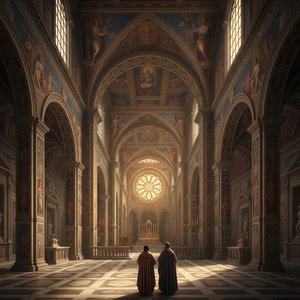 Mastering Depth: The Architectural Power of Linear Perspective in Renaissance MasterpiecesExplore the profound impact of linear perspective on Renaissance art. Discover how masters like Brunelleschi and Uccello used mathematical …