Abstract Expressionism
Untitled 4 (مارك روثكو)
أبدع مارك روثكو (1903–1970) في Untitled 4. تنتمي إلى حركة Abstract Expressionism. صُنعت من Acrylic On Canvas.
- Acrylic On Canvas

 معاينة الحجم الواقعي

 لوحة زيتية مرسومة يدوياً
 مشاركة
 مشاركة
 ورقة الحقائق


 تحميل الملف
 قطع مشابهة
 الأشعة السينية
 عرض شرائح
 الأسئلة والأجوبة

 الإحصائيات
Untitled 4 باختصار
- العنوان
- Untitled 4
- الفنان
- مارك روثكو (1903–1970)
- تاريخ ميلاد الفنان
- داوغافبيلس, لاتفيا
- الوسيط الفني
- Acrylic On Canvas
- الحركة
- Abstract Expressionism
- الموضوع
- color field painting, geometric abstraction, emotional resonance, red hue, blue tone, texture depth
ماذا يصور Untitled 4؟
A Symphony in Color: Exploring Mark Rothko’s No. 4
The painting known simply as “No. 4” by Mark Rothko is more than just pigment on canvas; it's an invitation into a realm of profound contemplation and emotional resonance. Created in 1964 during his prolific period, this monumental work embodies the core tenets of Rothko’s signature style – Color Field Painting – a movement that revolutionized abstract art and continues to captivate audiences worldwide.- Subject Matter: At first glance, “No. 4” presents itself as deceptively simple. It consists of five rectangular blocks of color—primarily deep crimson, cadmium orange, and slate blue—layered atop one another. These rectangles are not sharply delineated; instead, they bleed into each other subtly, creating an ethereal haze that obscures precise boundaries.
- Style: Rothko’s approach transcends mere representation. He eschewed traditional artistic conventions, rejecting illusionistic depth and perspective altogether. Instead, he sought to convey emotion directly through color alone—a radical departure from the prevailing aesthetic sensibilities of his time.
Historical Context: Minimalism and Existential Anxiety
“No. 4” emerged during a period marked by significant cultural upheaval. The rise of Minimalism in the mid-1960s challenged the dominance of figurative art, advocating for austere compositions and unadorned surfaces as expressions of intellectual seriousness. Simultaneously, anxieties surrounding nuclear proliferation and the Cold War fueled existential concerns about humanity’s place in the cosmos—themes that resonated deeply with Rothko's artistic vision. He wasn’t attempting to depict a specific scene or narrative; rather, he aimed to tap into universal human experiences – grief, joy, transcendence – feelings conveyed through pure color.Symbolism and Emotional Impact
Rothko deliberately avoided explicit symbolism, believing that color itself possessed inherent expressive power. However, scholars have interpreted the hues within “No. 4” as representing a spectrum of emotions—crimson symbolizing passion and vulnerability, orange conveying warmth and optimism, and blue embodying serenity and contemplation. The layering effect contributes to this emotional depth, suggesting an unfolding process of feeling rather than a static depiction. Viewing No. 4 is said to induce a state of calm introspection; it encourages the viewer to surrender to the painting's immersive quality and allow themselves to be carried away by its evocative beauty.A Legacy of Color
“No. 4” stands as a testament to Rothko’s unwavering commitment to exploring the expressive potential of color—a legacy that continues to inspire artists and collectors alike. Its enduring appeal lies in its ability to bypass intellectual analysis altogether, communicating directly with the viewer's subconscious mind. A high-quality reproduction captures not only the visual splendor of this masterpiece but also its profound emotional core – a reminder that art can transcend language and offer access to realms of feeling beyond words.صور عالية الدقة لـ Untitled 4

Protected by copyright: these files are for personal reference, not a licence to republish.
مارك روثكو, Untitled 4.
أسئلة وإجابات حول Untitled 4
ما هي التقنية المستخدمة في صنع "Untitled 4"؟
استخدم مارك روثكو تقنية Acrylic On Canvas في عمل "Untitled 4"، وهي التقنية التي تحدد الطبيعة المادية للعمل الأصلي.
ماذا يصور "Untitled 4" للفنان مارك روثكو؟
تتضمن الموضوعات المتضمنة في "Untitled 4" للفنان مارك روثكو كلاً من color field painting, geometric abstraction, emotional resonance, red hue, blue tone, texture depth, minimalist composition، والتي تلخص مجتمعةً فحوى العمل الفني.
هل يمكن إعادة إنتاج صورة "Untitled 4" للفنان مارك روثكو بحرية؟
حالة حقوق الطبع والنشر لـ "Untitled 4" للفنان مارك روثكو: العمل يقع ضمن لا تزال محمية بموجب حقوق الطبع والنشر، وهو ما يحدد مدى إمكانية إعادة إنتاج الصورة بحرية.
من أبدع "Untitled 4"؟
يُنسب العمل "Untitled 4" إلى مارك روثكو.
إلى أي تيار فني تنتمي "Untitled 4" للفنان مارك روثكو؟
ينتمي العمل "Untitled 4" إلى مدرسة Abstract Expressionism، وهي المدرسة التي تمثل التقليد الفني الذي يندرج ضمنه هذا العمل.
إلى أي مرحلة من مراحل تطور مارك روثكو ينتمي العمل "Untitled 4"؟
تندرج لوحة "Untitled 4" ضمن مرحلة Mature Period من مسيرة مارك روثكو المهنية، وهي مرحلة تتيح مقارنة هذا العمل بأعمال الفنان الأخرى.
هل العمل "Untitled 4" للفنان مارك روثكو ضمن الملكية العامة، ولماذا؟
يُعد عمل "Untitled 4" للفنان مارك روثكو من الأعمال التي تندرج ضمن لا تزال محمية بموجب حقوق الطبع والنشر؛ حيث تُحتسب مدة حماية حقوق الطبع والنشر بدءاً من تاريخ وفاة الفنان في عام 1970.
ما الذي يجمع بين "Untitled 4" وبقية أعمال مارك روثكو؟
تندرج لوحة "Untitled 4" ضمن النتاج الفني لـ مارك روثكو، حيث تجسد أسلوب Abstract Expressionism وتستعرض موضوعات color theory, gestalt principles, existential angst, spiritual harmony, rothko legacy.
هل تُعد "Untitled 4" نموذجاً لما اعتاد مارك روثكو على إبداعه عادةً؟
تتضمن الثيمات المتكررة لدى مارك روثكو موضوع color theory, gestalt principles, existential angst, spiritual harmony, rothko legacy؛ بينما يركز عمل "Untitled 4" على color field painting, geometric abstraction, emotional resonance, red hue, blue tone, texture depth, minimalist composition.
عن الفنان، مارك روثكو

1903–1970, لاتفيا
مارك روثكو
نشأة مارك روثكو المبكرة وُلد مارك روثكو في عام 1903 باسم ماركوس ياكوفليڤيچ روثكويتز، في مدينة دافينسك بروسيا، وهو المكان الذي يُعرف اليوم باسم داوغافبيلس في لاتفيا. عاشت عائلته ضمن "منطقة الاستيطان"، وهي منطقة اتسمت بالاضطرابات السياسية وظلال المذابح المستمرة التي كانت تلاحق السكان. وقد رافقت أجواء عدم الاستقرار هذه العائلة عندما هاجرت إلى الولايات المتحدة في عام 1913، حيث استقروا في مدينة بورتلاند بولاية أوريغون بعد عبورهم جزيرة إليس. كان والده، يعقوب، يعمل صيدلانياً، وكان رجلاً مثقفاً ذا توجهات اشتراكية، حيث حرص على خلق بيئة منزلية تتمحور حول التعلم والنقاش الفكري.
وأيضاً لـ مارك روثكو
 المركز الأبيض1950
 رقم 1
 رقم 61 (صدأ وأزرق)1953
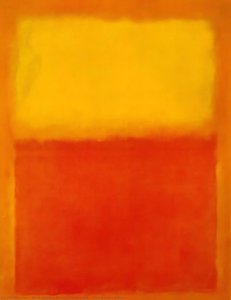 البرتقالي والأصفر1956
مقالات حول Untitled 4
 Abstract Expressionism vs. Pop Art: Distinguishing Emotion from IconographyMaster the shift from raw emotion to pop iconography with our expert art history guide. Explore the evolution of modern art today.
 The Soul of Color: Exploring the Emotional Depth and Existential Resonance of Mark Rothko's MasterpiecesImmerse yourself in the profound emotional landscapes of Mark Rothko. Explore how his revolutionary Color Field paintings use pure pigment …
 أعمال مارك روثكو الخالدة: 25 تحفة فنية تعبّر عن الروح والجمالاكتشف 25 تحفة فنية لمارك روثكو، رائد التعبيرية المجردة. استكشف قصص لوحاته الزيتية الملونة وتأثيرها العميق على عالم الفن والديكور. احصل على …