

 معاينة الحجم الواقعي
 إرسال
إرسال مشاركة
 عرض التفاصيل
 دليل الأعمال الفنية للطلاب

 تحميل
تحميل
 قطع مشابهة
 الأشعة السينية
 عرض شرائح متتابع
 الإحصائيات
Alpine Landscape
 Acrylic On Canvas
- WallArt
- Neo-Classical Modernism
 1930
1930- 19th Century
 70.0 x 80.0 cm
 Boschi Di Stefano House Museum
 اقرأ المزيد
إن العمل الفني المعروض في هذه الصفحة محمي بموجب قوانين حقوق الطبع والنشر، مما يعني أنه لا يحق لنا قانوناً إنشاء أو بيع نسخ مطابقة له. وتُطبق هذه الحماية بموجب الاتفاقيات الدولية مثل الـ اتفاقية برن ووفقاً للقوانين الوطنية، بما في ذلك تلك المنصوص عليها في قانون حقوق الطبع والنشر في الولايات المتحدة - الباب 17.
تتوافق هذه الطريقة تماماً مع لوائح حقوق النشر لأنها لا تتضمن نسخ أو تكرار العمل الفني المحمي، بل هي إعادة تفسير إبداعية؛ أي أنها لوحة جديدة مستوحاة من الأصل ولكنها ليست مطابقة له.
طباعة جيلي / مطبوعات فنية
طباعة جيكلي أو كانفاس بجودة المتاحف، مع سرعة في التنفيذ وخيارات متنوعة للتشطيب. ( اطلب نسخة مرسومة يدويًا التحويل إلى الصورة الرقمية)




P118B E£10

P118H E£10

P118W E£10

P438Z E£10

P508JH E£12

P508YH E£12

P805H E£10

P805Z E£10

P919BZ E£10

P919G E£10

P919XJ E£10

P959ZH E£10

P968JZ E£12

W106C E£8

W218G E£10

W218JH E£8

W218Y E£10

W307PJ E£10

W316G E£10

W316PJ E£8

W316Y E£10

W398PJ E£8

W4111J E£10

W500HY E£15

W500JH E£15

W692G E£12

W849H E£8

W940BG E£15

W953PJ E£8




اختر من بين أحجامنا المُعدّة مسبقاً والتي تتوافق مع النسب الأصلية للعمل الفني.

أدخل العرض والارتفاع اللذين تحتاجهما، ليتناسب مع إطارك أو جدارك. يمكن قص المطبوعة فقط، ولا يمكن أبداً جعلها أكبر من الصورة الأصلية، لذا فإن أي مقاس بشكل مختلف سيؤدي إلى فقدان جزء من الصورة. سنرسل لك نموذجاً رقمياً تجريبياً لاعتماده قبل البدء في عملية الطباعة. الصورة المعروضة في هذه الصفحة لا توضح القص الفعلي — النموذج التجريبي فقط هو ما يظهر ذلك.
توصيل عالمي إلى خلال أسبوعين بدلاً من المدة القياسية البالغة 4/5 أسابيع. (22 أكتوبر)

شحن سريع ومجاني لجميع أنحاء العالم

قماش كتان فاخر

تأمين شامل على الشحن

ضمان استرداد الرسوم الجمركية

ضمان دقة مطابقة الألوان

سياسة الإرجاع خلال 100 يوم (في حالات العيوب فقط)

ضمان استرداد نقدي بنسبة 100%

عرض خصم الكميات
 خيار الزجاج متاح فقط للمقاسات التي تقل عن 110 سم

Alpine Landscape
طباعة جيلي / مطبوعات فنية
مقاس النسخة المطبوعة
-


إجمالي السعر
E£ 4131
Mario Sironi’s ‘Alpine Landscape’: A Study in Quietude and Post-War Reflection
This meticulously crafted hand-painted reproduction of Mario Sironi's “Alpine Landscape” (1930) offers a profound glimpse into the artist’s evolving vision during a pivotal moment in Italian art history. Measuring 70 x 80 cm, the painting immediately draws the viewer into a serene yet subtly melancholic depiction of the Italian Alps. The composition is dominated by a distant mountain range, rendered with a restrained palette and a masterful understanding of atmospheric perspective – hallmarks of Sironi’s mature style. Scattered throughout the scene are buildings, not as flamboyant displays of human activity, but rather as quiet witnesses to the enduring power of nature. These structures, varying in size and placement, subtly introduce an element of human presence without disrupting the overall sense of contemplative isolation.
The Evolution of a Master: Sironi’s Artistic Journey
Born in Sassari, Sardinia, in 1885, Mario Sironi's artistic trajectory was marked by experimentation and a profound shift in sensibility. Initially trained in engineering, he abandoned this path after a debilitating breakdown, recognizing his true calling lay within the realm of art. His early work, exemplified by pieces like “The Student,” reveals an engagement with Divisionism – a technique prioritizing separated colors to achieve luminous effects – reflecting influences from artists like Giovanni Segantini. However, Sironi’s artistic journey took a dramatic turn around 1914 when he briefly embraced Futurism, a movement championing speed and dynamism. Yet, the intensity of this period quickly dissipated, leading him towards a more restrained and introspective approach. Following World War I, Sironi developed his signature style: a monumental, almost monolithic aesthetic characterized by flattened forms, muted colors, and a profound sense of urban alienation – a reflection of the anxieties and uncertainties of the post-war era.
Technique and Materiality: A Legacy of Precision
This reproduction is executed with exceptional attention to detail, faithfully recreating Sironi’s distinctive technique. The artist employed oil paints on canvas, layering thin glazes to build up depth and luminosity. Note the careful rendering of textures – the rough stone of the mountains, the weathered surfaces of the buildings – all contributing to a remarkably realistic effect. The subdued color palette—dominated by grays, blues, and browns—is characteristic of Sironi’s mature style, reflecting his desire to move beyond the expressive gestures of earlier movements and towards a more objective representation of reality. The meticulous brushwork and precise composition demonstrate the artist's dedication to achieving a sense of monumental stillness.
Symbolism and Emotional Resonance
"Alpine Landscape" transcends a simple depiction of a mountain scene; it embodies a deeper philosophical inquiry. The vastness of the mountains, coupled with the isolated buildings, evokes a feeling of human insignificance in the face of nature’s enduring power. The painting's quietude speaks to the post-war disillusionment and the search for meaning that characterized much of European art at the time. It is a testament to Sironi’s ability to capture not just visual reality, but also the emotional weight of his subject matter. This artwork invites contemplation on themes of isolation, resilience, and the relationship between humanity and the natural world – qualities that continue to resonate with viewers today.
الأسئلة والأجوبة
ما هو شكل وحجم "Alpine Landscape"؟
تأتي لوحة "Alpine Landscape" بتنسيق Square، وتصل أبعاد النسخة الأصلية إلى 70 x 80 cm؛ وكلاهما أمر مفيد عند التخطيط لعمل نسخة مطابقة.
من أي بلد ينتمي عمل Neo-Classical Modernism بعنوان "Alpine Landscape"؟
تربط لوحة "Alpine Landscape" بين حركة Neo-Classical Modernism وإيطاليا من خلال مسقط رأس مبدعها.
ما هو اللون الطاغي الذي ينساب عبر "Alpine Landscape" للفنان ماريو سيروني؟
تطغى على "Alpine Landscape" للفنان ماريو سيروني مسحة من اللون Green to Violet Spectrum.
نبذة عن الفنان
ماريو سيروني: حياة في قلب الفن الإيطالي الحديث
ولد ماريو سيروني في الثاني عشر من مايو عام 1885 في مدينة ساساري، سردينيا بإيطاليا، ليكون فناناً يجسد تحولات القرن العشرين وتناقضاته. لم يكن والده سوى مهندس، لكن الجذور الفنية الحقيقية تعود إلى جده لأمه، إجنازيو فيلا، وهو مهندس معماري ونحات مرموق ترك بصمة مبكرة على مسار سيروني الإبداعي. بدأت رحلته نحو الفن بعد دراسة قصيرة للهندسة في جامعة روما، حيث أدرك أن شغفه الحقيقي يكمن في التعبير البصري وليس المعادلات والرسومات الهندسية.
تلقى سيروني تدريبه الرسمي في مدرسة "سكولا ليبرا ديل نودو" التابعة لأكاديمية الفنون الجميلة في روما، حيث التقى بمعلمه الأول والأكثر تأثيرًا، جاكومو باللا. كانت بداياته الفنية متأثرة بقوة بتقنية الانقسامية (Divisionism)، وهي أسلوب يركز على فصل الألوان لخلق إضاءة نابضة بالحياة، كما يتضح في أعماله المبكرة مثل "الطالب". لكن هذه المرحلة لم تكن سوى نقطة انطلاق نحو استكشاف آفاق فنية أوسع.
التطور الفني والاتجاهات المؤثرة
في عام 1914، خاض سيروني تجربة قصيرة مع الحركة المستقبلية (Futurism)، حيث شارك في معرض "غاليريا سبروفيري" في روما. ومع ذلك، سرعان ما تجاوز تركيزها على السرعة والديناميكية، باحثًا عن لغة بصرية أكثر عمقًا وتعقيدًا. جاءت نقطة التحول الحقيقية بعد الحرب العالمية الأولى، حيث بدأ سيروني في تطوير أسلوب يتميز بأشكال ضخمة وثابتة وأشكال هندسية صارمة. لم يكن هذا التغيير مجرد خيار جمالي، بل كان انعكاسًا لتجاربه المؤلمة خلال الحرب وشعوره المتزايد بالعزلة والوحدة. تأثر سيروني بشكل كبير بجورجيو دي كيريكو وكارلو كارا وتأثيرهما في الرسم الميتافيزيقي، بالإضافة إلى عناصر من الكلاسيكية الجديدة والكلاسيكية البدائية.
حركة "نوفيتشينتو إيطاليانو" والأسلوب الناضج
في عام 1922، أصبح سيروني أحد الأعضاء المؤسسين لحركة "نوفيتشينتو إيطاليانو"، وهي حركة تهدف إلى العودة إلى النظام في الفن الأوروبي بعد الحرب، مع التركيز على الوضوح والتقاليد. تميز أسلوبه الناضج بما يلي:
- التركيز على الأشكال الهندسية والأشكال المبسطة.
- جمالية متعمدة وغير متناسقة في الأعمال اللاحقة.
- استكشاف مواضيع الوحدة والعزلة والوضع الإنساني.
- تصوير المناظر الطبيعية الصناعية وحياة الطبقة العاملة.
من أبرز أعماله خلال هذه الفترة "فينوس" (1921-1923) و"الوحدة" ("Solitudine"، 1925). لم تكن هذه الأعمال مجرد لوحات، بل كانت تعبيرًا عن رؤية سيروني للعالم من حوله، عالم مليء بالتناقضات والغموض.
الانتماءات السياسية والحياة المتأخرة
كان سيروني مؤيدًا لبينيتو موسوليني وساهم بشكل كبير في منشورات الفاشية بأكثر من 1700 رسوم متحركة. كان يعتقد في دمج الفن والعمارة، سعى إلى إنشاء أعمال ضخمة للمساحات العامة – مما يعكس مثالية نظام الفاشية. بعد الحرب العالمية الثانية، أدى ارتباطه بالفاشية إلى تراجع شعبيته وتقديره النقدي. انسحب سيروني إلى حد كبير من الحياة العامة، واستمر في الرسم في عزلة نسبية حتى وفاته في الثالث عشر من أغسطس عام 1961 في ميلانو.
الإنجازات الرئيسية والأهمية التاريخية
يمثل عمل سيروني مساهمة كبيرة في الفن الإيطالي الحديث، حيث جسر الفجوة بين المستقبلية والتطورات الفنية اللاحقة. لقد لاقت استكشافاته لمواضيع مثل الوحدة والعزلة صدى لدى قلق القرن العشرين. على الرغم من الجدل المحيط بانتمائه السياسي، فقد عُرضت أعماله في معارض دولية كبرى، بما في ذلك مركز جورج بومبيدو (1981) والأكاديمية الملكية بلندن (1989). يكمن إرث سيروني في تركيبه الأسلوبي الفريد وتصويره القوي للوضع الإنساني في عالم سريع التغير.

ماريو سيروني
1885 - 1961 , إيطاليا
لمحة سريعة
- أعمال بارزة:
- لامبادا (1919)
- فينوس (1921-1923)
- وحدة العزلة (1925)
- الاسم الكامل: ماريو سيروني
- الجنسية: إيطالي
- الحركة الفنية: الحداثة الإيطالية
- الفنانون المؤثرون: ['جياكومو بالا']
- تاريخ الميلاد: 12 مايو 1885
- تاريخ الوفاة: 13 أغسطس 1961
- مكان الميلاد: ساساري، إيطاليا
مقالات ذات صلة

أعمال كاتسوشيكا هوكوساي الـ 25 الأكثر روعة: تحف فنية تزين منزلك بجمال اليابان
اكتشف 25 تحفة فنية آسرة لكاتسوشيكا هوكوساي، رائد فن الأوكييو-إي الياباني. موجة كاناغاوا وجبل فوجي وأكثر! استلهم ديكور منزلك بألوان مائية يابانية خالدة. تسوق لوحات هوكوساي عالية الجودة على OriginalUniqueArt.com.

Echoes of Time: Exploring the Enduring Appeal & Historical Context of Vintage Art Prints
Explore the captivating world of vintage art prints! Discover their history, collecting tips & enduring appeal. Expert insights on chromolithography and building a legacy collection with OriginalUniqueArt.

The Enduring Legacy of Fine Art Prints: Technique, History & Aesthetic Impact
Explore the rich history & techniques of fine art prints. Discover investment potential, assess authenticity, and learn how to preserve your collection with expert guidance. Trusted insights for discerning collectors.

Giclée Prints: Archival Quality & Aesthetic Nuances for the Discerning Collector
Explore the world of giclée prints with OriginalUniqueArt. Learn about archival quality, aesthetic nuances & investment potential. Expert guidance for discerning art collectors seeking museum-quality reproductions and lasting value.
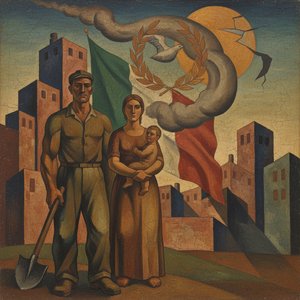
Mario Sironi: A Poetic of Modern Italian Identity Through Symbolism & Social Commentary
Explore the profound works of Mario Sironi, a key figure in Italian Modernism. Discover his evolution from Futurism to Metaphysical painting and his powerful social commentary. Learn about his legacy at OriginalUniqueArt.
