

 إرسال
إرسال مشاركة
 عرض التفاصيل
 دليل الأعمال الفنية للطلاب

 تحميل
تحميل
 قطع مشابهة
 عرض شرائح متتابع
 الإحصائيات
Henriette in the textile workshop
 Black and White Photography
- Photo
- Contemporary Realism
 1907
1907- Modern
 20.0 x 26.0 cm
 Palazzo Fortuny
 اقرأ المزيد
طباعة جيلي / مطبوعات فنية
طباعة جيكلي أو كانفاس بجودة المتاحف، مع سرعة في التنفيذ وخيارات متنوعة للتشطيب. ( اطلب نسخة مرسومة يدويًا التحويل إلى الصورة الرقمية)




































اختر من بين أحجامنا المُعدّة مسبقاً والتي تتوافق مع النسب الأصلية للعمل الفني.

يمكنك إدخال أبعاد خاصة لتناسب إطاراً أو مساحة معينة. وفي حال عدم تطابق الحجم المختار مع نسب الصورة الأصلية، سنقوم إما بقص العمل الفني أو تمديد الصورة باستخدام حافة معكوسة أو لون مصمت. وسيتم إرسال نموذج تجريبي رقمي لاعتمادك قبل بدء عملية الإنتاج.
يرجى ملاحظة أن المعاينة على الشاشة لا تعكس عملية القص أو التمديد الفعلية؛ حيث سيوضح النموذج التجريبي فقط التكوين النهائي بدقة.
وعلى الرغم من توفر أحجام مخصصة، إلا أننا نوصي باختيار أبعاد من القائمة المحددة مسبقاً للحفاظ على النسب الأصلية.
توصيل عالمي إلى خلال أسبوعين بدلاً من المدة القياسية البالغة 4/5 أسابيع. (27 سبتمبر)

شحن سريع ومجاني لجميع أنحاء العالم

قماش كتان فاخر

تأمين شامل على الشحن

ضمان استرداد الرسوم الجمركية

ضمان دقة مطابقة الألوان

سياسة الإرجاع خلال 100 يوم (في حالات العيوب فقط)

ضمان استرداد نقدي بنسبة 100%

عرض خصم الكميات
 خيار الزجاج متاح فقط للمقاسات التي تقل عن 110 سم

Henriette in the textile workshop
طباعة جيلي / مطبوعات فنية
مقاس النسخة المطبوعة
-


إجمالي السعر
$ 80
A Moment Frozen in Monochrome: The Soul of the Workshop
In the quiet, shadowed corners of the Palazzo Pesaro degli Orfei, a single moment from 1907 remains eternally suspended. Mariano Fortuny’s “Henriette in the textile workshop” is far more than a mere photographic record; it is an intimate window into a creative sanctuary where art and life were inextricably woven together. This black and white photograph captures Henriette Negrin, not merely as a subject, but as a vital force within the studio’s industrious atmosphere. As she sits at a table laden with the very fabrics and tools that would define an era of textile innovation, there is a profound sense of purpose radiating from her focused gaze. The image invites the viewer to step into this private world, feeling the weight of history and the quiet intensity of a woman engaged in the meticulous labor of beauty.
The composition masterfully utilizes the interplay of light and shadow to sculpt the scene, employing a technique that borders on the cinematic. Soft illumination bathes Henriette’s face, pulling her from the surrounding gloom, while deep, velvety shadows swallow the edges of the workshop, creating an atmosphere of mystery and reverence. This dramatic use of chiaroscuro does more than just define form; it emphasizes the textures of the workspace—the rough grain of tools, the delicate drape of fabrics, and the heavy presence of stone. Through a slightly elevated perspective, the photographer draws us into the artist’s immediate environment, creating a sense of depth that makes the room feel both expansive in its history and intimate in its shared secrets.
The Symbiosis of Muse and Maker
To understand this piece is to understand the legendary partnership between Mariano Fortuny and his wife, Henriette. While history often remembers Fortuny as the polymathic genius—the inventor of revolutionary lighting and the creator of the iconic Delphos gown—this photograph serves as a poignant reminder that Henriette was his essential collaborator. She was the catalyst for much of his most celebrated work, a pioneer in her own right whose intelligence and aesthetic sensitivity helped shape the very fabric of Venetian decorative arts. In this workshop setting, she is depicted not as a passive muse, but as an active participant in the creative process, embodying the spirit of craftsmanship that defined their shared life.
For the collector or interior designer, this artwork offers a sophisticated layer of narrative depth to any space. It speaks to the values of dedication, heritage, and the pursuit of excellence. The monochromatic palette provides a timeless elegance that complements both classical and contemporary interiors, offering a focal point that is both intellectually stimulating and visually soothing. Whether placed in a library, a studio, or a grand salon, this reproduction brings with it the aura of the Venetian Renaissance revival—a period characterized by an obsession with reviving classical motifs and a profound respect for the tactile beauty of handmade goods.
Ultimately, “Henriette in the textile workshop” is an evocative tribute to the labor of love. It captures the essence of an era where the boundaries between fine art and decorative craft were beautifully blurred. By bringing this piece into a home, one does not just acquire a photograph; one invites the spirit of Fortuny’s legendary atelier—a place of experimentation, light, and enduring elegance—into their own surroundings.
نبذة عن الفنان
بداية حياة ومصادر الإلهام
ماريانو فورتوني، مصمم أزياء وفنان إسباني، ولد في 11 مايو 1871 في غرناطة بإسبانيا. توفي والده، ماريانو فورتوني ي مارسال، وهو رسام متخصص في تصوير المشاهد اليومية، عندما كان ماريانو في الثالثة من عمره فقط. أدى هذا الحدث المأساوي إلى انتقال العائلة إلى باريس، فرنسا، حيث قدمت والدته ماريانو إلى عالم واسع من المنسوجات والأقمشة المتنوعة التي ستلهم إبداعاته لاحقًا. منذ نعومة أظافره، أظهر ماريانو موهبة فنية استثنائية، برع في الرسم والتصوير والنحت والعمارة والطباعة الفنية وتصميم الإضاءة المسرحية.المواهب الفنية والاختراعات الرائدة
لم يقتصر فورتوني على مجال واحد، بل كان فنانًا متعدد المواهب. ابتكر أكثر من عشرين براءة اختراع بين عامي 1901 و 1934، مما أحدث ثورة في عالم تصميم المسرح. قام بتطوير قبة فورتوني الدائرية (Fortuny Cyclorama Dome)، وهي هيكل على شكل نصف دائرة مصنوع من الجص أو القماش، استخدم الإضاءة غير المباشرة لخلق انتقال سلس بين المشاهد. نشر كتابه "الإضاءة المسرحية" (Eclairage Scénique) في عام 1904، والذي وصف فيه اكتشافه لطريقة عكس الضوء على الأسطح المختلفة لتغيير لونه وكثافته وخصائصه. لم تكن هذه الاختراعات مجرد تحسينات تقنية، بل كانت رؤية فنية جديدة تمامًا لكيفية تقديم العروض المسرحية.مساهمات بارزة وتعاونات مؤثرة
اكتسب عمل فورتوني شهرة واسعة في عشرينيات القرن الماضي. تعاون مع شخصيات بارزة، بما في ذلك:- ريتشارد فاغنر، الموسيقار الألماني الشهير، الذي ألهمت أوبيراته ماريانو لرسم مشاهد مستوحاة منها.
- دار الأوبرا الشهيرة لا سكالا في ميلان، حيث قام بتركيب قبته الدائرية، وقام بتكييفها للمسرح الأكبر واختراع مروحة شفط للحفاظ على هيكلها المشدود.
الإرث والتأثير الدائم
توفي ماريانو فورتوني في 3 مايو 1949 في البندقية بإيطاليا. ألهم عمله الروائي الفرنسي مارسيل بروست، وتم تصوير حياته في رواية "فورتوني" للكاتب بيري جيمينير. يستمر إرث ماريانو في التأثير على عالم تصميم المسرح حتى اليوم.- استكشف المزيد حول اختراعات وتصاميم ماريانو فورتوني في مجموعة OriginalUniqueArt.
- اكتشف تأثير عمله على الإضاءة المسرحية في قصة "المتحف المدمر بالحرائق (الولايات المتحدة)"، وهي قصة حدث مؤسف شكل تاريخ الفن الأمريكي، متوفرة على مدونة OriginalUniqueArt.
أعمال مختارة لماريانو فورتوني وفنانين آخرين
- ماريانو فورتوني: ثوب الشاي (متحف الفنون الجميلة، بوسطن، الولايات المتحدة)، متوفر في مجموعة OriginalUniqueArt.
- مارك شاغال: دراسة لأغنية الأغاني الرابع (الفن الساذج / البدائية)، متوفرة في مجموعة OriginalUniqueArt.
- بابلو بيكاسو: كلارينيت (التكعيبية التحليلية، زيت على قماش)، متوفرة في مجموعة OriginalUniqueArt.
- فنسنت فان جوخ: جذور الأشجار (50 × 100 سم، ما بعد الانطباعية، زيت على قماش)، متوفرة في مجموعة OriginalUniqueArt.

ماريانو فورتوني
1871 - 1949 , إسبانيا
لمحة سريعة
- أعمال بارزة:
- فستان الشاي
- صورة هنرييت
- الاسم الكامل: Mariano Fortuny y Marsal
- الجنسية: إسباني
- الحركة الفنية: فن شرقي
- الفنانون المؤثرون: ['ريتشارد فاغنر']
- الفنانون المتأثرون: ['مارسيل بروست']
- تاريخ الميلاد: 11 مايو 1871
- تاريخ الوفاة: 3 مايو 1949
- مكان الميلاد: غرناطة، إسبانيا
مقالات ذات صلة

Monochrome Visions: Exploring the Aesthetic & Historical Significance of Black & White Photography
Explore the rich history & artistic power of black and white photography. From early techniques to iconic masters like Ansel Adams, discover why monochrome continues to captivate art lovers today. Expert insights for collectors.

Dark Masterpieces: 10 Iconic Paintings Dominated by Black Tones |
Explore 10 iconic paintings dominated by black tones, from Rembrandt’s chiaroscuro to Goya's dark expressions. Discover the stories behind these masterpieces & find museum-quality art reproductions for your home at .

White on Canvas: 10 Masterpieces & Timeless Elegance for Your Home Decor
Explore 10 iconic white paintings by Monet, Whistler & Rothko! Discover the stories behind these serene masterpieces and their impact on art history. Find museum-quality reproductions for your home decor at .

Mariano Fortuny: A Fusion of Art, Fashion & Design – Exploring a Venetian Innovator's Legacy
Explore the captivating world of Mariano Fortuny – artist, designer & innovator. Discover his revolutionary textiles, iconic Delphos gown, and lasting influence on art, fashion & interiors. A collector's guide to a Venetian master.
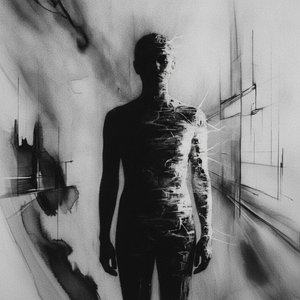
Shadow & Soul: Why Black & White Photography Remains the Ultimate Power Move in Modern Art
Discover why black & white photography remains a powerful force in contemporary art. Explore the impact of light, shadow, and texture through a visual journey of monochrome mastery and learn how to elevate your space with timeless grayscale aesthetics.
