Contemporary Art · 2003
Mourning (ماريا لاسنيج, 2003)
أبدع ماريا لاسنيج (1919–2014) في Mourning. يعود تاريخها إلى 2003. تنتمي إلى حركة Contemporary Art. صُنعت من Painting. تُحفظ في Albertina Klosterneuburg في Klosterneuburg, Austria. أبعادها 205 × 150 cm
- 2003
- Painting
- 205 × 150 cm
- Albertina Klosterneuburg

 معاينة الحجم الواقعي

 لوحة زيتية مرسومة يدوياً
 مشاركة
 مشاركة
 ورقة الحقائق


 تحميل الملف
 قطع مشابهة
 الأشعة السينية
 عرض شرائح
 الأسئلة والأجوبة

 الإحصائيات
Mourning باختصار
- العنوان
- Mourning
- الفنان
- ماريا لاسنيج (1919–2014)
- تاريخ ميلاد الفنان
- كابل آم كرافيلد, النمسا
- التاريخ
- 2003
- الوسيط الفني
- Painting
- الأبعاد
- 205 × 150 cm
- أين يمكن مشاهدتها
- Albertina Klosterneuburg, Klosterneuburg, Austria
- الحركة
- Contemporary Art
- الحقبة
- Contemporary
- الموضوع
- woman, figures, white dress, red color, orange color
ماذا يصور Mourning؟
The Visceral Language of Emotion
In the profound and haunting masterpiece Mourning, the late Austrian visionary Maria Lassnig invites us into a raw, unfiltered exploration of human vulnerability. Created in 2003, this expansive work serves as a powerful testament to the artist's lifelong dedication to her theory of "body awareness." At the heart of the composition, a central female figure emerges with an open-moutched cry, a visceral expression of grief that transcends mere depiction to become a shared human experience. Surrounded by figures that exist in varying states of nakedness and color, the painting dissolves the boundaries between the physical self and the psychological landscape, creating a scene that is as much about internal sensation as it is about external form.
The technique employed here is nothing short of transformative. Lassnig utilizes a vibrant, almost feverish color palette to communicate the intensity of the subject matter. The central figure, bathed in searing reds and warm oranges, acts as a focal point of heat and passion, contrasting sharply with the more varied, multi-colored tones of the surrounding figures. This use of color does not merely decorate the canvas; it functions as a rhythmic pulse, guiding the viewer's eye through a chaotic yet deeply structured emotional journey. The brushwork, characteristic of her later mastery, feels spontaneous and urgent, capturing the fleeting, often painful sensations of being alive.
A Legacy of Subjectivity and Form
To understand Mourning, one must look to the historical context of Lassnig’s evolution within the Austrian art scene. As a pioneer of Informalism and Tachisme, Lassnig moved away from traditional representation toward a style that prioritized the "inner body." This piece stands as a culmination of decades spent navigating the complexities of identity, influenced by her early life in Kappel am Krappfeld and her formative years at the Academy of Fine Arts in Vienna. The figures surrounding the central protagonist—some draped, some bare, some looming in the background—suggest a communal weight to grief, implying that sorrow is never an isolated event but one that ripples through our social and physical connections.
For the discerning collector or interior designer, this artwork offers more than just visual splendor; it provides a profound emotional anchor for any space. The sheer scale of the piece, measuring 150 x 205 cm, allows its commanding presence to dominate a room, turning a wall into a window into the human soul. A high-quality reproduction of this work preserves the delicate nuances of Lassnig's color transitions and the raw energy of her strokes, making it an ideal centerpiece for those seeking to infuse their environment with intellectual depth and avant-garde sophistication. It is a piece that demands conversation, inviting viewers to contemplate the beautiful, tragic, and inescapable nature of our shared existence.
أي متحف يضم Mourning؟
Albertina Klosterneuburg
Klosterneuburg, Austria
A Renaissance on the Danube Nestled in the tranquil charm of Klosterneuburg, just a breath away from the imperial pulse of Vienna, lies a cultural sanctuary that redefines the boundaries of contemporary art. The Albertina Klosterneuburg , which opened its doors in April 2024, is far more than a mere satellite of its famous Viennese counterpart; it is a profound act of cultural stewardship and a bold reimagining of artistic space. Born from the generous legacy of Karlheinz and Agnes Essl, whose private collection was transitioned to the Albertina to ensure its public immortality, this museum breathes new life into the repurposed halls of the former Essl Museum.


صور عالية الدقة لـ Mourning

Protected by copyright: these files are for personal reference, not a licence to republish.
ماريا لاسنيج, Mourning (2003), Albertina Klosterneuburg.
أسئلة وإجابات حول Mourning
أين تُعرض "Mourning" للفنان ماريا لاسنيج اليوم؟
تُعرض لوحة "Mourning" للفنان ماريا لاسنيج في Albertina Klosterneuburg, Klosterneuburg, Austria. ويشير وصف المتحف إلى العمل الأصلي، وليس إلى النسخ المطبوعة.
في أي عام أُبدع العمل "Mourning" للفنان ماريا لاسنيج؟
يعود تاريخ "Mourning" إلى عام 2003، وهو ما يضع العمل ضمن المسيرة المهنية لـ ماريا لاسنيج وفي سياق حقبته الزمنية.
ما هي التقنية المستخدمة في تنفيذ "Mourning" للفنان ماريا لاسنيج؟
استخدم ماريا لاسنيج تقنية Painting في عمل "Mourning"، وهي التقنية التي تحدد الطبيعة المادية للعمل الأصلي.
ما هي أبعاد العمل الأصلي "Mourning" للفنان ماريا لاسنيج؟
تبلغ أبعاد "Mourning" في شكلها الأصلي 150 x 205 cm. وتُعد الأبعاد الأصلية مرجعاً مفيداً عند اختيار حجم النسخة المطبوعة.
ما هي الموضوعات التي يتناولها "Mourning" للفنان ماريا لاسنيج؟
تُصور "Mourning" للفنان ماريا لاسنيج: woman, figures, white dress, red color, orange color.
هل يمكن إعادة إنتاج صورة "Mourning" للفنان ماريا لاسنيج بحرية؟
حالة حقوق الطبع والنشر لـ "Mourning" للفنان ماريا لاسنيج: العمل يقع ضمن لا تزال محمية بموجب حقوق الطبع والنشر، وهو ما يحدد مدى إمكانية إعادة إنتاج الصورة بحرية.
من هو الفنان الذي أبدع "Mourning"؟
تم إبداع "Mourning" بواسطة ماريا لاسنيج. وتصف المعلومات الواردة في هذه الصفحة العمل الأصلي لـ ماريا لاسنيج.
إلى أي تيار فني تنتمي "Mourning" للفنان ماريا لاسنيج؟
تنتمي "Mourning" للفنان ماريا لاسنيج إلى حركة Contemporary Art، التي تمنح العمل سياقه الأسلوبي.
إلى أي مرحلة من مراحل تطور ماريا لاسنيج ينتمي العمل "Mourning"؟
تُمثل "Mourning" الحقبة الإبداعية لـ ماريا لاسنيج خلال فترة Late Period.
عن الفنان، ماريا لاسنيج

1919–2014, النمسا
ماريا لاسنيج
early life and education maria lassnig, an austrian artist known for her painted self-portraits and her theory of 'body awareness', was born on september 8, 1919, in kappel am krappfeld, austria. her early life was marked by her mother's troubled relationship with a much older man, leading to lassnig being raised primarily by her grandmother. this complex family dynamic would later influence her artistic themes. lassnig attended the academy of fine arts in vienna during world war ii, where she began to develop her unique style and approach to art.
وأيضاً لـ ماريا لاسنيج
 At Night when Mice Scream1981
 Untitled (D2XACC)2005
 Woman Power1979
 Selfportrait with telephone1973
مقالات حول Mourning
 Visualizing Sorrow: How Historical Art Captures the Universal Experience of LossExplore how masters like David and Munch visually capture grief through art history. Discover the profound language of loss today.
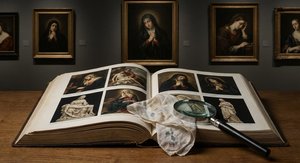 The Visceral Language of Loss: Exploring Grief's Depiction in Art HistoryExplore the profound history of grief in art with OriginalUniqueArt. Discover Renaissance & Baroque masterpieces depicting loss, mourning, …
 Master of the Renaissance: The 25 Greatest Artworks by Albrecht DürerJourney through the Northern Renaissance with our curated guide to the 25 greatest artworks by Albrecht Dürer. From iconic woodcuts to prof…