
 معاينة الحجم الواقعي
 إرسال
إرسال مشاركة
 عرض التفاصيل
 دليل الأعمال الفنية للطلاب

 تحميل
تحميل
 قطع مشابهة
 الأشعة السينية
 عرض شرائح متتابع
 Q&A
Q&A الإحصائيات
Chess Game

- 114.0 x 146.0 cm


 اقرأ المزيد
احصل على ملف جاهز للطباعة يتجاوز بمراحل جودة المعاينة عبر الإنترنت. فكل صورة رقمية نبيعها مستمدة من نسخة أصلية عالية الدقة في قاعدة بياناتنا — تتراوح عرضها عادةً بين 5,000 إلى 15,000 بكسل — مما يتيح لك الطباعة بأحجام كبيرة، أو الاقتصاص بدقة، أو إعادة إنتاج التفاصيل الدقيقة بكل ثقة.
لا تخرج أي صورة من استوديو الخاص بنا دون أن تمر بعملية معالجة دقيقة؛ حيث يقوم خبير رقمي بمطابقة الألوان مع اللوحة الأصلية وتصحيحها عند الضرورة، ثم يعمل على تحسين الوضوح والتفاصيل باستخدام أدوات ترميم احترافية — مع الحفاظ دائماً على أمانة نقل ضربات فرشاة الفنان وأسلوبه. والنتيجة هي صورة تبدو كأنها اللوحة ذاتها، وليست مجرد مسح ضوئي خاضع للفلاتر.
تتم عملية الاعتماد قبل الإتمام النهائي: حيث يرسل خبيرنا الصورة عبر البريد الإلكتروني في غضون 72 ساعة لمراجعتها من قبلك. هل لم تنل النتيجة إعجابك؟ يمكنك طلب تحسينات أو تصحيحات، أو طلب استرداد الأموال إذا لم تكن الجودة بالمستوى المطلوب.
هذه هي الجودة التي يعتمد عليها الناشرون، واستوديوهات التصميم، والمعارض، والمطابع.
صورة رقمية
حمّل ملفاً عالي الدقة للعرض الشخصي، والطباعة، والمشاريع الإبداعية. ( التبديل إلى المطبوعات اطلب نسخة مرسومة يدويًا)
مزايا مُضمّنة مع كل طلب صورة رقمية
خدمة تسليم رقمي احترافية ومضمونة
عندما تختار OriginalUniqueArt.com، فأنت لا تحصل على مجرد صورة فحسب، بل ستحصل على عمل فني رقمي مُحسّن باحترافية، صُمم بدقة متناهية ومصحوب بضمان الرضا. إليك كل ما يتضمنه طلبك تلقائياً:

تسليم سريع عبر البريد الإلكتروني
ستصلك ملفات صورك الرقمية عالية الدقة عبر البريد الإلكتروني في غضون 72 ساعة من إتمام الطلب - لتكون جاهزة للاستخدام الفوري.

ملف رقمي مُعزز بالذكاء الاصطناعي
يتم تحسين عملك الفني باحترافية باستخدام أدوات الذكاء الاصطناعي المتقدمة والتحرير اليدوي، لضمان أقصى درجات التفاصيل والوضوح ودقة الألوان.

إعادة إرسال مجانية مدى الحياة
هل حذفت ملفك أو فقدته عن طريق الخطأ؟ لا تقلق - سنعيد إرساله إليك في أي وقت، مجاناً.

بدون رسوم استيراد - على الإطلاق
استمتع بأعمالك الفنية فوراً دون أي رسوم جمركية أو ضرائب أو مصاريف شحن - فالتحميلات الرقمية دائماً ما تكون معفاة من الضرائب.

ضمان دقة الألوان
نضمن لك دقة انعكاس الألوان الأصلية في صورتك الرقمية بأقصى قدر ممكن، وذلك باستخدام أدوات احترافية وتقنيات متطورة لإدارة الألوان.

ضمان الرضا لمدة 100 يوم
إذا لم تكن راضياً عن صورتك الرقمية، فسنقوم بتعديلها أو استرداد 100% من قيمتها خلال 100 يوم - دون طرح أي أسئلة.

ضمان استعادة الأموال بنسبة 100%
لم تكن راضياً؟ استرد كامل المبلغ خلال 100 يوم من استلام ملفك الرقمي - دون طرح أي أسئلة.

خصومات الطلبات الكبيرة
اشتري 3 صور، ووفر 10% - اشتري 5، ووفر 15% - اشتري +10، ووفر 20%. مثالية للمشاريع الإبداعية، والمعارض، والوكالات.
A Game of Shadows: Marcel Duchamp’s “The Chess Game”
Marcel Duchamp's "The Chess Game," painted in 1910, isn’t merely a depiction of a game; it’s a meticulously crafted tableau of ennui, social constraint, and the burgeoning anxieties of modern life. Housed within the walls of the Philadelphia Museum of Art, this oil on canvas invites viewers into a world where strategic decisions collide with unspoken tensions, all rendered in Duchamp's signature post-impressionist style – a deliberate departure from the naturalistic focus of his predecessors. The painting’s power lies not just in its visual elements but in the complex web of symbolism it weaves, reflecting the intellectual currents of early 20th-century Europe and hinting at Duchamp’s revolutionary approach to art itself.Duchamp's artistic journey leading up to "The Chess Game" was marked by a restless experimentation. Initially drawn to Cubism – evident in his earlier work, *Portrait of Chess Players* – he soon found himself increasingly dissatisfied with the purely formal concerns of the movement. He sought to capture not just the appearance of objects but their underlying essence, their emotional weight. This pursuit led him toward Dadaism and ultimately, Conceptual Art, where the idea behind a work often superseded its physical form. “The Chess Game” embodies this shift, prioritizing atmosphere and psychological suggestion over straightforward representation.
- Post-Impressionist Influence: Duchamp’s use of bold colors – particularly the muted greens and browns that dominate the scene – is characteristic of post-impressionism. However, he employs these colors not to faithfully reproduce reality but to evoke a specific mood: one of quiet desperation and stifled energy.
- Gustave Flaubert's Echoes: The painting’s pervasive sense of boredom and restlessness directly reflects the themes explored by Gustave Flaubert in *Madame Bovary*. Duchamp, deeply influenced by Flaubert’s exploration of female dissatisfaction and the limitations imposed upon women in 19th-century society, uses the chess game as a metaphor for life itself – a strategic battle fought within restrictive social boundaries.
- Brotherly Portraiture: The inclusion of Duchamp's brothers, Raymond and Jacques Villon, alongside their wives, Yvonne and Gaby, is particularly significant. Their postures—hunched over the chessboard, Yvonne reclining languidly on the grass, Gaby nervously fiddling with a tea set—suggest a subtle power dynamic. The exclusion of the women from the game underscores the societal constraints placed upon them at the time, highlighting their limited roles and unspoken frustrations.
The Scene Unfolds: A Garden of Contemplation
The setting itself is crucial to understanding the painting’s emotional impact. It's a meticulously rendered garden scene, yet one devoid of warmth or vitality. The furniture—a table laden with cups, bowls, and spoons—suggests a comfortable domesticity, but it’s juxtaposed against the palpable sense of unease. The chessboard, positioned at the center of the composition, becomes a potent symbol: a battlefield where men engage in intellectual warfare while women are relegated to the periphery. The careful arrangement of objects – the strategically placed cups and bowls, the precise positioning of the chairs – creates a visual rhythm that mirrors the strategic thinking required for success in chess, yet simultaneously underscores the artificiality of the situation.Symbolism and the Chessboard as Metaphor
Beyond its immediate depiction, “The Chess Game” is rich with symbolic meaning. The chessboard itself represents life’s complexities – a series of choices, strategies, and potential outcomes. The players, engrossed in their game, are trapped within this metaphorical landscape, navigating challenges and making decisions that shape their destinies. Duchamp's brothers, as the dominant figures at the table, embody the masculine ideals of the era—intellectual prowess, strategic thinking, and a perceived control over their own lives. The exclusion of the women suggests a critique of patriarchal structures and the limited opportunities available to women in that society. Yvonne’s semi-recumbent position speaks to a sense of passive acceptance, while Gaby's nervous fidgeting hints at suppressed anxieties.Artistic Significance and Reproduction
“The Chess Game” stands as a pivotal work in Duchamp’s artistic development, demonstrating his early experimentation with post-impressionism and foreshadowing his later embrace of Cubism and Conceptual Art. It's a remarkably prescient painting, capturing the anxieties and social tensions of its time while simultaneously anticipating the radical shifts that would transform the art world in the 20th century. OriginalUniqueArt.com offers meticulously crafted oil painting reproductions of this captivating masterpiece, ensuring that every detail—from the subtle nuances of color to the intricate textures of the furniture—is faithfully recreated. These handmade reproductions provide a tangible connection to Duchamp’s revolutionary vision, allowing art enthusiasts and collectors alike to experience the power and beauty of “The Chess Game” in their own homes.- High-Quality Reproduction: Our skilled artists use traditional oil painting techniques to meticulously recreate Duchamp's original work, capturing its unique atmosphere and emotional depth.
- Authentic Materials: We employ only the finest pigments and canvases to ensure that our reproductions are durable and visually stunning.
- A Window into Modernity: Own a piece of art history and gain a deeper understanding of Duchamp’s artistic vision.
Explore more post-impressionist masterpieces and discover the beauty of handmade art at Marcel Duchamp: Chess Game and The Chess Game on OriginalUniqueArt.com.
الأسئلة والأجوبة
أين تقع لوحة "Chess Game" ضمن الموضوعات المتكررة لدى مارسيل دوشامب؟
من بين الثيمات المسجلة لـ مارسيل دوشامب - وهي post-impressionism, flaubert’s ennui, cubist elements, distorted forms, early experimentation, chess game series, dada precursors, exploring modern life - يركز عمل "Chess Game" بشكل خاص على chess, game, boredom, women, exclusion, flaubert, garden, strategy.
ما هو حجم النسخة المطبوعة المقترح لـ "Chess Game" للفنان مارسيل دوشامب؟
حجم الطباعة الموصى به لعمل "Chess Game" للفنان مارسيل دوشامب هو Medium.
ما هو تنسيق "Chess Game"؟
تُعد "Chess Game" للفنان مارسيل دوشامب تكويناً Landscape. ويُنصح بمراجعة الأبعاد قبل اختيار حجم الطباعة.
سيرة الفنان
Marcel Duchamp: ثائر الفن ومحطّم القواعد التقليدية
مارسيل دو شامب، الاسم الذي هز أركان عالم الفن في القرن العشرين، لم يكن مجرد فنان بل كان مفكرًا فلسفيًا ومُحدثًا للضجيج. وُلِد هنري روبرت مارسيل دو شامب في عام 1887 ببلينفيل-سور-مير، فرنسا، لعائلة تقدّر الإبداع الفني، حيث انخرط إخوته أيضًا في عالم الفن. لكن دو شامب لم يكتفِ بالتقليد؛ بل سعى إلى تفكيك الأسس التي يقوم عليها الفن نفسه، وطرح أسئلة جوهرية حول طبيعته وهدفه ومعناه. لم يكن هدفه مجرد تصوير العالم المرئي، بل تحدي الطريقة التي ندركه بها، وما الذي يشكل القيمة الفنية الحقيقية. هذه الرغبة الجامحة في التساؤل والتشكيك أصبحت السمة المميزة لمسيرته الفنية الغزيرة.من التكعيبية إلى الددائية: رفض القيود
شهدت رحلة دو شامب الفنية تطورًا مستمرًا، حيث تخلّى عن الأعراف الراسخة بشكل واعٍ. في بداياته، تأثر بالتكعيبية، كما يتضح في أعمال مثل *صورة لراكبي الشطرنج* (1911)، التي أظهرت اهتمامًا بالأشكال المتقطعة ووجهات النظر المتعددة – وهو انحراف عن التمثيل التقليدي. لكنه سرعان ما تجاوز هذه الاهتمامات الجمالية، مدركًا أن مجرد إعادة ترتيب العناصر البصرية لا يكفي لمعالجة الأسئلة العميقة التي كانت تدور في ذهنه. أدت الأهوال التي خلفها الحرب العالمية الأولى إلى تفاقم هذا الاستياء، مما دفعه إلى تبني الددائية، وهي حركة ولدت من سخط عميق ورفض للعقل والمنطق والقيم الفنية التقليدية. في إطار الددائية، بدأ دو شامب حقًا في تفكيك المفاهيم التقليدية المتعلقة بالفن. لم يكن مهتمًا بإنشاء أعمال جميلة؛ بل أراد أن يثير التفكير، ويتحدى الافتراضات، ويفضح اعتباطية الحكم الجمالي. في هذه الفترة، شهد ميلاد ابتكاره الأكثر جذرية: "الريادي" (Readymade).الرياديّات وتدنيس الفن
كان تقديم الرياديّات – وهي أشياء مصنعة عادية يتم اختيارها وتقديمها كأعمال فنية – هو أهم مساهمة لدو شامب في القرن العشرين. لم تكن هذه مجرد أشياء موجودة؛ بل كانت أفعالًا فنية استفزازية مقصودة. من خلال أخذ شيء عادي مثل المرحاض (*نافورة*، 1917)، وتوقيعه باسم "آر موت" (R. Mutt)، وتقديمه إلى معرض فني، تحدى دو شامب تعريف مهارة الفنان والسلطة الفنية. هل اليد التي صنعت العمل هي التي تخلق العمل الفني، أم أن الأمر يتعلق *بالفكرة* الكامنة وراءه؟ أصبح هذا السؤال جوهرًا لممارسته وأرسى الأساس للفن المفاهيمي. أمثلة أخرى على الرياديّات مثل *L.H.O.O.Q.* (1919)، وهي صورة بطاقة بريدية للموناليزا تم تشويهها بشارب ولحية، كانت انتقادات مرحة ولكنها حادة للتاريخ الفني والأيقونات الثقافية الراسخة. لم تكن هذه الأعمال مخصصة للإعجاب بصفاتها الجمالية؛ بل كانت تهدف إلى إثارة النقاش وإجبار المشاهدين على إعادة النظر في افتراضاتهم المسبقة حول ما يشكل الفن. آمن دو شامب بأن الفن يجب أن يكون في العقل، وليس فقط في العين.الإرث والأثر الدائم
لا يمكن تقدير تأثير مارسيل دو شامب على الأجيال القادمة من الفنانين بشكل كامل. لقد غيّر بشكل أساسي فهمنا للفن، ومهّد الطريق لحركات مثل الفن المفاهيمي والحد الأدنى والفن الشعبي والعديد غيرها. إن تركيزه على فكرة الفنان – المفهوم الكامن وراء العمل – بدلاً من صفاته الجمالية لا يزال يلهم الفنانين اليوم.- التكعيبية: استكشاف مبكر للأشكال المتكسرة والتمثيل المكاني.
- الدادائية: رفض المنطق والعقل والقيم الفنية التقليدية كرد فعل على الحرب العالمية الأولى.
- الفن المفاهيمي: التركيز على الفكرة الكامنة وراء العمل الفني بدلاً من صفاته الجمالية.
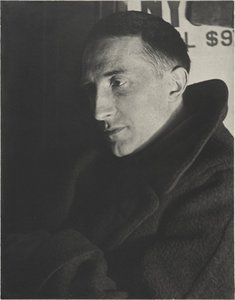
مارسيل دوشامب
1887 - 1968 , فرنسا
حقائق سريعة
- أعمال فنية بارزة:
- نافورة (Fountain)
- إل. إتش. أُو. كيو (L.H.O.O.Q.)
- الزجاج الكبير (The Large Glass)
- الاسم الكامل: مارسيل دوشامب
- الجنسية: فرنسي أمريكي
- الحركة الفنية أو النمط:
- التكعيبية
- الدادية
- الفن المفاهيمي
- الفنانون أو الحركات المتأثرة به:
- الفن المفاهيمي
- الفن البوب
- الحد الأدنى
- تاريخ الميلاد: 28 يوليو 1887
- مكان الميلاد: بلينفيل-سور-مر، فرنسا