
 معاينة الحجم الواقعي
 مشاركة
 مشاركة
 التفاصيل
 دليل
دليل

 تحميل الملف
 قطع مشابهة
 الأشعة السينية
 عرض شرائح
 Q&A
Q&A الإحصائيات
Untitled


 عرض المزيد
إن العمل الفني المعروض في هذه الصفحة محمي بموجب قوانين حقوق الطبع والنشر، مما يعني أنه لا يحق لنا قانوناً إنشاء أو بيع نسخ مطابقة له. وتُطبق هذه الحماية بموجب الاتفاقيات الدولية مثل الـ اتفاقية برن ووفقاً للقوانين الوطنية، بما في ذلك تلك المنصوص عليها في قانون حقوق الطبع والنشر في الولايات المتحدة - الباب 17.
تتوافق هذه الطريقة تماماً مع لوائح حقوق النشر لأنها لا تتضمن نسخ أو تكرار العمل الفني المحمي، بل هي إعادة تفسير إبداعية؛ أي أنها لوحة جديدة مستوحاة من الأصل ولكنها ليست مطابقة له.
طباعة جيلي / مطبوعات فنية
طباعة جيكلي أو كانفاس بجودة المتاحف، مع سرعة في التنفيذ وخيارات متنوعة للتشطيب. ( شراء لوحة مرسومة يدويًا الانتقال إلى الصورة الرقمية)




































اختر من بين أحجامنا المُعدّة مسبقاً والتي تتوافق مع النسب الأصلية للعمل الفني.

أدخل العرض والارتفاع المطلوبين ليتناسب المقاس مع إطارك أو جدارك. يرجى الملاحظة أن المطبوعة يمكن قصها فقط ولا يمكن تكبيرها لتتجاوز أبعاد الصورة الأصلية، لذا فإن اختيار مقاس بأبعاد مختلفة سيؤدي إلى فقدان جزء من الصورة. سنرسل لك نموذجاً رقمياً تجريبياً لاعتماده قبل البدء في عملية الطباعة. الصورة المعروضة في هذه الصفحة لا توضح شكل القص الفعلي — النموذج التجريبي فقط هو ما يظهر ذلك بدقة.
توصيل عالمي إلى خلال أسبوعين بدلاً من المدة القياسية البالغة 4/5 أسابيع. (2 نوفمبر)

شحن سريع ومجاني لجميع أنحاء العالم

قماش كتان عالي الجودة

تأمين شامل على الشحن

ضمان استرداد الرسوم الجمركية

ضمان مطابقة الألوان الحقيقية

سياسة الإرجاع خلال 100 يوم (في حالات العيوب فقط)

ضمان استرداد نقدي بنسبة 100%

خصم عند طلب كميات
 خيار الزجاج متاح فقط للمقاسات التي تقل عن 110 سم

Untitled
طباعة جيلي / مطبوعات فنية
مقاس النسخة المطبوعة
-


إجمالي السعر النهائي
E£ 4184
السيرة الذاتية للفنان
The Defiant Pulse of a Spanish Visionary
Manolo Valdés stands as a singular figure in the pantheon of contemporary art, a creator whose hands move between the fluid grace of paint and the monumental weight of sculpture. Born on March 8, 1942, in Valencia, Spain, Valdés emerged from a landscape shaped by profound political tension. His artistic journey began at the Escuela de Bellas Artes de San Carlos, where he spent his formative years honing the technical mastery that would later allow him to dismantle tradition from within. In 1964, alongside Rafael Solbes and Juan Antonio Toledo, he co-founded the legendary collective Equipo Crónica. This was not merely an artistic alliance but a deliberate act of visual insurrection against the suffocating atmosphere of the Franco dictatorship. Through this group, Valdés introduced a language of resistance that utilized the vibrant, accessible aesthetics of Pop Art to stage critiques of societal norms, injecting biting humor and irony into the very fabric of Spanish cultural life.
As the decades progressed, Valdés’s work evolved from the collective political provocations of his youth toward a deeply personal exploration of art history itself. While his early years were defined by the subversive energy of Equipo Crónica, his solo trajectory has been marked by a profound dialogue with the masters of the past. He does not merely imitate; he reinterprets. His vision draws heavily from the psychological depth and chiaroscuro of Velázquez and Rembrandt, as well as the expressive power of Rubens, Matisse, and Picasso. In his hands, these historical echoes are transformed into something entirely contemporary—a style often described through the lens of "liquid art," where light and color possess a tactile, almost sculptural quality that seems to flow across the canvas.
A Synthesis of Texture, Symbolism, and Light
The brilliance of Valdés’s oeuvre lies in his ability to bridge the gap between the monumental and the intimate. His works are often characterized by a forceful presence, utilizing large-scale formats that command the space they inhabit. Whether working in etchings, collages, or massive sculptures, he meticulously recreates textures that evoke a sensation of touch, making the visual experience a physical one. This tactile approach is frequently paired with a sophisticated use of historical symbols, which he deconstructs and reassembles to create new narratives. In pieces such as Retrato, one sees his skillful manipulation of form, where faces are abstracted into a kaleidoscope of vibrant blues, yellows, and oranges, inviting the viewer into a labyrinth of interpretation.
His technical mastery allows him to play with the concept of depth and dimension in ways that defy simple categorization. By blending elements of Pop Art with the emotive weight of Abstract Expressionism, he creates works that are both graphically striking and emotionally resonant. This duality is perhaps most evident in his use of lighting; he employs light not just to illuminate a subject, but to sculpt it, giving his figures a sense of breathing life within their layered, symbolic environments. This mastery has earned him a place in the world's most prestigious institutions, with exhibitions spanning from the Guggenheim in New York to galleries in London, Paris, Berlin, and beyond.
Legacy and Global Recognition
The significance of Manolo Valdés extends far beyond his individual technical achievements; he represents a bridge between the era of political resistance and the era of globalized contemporary expression. His career is a testament to the enduring power of art to serve as both a mirror to society and a window into the human psyche. Throughout his life, he has received numerous accolades that reflect his impact on the international stage, including honors from the Bridgestone Art Museum in Lisbon and the National Award for Plastic Arts in Spain.
Today, residing and working in New York City, Valdés continues to push the boundaries of mixed media. His legacy is defined by a refusal to be static—a constant movement between the old and the new, the political and the poetic. He remains an artist who reminds us that tradition is not a museum to be guarded, but a living, breathing foundation upon which we can build entirely new worlds. Through his work, the shadows of the past are illuminated by the vibrant, defiant colors of the present.

Manolo Valdés
1942 -
حقائق سريعة
- Full Name: Manolo Valdés
- Nationality: Spanish
- Date Of Birth: 1942
- Place Of Birth: Valencia, Spain
- Notable Artworks:
- Untitled
- Retrato
- Reina Mariana
- Artistic Movement Or Style: Liquid Art; Pop Art
- Artists Who Influenced This Artist:
- Velázquez
- Rembrandt
- Rubens
- Matisse
- Picasso
- Artists Or Movements Influenced By This Artist: ['Equipo Crónica']
مقالات ذات صلة

Pop Surrealism Unveiled: The Sophisticated Intersection of Vibrant Pop Art and Dreamlike Subconscious Landscapes
Explore the captivating world of Pop Surrealism. Discover how vibrant Pop Art meets dreamlike subconscious imagery through the works of masters like Jeff Soto and Ryan Heshka. An expert guide for discerning collectors seeking to understand this profound contemporary art movement.
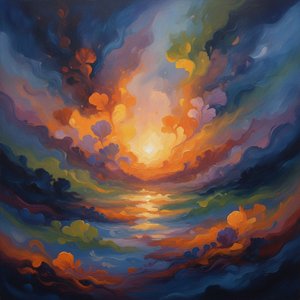
The Soul of Color: A Journey into the Emotional Resonance of Lyrical Abstraction
Embark on a cultural journey through Lyrical Abstraction. Explore how masters like Kandinsky used color and motion to translate emotion into visual poetry. Discover the profound beauty of abstract expressionism and learn to curate emotional resonance in your own art collection.

أكثر 10 روائع فنية حدّدت حركة التجريد الهندسي | OriginalUniqueArt.com
اكتشف 10 روائع فنية غيرت مسار التجريد الهندسي! تعرف على بيكاسو، موندريان وماليفيتش وغيرهم. لوحات أصلية وإعادة إنتاج فاخرة لديكور عصري. استلهم منزلك مع OriginalUniqueArt.com

أعلى 10 روائع تحدد الرمزية التعبيرية: رحلة في الفن الراقي و لوحات مميزة
اكتشف روائع الرمزية التعبيرية! استكشف 10 لوحات أيقونية مع جاكسون بولوك ومارك روثكو. قصص فنانين، تقنيات فريدة، وأعمال خالدة. احصل على لوحات مميزة لديكور منزلك الفاخر. تسوق الآن على OriginalUniqueArt.com!
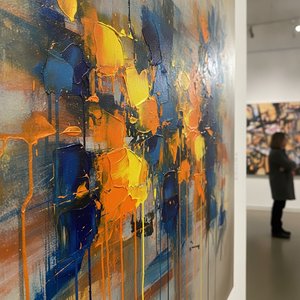
Beyond the Lines: Mastering the High-Impact World of Contemporary Abstraction
Master the high-impact world of contemporary abstraction. Discover how bold colors, textures, and modern movements like Abstract Expressionism can transform your space with premium, high-energy art curated for the design-conscious professional.