Surrealism
Reflections (مان راي)
أبدع مان راي (1890–1976) في Reflections. تنتمي إلى حركة Surrealism. صُنعت من Acrylic On Canvas. تُحفظ في متحف أوكار نيميهير في كورييتبا, البرازيل.
- Acrylic On Canvas
- متحف أوكار نيميهير, كورييتبا

 معاينة الحجم الواقعي

 لوحة زيتية مرسومة يدوياً
 مشاركة
 مشاركة
 بطاقة المعلومات


 تحميل الملف
 قطع مشابهة
 الأشعة السينية
 عرض شرائح
 الأسئلة والأجوبة

 الإحصائيات
Reflections باختصار
- العنوان
- Reflections
- الفنان
- مان راي (1890–1976)
- تاريخ ميلاد الفنان
- فيلادلفيا, الولايات المتحدة الأمريكية
- الوسيط الفني
- Acrylic On Canvas
- أماكن العرض
- متحف أوكار نيميهير, كورييتبا, البرازيل
- الحركة
- Surrealism
- الموضوع
- photography, surrealism, dadaism, sculpture, avant-garde, minimalism
ماذا يصور Reflections؟
Man Ray's Reflections: A Surrealist Dialogue Between Light and Form
Man Ray’s “Reflections,” painted in 1931, stands as a testament to the burgeoning surrealist movement’s fascination with exploring subconscious landscapes and challenging conventional perceptions of reality. Created during a period marked by profound artistic experimentation—fueled by Dadaism's rejection of logic and reason—the painting embodies Ray’s signature approach: meticulous observation combined with deliberate distortion.
The artwork depicts a solitary figure positioned before a wall adorned with intricate geometric patterns. These patterns aren’t merely decorative; they serve as conduits for visual metaphors, mirroring the complexities of human experience. The artist skillfully employs chiaroscuro—the dramatic interplay between light and shadow—to sculpt the form of the subject, emphasizing its stillness and vulnerability against the assertive backdrop.
- Style: Surrealism – Ray’s work aligns with the movement's core tenets of dreamlike imagery and irrational juxtapositions.
- Technique: Oil on Canvas – Ray favored oil paints for their ability to capture subtle tonal variations and create a rich textural surface, reflecting his dedication to realism within an unreal context.
- Historical Context: The painting emerged from the aftermath of World War I, mirroring the anxieties and disillusionment prevalent in European intellectual circles. Dadaism’s rebellious spirit directly influenced Ray's artistic vision.
Beyond its formal qualities, “Reflections” resonates with deeper symbolic meanings. The wall represents societal constraints—the barriers that impede individual freedom—while the figure embodies introspection and contemplation. Ray invites viewers to consider how perception shapes reality, prompting a dialogue between conscious awareness and unconscious desire.
The painting’s muted palette contributes to its contemplative mood, fostering a sense of quiet solitude. Its understated elegance speaks volumes about Ray's mastery of artistic expression—a celebration of beauty found within the realm of dreams and shadows. “Reflections” remains an enduring emblem of surrealist artistry and continues to inspire admiration for its profound psychological depth.
Exploring Man Ray’s Dadaist Roots
Man Ray’s artistic journey began amidst the turbulent backdrop of Dadaism, a movement born from the horrors of World War I. Marcel Duchamp's provocative proposition—the “ready-made”—challenged established notions of art and authorship, urging artists to question traditional hierarchies.
This influence is palpable in Ray’s early sculptures, notably “The Gift,” where he repurposed a flatiron with tacks – an everyday object elevated into an artistic statement. This act embodies Dadaism's core ethos: embracing chance, absurdity, and rejecting bourgeois values. It signaled a decisive break from academic conventions.
Ray’s exploration of photography mirrored this rebellious spirit. He meticulously documented the world around him, but not with a desire for objective representation; rather, he sought to capture fleeting moments of emotion and sensation—transforming images into conduits for subconscious thought.
Man Ray's Cinematic Vision
Ray’s artistic pursuits extended beyond painting and sculpture. He ventured into filmmaking, collaborating with directors like Jean Renoir and Luis Buñuel on groundbreaking projects that pushed the boundaries of cinematic storytelling. His films often incorporated surrealist techniques—dreamlike sequences, illogical narratives—reflecting his unwavering commitment to artistic experimentation.
His work as a portraitist and fashion photographer solidified his reputation as an innovator of visual language. Ray skillfully manipulated light and composition to create images that captivated audiences and conveyed profound emotional resonance. He remains celebrated for his ability to transform ordinary subjects into extraordinary expressions of art.
أي متحف يضم Reflections؟
متحف أوكار نيميهير
كورييتبا, البرازيل
المتحف النيماير العظيم: سيمفونية من الخرسانة والنور في كوريتبا يقع المتحف النيماير العظيم في قلب مدينة كوريتبا البرازيلية، وهي مدينة تتألق بتخطيطها الحضري المبتكر والتزامه بالاستدامة، ويُعد هذا الصرح المعماري تحفة فنية وتاريخية تستحق الزيارة والتعمق فيها. إنه أكثر من مجرد مكان لعرض الفنون البرازيلية؛ بل هو تجربة غامرة تروى قصة العظمة الإبداعية لأسطورة التصميم المعماري، أوكار نيمير، الذي لم يكتفِ بتشكيل هذا المكان فحسب، بل أرسخ مكانته كواحد من أبرز رواد الفكر المعماري في القرن العشرين. ويُعرف المتحف اختصارًا باسم MON، وتُوّجه إليه الأنظار بعيون حالمة بسبب إضافة فريدة تتجسد في شكل عين عملاقة، تطل على بحيرة هادئة تعكس جمال التصميم وتضفي عليه طابعًا خاصًا، لتدعو الزائر في رحلة استكشافية عبر التراث الفني البرازيلي والاتجاهات المعاصرة التي استلهمت منه الأفكار والإلهام.


صور عالية الدقة لـ Reflections

محمية بموجب حقوق الطبع والنشر: هذه الملفات مخصصة للاستخدام الشخصي فقط، ولا تُعد ترخيصاً لإعادة النشر.
مان راي, Reflections, متحف أوكار نيميهير.
أسئلة وإجابات حول Reflections
أين يمكنني مشاهدة العمل الأصلي "Reflections" للفنان مان راي؟
يمكنكم مشاهدة العمل الأصلي "Reflections" في متحف أوكار نيميهير, كورييتبا, البرازيل.
ما هي التقنية المستخدمة في تنفيذ "Reflections" للفنان مان راي؟
تعتمد التقنية المستخدمة في "Reflections" للفنان مان راي على Acrylic On Canvas، وتهدف النسخ المطبوعة إلى محاكاة مظهر هذه التقنية.
ماذا يصور "Reflections" للفنان مان راي؟
تتمثل موضوعات "Reflections" في photography, surrealism, dadaism, sculpture, avant-garde, minimalism, texture.
هل العمل "Reflections" ضمن الملكية العامة؟
تندرج لوحة "Reflections" للفنان مان راي ضمن نطاق لا تزال محمية بموجب حقوق الطبع والنشر، وتحدد هذه الحالة الشروط التي يمكن بموجبها إعادة إنتاج صورة العمل الفني.
من هو الفنان الذي يُنسب إليه العمل "Reflections"؟
تم إبداع "Reflections" بواسطة مان راي. وتصف المعلومات الواردة في هذه الصفحة العمل الأصلي لـ مان راي.
إلى أي أسلوب ينتمي "Reflections"؟
تنتمي لوحة "Reflections" للفنان مان راي إلى حركة Surrealism الفنية، ويضع هذا التصنيف العمل ضمن سياق مجموعة من الفنانين والأعمال الفنية ذات الصلة.
إلى أي مرحلة من مسيرة مان راي الفنية تنتمي لوحة "Reflections"؟
ينتمي العمل "Reflections" إلى الفترة Early Period من مسيرة مان راي المهنية، مما يربط هذا العمل بمراحل تطور الفنان الفني.
ما سبب الوضع الحالي لحقوق الطبع والنشر لـ "Reflections"؟
تعتمد حالة حقوق الطبع والنشر لـ "Reflections" - لا تزال محمية بموجب حقوق الطبع والنشر - على تاريخ وفاة الفنان في 1976.
هل بقيت "Reflections" في الموطن الأصلي لفنانها؟
لا - العمل الفني موجود خارج البلاد. تُعرض لوحة "Reflections" في البرازيل، بينما وُلد مان راي في الولايات المتحدة الأمريكية.
عن الفنان، مان راي

1890–1976, الولايات المتحدة الأمريكية
مان راي
A Life Illuminated by Shadows Emmanuel Radnitzky, known globally as Man Ray, was a restless spirit who defied easy categorization. Born in 1890 in Philadelphia to Russian Jewish immigrant parents, his journey from aspiring painter to pioneering photographer and filmmaker embodies the radical artistic ferment of the early 20th century. The shift from “Manny” Radnitzky to the enigmatic “Man Ray” itself speaks volumes about an artist determined to forge a new identity, one unbound by convention. His family’s move to New York City proved pivotal, exposing him to the burgeoning modernist scene and instilling in him a lifelong fascination with experimentation.
أعمال أخرى لـ مان راي
 La Galerie Surréaliste, rue Jacques Callot
 Pisces1938
 Rayograph (The Kiss)1922
 Solarisation1931
مقالات حول Reflections
 Chaos & Absurdity: Top 10 Dadaism Masterpieces That Defied ArtExplore iconic Dadaism works by Duchamp and Ernst. Discover the beauty of the absurd. Explore the full collection online at OriginalUniqueA…
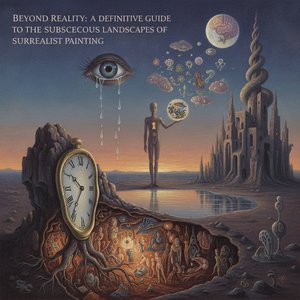 Beyond Reality: A Definitive Guide to the Subconscious Landscapes of Surrealist PaintingExplore the profound depths of Surrealism with our expert guide. Discover the history, symbolism, and psychological mastery behind iconic w…
 What is Man Ray? The Life and Legacy of a Surrealist PioneerDiscover Man Ray's experimental rayographs and explore how his surrealist masterpieces are recreated in our museum-quality oil painting rep…