
 معاينة الحجم الحقيقي
 مشاركة
 مشاركة
 التفاصيل

 تحميل الملف
 قطع مشابهة
 الأشعة السينية
 عرض شرائح
 الإحصائيات
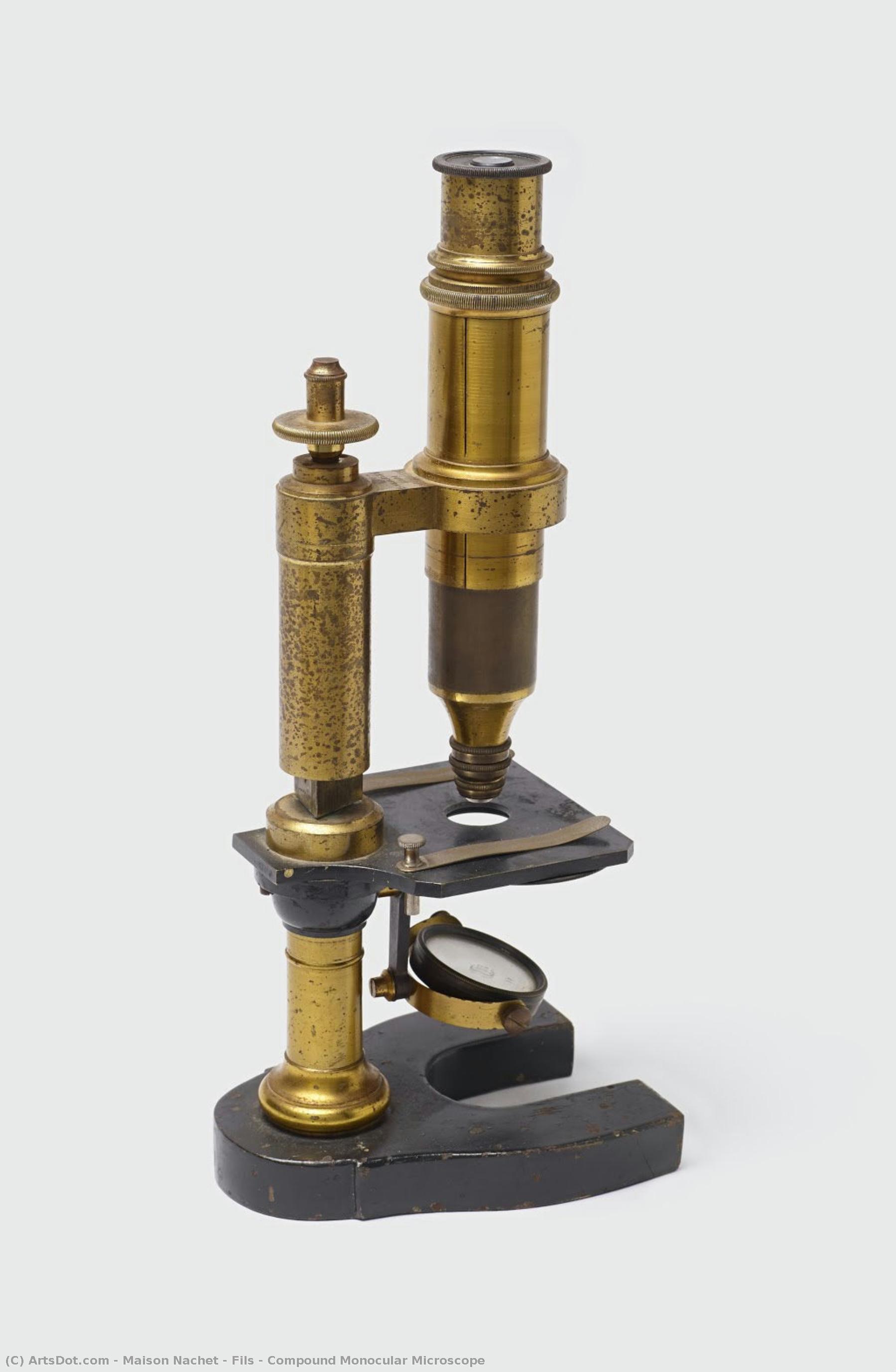
Compound Monocular Microscope


 عرض المزيد
نسخة زيتية مصنوعة يدوياً
لوحة زيتية مرسومة يدوياً على الكانفاس بالمقاس والإطار الذي تفضله، تُنفذ حسب الطلب على أيدي فنانينا. ( التحويل إلى المطبوعات الانتقال إلى الصورة الرقمية)




































اختر من بين أحجامنا المُعدّة مسبقًا والتي تتطابق مع النسب الأصلية للعمل الفني.

يمكنك إدخال أبعادك الخاصة لتناسب إطارًا معينًا أو مساحة محددة. وإذا لم يتطابق الحجم الذي اخترته مع نسب الصورة الأصلية، فسنقوم إما بقص العمل الفني أو توسيع اللوحة بإضافة عناصر مرسومة يدويًا. سيتم إرسال نموذج رقمي إليك للموافقة عليه قبل بدء الإنتاج.
يرجى ملاحظة أن المعاينة على الشاشة لا تعكس عملية القص أو التوسيع الفعلية؛ حيث إن النموذج الرقمي وحده هو الذي سيوضح التكوين النهائي بدقة.
وعلى الرغم من توفر أحجام مخصصة، إلا أننا نوصي باختيار أبعاد من القائمة المحددة مسبقًا للحفاظ على النسب الأصلية للعمل الفني.
بعد إتمام الطلب، سيرسل فريق OriginalUniqueArt.com بريداً إلكترونياً للعميل لطلب التعليمات وتزويده بمعاينة تجريبية (mockup).
توصيل عالمي إلى خلال 3 إلى 4 أسابيع بدلاً من المدة المعتادة البالغة 5 أسابيع. (11 سبتمبر). جودة لا تهاون فيها.

شحن سريع ومجاني لجميع أنحاء العالم

قماش كتان عالي الجودة

تأمين شحن شامل

ضمان استرداد الرسوم الجمركية

ضمان مطابقة الألوان الحقيقية

سياسة الإرجاع خلال 100 يوم (في حالات العيوب فقط)

ضمان استرداد نقدي بنسبة 100%

خصم عند طلب عدة قطع
 خيار الزجاج متاح فقط للمقاسات التي تقل عن 110 سم

Compound Monocular Microscope
خامة إعادة الإنتاج
مقاس النسخة المطبوعة
-


السعر الإجمالي النهائي
$ 300
السيرة الذاتية للفنان
A Legacy of Precision: Maison Nachet & Fils and the Dawn of Modern Microscopy
Maison Nachet & Fils stands as a testament to France’s contribution to scientific advancement during the 19th century – specifically, its pivotal role in establishing the foundation for modern microscopy. Founded by Charles-Augustin Nachet in Lyon around 1840, this optical instrument manufacturer didn't merely produce telescopes and eyeglasses; it spearheaded innovation that fundamentally altered how scientists observed the microscopic world. Their unwavering commitment to quality craftsmanship and meticulous design cemented their place as pioneers of a transformative era.- Early Years & Founding Principles: Charles Augustin Nachet inherited his father’s optical workshop, recognizing the burgeoning demand for instruments capable of revealing unseen realms. Driven by a passion for accuracy and fueled by advancements in glassmaking techniques—particularly flint glass—Nachet established Maison Nachet & Fils with a singular goal: to create microscopes that surpassed existing models in clarity and reliability.
- Innovation Through Flint Glass: Unlike the prevailing use of Crown glass, which offered acceptable magnification but lacked optimal illumination, Nachet championed the incorporation of flint glass into his microscope designs. This groundbreaking decision dramatically improved image brightness and reduced chromatic aberration—the color fringing that plagued earlier instruments. It was a strategic move reflecting the broader scientific understanding of the time.
- The Rise of Compound Microscopes: Maison Nachet & Fils quickly became synonymous with compound microscopes – instruments utilizing two lenses to achieve greater magnification than single-lens telescopes. Their meticulous construction, employing hardened steel frames and precisely calibrated optics, ensured stability and consistent performance—factors crucial for accurate scientific observation.
A Workshop Dedicated to Excellence: Craftsmanship & Technological Advancement
The Nachet family’s dedication extended beyond mere production; it encompassed a profound understanding of optical principles. They invested heavily in research and development, attracting skilled artisans and technicians who shared their vision for superior instrument design. Their workshop meticulously adhered to stringent quality standards—a rarity in the industrializing landscape of Lyon—resulting in microscopes that became prized possessions among researchers across Europe and beyond. Detailed drawings and specifications documented every step of the manufacturing process, reflecting a commitment to reproducibility and scientific rigor.- Collaboration with Scientists: Maison Nachet & Fils actively engaged with prominent scientists of their time, fostering partnerships that propelled innovation. Collaborations with figures like Louis Pasteur cemented the company’s reputation for supplying instruments vital to groundbreaking discoveries—most notably Pasteur's work on germ theory.
- Design Philosophy: The firm’s aesthetic sensibilities prioritized functionality alongside elegance. Microscopes were crafted from polished brass and fitted with comfortable eyepieces, demonstrating a consideration for both scientific utility and user experience. This attention to detail underscored the belief that instruments should inspire curiosity and facilitate accurate observation.
Impact & Legacy: Shaping Scientific Observation
Maison Nachet & Fils’ microscopes weren't simply tools; they were catalysts for scientific progress. Their superior optics enabled researchers to visualize cells, bacteria, and viruses with unprecedented detail—laying the groundwork for advancements in medicine, biology, and chemistry. The company’s influence extended far beyond Lyon, establishing a global network of distributors and cementing its position as one of France's foremost instrument makers.- Continued Production & Recognition: Maison Nachet & Fils continued to operate into the early 20th century, adapting to evolving scientific needs while maintaining its commitment to quality. Their instruments were utilized in laboratories worldwide and became recognized as benchmarks of excellence—a testament to their enduring legacy.
A Symbol of French Scientific Heritage
Today, Maison Nachet & Fils’ microscopes reside in museums and universities globally, serving as tangible reminders of France's contribution to the history of science. They represent more than just instruments; they embody a spirit of innovation, meticulous craftsmanship, and unwavering dedication to advancing human understanding—qualities that continue to inspire optical instrument makers and scientists alike.
maison nachet & fils
France
حقائق سريعة
- Artistic Movement Or Style: Scientific Instrument Making
- Full Name: Charles Augustin Nachet & Fils
- Nationality: French
- Notable Artworks: ['Compound Monocular Microscope']
- Place Of Birth: Paris, France