

 معاينة الحجم الواقعي
 إرسال
إرسال مشاركة
 عرض التفاصيل
 دليل الأعمال الفنية للطلاب

 تحميل
تحميل
 قطع مشابهة
 الأشعة السينية
 عرض شرائح متتابع
 الإحصائيات
Crucifixion (Triptych)
 Oil On Canvas
- WallArt
- Renaissance
 1545
1545 101.0 x 58.0 cm
 متحف الإرميتاج
 اقرأ المزيد
طباعة جيلي / مطبوعات فنية
طباعة جيكلي أو كانفاس بجودة المتاحف، مع سرعة في التنفيذ وخيارات متنوعة للتشطيب. ( اطلب نسخة مرسومة يدويًا التحويل إلى الصورة الرقمية)




P118B E£10

P118H E£10

P118W E£10

P438Z E£10

P508JH E£12

P508YH E£12

P805H E£10

P805Z E£10

P919BZ E£10

P919G E£10

P919XJ E£10

P959ZH E£10

P968JZ E£12

W106C E£8

W218G E£10

W218JH E£8

W218Y E£10

W307PJ E£10

W316G E£10

W316PJ E£8

W316Y E£10

W398PJ E£8

W4111J E£10

W500HY E£15

W500JH E£15

W692G E£12

W849H E£8

W940BG E£15

W953PJ E£8




اختر من بين أحجامنا المُعدّة مسبقاً والتي تتوافق مع النسب الأصلية للعمل الفني.

يمكنك إدخال أبعاد خاصة لتناسب إطاراً أو مساحة معينة. وفي حال عدم تطابق الحجم المختار مع نسب الصورة الأصلية، سنقوم إما بقص العمل الفني أو تمديد الصورة باستخدام حافة معكوسة أو لون مصمت. وسيتم إرسال نموذج تجريبي رقمي لاعتمادك قبل بدء عملية الإنتاج.
يرجى ملاحظة أن المعاينة على الشاشة لا تعكس عملية القص أو التمديد الفعلية؛ حيث سيوضح النموذج التجريبي فقط التكوين النهائي بدقة.
وعلى الرغم من توفر أحجام مخصصة، إلا أننا نوصي باختيار أبعاد من القائمة المحددة مسبقاً للحفاظ على النسب الأصلية.
توصيل عالمي إلى خلال أسبوعين بدلاً من المدة القياسية البالغة 4/5 أسابيع. (6 أكتوبر)

شحن سريع ومجاني لجميع أنحاء العالم

قماش كتان فاخر

تأمين شامل على الشحن

ضمان استرداد الرسوم الجمركية

ضمان دقة مطابقة الألوان

سياسة الإرجاع خلال 100 يوم (في حالات العيوب فقط)

ضمان استرداد نقدي بنسبة 100%

عرض خصم الكميات
 خيار الزجاج متاح فقط للمقاسات التي تقل عن 110 سم

Crucifixion (Triptych)
طباعة جيلي / مطبوعات فنية
مقاس النسخة المطبوعة
-


إجمالي السعر
E£ 4073
The Crucifixion (Triptych) by Maerten van Heemskerck – A Window into Renaissance Grief
The year 1545 witnessed the creation of a profoundly moving work by Maerten van Heemskerck, “Crucifixion (Triptych),” a masterpiece that transcends mere representation and plunges directly into the heart of human sorrow. This triptych, now housed in prestigious collections, isn’t simply a depiction of Christ's sacrifice; it’s an immersive experience of grief, faith, and the profound weight of mortality – a testament to the artist’s skill in capturing not just form but also the very essence of emotion.
Van Heemskerck, a pivotal figure bridging the gap between the cool precision of Flemish masters like Jan van Scorel and the burgeoning dynamism of Italian Mannerism, masterfully employed his distinctive style. He inherited from his teacher’s influence a rich palette and an understanding of perspective that allowed him to create a scene brimming with detail and depth. Yet, unlike some of his contemporaries who favored elaborate ornamentation, Van Heemskerck's work is characterized by a restrained elegance, focusing instead on the raw power of emotion conveyed through gesture, expression, and carefully rendered textures. The painting’s composition immediately draws the eye to the central panel, dominated by the stark reality of Christ’s crucifixion – a scene both brutal and deeply poignant.
A Symphony of Figures and Symbolism
The triptych unfolds with deliberate grace, revealing layers of meaning within each fold. The central panel showcases the crux of the narrative: Jesus hanging on the cross, his body already beginning to succumb to death’s embrace. Van Heemskerck avoids sensationalism, opting for a dignified portrayal that emphasizes Christ's humanity rather than graphic detail. His face is serene, almost accepting, reflecting a profound spiritual surrender. Below the cross, Mary, draped in flowing robes of deep blue – a color associated with royalty and divinity – cradles the foot of the timber, her grief palpable in her slumped posture and downcast eyes. This intimate gesture speaks volumes about the depth of her maternal sorrow and her unwavering faith.
To either side of the central scene, we encounter figures representing Mary Magdalene and Saint Veronica. Magdalene, rendered with a subtle aging effect – a deliberate departure from conventional depictions of youthful purity – stands in quiet contemplation, holding a small jar, traditionally associated with ointment used to soothe Christ’s wounds. Her posture conveys a sense of sorrowful reflection, while Saint Veronica, depicted with an air of gentle dignity, holds the cloth bearing Christ's image—a symbol of compassion and humility. The inclusion of these figures elevates the scene beyond a simple depiction of the crucifixion, transforming it into a complex meditation on loss, redemption, and divine mercy.
The Influence of Italy and the Dawn of Dutch Portraiture
Van Heemskerck’s journey to Italy in the early 1530s proved transformative. He absorbed the vibrant colors, dynamic compositions, and humanist ideals prevalent in Florentine art, incorporating them into his own distinctive style. This exposure is particularly evident in the use of light and shadow, which creates a dramatic atmosphere that heightens the emotional impact of the scene. The artist’s meticulous attention to detail—from the texture of the fabrics to the subtle nuances of expression—demonstrates a mastery of technique honed through years of study and experience.
Furthermore, this work is considered a pioneering example of Dutch family portraiture, predating many later iterations by decades. The inclusion of donors within the scene suggests a deliberate engagement with contemporary artistic trends and a desire to create a piece that would resonate with both religious piety and social status. The painting’s enduring appeal lies not only in its technical brilliance but also in its ability to evoke a profound sense of empathy and contemplation – a timeless reminder of humanity's shared experience of suffering and hope.
A Reproduction for the Soul
Reproductions of “Crucifixion (Triptych)” offer a remarkable opportunity to bring this powerful artwork into your home or office. The rich colors, intricate details, and emotional depth are faithfully captured in high-quality prints, allowing you to experience the artist’s vision anew. Whether displayed as a focal point in a living room or a contemplative piece in a study, this triptych serves as a constant reminder of faith, compassion, and the enduring power of art to move us deeply.
الأسئلة والأجوبة
كيف يمكنني عرض "Crucifixion (Triptych)" للفنان مارتن فان هيمسكيرك كعرض شرائح؟
يتوفر عرض متتابع للصور في صفحة عرض متتابع الخاصة بـ "Crucifixion (Triptych)" للفنان مارتن فان هيمسكيرك.
أين يمكنني مشاهدة العمل الأصلي "Crucifixion (Triptych)" للفنان مارتن فان هيمسكيرك؟
يمكنكم مشاهدة العمل الأصلي "Crucifixion (Triptych)" في متحف الإرميتاج, Saint Petersburg, Russia.
ما هي المواد المستخدمة في صنع "Crucifixion (Triptych)"؟
تعتمد التقنية المستخدمة في "Crucifixion (Triptych)" للفنان مارتن فان هيمسكيرك على Oil On Canvas. وتهدف النسخ المطبوعة إلى محاكاة مظهر هذه التقنية.
هل يمكنني رؤية عرض بالأشعة السينية لـ "Crucifixion (Triptych)" للفنان مارتن فان هيمسكيرك؟
يمكن فحص "Crucifixion (Triptych)" طبقة تلو الأخرى عبر صفحة الأشعة السينية الخاصة بالعمل الفني، وهو عرض تفاعلي مستوحى من طاولة الإضاءة التي يستخدمها المرممون، ويقدم إحدى عشرة قراءة بصرية للصورة.
من الذي أبدع "Crucifixion (Triptych)"؟
الفنان الذي أبدع عمل "Crucifixion (Triptych)" هو مارتن فان هيمسكيرك. العمل مُدرج تحت اسم مارتن فان هيمسكيرك.
ما هو تاريخ إبداع "Crucifixion (Triptych)" للفنان مارتن فان هيمسكيرك؟
يعود تاريخ "Crucifixion (Triptych)" إلى عام 1545، وهو تاريخ يضع العمل ضمن المسيرة المهنية لـ مارتن فان هيمسكيرك وفي سياق حقبته الزمنية.
في أي عمر أبدع مارتن فان هيمسكيرك لوحة "Crucifixion (Triptych)"؟
عندما أُبدع العمل "Crucifixion (Triptych)" في عام 1545، كان عمر الفنان مارتن فان هيمسكيرك - المولود في 1498 - هو 47 عاماً.
نبذة عن الفنان
البدايات والنشأة الفنية
مارتن فان هيمسكيرك، ذلك الرسام الهولندي البارز في فن البورتريه والمشاهد الدينية، أبصر النور في الأول من يونيو عام 1498 في قرية هيمسكيرك بمقاطعة شمال هولندا. بدأت رحلته الإبداعية تحت إشراف المعلم كورنيليوس ويليمس في مدينة هارلم، تلتها فترة قصيرة في ديلفت مع يان لوكاس، حتى استقر به المقام تلميذاً للمبدع يان فان سكورل، حيث نهل من أسلوبه المتأثر بالنهضة الإيطالية وصقله بلمسته الخاصة.محطات مضيئة في مسيرته
- تتجلى عبقرية أعمال مارتن فان هيمسكيرك في ذلك المزيج المبتكر بين الروح الهولندية واللمسات الإيطالية، وهو ما نلمسه بوضوح في لوحته الشهيرة للبورتريه العائلي، التي تُعد الأولى من نوعها في تاريخ سلسلة طويلة من اللوحات العائلية الهولندية.
- كما تجلت براعته كرسام مشاهد سينمائية وسريعة التنفيذ خلال تعاونه مع أنطونيو دا سانغالو الأصغر، وباتيستا فرانكو، وفرانشيسكو دي روسي (إل سالفياتي)، في مشروع إعادة تزيين بوابة سان سيباستيانو في روما، وهي قوس نصر أقيم تكريماً للإمبراطور شارل الخامس.
- ولا تقتصر عظمته على اللوحات فحسب، بل إن رسوماته للنحت والعمارة الكلاسيكية، والمحفوظة الآن في دفتي رسم بمتحف كوبفرشتيشكابينيت في برلين، تبرهن على قدرته الفائقة في التقاط جوهر الفن الإيطالي وتجسيده.
أعمال خالدة وإرث فني
- المتبرعة والقديسة مريم المجدلية (شاهد اللوحة في OriginalUniqueArt)
- العذراء والقديس يوحنا الإنجيلي (شاهد اللوحة في OriginalUniqueArt)
- شمشون يحطم أعمدة الهيكل، مارتن فان هيمسكيرك (شاهد اللوحة في OriginalUniqueArt)
خاتمة
إن التأثير العميق الذي تركه مارتن فان هيمسكيرك في عالم الفن أمر لا يمكن إنكاره. فما زالت أعماله، التي تزين اليوم متاحف مرموقة مثل متحف ريكس (Rijksmuseum)، تلهم الفنانين وعشاق الفن على حد سواء. لاستكشاف المزيد من روائعه، تفضل بزيارة صفحة مارتن فان هيمسكيرك على OriginalUniqueArt. وللحصول على فهم أعمق لحياته وأعماله، يمكنك الرجوع إلى سيرته الذاتية على ويكيبيديا.
مارتن فان هيمسكيرك
1498 - 1574 , هولندا
لمحة سريعة
- Antonio Da Sangallo The Younger: أنطونيو دا سانغالو الأصغر
- Artistic Movement Or Style: الأسلوب أو الحركة الفنية
- Artists Who Influenced This Artist: الفنانون الذين أثروا في هذا الفنان
- Christ As The Man Of Sorrows: المسيح كرجل أحزان
- Date Of Birth: تاريخ الميلاد
- Date Of Death: تاريخ الوفاة
- Dutch: هولندي
- Full Name: الاسم الكامل
- Heemskerk, Netherlands: هيمسكيرك، هولندا
- Jan Van Scorel: يان فان سكورل
- June 1, 1498: 1 يونيو 1498
- Lamentation On The Dead Christ: النواح على المسيح الميت
- Maerten Jacobsz Van Heemskerck: مارتن جاكوبز فان هييمسكيرك
- Mannerism: المانيرية
- Nationality: الجنسية
- Notable Artworks: أعمال فنية بارزة
- October 1, 1574: 1 أكتوبر 1574
- Pieter Jan Foppeszoon And His Family: بيتر يان فوبيسون وعائلته
- Place Of Birth: مكان الميلاد
مقالات ذات صلة

أعمال ريمبراند فان راين الخالدة: 25 تحفة فنية آسرة لديكور منزلك
اكتشف 25 تحفة فنية لريمبراند فان راين، رائد العصر الذهبي الهولندي. استكشف قصص لوحاته الشهيرة وتقنيات الرسم المذهلة. احصل على إعادة إنتاج عالية الجودة لديكور منزلك الفاخر على OriginalUniqueArt.com

Early Netherlandish Masters: 10 Paintings That Revolutionized Art & Decor
Journey into the world of Early Netherlandish painting! Explore 10 masterpieces by Jan van Eyck, Rogier van der Weyden & more. Discover stunning detail, symbolism & Renaissance art for your home decor. Find museum-quality reproductions on OriginalUniqueArt.com
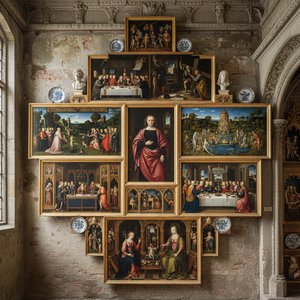
Early Netherlandish Masters: 10 Paintings That Revolutionized Art & Decor
Journey into the Early Netherlandish Renaissance! Explore 10 iconic paintings by Jan van Eyck, Rogier van der Weyden & more. Discover stunning detail, symbolism, and oil painting techniques. Find museum-quality art reproductions for your home at OriginalUniqueArt.com.

Maerten van Heemskerck: Bridging Mannerism & Renaissance Ideals
Explore the captivating world of Maerten van Heemskerck, a pivotal Dutch Renaissance painter bridging Mannerism & Italian influence. Discover his masterpieces and legacy with OriginalUniqueArt.

Charles-André van Loo: A Study in Rococo Portraiture & the French Court's Artistic Dynamics
Explore the elegant world of Charles-André van Loo, a master of Rococo portraiture at the French court. Discover his life, techniques, and enduring influence on 18th-century art. Hand-painted reproductions available.