Expressionism
Carnival (ليونيل فايننغر)
أبدع ليونيل فايننغر (1871–1956) في Carnival. تنتمي إلى حركة Expressionism. صُنعت من Oil On Canvas.
- Oil On Canvas

 معاينة الحجم الواقعي

 لوحة زيتية مرسومة يدوياً
 مشاركة
 مشاركة
 ورقة الحقائق


 تحميل الملف
 قطع مشابهة
 الأشعة السينية
 عرض شرائح
 الأسئلة والأجوبة

 الإحصائيات
Carnival باختصار
- العنوان
- Carnival
- الفنان
- ليونيل فايننغر (1871–1956)
- تاريخ ميلاد الفنان
- نيويورك, الولايات المتحدة
- الوسيط الفني
- Oil On Canvas
- الحركة
- Expressionism
- الحقبة
- Early Modern
- الموضوع
- people, figures, street scene, building, clock tower, umbrella
ماذا يصور Carnival؟
Identification of Carnival by Lyonel Feininger
The street comes alive in Carnival, a spirited oil on canvas work by Lyonel Feininger. Created in 1911, this piece captures a moment of public celebration. The scene unfolds with a sense of movement, as if the viewer has just stepped into the middle of a bustling procession. People move through the space, their presence adding a layer of human energy to the urban setting.
Lyonel Feininger brings this specific vision to life through his unique handling of the medium. The oil paint carries the weight of the figures and the architecture, grounding the festive atmosphere in a tangible reality. Every brushstroke contributes to the feeling of a city in motion, caught in the middle of a joyful, crowded event. It is a window into a specific time and place, preserved through the artist's hand.
Composition and Visual Elements
A lively street scene unfolds before the eyes, filled with the restless energy of a crowd in motion. At least nine individuals populate the thoroughfare, each caught in a private moment of transit. One figure carries an umbrella against the sky, while another relies on a cane to navigate the pavement. Some travelers shoulder handbags or backpacks, their bodies angled as they move through the urban space. The figures appear to drift past one another, creating a sense of constant, rhythmic movement through the heart of the city.
In the background, the architecture looms with a sense of permanence. A building with a prominent clock tower watches over the pedestrians, its structure anchoring the bustling activity below. The composition draws the eye through the layers of the street, where the interplay of people and buildings creates a complex, layered perspective. The arrangement of the crowd suggests a spontaneous gathering, a slice of daily life where every person contributes to the collective pulse of the scene.
Technique and Artistic Style
The oil on canvas pulses with a restless energy, capturing a moment of movement through a lens of Expressionism. Colors collide and dance across the surface, refusing to settle into quietude. There is a palpable sense of rhythm in the way the pigments are applied, mirroring the lively street scene unfolding before us. The brushwork feels alive, driven by a desire to translate the emotional heat of a public celebration into visible, tactile strokes.
A subtle tension exists between the emotional intensity of Expressionism and the structural discipline of Cubist influence. While the colors scream with life, the underlying forms suggest a more calculated, geometric arrangement. This intersection of styles creates a visual language where the chaos of a crowd meets the organized logic of modernism. The figures move through a space that feels both spontaneous and carefully constructed, as if the artist is balancing the raw feeling of the moment with a precise, architectural eye.
Where to See This Artwork Today
The lively energy of this scene remains preserved within the walls of the Art Institute of Chicago. Visitors traveling to Chicago, IL, US, find this piece held within the institution's permanent collection. It resides there as a part of the Joseph Winterbotham Collection, waiting for those who wander through the museum's galleries to encounter its movement.
The painting stays housed in the Art Institute of Chicago, Chicago. It exists in this specific space, allowing the colors and the figures to remain part of the city's cultural landscape. One can find it among the many works that populate the museum's halls, where the spirit of the carnival continues to exist in its physical form.
صور عالية الدقة لـ Carnival

ليونيل فايننغر, Carnival. ملك عام
أسئلة وإجابات حول Carnival
ما هي التقنية المستخدمة في صنع "Carnival"؟
تعتمد التقنية المستخدمة في "Carnival" للفنان ليونيل فايننغر على Oil On Canvas، وتهدف النسخ المطبوعة إلى محاكاة مظهر هذه التقنية.
ماذا يصور "Carnival" للفنان ليونيل فايننغر؟
تُصور "Carnival" للفنان ليونيل فايننغر: people, figures, street scene, building, clock tower, umbrella, cane, handbags.
هل العمل "Carnival" ضمن الملكية العامة؟
أما بخصوص حقوق الطبع والنشر، فإن "Carnival" تندرج ضمن ملك عام - انتهت مدة حماية حقوق الطبع والنشر الخاصة به.
من هو الفنان الذي يُنسب إليه العمل "Carnival"؟
تم إبداع "Carnival" بواسطة ليونيل فايننغر. وتصف المعلومات الواردة في هذه الصفحة العمل الأصلي لـ ليونيل فايننغر.
إلى أي تيار فني تنتمي "Carnival" للفنان ليونيل فايننغر؟
ينتمي العمل "Carnival" إلى مدرسة Expressionism، وهي المدرسة التي تمثل التقليد الفني الذي يندرج ضمنه هذا العمل.
إلى أي مرحلة من مراحل تطور ليونيل فايننغر ينتمي العمل "Carnival"؟
تُمثل "Carnival" الحقبة الإبداعية لـ ليونيل فايننغر خلال فترة Early Period.
ما سبب الوضع الحالي لحقوق الطبع والنشر لـ "Carnival"؟
يُعد عمل "Carnival" للفنان ليونيل فايننغر من الأعمال التي تندرج ضمن ملك عام - انتهت مدة حماية حقوق الطبع والنشر الخاصة به؛ حيث تُحتسب مدة حماية حقوق الطبع والنشر بدءاً من تاريخ وفاة الفنان في عام 1956.
كيف ينسجم عمل "Carnival" مع موضوعات ليونيل فايننغر وأسلوبه الفني؟
ينتمي العمل "Carnival" إلى نتاج ليونيل فايننغر ضمن مدرسة Expressionism، التي تتناول موضوعاتها المسجلة expressionism and cubism influence, urban life exploration, pivotal early career work, transition to fine art.
كيف يرتبط موضوع "Carnival" بالمواضيع المعتادة لدى ليونيل فايننغر؟
تتضمن الثيمات المتكررة لدى ليونيل فايننغر موضوع expressionism and cubism influence, urban life exploration, pivotal early career work, transition to fine art؛ بينما يركز عمل "Carnival" على people, figures, street scene, building, clock tower, umbrella, cane, handbags.
عن الفنان، ليونيل فايننغر

1871–1956, الولايات المتحدة
ليونيل فايننغر
البدايات والمسيرة المهنية: من فن الكاريكاتير إلى الفن التشكيلي الميلاد والعائلة: ولد ليونيل تشارلز أدريان فاينينجر في 17 يوليو 1871 بمدينة نيويورك. وقد لعبت خلفيته العائلية دوراً جوهرياً في صياغة وجدانه الفني، حيث كان والده كارل فاينينجر عازف كمان وملحناً ألمانياً أمريكياً، بينما كانت والدته إليزابيث فاينينجر مغنية أمريكية، مما جعل الفن محيطاً طبيعياً نشأ فيه. التعليم المبكر والرحلات الأوروبية: في عام 1887، وفي سن السادسة عشرة، شدّ فاينينجر الرحال إلى أوروبا بهدف دراسة الموسيقى، لكن شغفه سرعان ما انحرف نحو عالم الرسم، حيث عكف على دراسة فن الرسم في مدينتي هامبورغ وبرلين. المسيرة في الفن التجاري: منذ عام 1894، استطاع فاينينجر بناء مسيرة مهنية ناجحة كرسام كاريكاتير لمختلف المجلات الألمانية والفرنسية والأمريكية.
وأيضاً لـ ليونيل فايننغر
 The honeymooners
 Boats1917
 Sailing Boats
 Blue Coast

مقالات حول Carnival
 Lyonel Feininger: Bridging Expressionism & Cubism – A Study of Spiritual GeometryExplore the captivating world of Lyonel Feininger, a pivotal figure bridging Expressionism & Cubism. Discover his architectural visions, Ba…
 The Architecture of the Crowd: Examining Human Presence in Urban CompositionsExplore the evolution of urban art from Caillebotte to modern street murals. Discover the pulse of the city through masterworks.
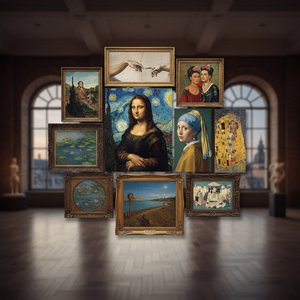 Oil on Canvas Masters: 10 Paintings That Redefined Art History |Journey through art history with our guide to 10 legendary oil on canvas masterpieces! Explore iconic works by Van Gogh, Monet & Rembrandt.…