() ·
لوحة صُنعت لك، يدوياً
نسخة زيتية مرسومة يدوياً
لوحة زيتية مرسومة يدوياً على الكانفاس بالمقاس والإطار الذي تفضله، تُنفذ حسب الطلب على أيدي فنانينا. ( التبديل إلى نسخة مطبوعة الانتقال إلى الصورة الرقمية)
السيرة الذاتية للفنان
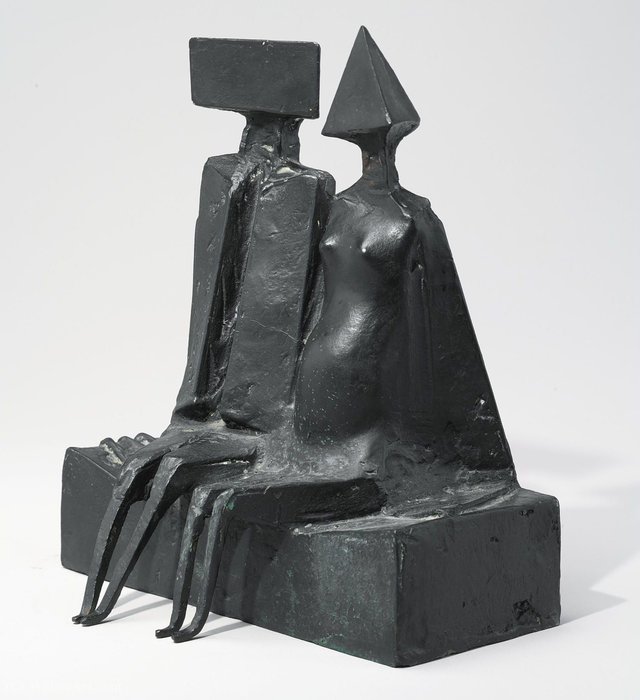
Lynn Chadwick (1914-2003) was a leading British sculptor renowned for his semi-abstract bronze & steel figures exploring movement, balance, and the 'Geometry of Fear'. Featured in MoMA, Tate & Pompidou collections. Discover his iconic work!
 عرض المزيد
بدءاً من ·
الفصل ١
ما الحجم المناسب؟
مرر لتغيير الحجم؛ تُظهر الصورة على اليسار الإطار بعرضه الحقيقي، مع الحفاظ على أبعاد العمل الأصلي.
اختر من بين أحجامنا المُعدّة مسبقاً والتي تتوافق مع النسب الأصلية للعمل الفني.

أدخل العرض والارتفاع اللذين تحتاجهما ليتناسب العمل مع إطارك أو جدارك. وبما أن هذه اللوحة مرسومة يدوياً، ففي حال اختيار مقاس بأبعاد مختلفة، يمكن للفنان رسم مساحة إضافية حول الصورة أو تقليصها قليلاً — الخيار لك. سنرسل لك نموذجاً رقمياً تجريبياً لاعتماده قبل البدء في الرسم. علماً بأن الصورة المعروضة في هذه الصفحة لا تعكس النتيجة النهائية الحقيقية، فالنموذج التجريبي هو الوحيد الذي يوضح ذلك بدقة.
الفصل ٢
كيف تود استلامه؟
اختر حواف اللوحة القماشية المشدودة
اختر إطارك

أبيض E£1

حواف ضبابية E£1

ممتد الحواف E£1

P118B E£10

P118H E£10

P118W E£10

P438Z E£10

P508JH E£12

P508YH E£12

P805H E£10

P805Z E£10

P919BZ E£10

P919G E£10

P919XJ E£10

P959ZH E£10

P968JZ E£12

W106C E£8

W218G E£10

W218JH E£8

W218Y E£10

W307PJ E£10

W316G E£10

W316PJ E£8

W316Y E£10

W398PJ E£8

W4111J E£10

W500HY E£15

W500JH E£15

W692G E£12

W849H E£8

W940BG E£15

W953PJ E£8

H24-GOLD E£30

H24-SILVER E£30

H36-GOLD E£45

H36-SILVER E£45
مؤطر
الإطار: . الحجم الإجمالي مع الإطار: .
الفصل ٣
من الذي يرسمها، وهل يجب تغيير أي شيء؟
بعد الطلب، سيقوم فريق OriginalUniqueArt.com بمراسلة العميل عبر البريد الإلكتروني للحصول على التعليمات وتزويده بمعاينة تجريبية للعمل
توصيل عالمي إلى خلال 3 إلى 4 أسابيع بدلاً من المدة المعتادة البالغة 5 أسابيع. (10 نوفمبر). جودة لا تهاون فيها.
الفصل ٤
اللمسات الأخيرة
لوحة تعريفية، تماماً كما في المتاحف؟
تفاصيل اللوحة البرونزية المحفورة
This elegant plaque features the artist's name and the title of the artwork, finely engraved for a timeless presentation.
It is made from bronze with a refined, elegant finish. The text is precisely laser-engraved for a sharp and permanent result. Measuring 9x2 cm, the plaque is compact yet easy to read. It's built to be durable and scratch-resistant, offering a professional, museum-quality look. Mounting is simple thanks to the included adhesive backing.
تفاصيل اللوحة الأكريليكية الشفافة
The plaque includes essential engraved details such as the artist's name, the title of the artwork, the date it was created, the type of media used-like oil on canvas or watercolor-a brief description of the piece, and a QR code that links to the complete artwork information.
It is crafted from clear acrylic, offering a sleek, modern appearance. The text is UV-engraved in black to ensure strong visual contrast. With a size of 10x15 cm, it ensures optimal readability. It comes equipped with two metal hooks for secure wall mounting. The plaque is designed to be weather-resistant, making it suitable for various environments, and it includes interactive features that work seamlessly with smartphone scanning.
تفاصيل اللوحة الأكريليكية السوداء
This elegant plaque includes engraved information such as the artist's name, the title of the artwork, the date it was created, the type of media used (like oil on canvas or watercolor), a short description of the artwork, and a QR code for quick access to more information.
The plaque itself is made from refined black acrylic with a premium finish. The text is laser-engraved in white for high contrast and readability. Its size is 10x15 cm, designed to be easy to read. It comes with two metal hooks for professional mounting. The design is sleek and fits any interior style. It is also weather-resistant and durable, with built-in digital integration for mobile compatibility.
ورنيش واقٍ؟
متى تحتاجها؟
الفصل ٥
لوحتك، تماماً كما طلبتها

Untitled (144)
خامة النسخة المطبوعة
مقاس النسخة المطبوعة
-

نخبة كبار الفنانين
مزيد من التفاصيل، والبراعة، ووقت إضافي للإنتاج
-

إطار النسخة المطبوعة
-
-
بالنسبة للأعمال الفنية أو النسخ المطبوعة التي يتجاوز طول أي من أضلاعها 105 سم (حوالي 41 بوصة)، سيتم شحن الإطار كمجموعة مفككة؛ حيث تضمن هذه الطريقة سلامة التوصيل وتمنع حدوث أي أضرار أثناء النقل.
يتطلب الأمر تجميعاً احترافياً - هذا المنتج ليس مخصصاً للتركيب الذاتي.
يجب تجميع المجموعة وشد القماش بواسطة فني إطارات محترف وخبير، باستخدام غراء الخشب (غير مرفق)، وكماشة شد القماش، وملاقط لتثبيت القضبان بشكل مستوٍ أثناء جفاف الغراء. إن التجميع غير الصحيح أو عدم توازن شد القماش قد يؤدي إلى تلف العمل الفني بشكل دائم، وهو أمر لا يغطيه الضمان الخاص بنا.
 بالنسبة للأعمال الفنية أو النسخ المطبوعة التي يتجاوز طول أي من أضلاعها 105 سم (حوالي 41 بوصة)، سيتم شحن الإطار كمجموعة مفككة؛ حيث تضمن هذه الطريقة سلامة التوصيل وتمنع حدوث أي أضرار أثناء النقل.
تتضمن المجموعة جميع القطع الخشبية الصلبة، والمقطعة بدقة لتناسب المقاسات المطلوبة.
يتم التجميع باستخدام البراغي المرفقة، بالإضافة إلى غراء الخشب للوصلات الزاوية، وهو غير مرفق ويجب توفيره من قبل فني التأطير الخاص بك.
تتطلب العملية استخدام أدوات احترافية غير مدرجة في المجموعة: مثل زرادية شد القماش (أداة شد) وملاقط لتثبيت القضبان بشكل مستوٍ أثناء جفاف الغراء.
تنبيه هام:
تتطلب الوصلات الزاوية استخدام غراء الخشب، كما يجب تثبيت القضبان باستخدام المشابك حتى يجف الغراء تماماً، ويتطلب شد القماش على الإطار المجمع استخدام كماشة شد القماش. لا تشتمل المجموعة على أي من هذه الأدوات؛ لذا يرجى التواصل مع فني تأطير محترف قبل طلب هذا المقاس.

بطاقة التعريف
-
-

ورنيش واقٍ
ورنيش لامع (يُبرز الألوان ويحمي من الضوء والرطوبة)
-

تخصيص عملي الفني
أمثلة على التعديلات المتاحة: استبدال الوجه بصورة العميل؛ إضافة حيوان أليف (مثل استبدال قطة بكلب)؛ إدراج رسالة مخفية في الخلفية؛ تغيير المناظر الطبيعية أو العناصر في الخلفية.
-

شحن سريع
توصيل عالمي إلى خلال 3-4 أسابيع بدلاً من المدة المعتادة البالغة 5 أسابيع. (10 نوفمبر). جودة لا تضاهى.
-
شحن سريع
توصيل عالمي إلى خلال 5 أسابيع. (17 نوفمبر).
مُضمَّن
إجمالي السعر النهائي
E£ 15798
خيار الزجاج متاح فقط للمقاسات التي تقل عن 110 سم
مرفق مع كل طلب
- شحن سريع ومجاني لجميع أنحاء العالم
- قماش كتان عالي الجودة
- تأمين شامل على الشحن
- ضمان استرداد الرسوم الجمركية
- ضمان مطابقة الألوان الحقيقية
- سياسة الإرجاع خلال 100 يوم (في حالات العيوب فقط)
- ضمان استرداد نقدي بنسبة 100%
- خصم عند طلب كميات


 معاينة الحجم الواقعي
 مشاركة
 مشاركة
 التفاصيل
 دليل
دليل

 تحميل الملف
 قطع مشابهة
 الأشعة السينية
 عرض شرائح
 الأسئلة والأجوبة
 الإحصائيات
بالأرقام
- 29إطارات للاختيار من بينها
- مقاسات قياسية، بأبعادها الخاصة
- 5أسابيع للرسم والتوصيل
عن العمل الأصلي
هذا العمل الفني محمي بموجب حقوق الطبع والنشر
إن العمل الفني المعروض في هذه الصفحة محمي بموجب قوانين حقوق الطبع والنشر، مما يعني أنه لا يحق لنا قانوناً إنشاء أو بيع نسخ مطابقة له. وتُطبق هذه الحماية بموجب الاتفاقيات الدولية مثل الـ اتفاقية برن ووفقاً للقوانين الوطنية، بما في ذلك تلك المنصوص عليها في قانون حقوق الطبع والنشر في الولايات المتحدة - الباب 17.
وكبديل قانوني وراقٍ، نقدم أعمالاً فنية مخصصة ومرسومة يدوياً مستوحاة من العمل الأصلي. حيث يقوم فنانونا المهرة والمحترفون بدراسة أسلوب العمل الأصلي وأجوائه وجوهره الفني بعناية فائقة، لابتكار قطعة جديدة وفريدة تثير الشعور ذاته - مع بقائها عملاً أصيلاً بحد ذاته.
تتوافق هذه الطريقة تماماً مع لوائح حقوق النشر لأنها لا تتضمن نسخ أو تكرار العمل الفني المحمي، بل هي إعادة تفسير إبداعية؛ أي أنها لوحة جديدة مستوحاة من الأصل ولكنها ليست مطابقة له.

Lynn Chadwick
1914 - 2003, United Kingdom
حقائق سريعة عن Lynn Chadwick
- Artistic Movement Or Style: Semi-abstract sculpture
- Artists Or Movements Influenced By This Artist: Geometry of Fear
- Artists Who Influenced This Artist: Rodney Thomas
- Date Of Birth: 1914
- Date Of Death: 2003
- Full Name: Lynn Russell Chadwick
- Nationality: British
- Notable Artworks:
- Untitled (547)
- Untitled (724)
- Untitled (686)
- Place Of Birth: Barnes, United Kingdom
السيرة الذاتية للفنان
The Architect of Form: The Life and Legacy of Lynn Chadwick
In the landscape of twentieth-century British sculpture, few names command as much reverence for their ability to marry structural rigor with profound human vulnerability as Lynn Chadwick. Born in 1914 in Barnes, London, Chadwick did not follow the traditional path of an art academy student; instead, his aesthetic language was forged in the precise, disciplined world of architectural drawing. Under the mentorship of the modernist architect Rodney Thomas, Chadwick learned to perceive the world through a lens of compositional balance and spatial awareness. This early training as a draughtsman became the very marrow of his sculptural practice, allowing him to treat bronze and steel not merely as materials, but as instruments for composing complex, geometric architectures in three-dimensional space.
The turbulence of the mid-twentieth century left an indelible mark on his creative psyche. Though initially a conscientious objector, Chadwick’s service as a pilot escorting Atlantic convoys during World War II instilled in him a unique perspective on observation and the distillation of reality. The vast, often perilous expanses he witnessed from the cockpit seemed to inform the stark, sometimes lonely landscapes inhabited by his later figures. Upon returning to civilian life, his work transitioned from the ephemeral—exploring mobiles made of wire, balsa wood, and copper—to the monumental. He began to master a technique that would become his signature: constructing an iron skeleton, applying a "stolit" skin of iron filings and plaster, and finally casting the result in bronze. This process created surfaces that felt both skeletal and organic, often described as having a texture reminiscent of crabs or weathered earth.
The Geometry of Fear and the Spirit of Rebellion
Chadwick emerged as a central figure in the post-war movement known as the Geometry of Fear, a group of sculptors whose works reflected the anxieties and tensions of a world recovering from global conflict. His sculptures are characterized by an austere elegance, utilizing sharp angles and heavy, textured forms to evoke a sense of stillness that is simultaneously charged with latent energy. Yet, amidst this gravity, Chadwick possessed a remarkable ability to capture the pulse of contemporary culture. One of his most poignant achievements was his ability to translate the burgeoning spirit of youth into permanent form.
His 1955 work, "Teddy Boy and Girl," serves as a masterful example of this cultural intersection. In this piece, he moved beyond abstract tension to celebrate the rebellious energy of the post-rationing era, immortalizing the stylized, defiant aesthetic of the "teddy boy" subculture. Through these figures, Chadwick proved that modernism could be both intellectually rigorous and socially resonant, capturing the very essence of a generation finding its voice through fashion and attitude.
A Lasting Impression on Modernity
The significance of Lynn Chadwick’s contribution to art history lies in his refusal to separate the mathematical from the emotional. His career was marked by prestigious accolades, most notably winning the International Sculpture Prize at the 1956 Venice Biennale, an achievement that solidified his standing on the global stage. His ability to manipulate heavy metals into shapes that suggest movement and breath allowed him to bridge the gap between the industrial and the human.
Today, the enduring power of his work is reflected in its presence within the world's most esteemed institutions, ensuring that his vision of geometric emotion continues to inspire:
- The Museum of Modern Art (MoMA), New York
- The Tate, London
- The Centre Georges Pompidou, Paris
As we look back upon his oeuvre, we see more than just bronze and steel; we see a lifelong meditation on the balance between strength and fragility, between the rigid lines of architecture and the fluid complexities of the human soul. Lynn Chadwick remains a titan of British modernism, an artist who taught us that even within the most starkly geometric forms, a heartbeat can be found.