

 معاينة الحجم الحقيقي
 مشاركة
 مشاركة
 التفاصيل

 تحميل الملف
 قطع مشابهة
 الأشعة السينية
 عرض شرائح
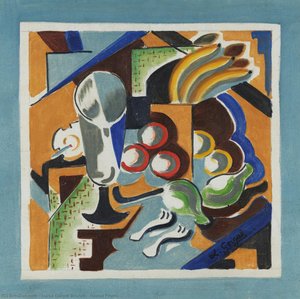
Untitled

 عرض المزيد
طباعة جيلي / مطبوعات فنية
طباعة جيكلي أو كانفاس بجودة المتاحف، مع سرعة في التنفيذ وخيارات متنوعة للتشطيب. ( اشترِ لوحة مرسومة يدويًا اشترِ الصورة)




































اختر من بين أحجامنا المُعدّة مسبقًا والتي تتطابق مع النسب الأصلية للعمل الفني.

يمكنك إدخال أبعادك الخاصة لتناسب إطاراً أو مساحة معينة. وإذا لم يتطابق الحجم الذي اخترته مع نسب الصورة الأصلية، فسنقوم إما بقص العمل الفني أو تمديد الصورة باستخدام حافة معكوسة أو بلون مصمت. سيتم إرسال نموذج تجريبي رقمي لاعتمادك قبل بدء الإنتاج.
يرجى ملاحظة أن المعاينة على الشاشة لا تعكس عملية القص أو التمديد الفعلية؛ حيث سيوضح النموذج التجريبي فقط التكوين النهائي بدقة.
وعلى الرغم من توفر أحجام مخصصة، إلا أننا نوصي باختيار أبعاد من القائمة المحددة مسبقاً للحفاظ على النسب الأصلية.
توصيل عالمي إلى خلال أسبوعين بدلاً من المدة القياسية البالغة 4/5 أسابيع. 29 أغسطس

شحن سريع ومجاني لجميع أنحاء العالم

قماش كتان عالي الجودة

تأمين شحن شامل

ضمان استرداد الرسوم الجمركية

ضمان مطابقة الألوان الحقيقية

سياسة الإرجاع خلال 60 يومًا (في حالات العيوب فقط)

ضمان استرداد نقدي بنسبة 100%

خصم عند طلب عدة قطع
 خيار الزجاج متاح فقط للمقاسات التي تقل عن 110 سم

Untitled
طباعة جيلي / مطبوعات فنية
مقاس النسخة المطبوعة
-


السعر الإجمالي النهائي
$ 80
السيرة الذاتية للفنان
A Visionary of Form and Color: The Life of Luisa Géigel Brunet
In the vibrant tapestry of Caribbean art history, few names resonate with as much multifaceted brilliance as Luisa Géigel Brunet. Born in San Juan, Puerto Rico, in 1916, her life was a continuous dialogue between the classical traditions of Europe and the burgeoning cultural identity of her homeland. Her artistic odyssey began far from the shores of Puerto Rico, shaped by the rigorous academic atmosphere of Barcelona’s Escuela de Bellas Artes. Under the watchful eye of the Spanish painter José Mongrell, she mastered the foundational elements of line and composition, a training that would later allow her to navigate diverse mediums with unparalleled grace. This early exposure to European mastery provided her with a sophisticated vocabulary, yet her heart remained tethered to the light, texture, and spirit of the Caribbean.
As her journey took her through Washington D.C. and eventually to the bustling art scene of New York, Géigel Brunet’s style began to evolve through contact with legendary figures like Robert Brackman and the sculptor José de Creeft. These experiences in the United States instilled in her a fearless approach to experimentation. Upon her return to Puerto Rico, she did not merely arrive as a student of tradition, but as a provocateur of modernity. In 1939, she emerged as a daring force, introducing the representation of the nude to the local art scene—a move that sparked intense debate and even allegations of censorship. Yet, through works like “Daydream”, she demonstrated that the human form was not just a subject of anatomy, but a vessel for infinite colors, transparencies, and emotional depth.
The Mastery of Diverse Mediums
What truly distinguishes Luisa Géigel Brunet is her refusal to be confined by a single discipline. She was a true polymath of the visual arts, moving seamlessly between the tactile weight of sculpture and the luminous delicacy of painting. Her sculptural work was particularly groundbreaking; she moved beyond traditional replication to interrogate the very essence of materiality. By experimenting with rugged, unconventional materials such as basalt and granite, she breathed life into stone, using shadows and light to create a sense of movement and narrative that spoke to the enduring strength of Puerto Rican history.
Her creative reach extended far beyond the canvas and the pedestal:
- Mosaic Art: She crafted breathtaking murals that transformed architectural spaces into celebrations of Puerto Rican landscapes, using texture and color to mirror the natural world.
- Design and Scenography: Her versatility shone in her contributions to costume and set design for theatrical productions, where she acted as a visual storyteller.
- Stained Glass: She explored the interplay of light through intricate glasswork, further cementing her role as a master of luminosity.
For Géigel Brunet, there was no boundary between the fine arts and decorative design; every medium was an opportunity to explore how color could breathe life into form. As she often noted, while painting allowed her to capture the thrill of brushstrokes and skin-like transparencies, sculpture provided the structural counterpoint, using chiaroscuro and carved shadows to achieve what the flat surface could not.
Legacy and Cultural Impact
Beyond her individual masterpieces, Luisa Géigel Brunet’s legacy is etched into the very institutions of Puerto Rican culture. Her commitment to education was profound; from 1958 until her retirement in 1986, she shaped the next generation of artists as a professor of sculpture at the University of Puerto Rico in Río Piedras. She was also instrumental in the creation of the Plastic Arts Division of the Ateneo Puertorriqueño, ensuring that the island had a structured space for artistic growth and preservation.
Her life’s work serves as a bridge between eras—connecting the classical training of the early 20th century with the modern, identity-driven movements of the Caribbean. She was a pioneer who used her art to advocate for cultural pride, often collaborating on projects that commemorated Puerto Rican independence and heritage. Today, she is remembered not just as a painter or a sculptor, but as a complete artist whose unwavering dedication to her craft helped define the visual soul of a nation.
luisa géigel brunet
1916 - 2008 , Puerto Rico
حقائق سريعة
- Artistic Movement Or Style: Diverse mediums
- Artists Or Movements Influenced By Artist: Caribbean Art
- Artists Who Influenced This Artist: José Mongrell
- Date Of Birth: 1916
- Full Name: Luisa Géigel Brunet
- Nationality: Puerto Rican
- Notable Artworks:
- Island Fruits
- Untitled
- Place Of Birth: San Juan, Puerto Rico

