
 معاينة الحجم الحقيقي
 مشاركة
 مشاركة
 التفاصيل

 تحميل الملف
 قطع مشابهة
 الأشعة السينية
 عرض شرائح
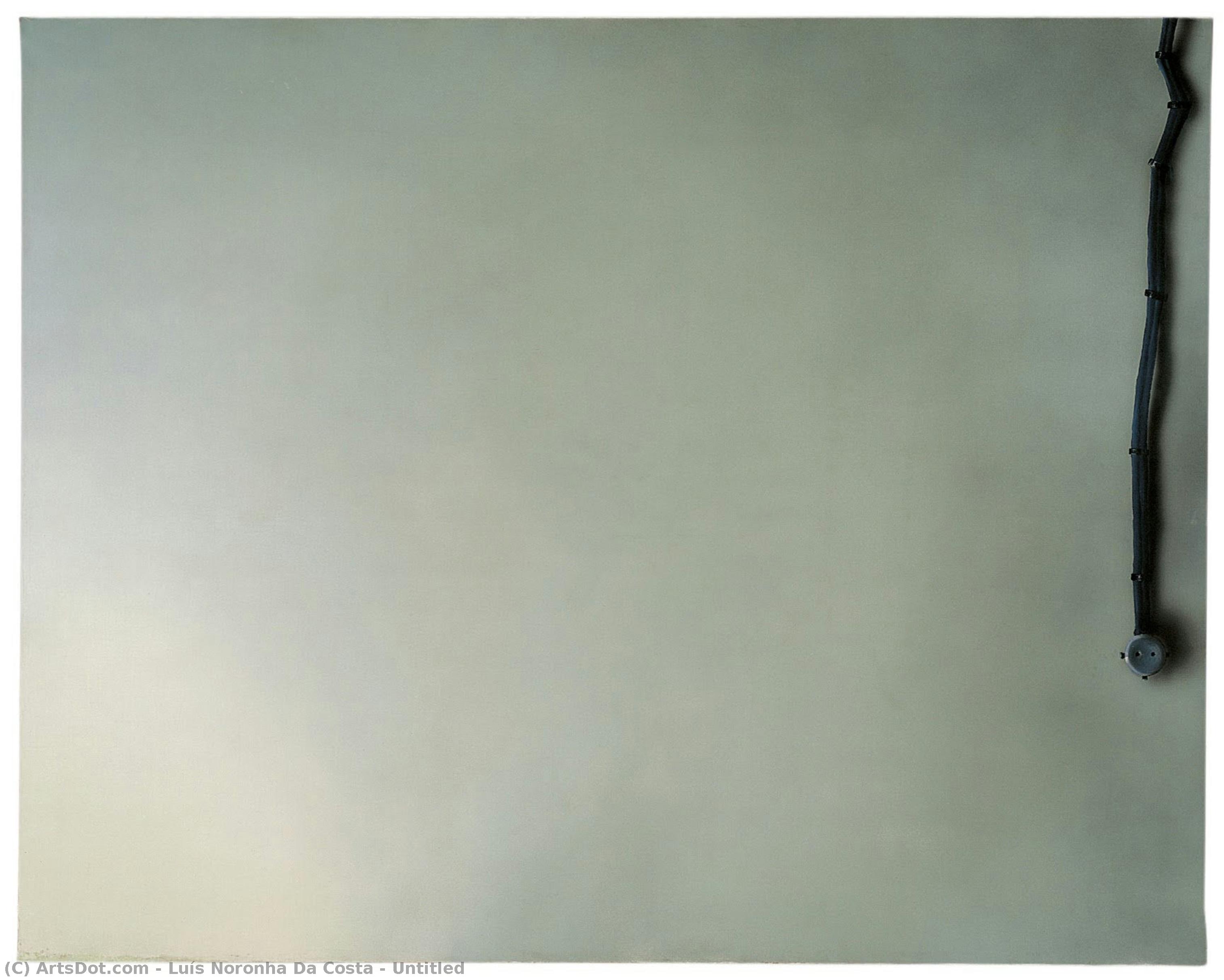
Untitled
 1972
1972 160.0 x 200.0 cm
 Culturgest - Fundação Caixa Geral de Depósitos
 عرض المزيد
نسخة زيتية مصنوعة يدوياً
لوحة زيتية مرسومة يدوياً على الكانفاس بالمقاس والإطار الذي تفضله، تُنفذ حسب الطلب على أيدي فنانينا. ( اشترِ نسخة مطبوعة اشترِ الصورة)




































اختر من بين أحجامنا المُعدّة مسبقًا والتي تتطابق مع النسب الأصلية للعمل الفني.

يمكنك إدخال أبعادك الخاصة لتناسب إطارًا معينًا أو مساحة محددة. وإذا لم يتطابق الحجم الذي اخترته مع نسب الصورة الأصلية، فسنقوم إما بقص العمل الفني أو توسيع اللوحة بإضافة عناصر مرسومة يدويًا. سيتم إرسال نموذج رقمي إليك للموافقة عليه قبل بدء الإنتاج.
يرجى ملاحظة أن المعاينة على الشاشة لا تعكس عملية القص أو التوسيع الفعلية؛ حيث إن النموذج الرقمي وحده هو الذي سيوضح التكوين النهائي بدقة.
وعلى الرغم من توفر أحجام مخصصة، إلا أننا نوصي باختيار أبعاد من القائمة المحددة مسبقًا للحفاظ على النسب الأصلية للعمل الفني.
بعد إتمام الطلب، سيرسل فريق OriginalUniqueArt.com بريداً إلكترونياً للعميل لطلب التعليمات وتزويده بمعاينة تجريبية (mockup).
توصيل عالمي إلى خلال 3 إلى 4 أسابيع بدلاً من المدة المعتادة البالغة 5 أسابيع. (14 أغسطس). جودة لا تهاون فيها.

شحن سريع ومجاني لجميع أنحاء العالم

قماش كتان عالي الجودة

تأمين شحن شامل

ضمان استرداد الرسوم الجمركية

ضمان مطابقة الألوان الحقيقية

سياسة الإرجاع خلال 60 يومًا (في حالات العيوب فقط)

ضمان استرداد نقدي بنسبة 100%

خصم عند طلب عدة قطع
 خيار الزجاج متاح فقط للمقاسات التي تقل عن 110 سم

Untitled
خامة إعادة الإنتاج
مقاس النسخة المطبوعة
-


السعر الإجمالي النهائي
$ 300
وصف العمل الفني
السيرة الذاتية للفنان
Luís Noronha da Costa: Architect of Illusion and Light
Luís Noronha da Costa (1942-2020) emerged from the vibrant, evolving art scene of 1960s Portugal as a singular voice – an architect of illusion, master of translucent materials, and a profound explorer of perception. Born in Lisbon, his artistic journey began with a formal grounding in architecture at the Escola Superior de Belas Artes, a foundation that profoundly shaped his later work, informing his meticulous attention to space, form, and the interplay of light. Noronha da Costa wasn’t simply painting; he was constructing experiences, inviting viewers into layered realities where the familiar blurred and the tangible dissolved into shimmering mirages. His legacy rests not just in finished artworks but in the very way he challenged our understanding of visual experience.Early Years and Artistic Beginnings
Noronha da Costa’s early career unfolded with a quiet intensity, marked by a deliberate exploration of materials and techniques. He began exhibiting his collages in 1962, quickly establishing himself within the Lisbon art community. These initial works demonstrated an inherent fascination with transparency and reflection – a seed that would blossom into his signature style. The influence of European modernism, particularly the work of artists like René Magritte, is subtly present, yet Noronha da Costa forged his own distinct path, moving beyond mere imitation to develop a deeply personal language. His 1969 representation at the São Paulo Biennial was a pivotal moment, bringing him international recognition and solidifying his position as a leading figure in contemporary Portuguese art. This achievement underscored not just his individual talent but also Portugal’s burgeoning artistic identity on the global stage.The Language of Translucence: Technique and Materials
Noronha da Costa's most distinctive characteristic lies in his masterful manipulation of translucent materials, primarily glass and mirrors. He didn’t merely incorporate these elements; he treated them as active participants in the creation of his works, employing a technique that can be described as “anti-painting.” He utilized spray guns to create layered washes of color – often muted blues, greens, and greys – on these surfaces, generating an effect of diffused light and shadow. This process deliberately obscured the underlying forms, creating a sense of depth and ambiguity. The resulting images are not sharply defined representations but rather evocative atmospheres, suggesting multiple perspectives simultaneously. His use of mirrors amplified this effect, multiplying reflections and further destabilizing the viewer’s perception of reality. Noronha da Costa wasn't interested in replicating the world; he was interested in revealing its inherent complexities and contradictions through a carefully orchestrated dance of light and reflection.Sculptural Explorations and Cinematic Influences
While often categorized as a painter, Noronha da Costa’s artistic practice extended beyond canvas and into the realm of sculpture. As documented by his exploration in Google Arts & Culture, his small sculptures – frequently incorporating mirrors and glass – functioned similarly to his paintings: they were constructions designed to generate optical illusions and challenge conventional spatial understanding. These works, described as “magical” by those who experienced them, demonstrated a remarkable sensitivity to the principles of perspective and refraction. Furthermore, Noronha da Costa’s early engagement with experimental cinema—evident in his use of film-like textures and techniques—suggests a broader interest in exploring the relationship between image, time, and perception. This cross-disciplinary approach further enriched his artistic vocabulary and contributed to the unique character of his oeuvre.Legacy and Recognition
Luís Noronha da Costa’s work remained largely underappreciated during much of his career, a poignant example of an artist overlooked in the shifting sands of cultural priorities. Despite critical acclaim early on – including awards from the AICA and the European Painting Prize – he experienced a period of relative obscurity, particularly following the tragic loss of his muse, Noémia Cacho Rodrigues. However, this “oblivion,” as he himself described it, was ultimately followed by a renewed recognition of his significance. Retrospective exhibitions at institutions like the Centro Cultural de Belém and the Serralves Museum in Porto brought his work to a wider audience, solidifying his place within the canon of Portuguese contemporary art. His works are now held in important collections across Europe and beyond, ensuring that Noronha da Costa’s innovative vision continues to resonate with viewers today. His influence can be seen in artists who continue to explore the boundaries of perception and the transformative power of light and reflection.
luís noronha da costa
1942 - 2020 , Portugal
حقائق سريعة
- Artistic Movement Or Style: Translucent materials
- Date Of Birth: 1942
- Date Of Death: 2020
- Full Name: luís noronha da costa
- Nationality: Portuguese
- Notable Artworks:
- Untitled D7EH99
- Untitled D7EFDW
- Place Of Birth: Lisbon, Portugal

