- الرئيسية

- طباعة على كانفاس
- luigi prinotto
- الكتابة

 اطلب نسخة مرسومة يدوياً شراء الصورة بدقة عالية
 مشاركة
 مشاركة
 التفاصيل
 أضف إلى المفضلة

 تحميل الملف
 قطع مشابهة
 الأشعة السينية
 عرض شرائح
الكتابة
 أكريليك على كانفاس
- لوحات جدارية
- Baroque Style
 1730
1730 131.0 x 83.0 cm
 Palace of Venaria Reale
 عرض المزيد
طباعة جيلي / مطبوعات فنية
طباعة جيكلي أو كانفاس بجودة المتاحف، مع سرعة في التنفيذ وخيارات متنوعة للتشطيب.




P118B $10

P118H $10

P118W $10

P438Z $10

P508JH $12

P508YH $12

P805H $10

P805Z $10

P919BZ $10

P919G $10

P919XJ $10

P959ZH $10

P968JZ $12

W106C $8

W218G $10

W218JH $8

W218Y $10

W307PJ $10

W316G $10

W316PJ $8

W316Y $10

W398PJ $8

W4111J $10

W500HY $15

W500JH $15

W692G $12

W849H $8

W940BG $15

W953PJ $8




اختر من بين أحجامنا المُعدّة مسبقًا والتي تتطابق مع النسب الأصلية للعمل الفني.

يمكنك إدخال أبعادك الخاصة لتناسب إطاراً أو مساحة معينة. وإذا لم يتطابق الحجم الذي اخترته مع نسب الصورة الأصلية، فسنقوم إما بقص العمل الفني أو تمديد الصورة باستخدام حافة معكوسة أو بلون مصمت. سيتم إرسال نموذج تجريبي رقمي لاعتمادك قبل بدء الإنتاج.
يرجى ملاحظة أن المعاينة على الشاشة لا تعكس عملية القص أو التمديد الفعلية؛ حيث سيوضح النموذج التجريبي فقط التكوين النهائي بدقة.
وعلى الرغم من توفر أحجام مخصصة، إلا أننا نوصي باختيار أبعاد من القائمة المحددة مسبقاً للحفاظ على النسب الأصلية.
توصيل عالمي إلى خلال أسبوعين بدلاً من المدة القياسية البالغة 4/5 أسابيع. 22 يوليو

شحن سريع ومجاني لجميع أنحاء العالم

قماش كتان عالي الجودة

تأمين شحن شامل

ضمان استرداد الرسوم الجمركية

ضمان مطابقة الألوان الحقيقية

سياسة الإرجاع خلال 60 يومًا (في حالات العيوب فقط)

ضمان استرداد نقدي بنسبة 100%

خصم عند طلب عدة قطع
 خيار الزجاج متاح فقط للمقاسات التي تقل عن 110 سم

الكتابة
طباعة جيلي / مطبوعات فنية
مقاس النسخة المطبوعة
-


السعر الإجمالي النهائي
-
وصف القطعة الفنية
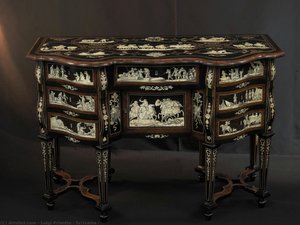
لوحة مكتب
تعتبر لوحة "مكتب" التي رسمها الفنان الإيطالي لويجي برينوتو تحفة فنية تعكس جمال الباروك وتثير العواطف لدى كل من محبي الفنون وعشاق الديكور الداخلي. تم الرسم عام 1730، ويظهر في اللوحة مكتب مزود بسلالم وأدراج وكابينة على قمته، محاطًا بشخصيات متعددة تتفاعل مع بعضها البعض وتضفي حيوية على المشهد العام. يمثل الحصان البري الذي يظهر على الجانب الأيمن من اللوحة رمزًا للقوة والحرية، ويضيف إلى التكوين الفني عمقًا ودقة في التفاصيل التي تعكس مهارة الفنان العالية وقدرته على التقاط اللحظات البارزة. تتميز اللوحة بأسلوب الباروك الذي يشتهر بتضخمه وتأثير الضوء والظل بشكل استثنائي، حيث يتم استخدام الإضاءة لتحديد الخطوط الهندسية وإبراز الألوان الزاهية، مما يخلق تأثيرًا بصريًا مذهلاً يجذب العين ويؤثر في المشاهد العاطفيًا. يعكس هذا الأسلوب التوجه الفكري والديني الذي ساد إيطاليا في تلك الفترة، حيث كان الهدف هو إثارة الإعجاب والرهبة لدى المتلقي والتعبير عن القوة الإلهية والعظمة الروحانية. وقد استلهم برينوتو أساليبه من روبرت كوبرمانج و كارافاجيو، وهما من أبرز الفنانين الباروك الذين تركوا بصمات لا تُنسى في تاريخ الفن الأوروبي. كما أن اللوحة تحمل دلالات رمزية عميقة تتجاوز مجرد التصوير الواقعي للمكان والأشخاص، حيث يمثل المكتب مكانًا للعمل والتفكير والاجتماع، ويجسد القيم الإنسانية الأساسية مثل العقلانية والحكمة والمسؤولية. بالإضافة إلى ذلك، يمكن تفسير الحصان البري على أنه رمز للقوة والحرية والتجديد، ويعكس الرغبة في التحرر من القيود التقليدية والسعي نحو تحقيق الأهداف الطموحة. هذه العناصر الرمزية تضفي على اللوحة بعدًا فلسفيًا وتاريخيًا يثير الفضول ويشجع المشاهد على التأمل في المعاني الخفية التي يحملها العمل الفني. إن اختيار هذا التصميم الباروك يعكس الاهتمام بالتفاصيل والدقة والجماليات العالية، وهو ما يتناسب تمامًا مع البيئة الداخلية الراقية التي يمكن أن تضفي عليها هذه اللوحة لمسة من الأصالة والرقي. سواء كنت مصمم ديكور داخلي أو محترفًا في مجال الفنون والتراث، فإن لوحة "مكتب" لويجي برينوتو تقدم لك فرصة استثنائية لإضافة عنصر فني فريد ومثير للإعجاب إلى مساحتك الخاصة، وتذكيرًا بأهمية الإبداع والجمال في حياة الإنسان.السيرة الذاتية للفنان
Claude François (Frère Luc): A Life Painted in Faith and Light
Claude François, more intimately known as Frère Luc – a name bestowed upon him after his dedication to the Recollets order – stands as a compelling figure within 17th-century French art. Born in Amiens around 1614, his early life was marked by a fascination with drawing and an apprenticeship under Simon Vouet, a prominent Mannerist painter in Paris. This initial training provided him with a solid foundation, but it was his subsequent journey to Rome that truly shaped his artistic vision. There, amidst the echoes of the Old Masters, he honed his skills, meticulously copying works by giants like Jacopo Bassano and absorbing their techniques – particularly the masterful use of light and shadow. A pivotal moment in his life occurred during a youthful fall from a church tower; this event, recounted with dramatic detail, became intertwined with a promise to dedicate his life to religious service, solidifying his path towards monasticism.The Recollets and a Journey to New France
In 1670, Claude François embraced the Recoletos (Recollets) order in Châlons-en-Champagne, adopting the moniker Frère Luc. This transition marked a significant shift in his artistic focus, moving away from purely secular commissions and towards devotional works intended to inspire faith. His time within the monastery was not merely one of quiet contemplation; he actively contributed to the embellishment of sacred spaces, notably designing the reconstruction of Quebec’s monastery and seminary – a testament to his practical skills and dedication. However, his artistic spirit extended beyond France's borders, leading him to New France (Canada) in 1670. During his fifteen-month sojourn, Frère Luc produced a series of monumental religious paintings, most notably *La Sainte Famille à la Huronne* (The Holy Family with a Huron Woman), which remains a significant work reflecting the complexities and nuances of early colonial encounters. These canvases served as powerful visual narratives for the burgeoning Catholic community in Quebec City, bridging European artistic traditions with Indigenous perspectives.Style and Influences: A Harmonious Blend
Frère Luc’s artistic style is characterized by a remarkable synthesis of influences – a harmonious blend of Mannerism, Raphael's grace, and the dramatic lighting techniques of Italian masters. His early works, particularly those produced in Rome, demonstrate a clear admiration for Raphael, mirroring his compositional clarity, balanced forms, and refined elegance. However, he wasn’t merely a copyist; he infused these influences with a distinctly French sensibility, employing a softer palette and a more intimate portrayal of figures. The impact of Flemish genre painting, particularly the work of Adriaen Brouwer, is also evident in his depictions of peasant life – scenes rendered with a keen eye for detail, capturing both the humor and the hardship of everyday existence. Furthermore, elements of Caravaggio’s dramatic chiaroscuro are subtly integrated into his compositions, creating a sense of depth and emotional intensity.Notable Works and Legacy
Among Frère Luc's most celebrated works are *L'Assomption de la Vierge* (The Assumption of the Virgin), created at a remarkably young age in Amiens, and his series of paintings for the Jacobin church – including a copy of Bassano’s *Assumption*. His portrait of Saint Augustine presenting a dead child to the Madonna and Child, with a canvas showing his fall into the Somme behind the Virgin, is a poignant example of his ability to imbue religious subjects with personal narrative. His contributions to Quebec City's artistic landscape were particularly significant, establishing a precedent for large-scale devotional paintings that would shape the visual identity of the nascent colony. While often overshadowed by more prominent figures of the era, Claude François (Frère Luc) remains a vital figure in French art history – an artist who seamlessly combined religious devotion with technical mastery and a profound understanding of human experience.Connections to Other Artists
Frère Luc’s artistic journey reveals intriguing connections to other prominent figures of the 17th century. His early training under Simon Vouet, a key figure in the development of French portraiture, laid the groundwork for his subsequent career. The influence of Domenichino, Raphael's student, is also apparent in his meticulous attention to detail and compositional balance. Furthermore, his time in Rome exposed him to the works of Jacopo Bassano, whose dramatic use of light and color profoundly impacted his own style. The echoes of Adriaen Brouwer’s genre paintings are particularly noticeable in his depictions of peasant life, suggesting a shared interest in capturing the realities of everyday existence. Finally, his work with Jean-Marc Nattier during the later years of his career demonstrates a continued engagement with portraiture and a mastery of fashionable artistic trends.
luigi prinotto
1685 - 1780 , Italy
حقائق سريعة
- Artistic Movement Or Style: Baroque
- Artists Or Movements Influenced By This Artist:
- Jacopo Bassano
- Jean-Marc Nattier
- Artists Who Influenced This Artist:
- Simon Vouet
- Raphael
- Date Of Birth: 1614
- Date Of Death: 1685
- Full Name: Claude François (Frère Luc)
- Nationality: French
- Notable Artworks:
- Assumption of the Virgin
- Saint Augustine's Vision
- Place Of Birth: Amiens, France
مقالات ذات صلة
أروع 25 تحفة فنية في متحف المتروبوليتان: رحلة عبر العصور والجمال الخالد
اكتشف أروع 25 تحفة فنية في متحف المتروبوليتان، نيويورك! قصص ليوناردو دا فينشي وفان جوخ وبيكاسو وأكثر. لوحات كلاسيكية ومعاصرة لإلهام ديكور منزلك. تسوق إعادة إنتاج اللوحات عالية الجودة على OriginalUniqueArt.com.
أروع 25 تحفة فنية في متحف ديترويت للفنون: إلهام وديكور لمنزلك
اكتشف أروع 25 تحفة فنية في متحف ديترويت للفنون! لوحات فان جوخ، مونيه، وأكثر. قصص الفنانين وتقنياتهم الخالدة. إلهام لديكور منزلك مع OriginalUniqueArt.com.
أروع 25 لوحة فنية في متحف موما: تحف فنانين عظماء لإلهام ديكور منزلك
اكتشف أروع 25 لوحة فنية في متحف موما بنيويورك! استكشف قصص فان جوخ, بيكاسو, وارهول وأكثر. روائع انطباعية وتعبيرية لتصميم داخلي فاخر. احصل على إعادة إنتاج عالية الجودة الآن على OriginalUniqueArt.com
أروع 25 تحفة فنية في معرض ناسيونال غاليري بواشنطن | لوحات شهيرة وديكور فاخر
اكتشف أروع 25 لوحة فنية في معرض ناسيونال غاليري بواشنطن! رحلة عبر روائع سيزان، ماتيس، وبيكاسو. قصص ملهمة وتقنيات فنية فريدة. احصل على نسخ عالية الجودة لديكور منزلك الفاخر على OriginalUniqueArt.com

أعمال جيمس أبتون ماكنيل ويستلر الـ 25 الأكثر شهرة: تحف فنية لتزيين منزلك
اكتشف 25 تحفة فنية لجيمس أبتون ماكنيل ويستلر، رائد حركة التجميل. نوكتورن، بورتريهات أيقونية وأكثر! قصص ملهمة وتقنيات فنية رائعة لتزيين منزلك بأناقة. استكشف المجموعة الكاملة على OriginalUniqueArt.com