
 معاينة الحجم الحقيقي
 مشاركة
 مشاركة
 التفاصيل

 تحميل الملف
 قطع مشابهة
 الأشعة السينية
 عرض شرائح
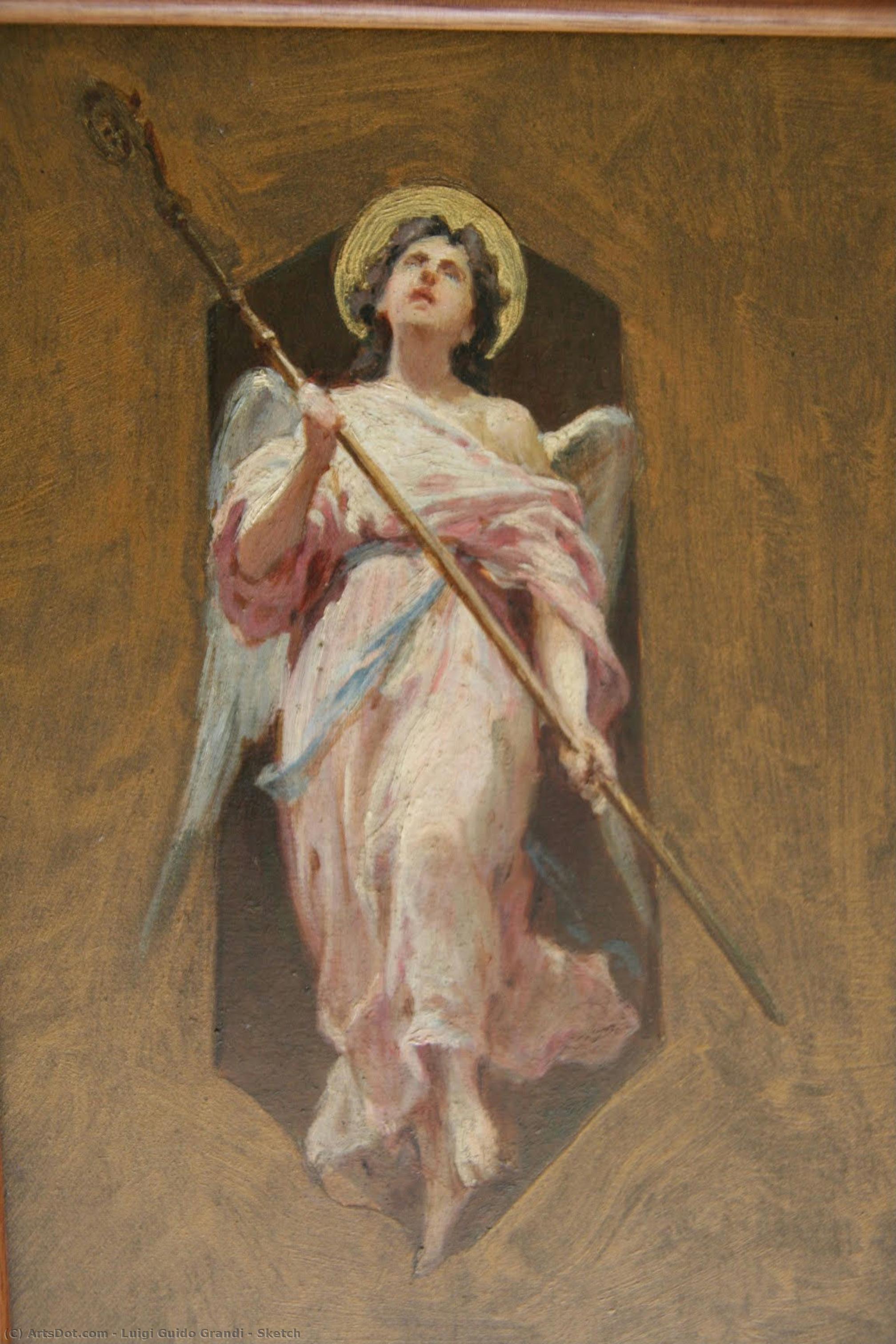
Sketch

 عرض المزيد
طباعة جيلي / مطبوعات فنية
طباعة جيكلي أو كانفاس بجودة المتاحف، مع سرعة في التنفيذ وخيارات متنوعة للتشطيب. ( اشترِ لوحة مرسومة يدويًا اشترِ الصورة)




































اختر من بين أحجامنا المُعدّة مسبقًا والتي تتطابق مع النسب الأصلية للعمل الفني.

يمكنك إدخال أبعادك الخاصة لتناسب إطاراً أو مساحة معينة. وإذا لم يتطابق الحجم الذي اخترته مع نسب الصورة الأصلية، فسنقوم إما بقص العمل الفني أو تمديد الصورة باستخدام حافة معكوسة أو بلون مصمت. سيتم إرسال نموذج تجريبي رقمي لاعتمادك قبل بدء الإنتاج.
يرجى ملاحظة أن المعاينة على الشاشة لا تعكس عملية القص أو التمديد الفعلية؛ حيث سيوضح النموذج التجريبي فقط التكوين النهائي بدقة.
وعلى الرغم من توفر أحجام مخصصة، إلا أننا نوصي باختيار أبعاد من القائمة المحددة مسبقاً للحفاظ على النسب الأصلية.
توصيل عالمي إلى خلال أسبوعين بدلاً من المدة القياسية البالغة 4/5 أسابيع. 19 أغسطس

شحن سريع ومجاني لجميع أنحاء العالم

قماش كتان عالي الجودة

تأمين شحن شامل

ضمان استرداد الرسوم الجمركية

ضمان مطابقة الألوان الحقيقية

سياسة الإرجاع خلال 60 يومًا (في حالات العيوب فقط)

ضمان استرداد نقدي بنسبة 100%

خصم عند طلب عدة قطع
 خيار الزجاج متاح فقط للمقاسات التي تقل عن 110 سم

Sketch
طباعة جيلي / مطبوعات فنية
مقاس النسخة المطبوعة
-


السعر الإجمالي النهائي
$ 80
السيرة الذاتية للفنان
The Divine Geometry of Dom Luigi Guido Grandi
In the twilight of the Baroque era, a period defined by dramatic movement and profound spiritual intensity, there emerged a figure who sought to find the fingerprints of the Creator within the precise language of mathematics. Dom Luigi Guido Grandi (1671–1742) was far more than a mere scholar; he was a Benedictine monk whose life served as a bridge between the contemplative silence of the monastery and the burgeoning analytical rigor of the Enlightenment. Born in Italy, Grandi’s existence was shaped by the sacred atmosphere of San Luigi dei Francesi in Rome, where the intersection of Catholic theology and classical learning provided the fertile soil for his intellectual blossoming.
To understand Grandi is to understand a mind that viewed geometry not as an abstract set of rules, but as a window into the divine order. His early education instilled in him a reverence for the structural beauty of the universe, leading him to pursue mathematical truths as a form of worship. Influenced by the revolutionary spirit of Galileo Galilei, Grandi navigated the delicate tension between established religious dogma and the emerging scientific discoveries that were reshaping the European consciousness. He did not see science and faith as opposing forces, but rather as two different lenses through which one might perceive the same eternal truth.
Mathematical Elegance and the Rose Curve
The legacy of Grandi is etched into the very fabric of mathematical history through his breathtaking contributions to geometry and calculus. Perhaps his most visually captivating achievement is the formulation of what is now known as the Rose Curve. This geometric marvel, characterized by its delicate, petal-like symmetry radiating from a central point, serves as a perfect metaphor for his life's work—a marriage of mathematical precision and organic beauty. When one observes the rhythmic expansion of these curves, one sees the same elegance that Grandi sought to find in the heavens.
Beyond the visual splendor of his geometric discoveries, Grandi made profound strides in numerical analysis. His development of Grandis Series provided mathematicians with a powerful instrument for approximating irrational numbers, such as pi, marking a significant milestone in the evolution of mathematical thought. His explorations into the foundations of calculus, though occurring in an era of intense intellectual transition, demonstrated a precocious understanding of infinite processes and limits. These achievements were not merely academic exercises; they were attempts to map the infinite complexities of a universe governed by logic and grace.
A Lasting Intellectual Legacy
The historical significance of Luigi Guido Grandi lies in his ability to transcend the boundaries of a single discipline. As an engineer, mathematician, and theologian, he embodied the Renaissance ideal of the polymath, proving that the pursuit of reason could enhance, rather than diminish, the depth of spiritual conviction. His work continues to resonate within the halls of mathematics, where his name is still invoked in discussions of series and trigonometric functions.
In reflecting upon his life, we find a narrative of profound harmony. Grandi’s ability to weave together the following elements remains his greatest triumph:
- Theological Inquiry: Using mathematical patterns to contemplate the divine architecture of creation.
- Scientific Innovation: Contributing foundational concepts to the development of modern calculus and trigonometry.
- Philosophical Synthesis: Reconciling the revolutionary observations of the scientific revolution with the enduring traditions of the Church.
Ultimately, the story of Dom Luigi Guido Grandi is a testament to the power of curiosity. He reminds us that whether we are looking through the lens of a telescope or the equations of a geometric curve, we are all searching for the same underlying truth: a sense of order, beauty, and meaning in an infinite universe.

luigi guido grandi
1671 - 1742 , Italy
حقائق سريعة
- Artistic Movement Or Style: Baroque
- Artists Or Movements Influenced By Artist: ['Calculus']
- Artists Who Influenced This Artist: ['Galileo Galilei']
- Date Of Death: 1742
- Full Name: Luigi Guido Grandi
- Nationality: Italian
- Notable Artworks: ['Sketch']
- Place Of Birth: Italy

