
 معاينة الحجم الواقعي
 مشاركة
 مشاركة
 التفاصيل
 دليل
دليل

 تحميل الملف
 قطع مشابهة
 الأشعة السينية
 عرض شرائح
 الأسئلة والأجوبة
 الإحصائيات
Sketchbook

- 24.0 x 16.0 cm


 عرض المزيد
طباعة جيلي / مطبوعات فنية
طباعة جيكلي أو كانفاس بجودة المتاحف، مع سرعة في التنفيذ وخيارات متنوعة للتشطيب. ( شراء لوحة مرسومة يدويًا الانتقال إلى الصورة الرقمية)




P118B E£10

P118H E£10

P118W E£10

P438Z E£10

P508JH E£12

P508YH E£12

P805H E£10

P805Z E£10

P919BZ E£10

P919G E£10

P919XJ E£10

P959ZH E£10

P968JZ E£12

W106C E£8

W218G E£10

W218JH E£8

W218Y E£10

W307PJ E£10

W316G E£10

W316PJ E£8

W316Y E£10

W398PJ E£8

W4111J E£10

W500HY E£15

W500JH E£15

W692G E£12

W849H E£8

W940BG E£15

W953PJ E£8




اختر من بين أحجامنا المُعدّة مسبقاً والتي تتوافق مع النسب الأصلية للعمل الفني.

أدخل العرض والارتفاع المطلوبين ليتناسب المقاس مع إطارك أو جدارك. يرجى الملاحظة أن المطبوعة يمكن قصها فقط ولا يمكن تكبيرها لتتجاوز أبعاد الصورة الأصلية، لذا فإن اختيار مقاس بأبعاد مختلفة سيؤدي إلى فقدان جزء من الصورة. سنرسل لك نموذجاً رقمياً تجريبياً لاعتماده قبل البدء في عملية الطباعة. الصورة المعروضة في هذه الصفحة لا توضح شكل القص الفعلي — النموذج التجريبي فقط هو ما يظهر ذلك بدقة.
توصيل عالمي إلى خلال أسبوعين بدلاً من المدة القياسية البالغة 4/5 أسابيع. (9 نوفمبر)

شحن سريع ومجاني لجميع أنحاء العالم

قماش كتان عالي الجودة

تأمين شامل على الشحن

ضمان استرداد الرسوم الجمركية

ضمان مطابقة الألوان الحقيقية

سياسة الإرجاع خلال 100 يوم (في حالات العيوب فقط)

ضمان استرداد نقدي بنسبة 100%

خصم عند طلب كميات
 خيار الزجاج متاح فقط للمقاسات التي تقل عن 110 سم

Sketchbook
طباعة جيلي / مطبوعات فنية
مقاس النسخة المطبوعة
-


إجمالي السعر النهائي
E£ 4243
A Window Into Beethoven’s Soul: The Sketchbook of 1815-1816
The world of Ludwig van Beethoven is often presented through the grand pronouncements of his symphonies and sonatas – monumental works that reverberate with heroic struggle and transcendent beauty. Yet, nestled within the vastness of his output lies a quieter, more intimate realm: his sketchbooks. Specifically, the “Sketchbook of 1815-1816,” currently housed at the Princeton University Library, offers an unparalleled glimpse into the composer’s creative process during a pivotal period of his life – a time marked by increasing deafness and profound artistic transformation. This unassuming collection of roughly sixty loose sheets, bound together with simple twine, is not merely a record of musical ideas; it's a visual diary, revealing the meticulous thought and restless experimentation that fueled some of Beethoven’s most enduring compositions.
The sketchbook itself is remarkably modest in appearance. The paper is of a standard quality, bearing the marks of frequent use – creases, smudges, and faint pencil markings attest to its active role as a sounding board for the composer's evolving musical concepts. Unlike the polished manuscripts that often dominate our understanding of Beethoven’s work, these sketches are raw, immediate, and intensely personal. They represent the genesis of ideas, the tentative exploration of harmonies and melodies before they were refined into the finished forms we know so well. The pages aren’t filled with fully realized scores; instead, they contain fragmented musical phrases, harmonic progressions, rhythmic motifs, and even brief annotations – a chaotic yet compelling testament to the composer's internal dialogue.
The Language of Gesture: Technique and Style
Beethoven’s technique in these sketches is characterized by an extraordinary directness. He rarely employs elaborate notation or complex musical symbols; instead, he relies on shorthand—a system of dots, dashes, and abbreviations that quickly convey the essence of a musical idea. The drawings themselves are remarkably expressive, capturing not just the notes but also the *feeling* behind them. He frequently uses gestural markings – quick, sweeping lines that mimic the movement of his hand as he played the piano—to suggest dynamics, phrasing, and articulation. The sketches aren’t merely representations of music; they're attempts to translate the physical sensation of sound onto paper.
The style is remarkably varied, reflecting the diverse range of musical ideas that occupied Beethoven’s mind during this period. There are studies for his Piano Sonata No. 13 in Db Major (“Pathétique”), sketches for the “Moonlight” Sonata, and fragments related to the Missa Solemnis – a monumental choral work that consumed him for nearly two decades. The sketchbook also contains musical ideas relating to various vocal works, including songs and operatic excerpts. The sheer volume of material suggests a constant state of creative ferment, with Beethoven relentlessly exploring new possibilities.
Echoes of the Era: Historical Context
To understand the significance of this sketchbook, it’s crucial to consider the historical context in which it was created. Beethoven was living in Vienna during a period of immense social and political upheaval. The Napoleonic Wars had recently ended, leaving Europe reeling from the aftermath of conflict and revolution. Beethoven himself was grappling with his own personal struggles – the gradual loss of his hearing, coupled with a growing sense of isolation and disillusionment. These challenges profoundly shaped his artistic vision, leading him to explore themes of struggle, resilience, and ultimately, transcendence in his music.
The sketchbook provides invaluable insight into this turbulent era. The sketches themselves are imbued with a sense of urgency and intensity, reflecting the composer’s emotional state. Many scholars believe that the “Sketchbook of 1815-1816” was created during a period of intense introspection and self-doubt – a time when Beethoven was questioning his own abilities and searching for new ways to express himself musically. The sketches are not simply musical exercises; they’re also reflections on the human condition, capturing the anxieties and aspirations of a man confronting profound personal challenges.
A Window into the Heart: Symbolism and Emotional Impact
Beyond its technical and historical significance, the sketchbook holds a powerful emotional resonance. The fragmented nature of the sketches—the incomplete phrases, the tentative markings—evokes a sense of vulnerability and honesty. It’s as if we are granted access to Beethoven's inner thoughts, his struggles, and his hopes. The act of sketching itself becomes a symbolic gesture – an attempt to capture fleeting moments of inspiration before they vanish forever.
The sketchbook is not merely a document of musical creation; it’s a testament to the enduring power of human creativity in the face of adversity. It reminds us that even in the darkest of times, the impulse to create—to express oneself through art—can provide solace and meaning. Reproductions of these sketches offer a unique opportunity to connect with one of history's greatest composers on a deeply personal level, revealing the raw emotion and intellectual rigor behind his monumental works.
الأسئلة والأجوبة
هل "Sketchbook" للفنان لودفيج فان بيتهوفن ضمن الملكية العامة؟
أما بخصوص حقوق الطبع والنشر، فإن "Sketchbook" تندرج ضمن ملك عام - انتهت مدة حماية حقوق الطبع والنشر الخاصة به.
هل يمكنني رؤية عرض بالأشعة السينية لـ "Sketchbook" للفنان لودفيج فان بيتهوفن؟
تُعد صفحة الأشعة السينية لعمل "Sketchbook" للفنان لودفيج فان بيتهوفن عارضاً تفاعلياً يتيح لك التنقل عبر إحدى عشر طبقة بصرية لصورة العمل الفني، بما في ذلك عرض بأسلوب الأشعة السينية (X-ray).
هل يمكن تنزيل صورة "Sketchbook"؟
يمكن تحميل صورة "Sketchbook" للفنان لودفيج فان بيتهوفن من صفحة التحميل الخاصة بالعمل الفني: تحميل الصورة الرقمية تحميل صورة رقمية عالية الدقة.
السيرة الذاتية للفنان
البدايات الأولى والحياة الموسيقية
لودفيج فان بيتهوفن، ذلك الملحن وعازف البيانو الألماني الشهير، ولد في مدينة بون بألمانيا عام 1770. ومنذ نعومة أظفاره، تجلت موهبته الموسيقية الفذة، حيث بدأ رحلة تعلم الموسيقى على يد العديد من المعلمين قبل أن ينتقل إلى فيينا، المدينة التي ستشكل مسرحاً لمعظم فصول حياته الإبداعية.الابتكار الموسيقي وتحدي الصمم
وعلى الرغم من معاناته من فقدان السمع خلال جزء كبير من مسيرته المهنية، إلا أن بيتهوفن لم يتوقف عن صياغة بعض أكثر المقطوعات أيقونية في تاريخ الموسيقى الكلاسيكية، بما في ذلك السيمفونية رقم 9 وسوناتا ضوء القمر. لقد تميزت مؤلفاته المبتكرة بالدمج بين الأصوات البشرية والآلات الموسيقية، مما خلق صوتاً فريداً ترك أثراً عميقاً في نفوس عدد لا يحصى من الموسيقيين عبر القرون.أعمال خالدة وإرث فني
ومن أبرز أعمال بيتهوفن التي خلدها التاريخ:- سوناتا للبيانو والتشيلو (لا كبير)Op. 69، الحركة الأولى (متاحة عبر OriginalUniqueArt.com)
- مخطوطة بيتهوفن لعمل Missa Solemnis (يمكن مشاهدتها عبر ويكيبيديا)
- ثلاث سوناتات بيانو من مجموعة Opus 1، والتي حظيت برعاية الأمير كارل ألويس ليتشنوفسكي
التأثير والسمعة العالمية
إن أعظم إنجاز حققه بيتهوفن هو الارتقاء بالموسيقى الآلية، التي كانت تُعتبر حتى ذلك الحين أدنى شأناً من الموسيقى الصوتية، إلى أعلى مستويات الفن الرفيع. إن تأثيره على الموسيقى الكلاسيكية لا يمكن قياسه، حيث تتربع أعماله ضمن قائمة المقطوعات الأكثر عزفاً في الريبرتوار العالمي. استكشف المزيد من أعمال بيتهوفن عبر OriginalUniqueArt.com: لودفيج فان بيتهوفن | 30 عملاً فنياً تعرف على المزيد حول حياة بيتهوفن وموسيقاه عبر ويكيبيديا: لودفيج فان بيتهوفن - ويكيبيديا
لودفيج فان بيتهوفن
1770 - 1827 , ألمانيا
حقائق سريعة
- أعمال فنية بارزة:
- سوناتا ضوء القمر
- السيمفونية رقم 9
- الاسم الكامل: لودفيج فان بيتهوفن
- الجنسية: ألماني
- الحركة الفنية أو الأسلوب: الكلاسيكية الرومانسية
- تاريخ الميلاد: 1770 بون، ألمانيا
- تاريخ الوفاة: 1827 فيينا، النمسا
- فنانون أثروا في هذا الفنان:
- فرانس جوزيف هايدن
- كريستيان غوتلوب شولتزه
- فنانون أو حركات تأثرت بهذا الفنان:
- يوهانس برامز
- روبرت شومان
- مكان الميلاد: بون، ألمانيا
مقالات ذات صلة
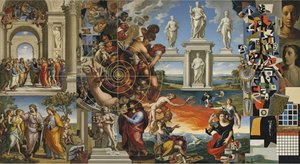
The Eloquence of Arrangement: Compositional Strategies in Western Art from the Renaissance to Modernism
Explore the evolution of compositional strategies in Western art! Discover how masters like Raphael & Zurbaran used perspective, proportion, and dynamic arrangement to create timeless masterpieces. Enhance your art appreciation today!

The Eloquent Line: Exploring the Artistic Significance of Sketches Across Movements and Media
Explore the profound artistic significance of sketches throughout history. From Renaissance masters to modern innovators like Van Gogh & Guston, discover how these foundational works reveal technique, emotion, and vision. Learn more at OriginalUniqueArt.

Mastering Abstraction: The 25 Most Iconic Works by Wassily Kandinsky
Explore 25 iconic Kandinsky masterpieces and the birth of abstraction. Discover the full collection online at OriginalUniqueArt.com.

Harmonies on Canvas: Exploring the Visual Representation of Music in Art History
Explore the fascinating history of music's visual representation in art! From ancient symbolism to modern abstraction, discover how artists have captured sound and emotion on canvas. Expert insights & stunning examples.

أعمال غوستاف كليمت الخالدة: 25 تحفة فنية تزين منزلك بجمال الأرت نوفو
اكتشف 25 تحفة فنية لغوستاف كليمت، رائد الأرت نوفو. استكشف قصص لوحاته الذهبية الشهيرة، ورموزيته العميقة، وتأثيره الخالد في عالم الفن والديكور. احصل على إعادة إنتاج عالية الجودة من OriginalUniqueArt.com.