
 معاينة الحجم الحقيقي
 مشاركة
 مشاركة
 التفاصيل

 تحميل الملف
 قطع مشابهة
 الأشعة السينية
 عرض شرائح
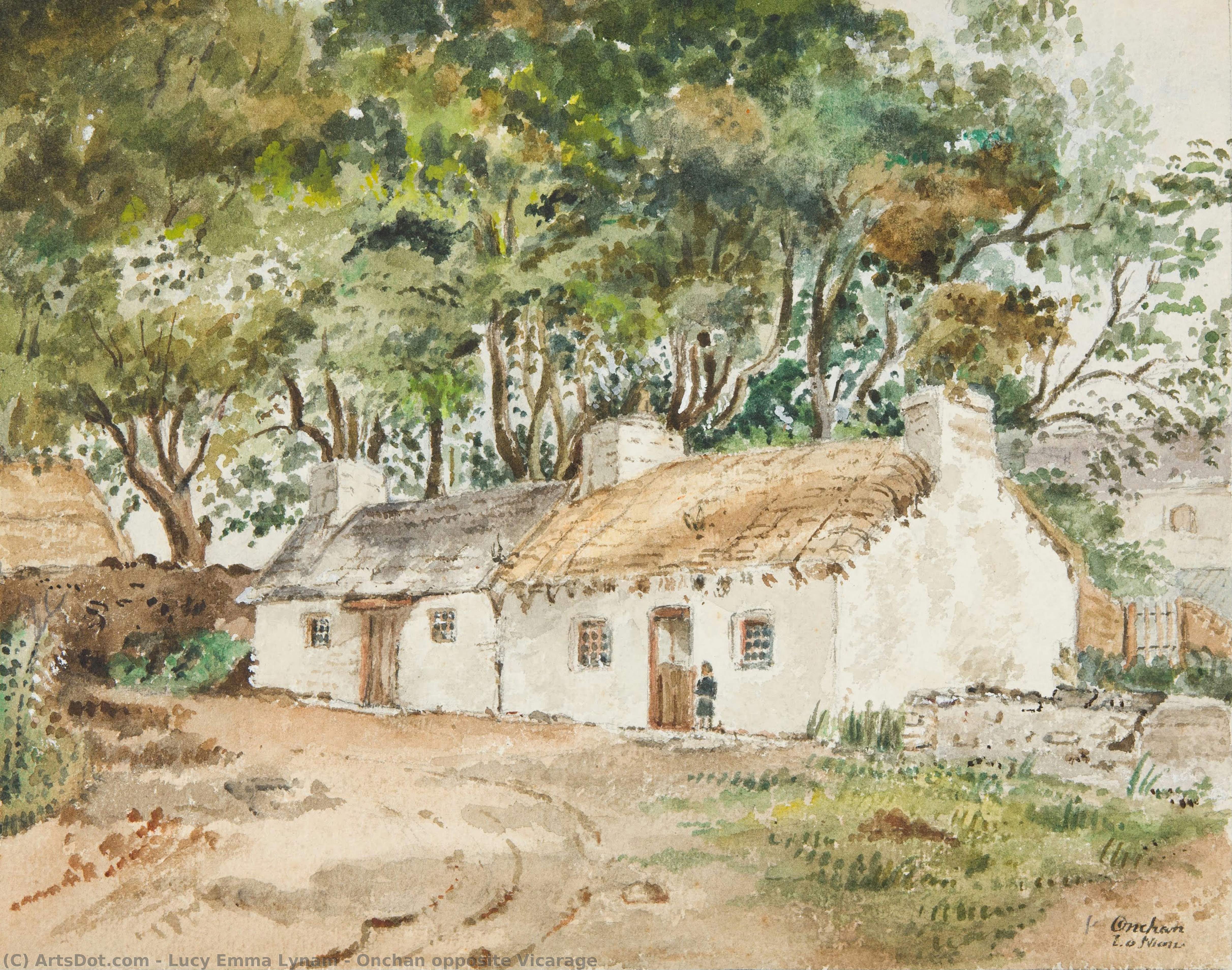
Onchan opposite Vicarage
 Watercolor
- WallArt
- Realism
 1800
1800- 19th Century
 23.0 x 29.0 cm
 Manx National Heritage
 عرض المزيد
نسخة زيتية مصنوعة يدوياً
لوحة زيتية مرسومة يدوياً على الكانفاس بالمقاس والإطار الذي تفضله، تُنفذ حسب الطلب على أيدي فنانينا. ( اشترِ نسخة مطبوعة اشترِ الصورة)




P118B $10

P118H $10

P118W $10

P438Z $10

P508JH $12

P508YH $12

P805H $10

P805Z $10

P919BZ $10

P919G $10

P919XJ $10

P959ZH $10

P968JZ $12

W106C $8

W218G $10

W218JH $8

W218Y $10

W307PJ $10

W316G $10

W316PJ $8

W316Y $10

W398PJ $8

W4111J $10

W500HY $15

W500JH $15

W692G $12

W849H $8

W940BG $15

W953PJ $8




اختر من بين أحجامنا المُعدّة مسبقًا والتي تتطابق مع النسب الأصلية للعمل الفني.

يمكنك إدخال أبعادك الخاصة لتناسب إطارًا معينًا أو مساحة محددة. وإذا لم يتطابق الحجم الذي اخترته مع نسب الصورة الأصلية، فسنقوم إما بقص العمل الفني أو توسيع اللوحة بإضافة عناصر مرسومة يدويًا. سيتم إرسال نموذج رقمي إليك للموافقة عليه قبل بدء الإنتاج.
يرجى ملاحظة أن المعاينة على الشاشة لا تعكس عملية القص أو التوسيع الفعلية؛ حيث إن النموذج الرقمي وحده هو الذي سيوضح التكوين النهائي بدقة.
وعلى الرغم من توفر أحجام مخصصة، إلا أننا نوصي باختيار أبعاد من القائمة المحددة مسبقًا للحفاظ على النسب الأصلية للعمل الفني.
بعد إتمام الطلب، سيرسل فريق OriginalUniqueArt.com بريداً إلكترونياً للعميل لطلب التعليمات وتزويده بمعاينة تجريبية (mockup).
توصيل عالمي إلى خلال 3 إلى 4 أسابيع بدلاً من المدة المعتادة البالغة 5 أسابيع. (19 أغسطس). جودة لا تهاون فيها.

شحن سريع ومجاني لجميع أنحاء العالم

قماش كتان عالي الجودة

تأمين شحن شامل

ضمان استرداد الرسوم الجمركية

ضمان مطابقة الألوان الحقيقية

سياسة الإرجاع خلال 60 يومًا (في حالات العيوب فقط)

ضمان استرداد نقدي بنسبة 100%

خصم عند طلب عدة قطع
 خيار الزجاج متاح فقط للمقاسات التي تقل عن 110 سم

Onchan opposite Vicarage
خامة إعادة الإنتاج
مقاس النسخة المطبوعة
-


السعر الإجمالي النهائي
$ 300
وصف العمل الفني
A Window into Rural Serenity
In the delicate brushstrokes of Onchan opposite Vicarage, we are invited to step into a world where time seems to have slowed to the gentle rhythm of the countryside. This exquisite painting by Lucy Emma Lynam captures a moment of profound stillness, presenting a white-walled cottage crowned with a rustic thatched roof. The scene is far more than a mere architectural study; it is an evocative window into a bygone era, where the harmony between human habitation and the natural world remains undisturbed. As the eye wanders across the canvas, one notices the soft interplay of light upon the textured thatch and the way the surrounding trees cradle the home in a protective, verdant embrace.
The composition is masterfully balanced, utilizing a sense of depth that draws the viewer into the heart of the landscape. A subtle narrative unfolds through the presence of small, quiet figures—a person standing near the doorway and another drifting toward the periphery—which lend a pulse of life to the stillness. The inclusion of a horse in the lower corner adds a touch of pastoral authenticity, grounding the scene in the agricultural reality of the period. For the collector or interior designer, this piece offers a sense of grounded tranquility, making it an ideal centerpiece for spaces designed to evoke peace, nostalgia, and a connection to heritage.
Technique and the Art of Atmosphere
Lynam’s technique in this work demonstrates a remarkable ability to manipulate light and texture to create atmosphere. The artist employs a delicate touch, likely utilizing watercolor or fine oil glazes, to achieve the soft, diffused lighting that characterizes the scene. There is a palpable sense of airiness; the white walls of the vicarage act as a canvas for subtle shadows, preventing the structure from appearing flat or stark. Instead, the building feels integrated into its environment, reflecting the gentle luminosity of an overcast yet bright day.
The brushwork serves to emphasize the organic textures of the landscape—the ruggedness of the thatch, the leafy density of the trees, and the soft earth beneath the feet of the travelers. This attention to detail does not overwhelm the viewer but rather builds a layered sensory experience. The emotional impact is one of profound serenity; it is a painting that breathes. For those seeking to adorn a home with art that inspires contemplation, this reproduction offers a sophisticated way to introduce a sense of historical charm and pastoral elegance into a modern interior.
Historical Resonance and Timeless Appeal
Created around the turn of the 19th century, Onchan opposite Vicarage serves as a poignant historical document of rural life. It captures an era before the rapid industrialization that would eventually transform the landscapes of the United Kingdom. The painting preserves a sense of "place"—a specific, localized memory of Onchan that feels both intimate and universal. Through Lynam's lens, we see the beauty in the mundane: a cottage, a horse, a quiet path.
For the discerning art lover, owning a reproduction of such a piece is an act of preserving this lost tranquility. The artwork transcends its original date, offering a timeless aesthetic that complements both classical and contemporary decor. Whether placed in a sunlit library or a quiet study, the painting acts as a meditative focal point, reminding us of the enduring beauty found in the simplest corners of our world.
السيرة الذاتية للفنان
James McNeill Whistler: A Symphony of Light and Shadow
Born in Lowell, Massachusetts, in 1834, James Abbott McNeill Whistler’s artistic journey was a transatlantic odyssey, shaped by diverse influences and culminating in a uniquely evocative style. His early life, marked by a brief sojourn in Russia with his father, a civil engineer working on the railway to Moscow, instilled in him an appreciation for both European and Russian aesthetics. Returning to America, he briefly attended the United States Military Academy at West Point, but found himself drawn away from military pursuits towards the burgeoning world of art. Whistler’s artistic development began formally with drawing lessons under Robert W. Weir, yet his true education unfolded through independent study and a profound engagement with European painting traditions – particularly those of Dutch masters like Rembrandt and Vermeer, alongside Spanish Baroque painters such as Velázquez.
Whistler's arrival in Paris in 1855 proved pivotal. He immersed himself in the Parisian art scene, studying at the “petite école” (the École Royale des Beaux-Arts) and working with Charles Gleyre’s independent atelier. This environment exposed him to a range of artistic approaches, including those of emerging Impressionists like Monet and Renoir. Crucially, Whistler cultivated friendships with figures like Carolus-Duran and Édouard Manet, absorbing their innovative ideas and techniques. His early works, such as *Self-Portrait* (1857–58) and the *Twelve Etchings from Nature* (*The French Set*, 1858), demonstrate a nascent realism tempered by an interest in capturing subtle tonal variations – a foreshadowing of his later aesthetic concerns. He was deeply influenced by the writings of Charles Baudelaire and Théophile Thoré, whose explorations of beauty and sensation resonated with Whistler’s own artistic vision.
The Pursuit of “Art for Art’s Sake”
Whistler's artistic philosophy centered on the concept of "art for art's sake," a radical notion at the time that prioritized aesthetic experience over moral or narrative content. He rejected the prevailing trend of painting with didactic purpose, arguing instead that the primary function of art was to evoke beauty and harmony through careful manipulation of color, light, and form. This approach led him to develop a distinctive style characterized by muted palettes, simplified forms, and an emphasis on tonal relationships – what he termed “sympathy.” His paintings often eschewed traditional subject matter, favoring scenes of urban life, interiors, and portraits that were less concerned with depicting reality than with capturing a specific mood or atmosphere.
This philosophy is vividly illustrated in his most famous work, *Arrangement in Grey and Black No. 1* (1871), commonly known as *Whistler’s Mother*. Initially dismissed by critics for its apparent lack of narrative content, the painting has since become an iconic image, celebrated for its quiet dignity and subtle emotional resonance. Similarly, his nocturnes – paintings depicting scenes at night – exemplify this aesthetic principle. Works like *Nocturne in Black and Gold, the Falling Rocket* (1872) demonstrate Whistler’s ability to capture the ethereal quality of darkness through a masterful orchestration of color and light, transforming a simple train journey into a symphony of visual sensation.
Technique and Innovation
Whistler's technical innovations extended beyond his aesthetic choices. He was a pioneer in the field of printmaking, developing a unique approach to etching that emphasized tonal variations and subtle textures. His prints, such as *Nocturne: Blue and Silver – Chelsea* (1879), demonstrate a remarkable command of line and tone, creating images that are both delicate and powerful. Whistler also experimented with color printing techniques, producing vibrant chromolithographs that showcased his mastery of color theory. He meticulously studied the properties of light and color, applying scientific principles to his artistic practice – a characteristic that further distinguished him from many of his contemporaries.
Legacy and Influence
James McNeill Whistler’s impact on the art world was profound and enduring. He challenged conventional notions of what constituted “good” art, advocating for a more subjective and experiential approach to painting. His writings and lectures helped to shape the aesthetic debates of his time, influencing artists such as Monet, Renoir, and Vincent van Gogh. Furthermore, Whistler’s emphasis on tonal harmony and atmospheric effects paved the way for later developments in Impressionism and Post-Impressionism. He was elected an honorary member of the Royal Academy of Fine Arts, Munich (1892) and became an officer of the Légion d'honneur (1898), recognizing his contributions to French culture. Whistler’s legacy continues to resonate today, reminding us of the power of art to evoke emotion, stimulate imagination, and transcend the limitations of representation.

lucy emma lynam
1834 - , United Kingdom
حقائق سريعة
- Artistic Movement Or Style: Aestheticism, Tonalism
- Artists Or Movements Influenced By This Artist:
- Aesthetic Movement
- Impressionism
- Artists Who Influenced This Artist:
- Rembrandt
- Vermeer
- Velázquez
- Date Of Birth: July 10, 1834
- Date Of Death: July 17, 1903
- Full Name: James Abbott McNeill Whistler
- Nationality: American-British
- Notable Artworks:
- Arrangement in Grey and Black No. 1
- Whistler’s Mother
- Nocturne in Black and Gold
- Place Of Birth: Lowell, Massachusetts, USA
مقالات ذات صلة

White on Canvas: 10 Masterpieces & Timeless Elegance for Your Home Decor
Explore 10 iconic white paintings by Monet, Whistler & Rothko! Discover the stories behind these serene masterpieces and their impact on art history. Find museum-quality reproductions for your home decor at .
The Subtleties of White: Exploring Absence, Light & Symbolism in Art History
Explore the profound symbolism & history of white in art! From ancient purity to modern abstraction, discover how artists have used absence & light. Expert insights from OriginalUniqueArt.

Sir Alfred Munnings' Masterpieces: 25 Paintings That Define Equine Art | OriginalUniqueArt
Explore 25 iconic Sir Alfred Munnings paintings! Discover the beauty of British Impressionism, equine art & rural England. Find museum-quality reproductions and elevate your home decor with OriginalUniqueArt. Explore the full collection online.

أروع 25 لوحة لرينوار: رحلة في عالم الضوء والجمال | OriginalUniqueArt
اكتشف روعة أعمال رينوار! استكشف 25 لوحة انطباعية خالدة، ورحلة الفنان في عالم الضوء والجمال. طباعة فنية عالية الجودة لديكور منزلي فاخر على OriginalUniqueArt.com.
Serene Masterpieces: 10 Artworks for Peaceful Decor |
Find peace with 10 serene masterpieces! Explore calming landscapes by Monet & Van Gogh, tranquil Japanese art like Hokusai’s Great Wave, and more. Discover the stories behind these iconic paintings & bring museum-quality art to your home with . Explore the full collection online.

