

 معاينة الحجم الواقعي
 إرسال
إرسال مشاركة
 عرض التفاصيل
 دليل الأعمال الفنية للطلاب

 تحميل
تحميل
 قطع مشابهة
 الأشعة السينية
 عرض شرائح متتابع
 الإحصائيات
Card Players
 Oil On Panel
- Renaissance Humanism
 1525
1525 40.0 x 50.0 cm
 متحف برادو
 اقرأ المزيد
نسخة زيتية مصنوعة يدوياً
لوحة زيتية مرسومة يدوياً على الكانفاس بالمقاس والإطار الذي تفضله، تُنفذ حسب الطلب على أيدي فنانينا. ( التبديل إلى المطبوعات التحويل إلى الصورة الرقمية)




P118B E£10

P118H E£10

P118W E£10

P438Z E£10

P508JH E£12

P508YH E£12

P805H E£10

P805Z E£10

P919BZ E£10

P919G E£10

P919XJ E£10

P959ZH E£10

P968JZ E£12

W106C E£8

W218G E£10

W218JH E£8

W218Y E£10

W307PJ E£10

W316G E£10

W316PJ E£8

W316Y E£10

W398PJ E£8

W4111J E£10

W500HY E£15

W500JH E£15

W692G E£12

W849H E£8

W940BG E£15

W953PJ E£8




اختر من بين أحجامنا المُعدّة مسبقاً والتي تتوافق مع النسب الأصلية للعمل الفني.

أدخل العرض والارتفاع اللذين تحتاجهما، ليتناسب العمل مع إطارك أو جدارك. وبما أن هذه اللوحة مرسومة يدوياً، ففي حال اختيار مقاس بشكل مختلف، يمكن للفنان رسم مساحة إضافية حول الصورة أو تقليصها قليلاً — الخيار لك. سنرسل لك نموذجاً رقمياً تجريبياً لاعتماده قبل البدء في الرسم. علماً بأن الصورة المعروضة في هذه الصفحة لا تعكس النتيجة النهائية الحقيقية — فالنموذج التجريبي هو الوحيد الذي يوضح ذلك بدقة.
بعد إتمام الطلب، سيرسل فريق OriginalUniqueArt.com بريداً إلكترونياً للعميل لطلب التعليمات وتزويده بمعاينة تجريبية (mockup).
توصيل عالمي إلى خلال 3 إلى 4 أسابيع بدلاً من المدة المعتادة البالغة 5 أسابيع. (25 أكتوبر). جودة لا تهاون فيها.

شحن سريع ومجاني لجميع أنحاء العالم

قماش كتان فاخر

تأمين شامل على الشحن

ضمان استرداد الرسوم الجمركية

ضمان دقة مطابقة الألوان

سياسة الإرجاع خلال 100 يوم (في حالات العيوب فقط)

ضمان استرداد نقدي بنسبة 100%

عرض خصم الكميات
 خيار الزجاج متاح فقط للمقاسات التي تقل عن 110 سم

Card Players
وسيط إعادة الإنتاج
مقاس النسخة المطبوعة
-


إجمالي السعر
E£ 15526
The Quiet Intensity of “Card Players” by Lucas van Leyden
Lucas van Leyden’s “Card Players,” painted in 1525, is more than just a depiction of a game; it's a meticulously crafted snapshot of a burgeoning social world. Often referred to as the "Genesis of a Game," this oil-on-panel work offers a rare glimpse into the lives and leisure activities of the early 16th century Netherlands – a period marked by both artistic innovation and profound societal shifts. Van Leyden, a master painter and engraver deeply influenced by both Italian Renaissance ideals and his native Flemish traditions, has created an image that resonates with quiet intensity and unspoken narratives, inviting viewers to contemplate the complexities of human interaction.
The painting’s origins are rooted in the evolving social landscape of Europe. As urban centers flourished, new forms of social engagement emerged, and card games – previously largely confined to aristocratic circles – began to gain popularity among merchants, artisans, and a rising middle class. Van Leyden brilliantly captures this transformation by presenting not a grand tournament or formal competition, but a private gathering—a moment of shared camaraderie amidst the everyday realities of life. The composition itself is carefully orchestrated; the three figures are arranged in a dynamic triangular formation, drawing the eye to each individual while simultaneously suggesting an interplay between them – a silent conversation unfolding beneath the surface.
A Study in Detail: Technique and Composition
Van Leyden’s technical mastery is immediately evident. Every detail, from the folds of the clothing to the glint of light on the cards, is rendered with painstaking precision. The artist employs a masterful use of chiaroscuro – the dramatic contrast between light and shadow – to sculpt the figures, creating a sense of depth and volume that draws the viewer into the scene. Notice how the dark background serves to isolate the players, intensifying their presence and emphasizing their engagement with the game. The meticulous rendering of textures—the rough weave of the robes, the smooth surface of the cards—adds a remarkable level of realism, while the subtle variations in color contribute to the overall sense of atmosphere.
Furthermore, Van Leyden’s compositional choices are deliberate and sophisticated. The triangular arrangement of figures creates visual stability and directs the viewer's eye across the canvas. The placement of the women, particularly the central figure with her elaborate headdress, subtly asserts a position of authority within the group—a reflection of the changing roles of women in society during this period. The use of perspective, though not entirely linear, contributes to the illusion of depth and space, further immersing the viewer in the scene.
Symbolism and Context: A Window into Renaissance Life
Beyond its technical brilliance, “Card Players” is rich in symbolic meaning. The game itself represents more than just a pastime; it symbolizes social status, wealth, and intellectual engagement. The piles of gold coins scattered on the table are a clear indication of prosperity and success—a key aspiration for many merchants and artisans during this era. The cards themselves can be interpreted as metaphors for chance, fortune, and the unpredictable nature of life. The quiet expressions on the faces of the players suggest a blend of concentration, anticipation, and perhaps even a touch of rivalry.
Moreover, the painting reflects the humanist ideals that were gaining prominence during the Renaissance. Van Leyden’s focus on human interaction and everyday life—rather than grand historical events or religious narratives—aligns with this broader cultural shift. The scene is not idealized; it's grounded in reality, offering a nuanced portrayal of social dynamics and the complexities of human relationships. The painting serves as a testament to the Renaissance fascination with observing and representing the world around us.
Emotional Resonance: A Moment Frozen in Time
“Card Players” possesses a remarkable emotional resonance that transcends its historical context. Despite the lack of overt drama, the painting evokes a sense of quiet intensity—a feeling of being privy to a private moment of connection and shared experience. The subtle expressions on the faces of the players invite viewers to speculate about their thoughts and feelings, creating a powerful sense of empathy. The scene is both familiar and enigmatic, capturing the timeless appeal of human interaction and the enduring fascination with games of chance.
Whether viewed as a historical document, an artistic masterpiece, or simply a captivating image, “Card Players” continues to resonate with audiences today—a testament to Lucas van Leyden’s skill as a painter and his profound understanding of the human condition.
الأسئلة والأجوبة
ما هي التقنية المستخدمة في صنع "Card Players"، وما هي أبعادها؟
تعتمد تقنية العمل الفني "Card Players" للفنان لوكاس فان ليدن على Oil On Panel، وتبلغ أبعاده المسجلة 40 x 50 cm.
ما هي أبعاد العمل الأصلي "Card Players" للفنان لوكاس فان ليدن؟
تبلغ أبعاد العمل الأصلي "Card Players" للفنان لوكاس فان ليدن 40 x 50 cm.
هل يُعرف لوكاس فان ليدن، مبدع "Card Players"، بأسماء أخرى؟
تشمل الأسماء الأخرى المسجلة لـ لوكاس فان ليدن، مبدع "Card Players"، كلاً من لوكاس هوغينز فان ليدن, Lucas Hugensz Van Leyden.
نبذة عن الفنان
نشأة لوكاس فان ليدن وتكوينه الفني
ولد لوكاس فان ليدن في مدينة لايدن بهولندا عام 1494، في عائلة فنية حيث كان والده، هيوخ ياكوبز، رسامًا أيضًا. بدأ تدريبه الفني تحت إشراف والده المباشر، مما أتاح له اكتساب مهارات أساسية في الرسم منذ نعومة أظفاره. لاحقًا، انضم إلى ورشة كورنيليس إنغيلبرختس عام 1508، حيث صقل موهبته وتعمقت معرفته بتقنيات الرسم المختلفة. كانت هذه الفترة بمثابة نقطة تحول في مسيرته الفنية، حيث بدأ يكتشف أسلوبه الخاص ويطور رؤيته الإبداعية. لم يكن فان ليدن مجرد رسام، بل كان أيضًا نحاتًا بارعًا ومصمم مطبوعات متميزًا، مما جعله فنانًا متعدد المواهب في عصر النهضة الهولندية المبكرة.التطور الفني والريادة في التصوير النوعي
يعتبر لوكاس فان ليدن من أوائل الفنانين الهولنديين الذين برعوا في التصوير النوعي، وهو نوع من الرسم يركز على تصوير مشاهد الحياة اليومية للناس العاديين. تميزت أعماله المبكرة (حوالي 1506-1512) بشخصيات نصفية تعكس أصالة فنية نادرة بالنسبة لسنّه. ومع تطور موهبته، أتقن رسم المناظر الطبيعية وأصبح ماهرًا بشكل ملحوظ في فن النقش. تُعد مطبوعته الأولى المعروفة، "محمد والراهب المقتول" (1508)، دليلًا قاطعًا على إتقانه لهذا الفن. لم يكتفِ فان ليدن بتقليد الأساليب السائدة، بل سعى إلى تطوير تقنيات جديدة والتعبير عن رؤيته الفريدة للعالم من حوله. كانت أعماله بمثابة نافذة تطل على الحياة الاجتماعية والثقافية في هولندا خلال القرن السادس عشر.أعمال بارزة وأسلوب فني متميز
يُنسب إلى لوكاس فان ليدن سبعة عشر لوحة مؤكدة، من بينها: شفاء الأعمى في أريحا، وهي تحفة فنية تصور مجموعة من الشخصيات أمام خلفية طبيعية خلابة. القديس بولس، التي تجسد براعته في فن النقش. وجالبة الحليب (نقش، 1510)، والتي تبرز مهاراته المبكرة في هذا المجال. يتميز أسلوبه بألوانه الزاهية واستخدامه المبتكر للمنظور الجوي، وهي تقنية كان يقدرها أيضًا ألبريخت دورر. لم يكن فان ليدن مجرد فنان موهوب، بل كان مبتكرًا حقيقيًا سعى إلى تجاوز حدود الفن التقليدي وتقديم أعمال تعكس جمال الطبيعة وتعقيدات الحياة البشرية.التأثيرات والإرث الفني
تأثر لوكاس فان ليدن بأعمال فنانين عصر النهضة الألمان، وخاصة ألبريخت دورر، الذي كان له تأثير كبير على أسلوبه وتقنياته. ومع ذلك، تمكن فان ليدن من تطوير أسلوبه الخاص والمتميز الذي جعله رائدًا في الفن الهولندي. ساهمت أعماله بشكل كبير في تطور التصوير النوعي والنقش في هولندا، وألهمت العديد من الفنانين اللاحقين. لا يزال إرثه الفني حيًا حتى اليوم، حيث تُعرض أعماله في متاحف مرموقة حول العالم، مثل متحف فان جوخ في هولندا. بالإضافة إلى ذلك، تتوفر مجموعة واسعة من أعماله على منصات الإنترنت مثل OriginalUniqueArt.com، مما يتيح لعشاق الفن استكشاف إبداعاته بالتفصيل والتعرف على مسيرته الفنية المذهلة.مجموعات المتاحف والتواجد عبر الإنترنت
يمكن العثور على أعمال لوكاس فان ليدن في العديد من المتاحف حول العالم، بما في ذلك متحف فان جوخ (هولندا)، الذي يضم مجموعة واسعة من نقوشه ولوحاته. كما تتيح المنصات الإلكترونية مثل OriginalUniqueArt.com لعشاق الفن استكشاف أعماله بالتفصيل والتعرف على حياته وإنجازاته. بالإضافة إلى ذلك، يمكن للزوار استكشاف مجموعة متحف فان جوخ (هولندا) عبر الإنترنت واكتشاف المزيد عن الفن الهولندي وتاريخه الغني.- شاهد أعمال لوكاس فان ليدن على OriginalUniqueArt.com
- استكشف مجموعة متحف فان جوخ (هولندا) عبر الإنترنت
- اكتشف المزيد عن الفن الهولندي ورواده على مدونة OriginalUniqueArt.com

لوكاس فان ليدن
1494 - 1533 , هولندا
لمحة سريعة
- أعمال بارزة:
- شفاء الأعمى من أريحا
- القديس بولس
- حاملة اللبن
- الاسم الكامل: لوكاس فان ليدن
- الجنسية: هولندي
- الحركة الفنية: عصر النهضة الهولندية المبكرة
- تاريخ الميلاد: لايدن، هولندا (1494)
- تاريخ الوفاة: 1533
- فنانون مؤثرون: ['ألبرخت دورر']
- فنانون متأثرون: ['عصر النهضة الألمانية']
- مكان الميلاد: لايدن، هولندا
مقالات ذات صلة

Jan van Goyen: Master of Dutch Landscape & Atmospheric Perspective
Discover Jan van Goyen, the master of Dutch landscape painting. Explore his subtle technique, atmospheric realism & lasting influence on art history. Learn about this 17th-century pioneer at OriginalUniqueArt.

Golden Light & Dutch Skies: The Timeless Magic of Dutch Golden Age Landscapes
Discover the breathtaking beauty of Dutch Golden Age landscapes. Explore the mastery of light, chiaroscuro, and 17th-century realism through an expert art history lens, celebrating the enduring legacy of the Dutch Masters for discerning collectors and art lovers.

أعمال ريمبراند فان راين الخالدة: 25 تحفة فنية آسرة لديكور منزلك
اكتشف 25 تحفة فنية لريمبراند فان راين، رائد العصر الذهبي الهولندي. استكشف قصص لوحاته الشهيرة وتقنيات الرسم المذهلة. احصل على إعادة إنتاج عالية الجودة لديكور منزلك الفاخر على OriginalUniqueArt.com

Lucas van Leyden: Innovation & Intimacy in Early Netherlandish Printmaking
Explore the groundbreaking prints of Lucas van Leyden, a Dutch master bridging Gothic detail & Renaissance innovation. Discover his rare works, investment potential, and legacy for discerning collectors.
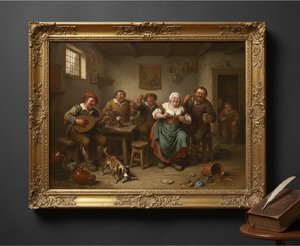
Adriaen van Ostade: A Master of Dutch Genre Painting & Social Commentary
Explore the life & work of Adriaen van Ostade, a leading Dutch Golden Age painter. Discover his realistic genre scenes, social commentary, and lasting influence on art history. Learn more at OriginalUniqueArt.
