 شراء نسخة مطبوعة شراء الصورة بدقة عالية
 مشاركة
 مشاركة
 التفاصيل
 أضف إلى المفضلة

 تحميل الملف
 قطع مشابهة
 الأشعة السينية
 عرض شرائح
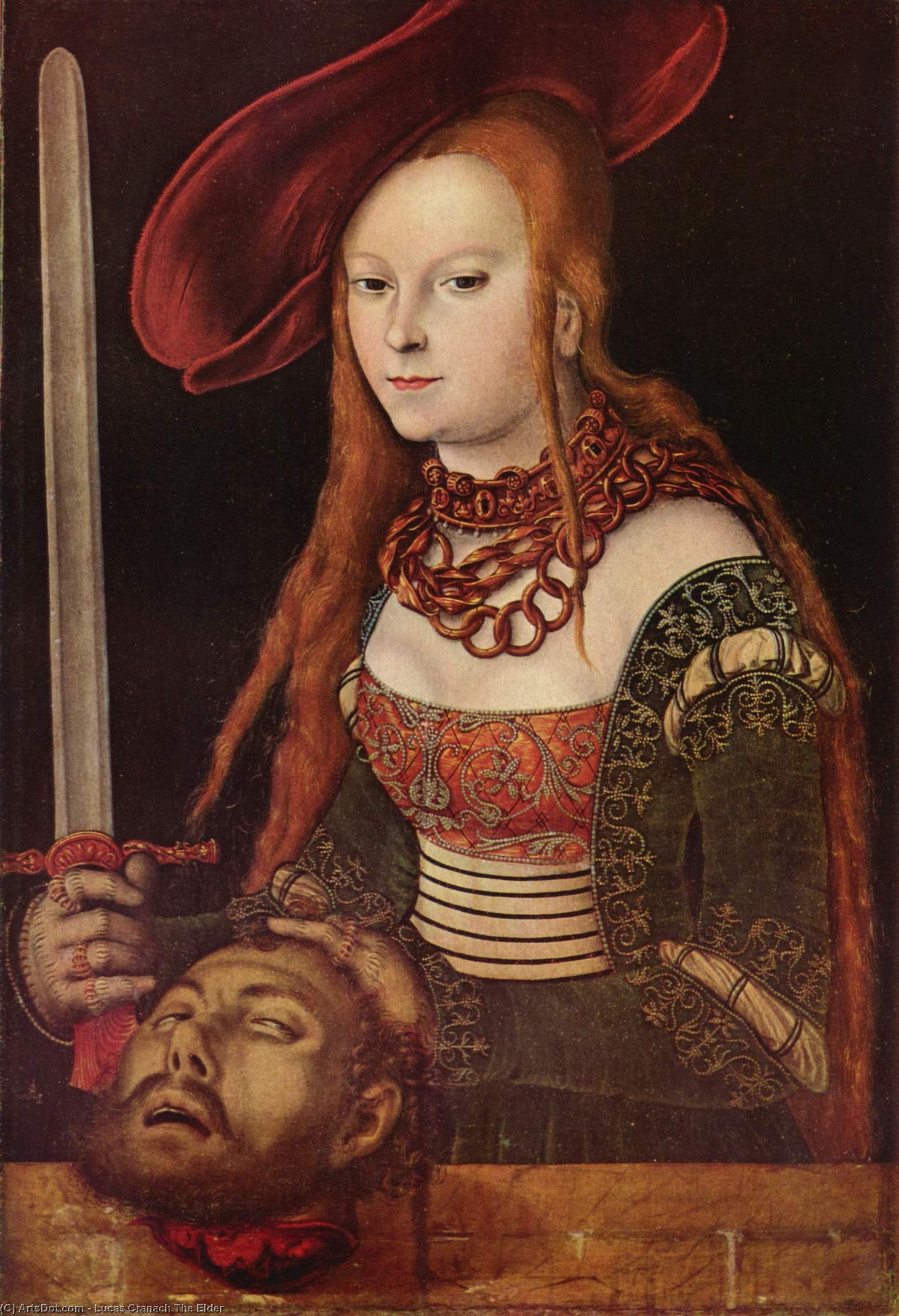
Judith
 Oil On Panel
- Northern Renaissance
 1515
1515- Renaissance
 86.0 x 59.0 cm
 عرض المزيد
نسخة زيتية مصنوعة يدوياً
لوحة زيتية مرسومة يدوياً على الكانفاس بالمقاس والإطار الذي تفضله، تُنفذ حسب الطلب على أيدي فنانينا.




P118B $10

P118H $10

P118W $10

P438Z $10

P508JH $12

P508YH $12

P805H $10

P805Z $10

P919BZ $10

P919G $10

P919XJ $10

P959ZH $10

P968JZ $12

W106C $8

W218G $10

W218JH $8

W218Y $10

W307PJ $10

W316G $10

W316PJ $8

W316Y $10

W398PJ $8

W4111J $10

W500HY $15

W500JH $15

W692G $12

W849H $8

W940BG $15

W953PJ $8




اختر من بين أحجامنا المُعدّة مسبقًا والتي تتطابق مع النسب الأصلية للعمل الفني.

يمكنك إدخال أبعادك الخاصة لتناسب إطارًا معينًا أو مساحة محددة. وإذا لم يتطابق الحجم الذي اخترته مع نسب الصورة الأصلية، فسنقوم إما بقص العمل الفني أو توسيع اللوحة بإضافة عناصر مرسومة يدويًا. سيتم إرسال نموذج رقمي إليك للموافقة عليه قبل بدء الإنتاج.
يرجى ملاحظة أن المعاينة على الشاشة لا تعكس عملية القص أو التوسيع الفعلية؛ حيث إن النموذج الرقمي وحده هو الذي سيوضح التكوين النهائي بدقة.
وعلى الرغم من توفر أحجام مخصصة، إلا أننا نوصي باختيار أبعاد من القائمة المحددة مسبقًا للحفاظ على النسب الأصلية للعمل الفني.
بعد إتمام الطلب، سيرسل فريق OriginalUniqueArt.com بريداً إلكترونياً للعميل لطلب التعليمات وتزويده بمعاينة تجريبية (mockup).
توصيل عالمي إلى خلال 3 إلى 4 أسابيع بدلاً من المدة المعتادة البالغة 5 أسابيع. (20 يوليو). جودة لا تهاون فيها.

شحن سريع ومجاني لجميع أنحاء العالم

قماش كتان عالي الجودة

تأمين شحن شامل

ضمان استرداد الرسوم الجمركية

ضمان مطابقة الألوان الحقيقية

سياسة الإرجاع خلال 60 يومًا (في حالات العيوب فقط)

ضمان استرداد نقدي بنسبة 100%

خصم عند طلب عدة قطع
 خيار الزجاج متاح فقط للمقاسات التي تقل عن 110 سم

Judith
خامة إعادة الإنتاج
مقاس النسخة المطبوعة
-


السعر الإجمالي النهائي
-
وصف العمل الفني
Judith by Lucas Cranach the Elder: A Renaissance Masterpiece
The painting "Judith" by Lucas Cranach the Elder is a masterpiece of the Northern Renaissance style, created in 1515. This oil painting measures 86 x 59 cm and is a stunning representation of the biblical story of Judith and Holofernes.
Artistic Style and Technique
Lucas Cranach the Elder was a renowned German painter and printmaker, known for his contributions to the development of the Northern Renaissance style. His paintings often featured rich colors, detailed landscapes, and mythological subjects. In "Judith," he used a bold color palette, with the red hat standing out against the rest of the scene. The woman's armor is also intricately detailed, highlighting her role as a warrior.
- The painting is characterized by its use of symbolism, with the severed head representing victory and power.
- The artist’s attention to detail is evident in the intricate design of Judith’s armor and clothing.
- The painting's composition is balanced, with the central figure of Judith drawing the viewer's eye.
Symbolism and Historical Context
This artwork draws from the biblical story of Judith, a courageous Jewish widow who saved her people by seducing and then beheading the Assyrian general Holofernes. Cranach’s depiction reflects the Northern Renaissance fascination with biblical narratives and classical themes. The painting was created during the Reformation period in Germany, and it's believed that some scholars have suggested that such works may relate to the Schmalkaldic League – an alliance of Protestant princes formed to defend against the Holy Roman Emperor.
Emotional Impact and Legacy
“Judith” evokes a sense of strength, determination, and triumph. Judith’s direct gaze and regal posture convey her power and resolve. The somber background enhances the dramatic impact of the scene, drawing attention to the central figure. Cranach's masterful use of light and shadow creates depth and realism, making this painting a captivating work of art that continues to inspire and fascinate audiences today.
Notable Works by Lucas Cranach the Elder
Explore more of Cranach's artistry through these notable works:
The Kunsthistorisches Museum in Vienna, Austria, also houses several of his works.
السيرة الذاتية للفنان
Lucas Cranach the Elder
Lucas Cranach the Elder, born around 1472 in Kronach (now central Germany), stands as a monumental figure of the German Renaissance—a period defined by fervent artistic experimentation and profound religious transformation. His life unfolded amidst turbulent political landscapes and intellectual debates, shaping him into an artist whose legacy continues to inspire awe and admiration centuries later. Little is known with absolute certainty about his early years beyond that he was born into a family of artists—his father, Hans Maler, practiced the craft of painting, establishing a tradition of artistic excellence that would extend through generations. ### Early Artistic Training and Influences The precise details surrounding Cranach’s formative education remain elusive, shrouded in the mists of historical documentation. However, it is widely accepted that he received his initial training from his father, mastering the techniques of drawing and painting—skills honed within the framework of the *ars graphica*, or art of printmaking, which was gaining prominence during this era. Like many artists of his time, Cranach’s artistic sensibilities were undoubtedly influenced by the prevailing currents of South German art—particularly the stylistic innovations championed by masters such as Matthias Grünewald and Albrecht Dürer. These encounters fostered a dialogue between tradition and innovation, shaping Cranach's evolving aesthetic vision. ### Service to Frederick III and Wittenberg: A Crucible of Artistic Innovation A pivotal moment in Cranach’s artistic trajectory arrived in 1502 when he accepted the patronage of Frederick III, Elector of Saxony—a relationship that would define much of his career and propel him to the forefront of Saxon artistic culture. Appointed court painter in Wittenberg, Cranach found himself at the epicenter of the burgeoning Protestant Reformation—a movement that challenged papal authority and championed biblical piety. This appointment wasn’t merely about producing decorative artworks; it placed Cranach squarely within the ideological battleground shaping Europe's future. He skillfully navigated this complex environment, utilizing his artistic talents to disseminate Protestant ideas through woodcuts and paintings—works imbued with symbolic resonance and conveying a fervent commitment to Luther’s theological convictions. ### Portraits of Reformers and Mythological Visions: Artistic Expression Amidst Religious Conflict Cranach’s oeuvre is distinguished by its remarkable diversity—ranging from monumental altarpieces to intimate portraits and captivating mythological scenes. Among his most celebrated achievements are the eleven portraits he created of Martin Luther—each offering a nuanced portrayal of the reformer's character and intellectual stature. These images weren’t simply likenesses; they were carefully crafted representations designed to project authority, piety, and erudition—qualities deemed essential for a leader confronting entrenched religious dogma. Simultaneously, Cranach explored mythological themes—drawing inspiration from classical antiquity to express profound spiritual truths—often employing allegorical symbolism to engage audiences on multiple levels. His depiction of Venus—a masterpiece of Northern Renaissance art—captures the beauty and allure of pagan mythology while simultaneously hinting at Christian moral values. ### Legacy and Enduring Influence: A Masterpiece of Artistic Synthesis Lucas Cranach the Elder died in Weimar in 1553, leaving behind an unparalleled artistic legacy that continues to resonate powerfully today. His workshop flourished after his death, perpetuating his distinctive style and techniques for decades—ensuring that his influence extended far beyond his lifetime. Cranach’s mastery of painting, printmaking, and woodcut—combined with his astute understanding of humanist thought and religious conviction—established him as one of the most transformative artists of the German Renaissance. His works remain treasured by museums worldwide—serving as enduring symbols of artistic excellence and intellectual curiosity—and inspiring generations of artists to grapple with questions of faith, beauty, and human experience.
لوكاس كراناخ الأكبر
1472 - 1553 , ألمانيا
حقائق سريعة
- Artistic Movement Or Style: الرينيسانس الألماني
- Artists Who Influenced This Artist: ['إلياهوت ديرر']
- Date Of Birth: 1472
- Date Of Death: 1553
- Full Name: Lucas Cranach الأكبر
- Nationality: ألماني
- Notable Artworks:
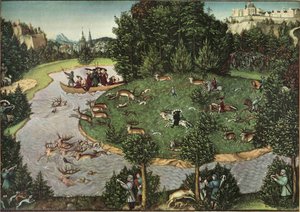
- الصيد الملكي لـ فريدريك الثالث الحكيم
- البطل ذاتي الإشارة
- الإعلان إلى يوهان كاسبيان
- Place Of Birth: كروناخ، ألمانيا
مقالات ذات صلة
The Northern Awakening: Artistic Innovation & Cultural Transformation in the German Renaissance
Explore the artistic innovation of the German Renaissance! Discover Dürer, the Danube School & Reformation art. Learn about techniques, materials & lasting influence. Find museum-quality reproductions at OriginalUniqueArt.
أفضل 10 روائع تحدد عصر النهضة الشمالية: فنانون وقصص وجماليات راقية
اكتشف روائع عصر النهضة الشمالية! استكشف 10 لوحات أيقونية لفنانين كبار مثل فان إيك ودورر. قصص فنية آسرة، أساليب مبتكرة وألوان خالدة. احصل على تحف فنية عالية الجودة من OriginalUniqueArt.com واستلهم ديكورك!
أفضل 10 روائع رسمت عصر النهضة المبكرة: تحف فنية لتزيين منزلك
اكتشف روائع عصر النهضة المبكرة! استكشف 10 تحف فنية خالدة مع ليوناردو و مايكل أنجلو. قصص الفنانين، تقنيات الرسم، وأكثر. احصل على لوحات زيتية عالية الجودة من OriginalUniqueArt.com وابدأ رحلتك الفنية الآن!
أعلى 10 روائع رسمت عصر النهضة: رحلة في الفن الراقي وجماليات الديكور
اكتشف روائع عصر النهضة! استكشف 10 لوحات خالدة مع ليوناردو و مايكل أنجلو. تعرف على تاريخ الفن، أساليبه و جمالياته. احصل على إعادة إنتاج فنيّة عالية الجودة من OriginalUniqueArt.com و جدد ديكور منزلك.
Renaissance Masters: 10 Artworks That Defined a Golden Age | OriginalUniqueArt
Journey through the High Renaissance with 10 iconic masterpieces by Leonardo da Vinci, Michelangelo & Raphael. Explore art history, techniques & timeless beauty. Find museum-quality reproductions for your home at OriginalUniqueArt.com.