Berlin Secession · 1900
Salome, Second Version (لوئيس كورينت, 1900)
أبدع لوئيس كورينت (1858–1925) في Salome, Second Version. يعود تاريخها إلى 1900. تنتمي إلى حركة Berlin Secession. صُنعت من Acrylic On Canvas. تُحفظ في Museum der bildenden Künste في لايبزيغ, ألمانيا. أبعادها 127 × 148 cm
- 1900
- Acrylic On Canvas
- 127 × 148 cm
- Museum der bildenden Künste, لايبزيغ

 معاينة الحجم الواقعي

 لوحة زيتية مرسومة يدوياً
 مشاركة
 مشاركة
 بطاقة المعلومات


 تحميل الملف
 قطع مشابهة
 الأشعة السينية
 عرض شرائح
 الأسئلة والأجوبة

 الإحصائيات
Salome, Second Version باختصار
- العنوان
- Salome, Second Version
- الفنان
- لوئيس كورينت (1858–1925)
- تاريخ ميلاد الفنان
- غفارديسك, روسيا
- التاريخ
- 1900
- الوسيط الفني
- Acrylic On Canvas
- الأبعاد
- 127 × 148 cm
- أماكن العرض
- Museum der bildenden Künste, لايبزيغ, ألمانيا
- الحركة
- Berlin Secession
- الحقبة الزمنية
- 19th Century
- الموضوع
- salome, herodias, dance, tragedy, execution, biblical
ماذا يصور Salome, Second Version؟
A Descent into Shadow and Desire: Lovis Corinth’s ‘Salome, Second Version’
Lovis Corinth's “Salome, Second Version,” painted in 1900, isn’t merely a depiction of the biblical tale; it’s a visceral exploration of power, betrayal, and the unsettling allure of darkness. This arresting canvas, currently residing within the Museum der Bildenden Künste in Leipzig, immediately commands attention with its dramatic composition and intensely expressive palette. Corinth, a pivotal figure bridging Impressionism and Expressionism, masterfully eschews traditional romanticism, instead presenting a Salome far removed from the idealized figures of earlier portrayals. Instead of a passive object of desire, she emerges as a complex, almost defiant presence – a woman caught in the throes of her own ambition and haunted by the consequences of her actions.
The painting’s genesis lies within the turbulent artistic landscape of early 20th-century Berlin. Corinth, having moved there from Munich, found himself at the heart of a vibrant, often contentious, art scene. The Secession group, with its emphasis on freedom and innovation, provided a fertile ground for his evolving style. “Salome” reflects this period’s fascination with psychological depth and emotional intensity – a departure from the polished surfaces of academic painting. Corinth deliberately chose to revisit the legend, not as a straightforward narrative illustration, but as an opportunity to delve into the character's inner turmoil and the moral ambiguity at the heart of the story.
The Dance and its Discontents: Technique and Composition
Corinth’s technique is immediately striking. He employs a bold, almost frenetic brushstroke – thick impasto applied with visible energy – that imbues the canvas with a sense of movement and urgency. The colors are rich and saturated, dominated by deep reds, purples, and blacks, creating an atmosphere of dramatic intensity. The composition itself is carefully constructed to draw the viewer into the scene. Salome, positioned centrally, dominates the foreground, her body tilted forward in a pose that suggests both vulnerability and calculated seduction. The figures surrounding her – the servant bearing the head, the watchful woman with the fan, and the shadowy men – are rendered with varying degrees of detail, contributing to the painting’s overall sense of unease and disorientation.
- Brushwork: Thick, expressive strokes create a dynamic and unsettling effect.
- Color Palette: Dominated by deep reds, purples, and blacks, evoking drama and shadow.
- Composition: Salome is centrally positioned, drawing the viewer's eye and emphasizing her role as the focal point of the scene.
Symbolism and Interpretation: A Portrait of Moral Ambiguity
Beyond the literal depiction of the biblical story, “Salome” is laden with symbolic meaning. The dance itself represents a dangerous allure – a seductive invitation to transgression. The severed head on the platter isn’t simply a gruesome trophy; it's a potent symbol of ambition and the destructive consequences of unchecked desire. Corinth deliberately avoids offering a clear moral judgment, instead presenting a complex portrait of a woman driven by both her own desires and the manipulative influence of her mother. The inclusion of the fan-bearing woman, often interpreted as Herodias, adds another layer of intrigue, suggesting a conspiracy at play – a deliberate orchestration of events that leads to John the Baptist’s demise.
Furthermore, the painting can be viewed through the lens of the burgeoning feminist movement of the time. Salome's defiant gaze and her unapologetic embrace of her sexuality challenged traditional notions of female virtue and presented a powerful image of female agency – albeit one ultimately consumed by tragedy. Corinth’s decision to portray her as a figure of both beauty and menace reflects the complex and often contradictory attitudes towards women in early 20th-century society.
Emotional Resonance: A Timeless Exploration of Human Darkness
“Salome, Second Version” continues to resonate with viewers today because it taps into fundamental human emotions – desire, betrayal, guilt, and the haunting awareness of our own mortality. Corinth’s masterful use of color, composition, and symbolism creates a painting that is both visually arresting and psychologically profound. It's not a comfortable image; it confronts us with the darker aspects of human nature and reminds us that even in moments of apparent beauty and pleasure, there can be a lurking sense of unease and impending doom. Reproductions of this powerful work offer a glimpse into Corinth’s artistic genius and provide an opportunity to contemplate the timeless themes explored within its shadowed depths.
أي متحف يضم Salome, Second Version؟
Museum der bildenden Künste
لايبزيغ, ألمانيا
إرث صيغ عبر الزمن: روح القلب الفني لمدينة لايبزيغ في المشهد الثقافي النابض بالحياة في ولاية ساكسونيا بألمانيا، تبرز مؤسسة تتجاوز كونها مجرد مستودع للروائع الفنية؛ فهي شهادة حية على الصمود البشري وقوة الإبداع الخالدة. يختزل متحف الفنون الجميلة (MdbK) في لايبزيغ سبعة قرون من المساعي الفنية، ناسجاً رواية تمتد من أواخر العصور الوسطى إلى أحدث ممارسات الفن المعاصر. ومنذ تأسيسه عام 1837 تحت اسم "جمعية لايبдок للفنون"، كانت رحلة المتحف مليئة بالتحولات العميقة، التي طبعتها ظلال الدمار وبريق الانبعاث من جديد.


صور عالية الدقة لـ Salome, Second Version
لوئيس كورينت, Salome, Second Version (1900), Museum der bildenden Künste. ملك عام
أسئلة وإجابات حول Salome, Second Version
أين تُعرض "Salome, Second Version" للفنان لوئيس كورينت اليوم؟
يمكنكم مشاهدة العمل الأصلي "Salome, Second Version" في Museum der bildenden Künste, لايبزيغ, ألمانيا.
في أي عام أُبدعت "Salome, Second Version" للفنان لوئيس كورينت؟
أُبدع العمل الفني "Salome, Second Version" للفنان لوئيس كورينت في عام 1900.
ما هي التقنية المستخدمة في صنع "Salome, Second Version"؟
استخدم لوئيس كورينت تقنية Acrylic On Canvas في عمل "Salome, Second Version"، وهي التقنية التي تحدد الطبيعة المادية للعمل الأصلي.
ما هي أبعاد العمل الأصلي "Salome, Second Version"؟
تبلغ أبعاد العمل الأصلي "Salome, Second Version" للفنان لوئيس كورينت 127 x 148 cm.
ما هي الموضوعات التي يتناولها "Salome, Second Version" للفنان لوئيس كورينت؟
تتضمن الموضوعات المتضمنة في "Salome, Second Version" للفنان لوئيس كورينت كلاً من salome, herodias, dance, tragedy, execution, biblical, figures، والتي تلخص مجتمعةً فحوى العمل الفني.
هل العمل "Salome, Second Version" ضمن الملكية العامة؟
تندرج لوحة "Salome, Second Version" للفنان لوئيس كورينت ضمن نطاق ملك عام - انتهت مدة حماية حقوق الطبع والنشر الخاصة به، وتحدد هذه الحالة الشروط التي يمكن بموجبها إعادة إنتاج صورة العمل الفني.
من هو الفنان الذي أبدع "Salome, Second Version"؟
يُنسب العمل "Salome, Second Version" إلى لوئيس كورينت.
إلى أي حركة فنية ينتمي العمل "Salome, Second Version" للفنان لوئيس كورينت؟
تنتمي لوحة "Salome, Second Version" للفنان لوئيس كورينت إلى حركة Berlin Secession الفنية، ويضع هذا التصنيف العمل ضمن سياق مجموعة من الفنانين والأعمال الفنية ذات الصلة.
إلى أي مرحلة من مسيرة لوئيس كورينت الفنية ينتمي العمل "Salome, Second Version"؟
تندرج لوحة "Salome, Second Version" ضمن مرحلة Berlin Secession Era من مسيرة لوئيس كورينت المهنية، وهي مرحلة تتيح مقارنة هذا العمل بأعمال الفنان الأخرى.
عن الفنان، لوئيس كورينت

1858–1925, روسيا
لوئيس كورينت
حياة صيغت بالألوان: عالم لوفيس كورينث كان لوفيس كورينث، الذي ولد باسم فرانس هاينريش لويس في 21 يوليو 1858 في مقاطعة بروسيا الشرقية، شخصية جسدت التحول العاصف في عالم الفن من القرن التاسع عشر إلى أوائل القرن العشرين. لم تكن رحلته طريقاً مفروشاً بالنجاح الفوري، بل كانت تطوراً تدريجياً غذّاه البحث الدؤوب، والتأثيرات المتنوعة، وفي نهاية المطاف، المأساة الشخصية. تعود جذور بدايات كورينث إلى المناظر الطبيعية الريفية في مسقط رأسه، تابيوا، حيث كان والده يعمل دباغاً؛ وهذا الاحتكاك المبكر بفيزيائية العمل وجمال الطبيعة الخام تسلل ببراعة إلى أعماله اللاحقة، حتى في خضم استكشافاته الأسلوبية الأكثر تعقيداً. بدأ دراسته في أكاديمية كونيغسبرغ عام 1876، لكنه سرعان ما أدرك أن التقاليد الأكاديمية وحدها لن تشبع طموحاته الفنية، فبدأت رحلة ترحال قادته إلى ميونيخ، ثم أنتويرب، وأخيراً باريس، حيث كانت كل مدينة بمثابة حجر زاوية في تطوره.
أعمال أخرى لـ لوئيس كورينت
 في مذبحة اللحوم1893
 Wilhelmine with a Ball1915
 Portrait of the Painter Paul Eugène Gorge1908
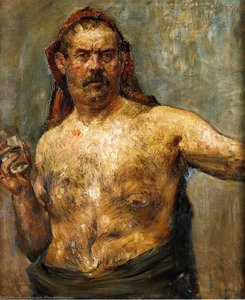 Self Portrait with a Glass1907
مقالات حول Salome, Second Version
 Lovis Corinth: Bridging Impressionism & Expressionism – A Study of Artistic EvolutionExplore the fascinating artistic journey of Lovis Corinth, a pivotal figure bridging Impressionism & Expressionism. Discover his evolution,…
 The Soul of the Brushstroke: Why Textured Impasto Defines the Magic of Impressionist MasterpiecesDiscover the tactile magic of Impressionism. Explore how the impasto technique breathes life into masterpieces through texture and light. E…
 Unveiling the Dreamer: The 25 Most Iconic Masterpieces by Gustave MoreauStep into the dreamlike world of Gustave Moreau. Explore 25 iconic Symbolist masterpieces, from mythic legends to opulent textures. Find in…