معاينة الحجم الواقعي
 إرسال
إرسال مشاركة
 عرض التفاصيل
 دليل الأعمال الفنية للطلاب

 تحميل
تحميل
 قطع مشابهة
 الأشعة السينية
 عرض شرائح متتابع
 Q&A
Q&A الإحصائيات
Double manuscript page on the Sforza monument

- 21.0 x 30.0 cm


 اقرأ المزيد
طباعة جيلي / مطبوعات فنية
طباعة جيكلي أو كانفاس بجودة المتاحف، مع سرعة في التنفيذ وخيارات متنوعة للتشطيب. ( اطلب نسخة مرسومة يدويًا التحويل إلى الصورة الرقمية)




P118B E£10

P118H E£10

P118W E£10

P438Z E£10

P508JH E£12

P508YH E£12

P805H E£10

P805Z E£10

P919BZ E£10

P919G E£10

P919XJ E£10

P959ZH E£10

P968JZ E£12

W106C E£8

W218G E£10

W218JH E£8

W218Y E£10

W307PJ E£10

W316G E£10

W316PJ E£8

W316Y E£10

W398PJ E£8

W4111J E£10

W500HY E£15

W500JH E£15

W692G E£12

W849H E£8

W940BG E£15

W953PJ E£8




اختر من بين أحجامنا المُعدّة مسبقاً والتي تتوافق مع النسب الأصلية للعمل الفني.

أدخل العرض والارتفاع اللذين تحتاجهما، ليتناسب مع إطارك أو جدارك. يمكن قص المطبوعة فقط، ولا يمكن أبداً جعلها أكبر من الصورة الأصلية، لذا فإن أي مقاس بشكل مختلف سيؤدي إلى فقدان جزء من الصورة. سنرسل لك نموذجاً رقمياً تجريبياً لاعتماده قبل البدء في عملية الطباعة. الصورة المعروضة في هذه الصفحة لا توضح القص الفعلي — النموذج التجريبي فقط هو ما يظهر ذلك.
توصيل عالمي إلى خلال أسبوعين بدلاً من المدة القياسية البالغة 4/5 أسابيع. (1 نوفمبر)

شحن سريع ومجاني لجميع أنحاء العالم

قماش كتان فاخر

تأمين شامل على الشحن

ضمان استرداد الرسوم الجمركية

ضمان دقة مطابقة الألوان

سياسة الإرجاع خلال 100 يوم (في حالات العيوب فقط)

ضمان استرداد نقدي بنسبة 100%

عرض خصم الكميات
 خيار الزجاج متاح فقط للمقاسات التي تقل عن 110 سم

Double manuscript page on the Sforza monument
طباعة جيلي / مطبوعات فنية
مقاس النسخة المطبوعة
-


إجمالي السعر
E£ 4186
A Window into Sforza Ambition: Leonardo’s Double Manuscript Page
Leonardo da Vinci's "Double Manuscript Page on the Sforza Monument," a deceptively modest chalk drawing measuring just 21 x 30 centimeters, offers an extraordinary glimpse into the mind of one of history’s most versatile geniuses. Created in 1493 during his time as court engineer and artist for Ludovico Sforza, Duke of Milan, this seemingly simple sketch is far more than a preparatory study; it's a vibrant testament to Leonardo’s relentless pursuit of knowledge across art, science, and engineering. Housed within the Biblioteca Nacional in Madrid, Spain, this piece isn’t merely documentation of a monument—it’s a profound exploration of design, proportion, and the very nature of representation.
The drawing itself is characterized by an astonishing level of detail, achieved through Leonardo's masterful use of chalk. The tonal range he achieves – from the subtle gradations of shadow to the crisp highlights – speaks volumes about his understanding of light and form. Notice how the brown hues, aged with time, imbue the image with a sense of history and solidity, grounding the fantastical elements within a tangible reality. The deliberate roughness of the chalk lends an intimacy to the work, as if Leonardo were directly addressing the viewer, inviting us into his creative process.
- A Vase of Perfect Proportions: The meticulously rendered vase is not simply a decorative element; it’s a study in geometry and balance. Leonardo's attention to detail reveals an understanding of classical principles of design, suggesting a deep appreciation for the beauty of harmonious forms.
- The Ergonomic Chair: Alongside the vase, we find a chair design—a surprisingly practical consideration for a man often associated solely with grand artistic visions. This sketch demonstrates Leonardo’s interest in functionality and human comfort, reflecting his holistic approach to invention.
- A Maritime Dream: The inclusion of a boat sketch is particularly intriguing. It hints at Leonardo's fascination with engineering and maritime studies – fields that would later contribute significantly to his innovations. It showcases the breadth of his intellectual curiosity, moving seamlessly between artistic expression and practical application.
The Sforza Monument: A Patron’s Vision
This manuscript page isn't just a random collection of sketches; it represents Leonardo’s design for a monumental tribute to Francesco Sforza. The Duke envisioned a grand monument intended to project his power and prestige, and Leonardo was tasked with bringing this vision to life. The drawings reveal not only the architectural plans but also detailed studies of individual elements – the vase, the chair, and the boat—each meticulously analyzed and rendered. This project highlights the crucial role Leonardo played as a courtier and engineer, demonstrating his ability to translate political ambition into tangible artistic expression.
The context of this commission is vital. Leonardo was operating within the vibrant cultural landscape of Milan during the High Renaissance, a period marked by patronage from powerful figures like Ludovico Sforza. This project exemplifies the complex interplay between art and politics – where artistic brilliance served as a tool for asserting power and shaping public image. The Duke’s ambition to establish himself as a prominent figure in Italy is clearly reflected in this ambitious monument.
Leonardo's Synthesis of Art and Science
What truly distinguishes "Double Manuscript Page on the Sforza Monument" is its embodiment of Leonardo’s core philosophy: the seamless integration of art and science. He didn’t view these disciplines as separate entities but rather as interconnected pathways to understanding the world. The meticulous observation, geometric analysis, and engineering considerations evident in this drawing are all hallmarks of his scientific approach to art. It's a powerful demonstration of his belief that true creativity arises from a deep engagement with both the aesthetic and the rational.
This piece is not simply a record of a design; it’s a visual representation of Leonardo’s intellectual process – a testament to his relentless curiosity, his dedication to observation, and his unwavering commitment to bridging the gap between art and science. It invites us to consider how these seemingly disparate fields can inform and enrich one another.
Bringing Da Vinci's Genius Home
For those seeking to connect with the enduring legacy of Leonardo da Vinci, a high-quality reproduction of “Double Manuscript Page on the Sforza Monument” offers an exceptional opportunity. OriginalUniqueArt’s hand-painted reproductions capture the essence of this remarkable drawing – its intricate detail, subtle tonal variations, and profound historical significance. Beyond simply adorning your walls, it becomes a tangible link to one of history's greatest minds.
- Authentic Detail: Our hand-painted reproductions faithfully recreate Leonardo’s meticulous chalk strokes, preserving the drawing’s unique texture and character.
- Premium Quality: Crafted with archival materials and expert techniques, our reproductions ensure lasting beauty and value for generations to come.
- A Window into History: Own a piece of art history – a tangible reminder of Leonardo da Vinci's genius and his profound impact on the world.
Explore more of Da Vinci’s masterpieces at "Storm over a landscape" and Leonardo Da Vinci’s "Self-Portrait" on OriginalUniqueArt.com – and delve deeper into the world of Renaissance art.
الأسئلة والأجوبة
هل ألوان "Double manuscript page on the Sforza monument" للفنان ليوناردو دا فينشي مشبعة أم خافتة؟
تتميز ألوان "Double manuscript page on the Sforza monument" للفنان ليوناردو دا فينشي بدرجة تشبع Subtle Color. ويصف التشبع مدى حيوية الألوان أو خفوتها.
كيف ترتبط ألوان "Double manuscript page on the Sforza monument" للفنان ليوناردو دا فينشي بالعاطفة التي تعبر عنها؟
في "Double manuscript page on the Sforza monument"، ترافق ألوان Neutrals شعوراً بـ Reflective.
ما هو الأصل الوطني الذي يقف وراء High Renaissance عمل "Double manuscript page on the Sforza monument"؟
أبدع ليوناردو دا فينشي لوحة "Double manuscript page on the Sforza monument"، وهو من مواليد إيطاليا، وذلك ضمن حركة High Renaissance. وتربط أصول الفنان هذا العمل بحركة High Renaissance كما يمارسها فنانون من إيطاليا.
نبذة عن الفنان
ليوناردو دا فينشي: عبقري عصر النهضة ورمز الإبداع اللامحدود
في قلب عصر النهضة، بزغ نجم ليوناردو دي سير بييرو دا فينشي، المولود عام 1452 بالقرب من بلدة فينتشي التوسكانية. لم يكن مجرد فنان، بل كان تجسيدًا للعبقرية الشاملة – عالمٌ، ومهندسٌ، ومخترعٌ، ورائدُ علم التشريح، وفيلسوفٌ، ترك بصمةً لا تمحى على الفن والعلوم والهندسة. اسمُه نفسه أصبح مرادفًا للذكاء الخارق، دليلًا على اتساع مواهبه وتوقعاته الرؤيوية التي سبقت عصره بقرون. نشأته غير التقليدية، كونه ابنًا غير شرعي لموظف رسمي ومزارعة، لم تمنعه من الوصول إلى العالم العملي وتقدير الطبيعة، وهما عنصران شكلا رؤيته الفنية بعمق. تلقى تعليمًا أساسيًا في القراءة والكتابة والحساب، لكن فترة تدريبه تحت إشراف أندريا ديل فيروكيو في فلورنسا أشعلت شرارة الإبداع بداخله. لم يكن يتعلم الرسم أو النحت فحسب، بل كان ينغمس في عالم من المهارات التقنية، حيث أتقن المعادن والنجارة والرسم وتعقيدات الخلق الفني – وهو أساس بنى عليه عبقرية متعددة الأوجه.
من فلورنسا إلى ميلانو: الإبداع والتجارب الهندسية
في عام 1482، انطلق ليوناردو في فصل جديد من حياته، حيث دخل خدمة لودوفيكو سفورزا، دوق ميلانو. لم يكن هذا مجرد تعيين فني؛ بل عمل كمهندس عسكري ومعماري ونحات ومصمم للمحكمة – دليل على مهاراته المتنوعة. صاغ تحصينات مبتكرة، وصمم مسارحًا متقنة، وحتى رسم خططًا لآلات خيالية. خلال هذه الفترة بالذات، بدأ العمل على إحدى روائع أعماله الخالدة: العشاء الأخير. تم تصوير اللوحة على شكل فسيفساء في قاعة الطعام التابعة لدير سانتا ماريا ديلي غراتسي، وهي تتجاوز مجرد التمثيل؛ إنها استكشاف عميق للعواطف الإنسانية والدراما النفسية، حيث تلتقط لحظة الإعلان عن الخيانة. كان التركيب المبتكر في عصره، والاستخدام البارع للمنظور، له تأثير عميق على الفن الغربي لقرون قادمة. وعلى الرغم من أن العديد من المشاريع النحتية ظلت غير مكتملة خلال فترة ميلانو، إلا أن الروح الاختراعية ليوناردو استمرت في الازدهار، مما وضع الأساس للاستكشافات العلمية المستقبلية.
العودة إلى فلورنسا: البحث عن الكمال وابتكار "الموناليزا"
بعد الغزو الفرنسي لميلانو عام 1499، عاد ليوناردو إلى فلورنسا، وهي مدينة تشهد ذروة التطور الفني. على الرغم من أن عدد الأعمال المكتملة التي أنتجها خلال هذه الفترة كان أقل نسبيًا، إلا أن تأثيرها كان هائلاً. هنا بدأ العمل على ما أصبح يُعتبر على نطاق واسع أشهر لوحة في العالم: الموناليزا (جيوكندا). السحر الغامض للابتسامة والنظرة الآسرة للموضوع قد أسرت انتباه المشاهدين لعدة أجيال، بينما ساهم تقنية *السفوماتو* الثورية – وهو المزج الدقيق بين الضوء والظل لخلق خطوط ضبابية ومنظور جوي – بشكل كبير في الجودة الأثيرية للوحة. شهدت هذه الفترة أيضًا استمرارًا لتحسين دراساته التشريحية، مدفوعًا برغبة لا هوادة فيها في فهم الشكل البشري بدقة علمية. قام بتشريح جثث، ووثق بدقة العضلات والعظام والأعضاء في سلسلة من الرسومات التفصيلية بشكل لا يصدق والتي سبقت عصرها بقرون.
إرث يتجاوز الفن: العلم والاختراع والتأثير الدائم
تميزت سنوات ليوناردو اللاحقة بالسفر بين فلورنسا وميلانو وروما، حيث كان مطلوبًا دائمًا لخبرته ولكنه غالبًا ما ترك المشاريع غير مكتملة – وهو انعكاس ربما لعقله المتعب ومدى اهتماماته الواسعة. في عام 1516، قبل دعوة من الملك فرانسيس الأول للعيش والعمل في قلعة دو كلوز لوكي بالقرب من أمبوايس في فرنسا، حيث قضى سنواته الأخيرة. توفي هناك عام 1519، تاركًا وراءه إرثًا واسعًا يتجاوز بكثير عالم الفن. تكشف مفكراته عن عمل رائد في علم التشريح والبصريات والهيدروليكا والجيولوجيا ورسم الخرائط – وصمم اختراعات سبقت عصرها بقرون، بما في ذلك الآلات الطائرة والخزانات وأسلحة متطورة. لا يمكن إنكار تأثير ليوناردو دا فينشي على تاريخ الفن. لقد رفع مكانة الفنانين من حرفيين ماهرين إلى شخصيات فكرية، مما أظهر أن الخلق الفني يمكن أن يتأثر بالتحقيق العلمي وفهم عميق للعالم الطبيعي. تُحتفى بلوحاته بواقعيتها وعمقها النفسي وتقنياتها المبتكرة. يظل رمزًا لفضول الإنسان وإبداعه والسعي الدؤوب للمعرفة – تجسيد حقيقي لروح عصر النهضة التي لا تزال تلهم الرهبة والإعجاب قرونًا بعد وفاته.
أبرز الإنجازات والتأثير الدائم
- الرسم: العشاء الأخير، الموناليزا، عذراء الصخور، إعلان
- الرسم والتدوين: دراسات تشريحية واسعة النطاق، تصميمات هندسية (آلات طيران، أسلحة)، رسومات نباتية
- العلم والهندسة: عمل رائد في علم التشريح والبصريات والهيدروليكا والجيولوجيا ورسم الخرائط. صمم اختراعات سبقت عصرها بقرون.
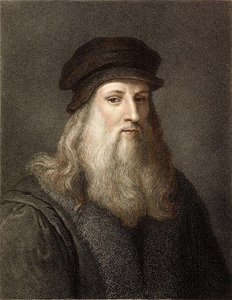
ليوناردو دا فينشي
1452 - 1519 , إيطاليا
لمحة سريعة
- أعمال فنية بارزة:
- الموناليزا
- العشاء الأخير
- آدم والرب
- صخور العذراء
- الاسم الكامل: ليوناردو دا فينشي
- الجنسية: إيطالي
- الحركة الفنية: عصر النهضة العليا
- تاريخ الميلاد: 15 أبريل 1452
- حركات فنية تأثر بها: ['عصر النهضة']
- فنانون أثروا فيه: ['أندريا ديل فيروكيو']
- مكان الميلاد: فينشي، إيطاليا
مقالات ذات صلة

أروع 25 تحفة فنية في متحف اللوفر: رحلة عبر تاريخ الفن والجمال
اكتشف أروع 25 لوحة فنية في متحف اللوفر بباريس! رحلة آسرة عبر تاريخ الفن مع روائع ليوناردو دا فينشي وكارياتيد. احصل على نسخ عالية الجودة لتزيين منزلك. استكشف المجموعة الكاملة الآن على OriginalUniqueArt.com
Renaissance Humanism's Greatest Art: 10 Masterpieces for Your Home
Explore 10 Renaissance Humanism masterpieces by Leonardo da Vinci, Michelangelo & Raphael. Discover the stories behind these iconic paintings & sculptures and bring timeless art into your home with museum-quality reproductions from OriginalUniqueArt.com. Explore the full collection online!

أروع 25 تحفة فنية في معرض أوفيزي: رحلة عبر عصر النهضة الإيطالي | OriginalUniqueArt
اكتشف أروع 25 لوحة فنية في معرض أوفيزي بفلورنسا! رحلة آسرة عبر عصر النهضة مع أعمال ليوناردو دا فينشي، بوتيتشيلي، ورفائيل. احصل على نسخ فاخرة من هذه التحف الفنية لتزيين منزلك. اكتشف المجموعة الكاملة على OriginalUniqueArt.
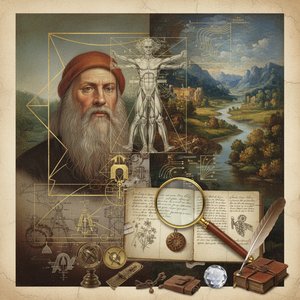
Leonardo da Vinci: A Renaissance Master’s Synthesis of Art, Science & Human Observation – Reinterpreted for the Collector
Explore Leonardo da Vinci’s timeless masterpieces with OriginalUniqueArt. Discover insights into his art, science, and legacy – trusted expertise for discerning collectors seeking authentic reproductions & investment opportunities.

أروع 25 لوحة لليوناردو دافنشي: تحف فنية لتزيين منزلك بجمال الخلود
اكتشف أروع 25 لوحة لليوناردو دافنشي، رائد فن عصر النهضة. قصص فنية آسرة وتقنيات فريدة في أعماله الخالدة مثل الموناليزا والعشاء الأخير. زيّن منزلك بتحف فنية فاخرة على OriginalUniqueArt.com