معاينة الحجم الواقعي
 مشاركة
 مشاركة
 التفاصيل
 دليل
دليل

 تحميل الملف
 قطع مشابهة
 الأشعة السينية
 عرض شرائح
 الأسئلة والأجوبة
 الإحصائيات
Codex Madrid I, f.9r

- 22.0 x 15.0 cm


 عرض المزيد
طباعة جيلي / مطبوعات فنية
طباعة جيكلي أو كانفاس بجودة المتاحف، مع سرعة في التنفيذ وخيارات متنوعة للتشطيب. ( شراء لوحة مرسومة يدويًا الانتقال إلى الصورة الرقمية)




P118B E£10

P118H E£10

P118W E£10

P438Z E£10

P508JH E£12

P508YH E£12

P805H E£10

P805Z E£10

P919BZ E£10

P919G E£10

P919XJ E£10

P959ZH E£10

P968JZ E£12

W106C E£8

W218G E£10

W218JH E£8

W218Y E£10

W307PJ E£10

W316G E£10

W316PJ E£8

W316Y E£10

W398PJ E£8

W4111J E£10

W500HY E£15

W500JH E£15

W692G E£12

W849H E£8

W940BG E£15

W953PJ E£8




اختر من بين أحجامنا المُعدّة مسبقاً والتي تتوافق مع النسب الأصلية للعمل الفني.

أدخل العرض والارتفاع المطلوبين ليتناسب المقاس مع إطارك أو جدارك. يرجى الملاحظة أن المطبوعة يمكن قصها فقط ولا يمكن تكبيرها لتتجاوز أبعاد الصورة الأصلية، لذا فإن اختيار مقاس بأبعاد مختلفة سيؤدي إلى فقدان جزء من الصورة. سنرسل لك نموذجاً رقمياً تجريبياً لاعتماده قبل البدء في عملية الطباعة. الصورة المعروضة في هذه الصفحة لا توضح شكل القص الفعلي — النموذج التجريبي فقط هو ما يظهر ذلك بدقة.
توصيل عالمي إلى خلال أسبوعين بدلاً من المدة القياسية البالغة 4/5 أسابيع. (8 نوفمبر)

شحن سريع ومجاني لجميع أنحاء العالم

قماش كتان عالي الجودة

تأمين شامل على الشحن

ضمان استرداد الرسوم الجمركية

ضمان مطابقة الألوان الحقيقية

سياسة الإرجاع خلال 100 يوم (في حالات العيوب فقط)

ضمان استرداد نقدي بنسبة 100%

خصم عند طلب كميات
 خيار الزجاج متاح فقط للمقاسات التي تقل عن 110 سم

Codex Madrid I, f.9r
طباعة جيلي / مطبوعات فنية
مقاس النسخة المطبوعة
-


إجمالي السعر النهائي
E£ 4243
A Mechanical Revelation: Decoding Leonardo’s Vision
To gaze upon the Codex Madrid I, folio 9r is to witness a profound moment of intellectual transcendence, where the boundaries between scientific inquiry and artistic mastery dissolve into a single, breathtaking vision. This singular drawing by Leonardo da Vinci serves as much more than a mere technical schematic; it is a window into the very soul of the Renaissance mind. Within these delicate graphite lines, we find the restless spirit of a polymath who refused to accept the limits of the known world. The folio presents an intricate, detailed illustration of an experimental hydraulic device, a complex machine that whispers of Da Vinci’s relentless pursuit of understanding the natural world through the lens of practical engineering and geometric precision.
The subject matter itself is a testament to Leonardo's fascination with the mechanics of life and motion. The drawing portrays a detailed schematic of what appears to be an experimental hydraulic device, perhaps conceived as a method for lifting heavy objects or channeling the raw power of water. Each component is rendered with such meticulous care that one can almost sense the movement of fluid through its channels. There is a quiet, rhythmic beauty in the way the machine's parts are laid out, suggesting a harmony between human ingenuity and the elemental forces of nature. For the collector or the admirer of fine art, this piece offers a rare glimpse into the "pre-industrial" imagination—a blueprint for a future that Leonardo was already dreaming of centuries before its time.
The Mastery of Line and Light
Technically, the folio is a masterclass in observational drawing. Executed with graphite on paper, the work demonstrates Da Vinci's unparalleled ability to use simple tools to convey profound structural integrity. The lines are not merely marks on a page; they are carefully calculated strokes designed to communicate accurate proportions and weight. Through subtle yet effective shading, Leonardo creates a sense of three-dimensional depth, allowing the various mechanical components to emerge from the paper with a palpable presence. This interplay of light and shadow does more than define shape—it breathes life into the inanimate, transforming a technical diagram into a work of evocative fine art.
The aesthetic appeal of this piece lies in its deceptive simplicity. While the content is scientific, the execution is deeply artistic. The way the text—labels written in Latin—intertwines with the mechanical drawings creates a beautiful, organic texture across the parchment. This integration of language and image reflects the Renaissance ideal that art and science are not separate disciplines, but rather two sides of the same coin. For an interior designer, such a piece provides a sophisticated focal point, offering a sense of intellectual depth and historical gravity to any curated space.
A Legacy of Infinite Curiosity
The historical context of the Codex Madrid I places it within the heart of Leonardo’s most prolific era. During this period, Da Vinci was actively engaged in developing technologies that would bridge the gap between medieval tradition and modern innovation. This drawing is a tangible manifestation of his belief that by documenting our observations, we can unlock the secrets of the universe for future generations. It represents a period of significant advancement in engineering and mechanics, where the artist’s eye was just as vital to discovery as the scientist's logic.
Beyond its mechanical utility, the folio carries a profound emotional impact. There is an inherent sense of wonder embedded in every stroke—a feeling of standing on the precipice of discovery. It evokes a sense of nostalgia for the era of the "universal man," reminding us of a time when human potential seemed limitless. Owning or displaying a high-quality reproduction of this work is not merely about decorating a wall; it is about inviting the spirit of innovation, curiosity, and timeless genius into one's personal environment. It serves as a constant reminder that through observation and imagination, we can decode the very mechanics of our existence.
الأسئلة والأجوبة
كيف تعكس ألوان "Codex Madrid I, f.9r" للفنان ليوناردو دا فينشي المشاعر التي يجسدها العمل؟
تجمع لوحة "Codex Madrid I, f.9r" للفنان ليوناردو دا فينشي بين مجموعة ألوان Monochrome ونبرة Mysterious.
هل "Codex Madrid I, f.9r" للفنان ليوناردو دا فينشي لوحة شخصية، أم طبيعية، أم ذات تكوين مربع؟
تأتي لوحة "Codex Madrid I, f.9r" بتنسيق Portrait، وهو أمر مفيد عند التخطيط لمكان وضع النسخة المطبعة.
ما هو الطابع العام لـ "Codex Madrid I, f.9r" للفنان ليوناردو دا فينشي؟
يُوصَف العمل الفني "Codex Madrid I, f.9r" للفنان ليوناردو دا فينشي بأنه Inspirational من حيث الحالة المزاجية، مما يساعد في اختيار المكان الأنسب لعرضه.
السيرة الذاتية للفنان
ليوناردو دا فينشي: عبقري عصر النهضة ورمز الإبداع اللامحدود
في قلب عصر النهضة، بزغ نجم ليوناردو دي سير بييرو دا فينشي، المولود عام 1452 بالقرب من بلدة فينتشي التوسكانية. لم يكن مجرد فنان، بل كان تجسيدًا للعبقرية الشاملة – عالمٌ، ومهندسٌ، ومخترعٌ، ورائدُ علم التشريح، وفيلسوفٌ، ترك بصمةً لا تمحى على الفن والعلوم والهندسة. اسمُه نفسه أصبح مرادفًا للذكاء الخارق، دليلًا على اتساع مواهبه وتوقعاته الرؤيوية التي سبقت عصره بقرون. نشأته غير التقليدية، كونه ابنًا غير شرعي لموظف رسمي ومزارعة، لم تمنعه من الوصول إلى العالم العملي وتقدير الطبيعة، وهما عنصران شكلا رؤيته الفنية بعمق. تلقى تعليمًا أساسيًا في القراءة والكتابة والحساب، لكن فترة تدريبه تحت إشراف أندريا ديل فيروكيو في فلورنسا أشعلت شرارة الإبداع بداخله. لم يكن يتعلم الرسم أو النحت فحسب، بل كان ينغمس في عالم من المهارات التقنية، حيث أتقن المعادن والنجارة والرسم وتعقيدات الخلق الفني – وهو أساس بنى عليه عبقرية متعددة الأوجه.
من فلورنسا إلى ميلانو: الإبداع والتجارب الهندسية
في عام 1482، انطلق ليوناردو في فصل جديد من حياته، حيث دخل خدمة لودوفيكو سفورزا، دوق ميلانو. لم يكن هذا مجرد تعيين فني؛ بل عمل كمهندس عسكري ومعماري ونحات ومصمم للمحكمة – دليل على مهاراته المتنوعة. صاغ تحصينات مبتكرة، وصمم مسارحًا متقنة، وحتى رسم خططًا لآلات خيالية. خلال هذه الفترة بالذات، بدأ العمل على إحدى روائع أعماله الخالدة: العشاء الأخير. تم تصوير اللوحة على شكل فسيفساء في قاعة الطعام التابعة لدير سانتا ماريا ديلي غراتسي، وهي تتجاوز مجرد التمثيل؛ إنها استكشاف عميق للعواطف الإنسانية والدراما النفسية، حيث تلتقط لحظة الإعلان عن الخيانة. كان التركيب المبتكر في عصره، والاستخدام البارع للمنظور، له تأثير عميق على الفن الغربي لقرون قادمة. وعلى الرغم من أن العديد من المشاريع النحتية ظلت غير مكتملة خلال فترة ميلانو، إلا أن الروح الاختراعية ليوناردو استمرت في الازدهار، مما وضع الأساس للاستكشافات العلمية المستقبلية.
العودة إلى فلورنسا: البحث عن الكمال وابتكار "الموناليزا"
بعد الغزو الفرنسي لميلانو عام 1499، عاد ليوناردو إلى فلورنسا، وهي مدينة تشهد ذروة التطور الفني. على الرغم من أن عدد الأعمال المكتملة التي أنتجها خلال هذه الفترة كان أقل نسبيًا، إلا أن تأثيرها كان هائلاً. هنا بدأ العمل على ما أصبح يُعتبر على نطاق واسع أشهر لوحة في العالم: الموناليزا (جيوكندا). السحر الغامض للابتسامة والنظرة الآسرة للموضوع قد أسرت انتباه المشاهدين لعدة أجيال، بينما ساهم تقنية *السفوماتو* الثورية – وهو المزج الدقيق بين الضوء والظل لخلق خطوط ضبابية ومنظور جوي – بشكل كبير في الجودة الأثيرية للوحة. شهدت هذه الفترة أيضًا استمرارًا لتحسين دراساته التشريحية، مدفوعًا برغبة لا هوادة فيها في فهم الشكل البشري بدقة علمية. قام بتشريح جثث، ووثق بدقة العضلات والعظام والأعضاء في سلسلة من الرسومات التفصيلية بشكل لا يصدق والتي سبقت عصرها بقرون.
إرث يتجاوز الفن: العلم والاختراع والتأثير الدائم
تميزت سنوات ليوناردو اللاحقة بالسفر بين فلورنسا وميلانو وروما، حيث كان مطلوبًا دائمًا لخبرته ولكنه غالبًا ما ترك المشاريع غير مكتملة – وهو انعكاس ربما لعقله المتعب ومدى اهتماماته الواسعة. في عام 1516، قبل دعوة من الملك فرانسيس الأول للعيش والعمل في قلعة دو كلوز لوكي بالقرب من أمبوايس في فرنسا، حيث قضى سنواته الأخيرة. توفي هناك عام 1519، تاركًا وراءه إرثًا واسعًا يتجاوز بكثير عالم الفن. تكشف مفكراته عن عمل رائد في علم التشريح والبصريات والهيدروليكا والجيولوجيا ورسم الخرائط – وصمم اختراعات سبقت عصرها بقرون، بما في ذلك الآلات الطائرة والخزانات وأسلحة متطورة. لا يمكن إنكار تأثير ليوناردو دا فينشي على تاريخ الفن. لقد رفع مكانة الفنانين من حرفيين ماهرين إلى شخصيات فكرية، مما أظهر أن الخلق الفني يمكن أن يتأثر بالتحقيق العلمي وفهم عميق للعالم الطبيعي. تُحتفى بلوحاته بواقعيتها وعمقها النفسي وتقنياتها المبتكرة. يظل رمزًا لفضول الإنسان وإبداعه والسعي الدؤوب للمعرفة – تجسيد حقيقي لروح عصر النهضة التي لا تزال تلهم الرهبة والإعجاب قرونًا بعد وفاته.
أبرز الإنجازات والتأثير الدائم
- الرسم: العشاء الأخير، الموناليزا، عذراء الصخور، إعلان
- الرسم والتدوين: دراسات تشريحية واسعة النطاق، تصميمات هندسية (آلات طيران، أسلحة)، رسومات نباتية
- العلم والهندسة: عمل رائد في علم التشريح والبصريات والهيدروليكا والجيولوجيا ورسم الخرائط. صمم اختراعات سبقت عصرها بقرون.
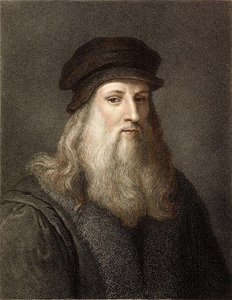
ليوناردو دا فينشي
1452 - 1519 , إيطاليا
حقائق سريعة
- أعمال فنية بارزة:
- الموناليزا
- العشاء الأخير
- آدم والرب
- صخور العذراء
- الاسم الكامل: ليوناردو دا فينشي
- الجنسية: إيطالي
- الحركة الفنية: عصر النهضة العليا
- تاريخ الميلاد: 15 أبريل 1452
- حركات فنية تأثر بها: ['عصر النهضة']
- فنانون أثروا فيه: ['أندريا ديل فيروكيو']
- مكان الميلاد: فينشي، إيطاليا
مقالات ذات صلة

أروع 25 تحفة فنية في معرض أوفيزي: رحلة عبر عصر النهضة الإيطالي | OriginalUniqueArt
اكتشف أروع 25 لوحة فنية في معرض أوفيزي بفلورنسا! رحلة آسرة عبر عصر النهضة مع أعمال ليوناردو دا فينشي، بوتيتشيلي، ورفائيل. احصل على نسخ فاخرة من هذه التحف الفنية لتزيين منزلك. اكتشف المجموعة الكاملة على OriginalUniqueArt.
Leonardo da Vinci: A Renaissance Master’s Synthesis of Art, Science & Human Observation – Reinterpreted for the Collector
Explore Leonardo da Vinci’s timeless masterpieces with OriginalUniqueArt. Discover insights into his art, science, and legacy – trusted expertise for discerning collectors seeking authentic reproductions & investment opportunities.

أروع 25 لوحة لليوناردو دافنشي: تحف فنية لتزيين منزلك بجمال الخلود
اكتشف أروع 25 لوحة لليوناردو دافنشي، رائد فن عصر النهضة. قصص فنية آسرة وتقنيات فريدة في أعماله الخالدة مثل الموناليزا والعشاء الأخير. زيّن منزلك بتحف فنية فاخرة على OriginalUniqueArt.com

أروع 25 تحفة فنية في متحف اللوفر: رحلة عبر تاريخ الفن والجمال
اكتشف أروع 25 لوحة فنية في متحف اللوفر بباريس! رحلة آسرة عبر تاريخ الفن مع روائع ليوناردو دا فينشي وكارياتيد. احصل على نسخ عالية الجودة لتزيين منزلك. استكشف المجموعة الكاملة الآن على OriginalUniqueArt.com
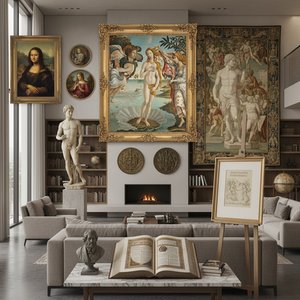
Renaissance Humanism's Greatest Art: 10 Masterpieces for Your Home
Explore 10 Renaissance Humanism masterpieces by Leonardo da Vinci, Michelangelo & Raphael. Discover the stories behind these iconic paintings & sculptures and bring timeless art into your home with museum-quality reproductions from OriginalUniqueArt.com. Explore the full collection online!