() ·

A painting made for you, by hand

Façade

نسخة زيتية مصنوعة يدوياً

لوحة زيتية مرسومة يدوياً على الكانفاس بالمقاس والإطار الذي تفضله، تُنفذ حسب الطلب على أيدي فنانينا. ( التبديل إلى المطبوعات التحويل إلى الصورة الرقمية)

وصف المقتنيات

Explore Leon Battista Alberti’s ‘Façade,’ a stunning example of Renaissance architecture. Discover the intricate details and symmetrical design of this Florentine masterpiece.

نبذة عن الفنان

ليون باتيستا ألبرتي (1404-1472): موسوعي عصر النهضة! مهندس، كاتب، عالم رياضيات وإنساني. استكشف تصاميمه الرائدة مثل Palazzo Rucellai وTempio Malatestiano ونظرياته حول المنظور.

from ·

Chapter 1

How large should it be?

Slide to change the size; the picture on the left shows the frame at its real width. The proportions of the original are kept.

مقاس قياسي
مخصص
CM
INCH

اختر من بين أحجامنا المُعدّة مسبقاً والتي تتوافق مع النسب الأصلية للعمل الفني.

العرض
الارتفاع

أدخل العرض والارتفاع اللذين تحتاجهما، ليتناسب العمل مع إطارك أو جدارك. وبما أن هذه اللوحة مرسومة يدوياً، ففي حال اختيار مقاس بشكل مختلف، يمكن للفنان رسم مساحة إضافية حول الصورة أو تقليصها قليلاً — الخيار لك. سنرسل لك نموذجاً رقمياً تجريبياً لاعتماده قبل البدء في الرسم. علماً بأن الصورة المعروضة في هذه الصفحة لا تعكس النتيجة النهائية الحقيقية — فالنموذج التجريبي هو الوحيد الذي يوضح ذلك بدقة.

Chapter 2

How should it arrive?

Choose the edges of the stretched canvas

Choose your frame

Corner sample of the WhiteWrap canvas edge finish, stretched on خشب طبيعي صلب bars
White E£1
Corner sample of the BlurSideWrap canvas edge finish, stretched on خشب طبيعي صلب bars
Blurside E£1
Corner sample of the ExtendedWrap canvas edge finish, stretched on خشب طبيعي صلب bars
Extended E£1
Corner sample of the P118B picture frame: بوليسترين مُشكّل, 5 cm wide and 3 cm thick
P118B E£10
Corner sample of the P118H picture frame: بوليسترين مُشكّل, 5 cm wide and 3 cm thick
P118H E£10
Corner sample of the P118W picture frame: بوليسترين مُشكّل, 5 cm wide and 3 cm thick
P118W E£10
Corner sample of the P438Z picture frame: بوليسترين مُشكّل, 5.5 cm wide and 3.5 cm thick
P438Z E£10
Corner sample of the P508JH picture frame: بوليسترين مُشكّل, 7 cm wide and 3.5 cm thick
P508JH E£12
Corner sample of the P508YH picture frame: بوليسترين مُشكّل, 7 cm wide and 3.5 cm thick
P508YH E£12
Corner sample of the P805H picture frame: بوليسترين مُشكّل, 5 cm wide and 3.5 cm thick
P805H E£10
Corner sample of the P805Z picture frame: بوليسترين مُشكّل, 5 cm wide and 3.5 cm thick
P805Z E£10
Corner sample of the P919BZ picture frame: بوليسترين مُشكّل, 7 cm wide and 3.5 cm thick
P919BZ E£10
Corner sample of the P919G picture frame: بوليسترين مُشكّل, 7 cm wide and 3.5 cm thick
P919G E£10
Corner sample of the P919XJ picture frame: بوليسترين مُشكّل, 7 cm wide and 3.5 cm thick
P919XJ E£10
Corner sample of the P959ZH picture frame: بوليسترين مُشكّل, 5 cm wide and 3 cm thick
P959ZH E£10
Corner sample of the P968JZ picture frame: بوليسترين مُشكّل, 6 cm wide and 4 cm thick
P968JZ E£12
Corner sample of the W106C picture frame: خشب طبيعي صلب, 5 cm wide and 3 cm thick
W106C E£8
Corner sample of the W218G picture frame: خشب طبيعي صلب, 5 cm wide and 3 cm thick
W218G E£10
Corner sample of the W218JH picture frame: خشب طبيعي صلب, 5 cm wide and 3 cm thick
W218JH E£8
Corner sample of the W218Y picture frame: خشب طبيعي صلب, 5 cm wide and 3 cm thick
W218Y E£10
Corner sample of the W307PJ picture frame: خشب طبيعي صلب, 6 cm wide and 3 cm thick
W307PJ E£10
Corner sample of the W316G picture frame: خشب طبيعي صلب, 6 cm wide and 3 cm thick
W316G E£10
Corner sample of the W316PJ picture frame: خشب طبيعي صلب, 6 cm wide and 3 cm thick
W316PJ E£8
Corner sample of the W316Y picture frame: خشب طبيعي صلب, 6 cm wide and 3 cm thick
W316Y E£10
Corner sample of the W398PJ picture frame: خشب طبيعي صلب, 5 cm wide and 3 cm thick
W398PJ E£8
Corner sample of the W4111J picture frame: خشب طبيعي صلب, 6.5 cm wide and 3.5 cm thick
W4111J E£10
Corner sample of the W500HY picture frame: خشب طبيعي صلب, 7 cm wide and 5 cm thick
W500HY E£15
Corner sample of the W500JH picture frame: خشب طبيعي صلب, 7 cm wide and 5 cm thick
W500JH E£15
Corner sample of the W692G picture frame: خشب طبيعي صلب, 8 cm wide and 4 cm thick
W692G E£12
Corner sample of the W849H picture frame: خشب طبيعي صلب, 5 cm wide and 3 cm thick
W849H E£8
Corner sample of the W940BG picture frame: خشب طبيعي صلب, 7.5 cm wide and 4.5 cm thick
W940BG E£15
Corner sample of the W953PJ picture frame: خشب طبيعي صلب, 6 cm wide and 3.5 cm thick
W953PJ E£8
Corner sample of the H24-GOLD picture frame: خشب منحوت مع الجبس, 10 cm wide and 6 cm thick
H24-GOLD E£30
Corner sample of the H24-SILVER picture frame: خشب منحوت مع الجبس, 10 cm wide and 6 cm thick
H24-SILVER E£30
Corner sample of the H36-GOLD picture frame: خشب منحوت مع الجبس, 15 cm wide and 6.5 cm thick
H36-GOLD E£45
Corner sample of the H36-SILVER picture frame: خشب منحوت مع الجبس, 15 cm wide and 6.5 cm thick
H36-SILVER E£45

Moulding: . Overall size with the frame: .

Chapter 3

Who paints it, and should anything change?

Examples of what can be changed: Replace face with customer photo; Add pet (e.g., replace cat with dog); Include hidden message in background; Change background landscape or elements.
After order, OriginalUniqueArt.com team will email client for instructions and provide a mockup preview

توصيل عالمي إلى خلال 3 إلى 4 أسابيع بدلاً من المدة المعتادة البالغة 5 أسابيع. (31 أكتوبر). جودة لا تهاون فيها.

Chapter 4

The finishing touches

A nameplate, as in a museum?

تفاصيل اللوحة البرونزية المحفورة

This elegant plaque features the artist's name and the title of the artwork, finely engraved for a timeless presentation.

It is made from bronze with a refined, elegant finish. The text is precisely laser-engraved for a sharp and permanent result. Measuring 9x2 cm, the plaque is compact yet easy to read. It's built to be durable and scratch-resistant, offering a professional, museum-quality look. Mounting is simple thanks to the included adhesive backing.

تفاصيل اللوحة الأكريليكية الشفافة

The plaque includes essential engraved details such as the artist's name, the title of the artwork, the date it was created, the type of media used-like oil on canvas or watercolor-a brief description of the piece, and a QR code that links to the complete artwork information.

It is crafted from clear acrylic, offering a sleek, modern appearance. The text is UV-engraved in black to ensure strong visual contrast. With a size of 10x15 cm, it ensures optimal readability. It comes equipped with two metal hooks for secure wall mounting. The plaque is designed to be weather-resistant, making it suitable for various environments, and it includes interactive features that work seamlessly with smartphone scanning.

تفاصيل اللوحة الأكريليكية السوداء

This elegant plaque includes engraved information such as the artist's name, the title of the artwork, the date it was created, the type of media used (like oil on canvas or watercolor), a short description of the artwork, and a QR code for quick access to more information.

The plaque itself is made from refined black acrylic with a premium finish. The text is laser-engraved in white for high contrast and readability. Its size is 10x15 cm, designed to be easy to read. It comes with two metal hooks for professional mounting. The design is sleek and fits any interior style. It is also weather-resistant and durable, with built-in digital integration for mobile compatibility.

A protective varnish?

When do you need it?

Chapter 5

Your painting, as you ordered it

Façade

وسيط إعادة الإنتاج

مقاس النسخة المطبوعة

-

نخبة كبار الفنانين

دقة أكبر، ولمسات فنية أمتن، ووقت إضافي للإنتاج

-

إطار النسخة المطبوعة

-

-

بالنسبة للأعمال الفنية أو النسخ المطبوعة التي يتجاوز طول أي من أضلاعها 105 سم (حوالي 41 بوصة)، سيتم شحن الإطار كمجموعة مفككة. تضمن هذه الطريقة سلامة التوصيل وتمنع حدوث أي أضرار أثناء النقل.

يتطلب الأمر تجميعاً احترافياً - هذا المنتج ليس مخصصاً للتركيب الذاتي.
يجب تجميع المجموعة وشد القماش بواسطة فني إطارات محترف وخبير، باستخدام غراء الخشب (غير مرفق)، وكماشة شد القماش، وملاقط لتثبيت القضبان بشكل مستوٍ أثناء جفاف الغراء. إن التجميع غير الصحيح أو عدم توازن شد القماش قد يؤدي إلى تلف العمل الفني بشكل دائم، وهو أمر لا يغطيه الضمان الخاص بنا.

  • تتضمن المجموعة جميع القطع الخشبية الصلبة، والمقطعة بدقة لتناسب المقاسات المطلوبة.

  • يتم التجميع باستخدام البراغي المرفقة، بالإضافة إلى غراء الخشب للوصلات الزاوية، وهو غير مرفق ويجب توفيره من قبل فني التأطير الخاص بك.

  • تتطلب العملية استخدام أدوات احترافية غير مدرجة في المجموعة: مثل زرادية شد القماش (أداة شد) وملاقط لتثبيت القضبان بشكل مستوٍ أثناء جفاف الغراء.

تنبيه هام:
تتطلب الوصلات الزاوية استخدام غراء الخشب، كما يجب تثبيت القضبان باستخدام المشابك حتى يجف الغراء تماماً، ويتطلب شد القماش على الإطار المجمع استخدام كماشة شد القماش. لا تشتمل المجموعة على أي من هذه الأدوات؛ لذا يرجى التواصل مع فني تأطير محترف قبل طلب هذا المقاس.

لوحة التعريف

-

-

ورنيش حماية

ورنيش لامع (يُبرز الألوان ويحمي من الضوء والرطوبة)

-

تخصيص عملي الفني

أمثلة على التعديلات المتاحة: استبدال الوجه بصورة العميل؛ إضافة حيوان أليف (مثل استبدال قطة بكلب)؛ إدراج رسالة مخفية في الخلفية؛ تغيير المناظر الطبيعية أو العناصر في الخلفية.

-

عاجل

توصيل عالمي إلى خلال 3-4 أسابيع بدلاً من المدة المعتادة البالغة 5 أسابيع. (31 أكتوبر). جودة لا تضاهى.

-

شحن سريع ومميز

توصيل عالمي إلى خلال 5 أسابيع. (7 نوفمبر).

مُضمَّن

إجمالي السعر

E£ 18312

إجمالي السعر E£ 18312

خيار الزجاج متاح فقط للمقاسات التي تقل عن 110 سم

Included with every order

  • شحن سريع ومجاني لجميع أنحاء العالم
  • قماش كتان فاخر
  • تأمين شامل على الشحن
  • ضمان استرداد الرسوم الجمركية
  • ضمان دقة مطابقة الألوان
  • سياسة الإرجاع خلال 100 يوم (في حالات العيوب فقط)
  • ضمان استرداد نقدي بنسبة 100%
  • عرض خصم الكميات

Leon Battista Alberti’s ‘Façade’: A Symphony of Geometry and Faith

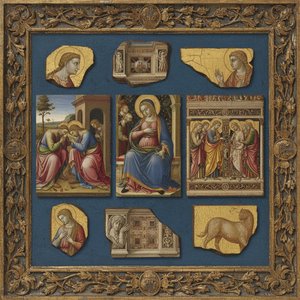
The image before us – Leon Battista Alberti's “Façade” – isn’t merely a depiction of a building; it’s a carefully constructed meditation on order, proportion, and the very essence of Renaissance humanism. Captured against the clear azure of an Italian sky, the Basilica di San Lorenzo in Florence unfolds as a testament to Alberti’s revolutionary approach to architecture. This is not simply a façade, but a deliberate orchestration of geometric forms, a visual embodiment of classical ideals translated into a distinctly Florentine expression. The photograph itself captures a moment of serene clarity, highlighting the building's imposing presence and intricate detailing – a scene that speaks volumes about the ambition and intellectual fervor of the era.

Alberti’s design represents a pivotal shift in architectural thought. Departing from the Gothic style prevalent at the time, he championed a return to the principles articulated by Vitruvius centuries earlier. His meticulous study of Roman ruins fueled his desire to rediscover and re-interpret classical harmony. The façade's dominant feature – its striking geometric patterns – isn’t haphazard decoration; it’s a system meticulously designed to create an illusion of infinite space, drawing the eye upwards towards the heavens. This deliberate manipulation of perspective was groundbreaking for its time, demonstrating Alberti’s mastery of mathematical principles and his profound understanding of how visual perception works.

The Architect as Universal Man

Leon Battista Alberti himself embodies the Renaissance ideal of the “universal man,” a figure skilled in multiple disciplines. Born in Genoa in 1404, he was a polymath – an architect, writer, mathematician, humanist, and even a cryptographer. His life’s work reflects this breadth of interests, seamlessly blending artistic creation with scholarly inquiry. The "Façade" is not just the product of an architect's skill; it’s a manifestation of Alberti’s deep engagement with philosophy, mathematics, and classical literature. He believed that architecture should be informed by reason and beauty, reflecting the inherent order of the universe.

Born out of wedlock to Lorenzo di Benedetto Alberti, a Florentine exiled from his home city, this early experience may have fostered in him a sense of independence and a drive to prove himself through intellectual achievement. His formative years unfolded amidst the rigorous academic environments of Padua and Bologna, where he immersed himself in the study of classical texts and developed his theoretical framework for architecture. Alberti’s meticulous approach to design is evident in every carefully placed element of the façade – from the precise arrangement of arches to the intricate detailing of the columns.

Symbolism and Spiritual Resonance

Beyond its purely aesthetic qualities, “Façade” carries a profound symbolic weight. The Basilica di San Lorenzo was originally dedicated to Saint Lawrence, a Roman martyr known for his generosity and compassion. The building’s geometric forms and harmonious proportions are intended to evoke a sense of spiritual elevation, reflecting the ideals of Christian faith. The use of light and shadow further enhances this effect, creating a dynamic interplay between the interior space and the exterior world. The façade isn't simply a decorative element; it’s a visual representation of the relationship between humanity and the divine.

The intricate geometric patterns – particularly the repeating motifs – can be interpreted as symbols of order, harmony, and eternity. They represent Alberti’s belief that the universe is governed by mathematical principles, and that architecture should reflect this underlying order. The building's design invites contemplation and encourages viewers to consider their place within the larger context of existence.

A Legacy in Stone and Light

Completed around 1458-70, “Façade” stands as a cornerstone of Renaissance architecture – a testament to Alberti’s genius and his enduring influence on subsequent generations of architects. Its principles continue to inform architectural design today, demonstrating the timelessness of its vision. The photograph captures not only the beauty of the building but also the spirit of innovation that defined the Renaissance era. Reproductions of this iconic façade offer a window into a world of classical ideals and artistic brilliance, inviting viewers to appreciate the power of architecture to inspire and uplift.

الأسئلة والأجوبة

ما مدى تشبع الألوان في "Façade" للفنان ليون باتيستا ألبيرتي؟

تتميز لوحة "Façade" للفنان ليون باتيستا ألبيرتي بدرجة تشبع تبلغ Subtle Color.

ما سبب الوضع الحالي لحقوق الطبع والنشر لـ "Façade"؟

تعتمد حالة حقوق الطبع والنشر لـ "Façade" - ملك عام - انتهت مدة حماية حقوق الطبع والنشر الخاصة به - على تاريخ وفاة الفنان في 1472.

أين يمكنني العثور على أعمال فنية مشابهة لـ "Façade" للفنان ليون باتيستا ألبيرتي؟

تُجمع الأعمال الفنية المشابهة لـ "Façade" للفنان ليون باتيستا ألبيرتي في صفحة أعمال مشابهة الخاصة بالعمل الفني.

More about this painting

معاينة الحجم الواقعي معاينة بالواقع المعزز التبديل إلى المطبوعات التحويل إلى الصورة الرقمية إرسال
عرض التفاصيل دليل الأعمال الفنية للطلاب أضف إلى المفضلة تحميل قطع مشابهة الأشعة السينية عرض شرائح متتابع Q&A الإحصائيات

In numbers

  • 1458the year it was painted
  • 29frames to choose from
  • standard sizes, in its own proportions
  • 5weeks to paint and deliver it
ليون باتيستا ألبيرتي

ليون باتيستا ألبيرتي

1404 - 1472, إيطاليا

Quick facts about ليون باتيستا ألبيرتي

  • Artistic Movement Or Style: عمارة عصر النهضة
  • Artists Or Movements Influenced By This Artist: ['معماريو عصر النهضة']
  • Artists Who Influenced This Artist: ['فيتـروفيوس']
  • Date Of Birth: 14 فبراير 1404
  • Date Of Death: 25 أبريل 1472
  • Full Name: ليون باتيستا ألبيرتي
  • Nationality: إيطالي
  • Notable Artworks:
    • قصر روتشيلاي
    • معبد مالاتيستيانو
    • التصميم الدالي لسانت أندريا
    • منظر خارجي
    • حنية تيمبييتو
  • Place Of Birth: جنوا، إيطاليا

نبذة عن الفنان

إنسان عصر النهضة الشامل: حياة وإرث ليون باتيستا ألبرتي

في عام 1404، وُلد في مدينة جنوة التي كانت تضج بالطاقة التجارية والنشاط الفكري، ليون باتيستا ألبرتي، ليبرز كواحد من أبرز الشخصيات في عصر النهضة الإيطالية. كانت حياته تجسيداً حياً للمثل الإنساني الساعي نحو التميز عبر طيف مذهل من التخصصات. وخلافاً للفنانين الذين كرسوا حياتهم فقط للفرشاة أو الإزميل، جسد ألبرتي مفهوم "الإنسان الشامل"، حيث مزج بسلاسة بين الإبداع الفني والبحث العلمي، والابتكار المعماري، وحتى علوم التشفير. كانت ظروف ولادته غير تقليدية نوعاً ما؛ فقد وُلد من علاقة خارج إطار الزواج لـ لورينزو دي بينيديتو ألبرتي، وهو فلورنسي نُفي من مدينته، وأرملة من بولونيا. ولعل هذه التجربة المبكرة هي ما غرس في نفسه روح الاستقلال والدافع لإثبات ذاته من خلال الإنجاز الفكري. تفتحت سنوات تكوينه وسط البيئات الأكاديمية الصارمة في بادوفا وبولونيا، حيث انخرط في البداية في دراسة القانون بناءً على رغبة والده. ومع ذلك، كانت الرياضيات هي التي أسرت خياله حقاً، فقدمت له ملاذاً مرحباً من متطلبات القانون ووضعت حجر الأساس لنظرياته المعمارية اللاحقة. وحتى في تلك الأيام الأولى، أظهر ألبرتي موهبة أدبية، حيث ألف أول كوميديا له، "فيلودوكسيوس"، حوالي عام 1424، وهو ما كان إرهاصاً لمساهماته المستقبلية في الفكر الإنساني.

معماري النزعة الإنسانية: صياغة فضاء عصر النهضة

شكل انتقال ألبرتي إلى روما في عام 1431 لحظة محورية في مسيرته المهنية. فقد أتاح له دخوله خدمة البلاط البابوي واتخاذه للرتب الكنسية فرصة الوصول إلى الأطلال الرائعة للعصور القديمة، مما أشعل شغفاً دائماً بالعمارة الكلاسيكية. لم يكتفِ بمجرد الإعجاب بهذه البقايا، بل درسها بدقة متناهية، سعياً لفهم المبادئ التي قامت عليها جمالياتها الخالدة وسلامتها الهيكلية. وتوج هذا التفاني في عمله الأسمى، "De re aedificatoria" (عن فن البناء)، الذي اكتمل حوالي عام 1452 ولكن نُشر بعد وفاته في عام 1485. لم تكن هذه الرسالة مجرد دليل تقني؛ بل كانت استكشافاً فلسفياً للعمارة كشكل فني متشابك بعمق مع القيم الإنسانية. ومن خلال استلهامه الكبير من كتابات فيتروفيوس، ضخ ألبرتي المبادئ الكلاسيكية برؤاه وابتكاراته الخاصة، مؤكداً على التناسب والتناظر والانسجام كعناصر أساسية للتصميم. وقد دبت الحياة في هذه النظريات من خلال مشاريعه المعمارية؛ فواجهة قصر روتشيلاي في فلورنسا، التي بدأ العمل فيها عام 1446، تقف كنموذج مثالي لقدرته على ترجمة المثُل الكلاسيكية إلى سياق حضري معاصر. وبالمثل، فإن معبد مالاتيستينو في ريميني وتصاميمه للكنائس في مانتوا – سان سيباستيانو وكنيسة سانت أندريا – تظهر براعته في التنظيم الفراغي والتفاصيل الزخرفية. كما أظهر عمله في كنيسة سانتا ماريا نوفيلا في فلورنسا حساسية مذهلة تجاه الهياكل القائمة، حيث دمج العناصر الكلاسيكية بسلاسة في إطار معماري كان قائماً بالفعل.

ما وراء المباني: مساعي الموسوعي المتنوعة

إن حصر تعريف ألبرتي في كونه معمارياً فقط سيكون ظلماً كبيراً لاتساع فضوله الفكري. لقد كان موسوعياً حقيقياً، برع في مجالات بعيدة كل البعد عن عالم التصميم المعماري. كانت مساهماته في نظرية الفن ثورية، لا سيما رسالته "De pittura" (عن الرسم)، التي كتبت حوالي عام 1435 ونُشرت لاحقاً. وضع هذا العمل القواعد الأساسية للمنظور الخطي، مما زود الفنانين بإطار رياضي لإنشاء تصوير واقعي للفضاء – وهي تقنية غيرت مسار الرسم الغربي بشكل جذري. لم يكن ألبرتي مجرد منظر؛ بل أدرك الآثار العملية لأفكاره، مقدماً إرشادات حول التكوين ونظرية اللون وتمثيل التشريح البشري. وامتدت براعته الفكرية إلى الرياضيات وعلم التشفير، حيث كان رائداً في تحليل التردد—وهي طريقة مبتكرة لفك الرموز. بل وتعمق في اللسانيات والفلسفة وعلم الكونيات، مؤلفاً "De componendis cifris" (عن تأليف الشفرات) ومتعاوناً مع باولو توسكانيللي في الدراسات الفلكية. علاوة على ذلك، استكشفت رسالته "De statua" (عن النحت) مبادئ الشكل النحتي، مما أظهر فهماً شاملاً للفنون البصرية.

تأثير خالد: إرث ألبرتي المستمر

توفي ليون باتيستا ألبرتي في روما عام 1472، تاركاً وراءه إرثاً لا يزال يتردد صداه حتى اليوم. إن مزجه بين المعرفة الكلاسيكية والنزعة الإنسانية لعصر النهضة شكل بعمق المشهد الفكري والفني لعصره وما بعده. أصبحت رسالته "De re aedificasia" حجر الزاوية في التعليم المعماري لقرون، مما أثر على أجيال من المعماريين في جميع أنحاء أوروبا. وبصفته منظراً وممارساً في آن واحد، دافع ألبرتي عن العقل والتناسب والانسجام في الفن والعمارة، مجسداً مُثل "الإنسان الشامل" في عصر النهضة. لقد غير عمله على المنظور الممارسة الفنية بشكل جوهري، مما مكن الفنانين من ابتكار تصويرات أكثر واقعية وإقناعاً للفضاء. وقد أدرك جورجيو فازاري، في كتابه "حياة أبرز الرسامين والنحاتين والمعماريين"، الأهمية الهائلة لألبرتي، مما رسخ مكانته كشخصية محورية في تاريخ الفن. إن تأثير ألبرتي لا يقتصر على مبانٍ أو رسائل معينة؛ بل يكمن في نهجه الشامل للمعرفة وإيمانه الراسخ بقدرة العقل البشري على فهم وتشكيل العالم من حولنا. إنه يظل مصدر إلهام، يذكرنا بأن الإبداع الحقيقي يزدهر عند تقاطع التخصصات المتنوعة. >
  • أعمال بارزة: قصر روتشيلاي، معبد مالاتيستينو، كنيسة سانت أندريا
  • أهم الرسائل العلمية: De re aedificatoria، De pittura، De statua
  • التأثيرات: العمارة الكلاسيكية (فيتروفيوس)، النزعة الإنسانية في عصر النهضة
  • الإرث: تأسيس النظرية المعمارية لعصر النهضة، وإحداث ثورة في المنظور الفني

حقائق سريعة

  • Movement: Renaissance
  • Subject or theme: Architecture
  • Artistic style: Classical architecture
  • Notable elements or techniques: Geometric patterns, symmetry

اختبار المعلومات الفنية

لكل سؤال إجابة صحيحة واحدة فقط.

سؤال 1:
What architectural masterpiece is depicted in the image?
سؤال 2:
In what year was the façade primarily constructed?
سؤال 3:
Leon Battista Alberti is best described as a...
سؤال 4:
What is a prominent characteristic of the façade's design?
سؤال 5:
The photograph’s composition centers on the building, suggesting a focus on...