Russian Modernism · 1922
Samarkand Sultan (ليون باكست, 1922)
أبدع ليون باكست (1866–1924) في Samarkand Sultan. يعود تاريخها إلى 1922. تنتمي إلى حركة Russian Modernism. صُنعت من Ink On Paper.
- 1922
- Ink On Paper

 معاينة الحجم الواقعي

 لوحة زيتية مرسومة يدوياً
 مشاركة
 مشاركة
 ورقة الحقائق


 تحميل الملف
 قطع مشابهة
 الأشعة السينية
 عرض شرائح
 الأسئلة والأجوبة

 الإحصائيات
Samarkand Sultan باختصار
- العنوان
- Samarkand Sultan
- الفنان
- ليون باكست (1866–1924)
- تاريخ ميلاد الفنان
- غرودنو, بيلاروس
- التاريخ
- 1922
- الوسيط الفني
- Ink On Paper
- الحركة
- Russian Modernism
- الحقبة
- Modern
- الموضوع
- eastern costume, ornate design, theatrical figure, stylized portrait, vibrant colors, russian culture
ماذا يصور Samarkand Sultan؟
A Study in Grandeur
In this 1922 work, we encounter a figure of quiet authority, a Samarkand Sultan rendered with a graphic precision that feels both ancient and modern. The subject is centered, filling the frame with a verticality that commands attention without needing to shout. He is draped in a robe of deep reds and blues, a garment defined by its intricate geometric patterns—triangles, diamonds, and stripes that dance across the fabric. There is a certain stillness in his expression, a tranquil gaze that suggests a man accustomed to the weight of his own status. His dark beard is long and neatly kept, providing a sharp contrast to the luminous colors of his attire.
The composition relies on a sophisticated layering of shapes and colors to create a sense of presence. While the perspective remains somewhat flattened, reminiscent of theatrical sketches or costume studies, the use of shading gives the figure a tangible, sculptural quality. The light appears to fall from above, catching the edges of his elaborate headwear and the subtle folds of his sleeves.
The Language of Ornament
The detail in the Sultan's attire reveals a meticulous approach to pattern and texture. The artist uses line and color to suggest materials that one can almost feel through the visual surface:
- A large turban adorned with blue and white beads and a singular, striking white feather.
- Sleeves and hems lined with a soft, heavy fur that adds a sense of tactile luxury.
- A complex arrangement of geometric motifs that break up the saturated fields of color.
This work belongs to the Art Nouveau movement, a period where the boundaries between fine art and decorative design often blurred. The influence of Orientalism is palpable here, not as a mere imitation of the East, but as a way to explore new visual languages through exotic silhouettes and intense color palettes. The use of ink and watercolor allows for a certain fluidity, where bold outlines meet softer, shaded transitions.
A Vision of the Stage
There is an inherent theatricality to this piece, as if we are catching a glimpse of a character just before the curtain rises. The stylized forms and exaggerated features move away from photographic realism, opting instead for a heightened sense of character. It feels less like a portrait of a specific historical individual and more like an exploration of an idea—the idea of power, of ceremony, and of the exotic. The emotional weight of the piece lies in this tension between the graphic, almost two-dimensional quality of the illustration and the profound sense of dignity held in the subject's eyes.
صور عالية الدقة لـ Samarkand Sultan
ليون باكست, Samarkand Sultan (1922). ملك عام
أسئلة وإجابات حول Samarkand Sultan
في أي عام أُبدع العمل "Samarkand Sultan" للفنان ليون باكست؟
يعود تاريخ "Samarkand Sultan" إلى عام 1922، وهو ما يضع العمل ضمن المسيرة المهنية لـ ليون باكست وفي سياق حقبته الزمنية.
ما هي التقنية المستخدمة في "Samarkand Sultan" للفنان ليون باكست؟
استخدم ليون باكست تقنية Ink On Paper في عمل "Samarkand Sultan"، وهي التقنية التي تحدد الطبيعة المادية للعمل الأصلي.
ماذا يصور "Samarkand Sultan"؟
تُصور "Samarkand Sultan" للفنان ليون باكست: eastern costume, ornate design, theatrical figure, stylized portrait, vibrant colors, russian culture, decorative art.
هل العمل "Samarkand Sultan" ضمن الملكية العامة؟
حالة حقوق الطبع والنشر لـ "Samarkand Sultan" للفنان ليون باكست: العمل يقع ضمن ملك عام - انتهت مدة حماية حقوق الطبع والنشر الخاصة به، وهو ما يحدد مدى إمكانية إعادة إنتاج الصورة بحرية.
من هو الفنان الذي أبدع "Samarkand Sultan"؟
الفنان الذي أبدع عمل "Samarkand Sultan" هو ليون باكست، والعمل مُدرج تحت اسم ليون باكست.
إلى أي تيار فني تنتمي "Samarkand Sultan" للفنان ليون باكست؟
ينتمي العمل "Samarkand Sultan" إلى مدرسة Russian Modernism، وهي المدرسة التي تمثل التقليد الفني الذي يندرج ضمنه هذا العمل.
إلى أي مرحلة من مراحل تطور ليون باكست ينتمي العمل "Samarkand Sultan"؟
تُمثل "Samarkand Sultan" الحقبة الإبداعية لـ ليون باكست خلال فترة Early Modernism.
كم كان عمر ليون باكست عند إبداع "Samarkand Sultan" في عام 1922؟
عندما أُبدع العمل "Samarkand Sultan" في عام 1922، كان عمر الفنان ليون باكست - المولود في 1866 - هو 56 عاماً.
هل العمل "Samarkand Sultan" للفنان ليون باكست ضمن الملكية العامة، ولماذا؟
تعتمد حالة حقوق الطبع والنشر لـ "Samarkand Sultan" - ملك عام - انتهت مدة حماية حقوق الطبع والنشر الخاصة به - على تاريخ وفاة الفنان في 1924.
عن الفنان، ليون باكست
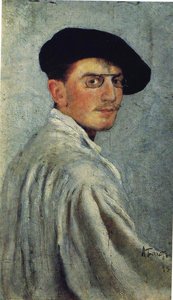
1866–1924, بيلاروس
ليون باكست
البدايات المبكرة وبذور التمرد الفني وُلد ليب-خيم إيزرايليفيتش روزنبرغ عام 1866، في منطقة "بيل أوف سيتلمنت" بمدينة غرودنو—التي كانت آنذاك جزءاً من الإمبراطورية الروسية—لتكون رحلة ليون باكست نحو الشهرة الفنية رواية آسرة نُسجت خيوطها من الموهبة الفطرية والقيود المجتمعية على حد سواء. وعلى الرغم من أن عائلته كانت تنتمي إلى الطبقة الوسطى الميسورة، إلا أنها كانت تمتلك صلات بالبلاط الإمبراطوري من خلال جده، الخياط الشهير الذي حظي برعاية القيصر. هذا الخلفية غرست في نفس الصغير "ليب" وعياً حاداً بالفروق الثقافية الدقيقة إلى جانب شغف مبكر بالرسم، وهو ما تجلى بوضوح عندما فاز بمسابقة وهو في الثانية عشرة من عمره فقط. ومع ذلك، واجه هذا الميل الفني الناشئ في البداية مقاومة من والديه، اللذين ترددا في تبني مثل هذا المسار غير التقليدي.
وأيضاً لـ ليون باكست
 تصميم مع الزهور في شبكة
 Operatic costume designs1911
 Costume design for the ballet ''Cleopatra''1909
 Drawing young divinity Narcisse costume, ballet Diaghilev1911
مقالات حول Samarkand Sultan
 The Soft Soul of Art: Exploring the Tactile Beauty and Timeless Narrative of Textile MasterpiecesEmbark on a sensory journey through the tactile beauty of textile art. Explore how thread, silk, and loom weave human history, from ancient…
 French artworks of the 1860s1860s French masterpieces by Édouard Manet, Claude Monet, and Gustave Courbet. View the full collection online at OriginalUniqueArt.com.
 Masterpieces of Emotion: The Top 25 Artworks by Théodore GéricaultExplore 25 iconic works by Théodore Géricault, from Romanticism to his greatest masterpieces. Discover the full collection on OriginalUniqu…