- الرئيسية

- صورة رقمية
- lee ufan
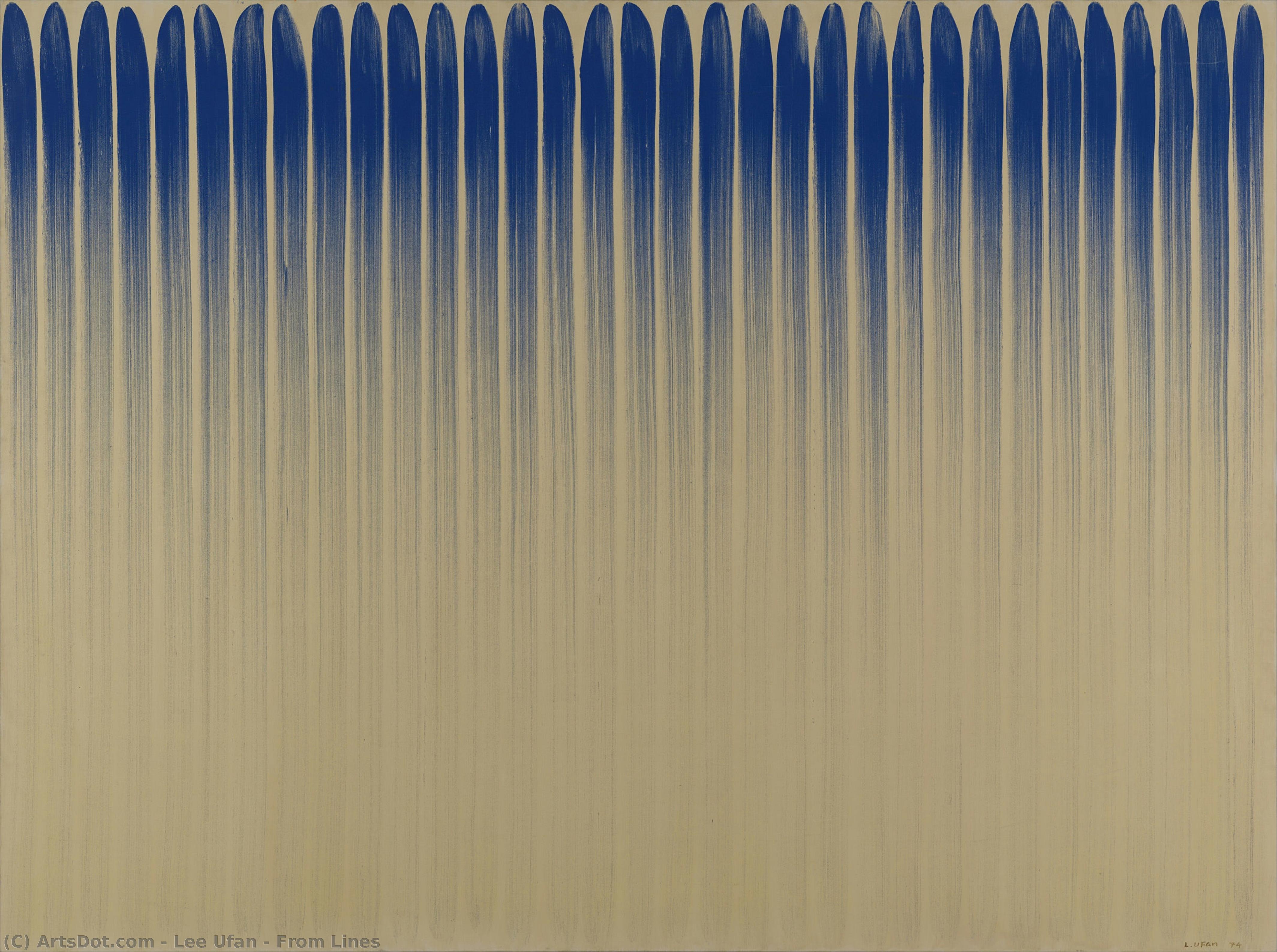
- From Lines
 معاينة الحجم الحقيقي
 مشاركة
 مشاركة
 التفاصيل

 تحميل الملف
 قطع مشابهة
 الأشعة السينية
 عرض شرائح
From Lines
 259.0 x 194.0 cm
 عرض المزيد
احصل على صورة رقمية عالية الدقة ومعزّنة، بجودة تفوق بكثير المعاينة عبر الإنترنت.
يتم إعداد كل ملف بعناية فائقة من قبل متخصصينا الداخليين باستخدام أدوات متقدمة ولمسات يدوية خبيرة. نضمن أن تتمتع كل صورة بوضوح استثنائي، ودقة لونية متناهية، وتفاصيل دقيقة.
يتم تسليم الملف النهائي عبر البريد الإلكتروني في غضون 72 ساعة، وهو مُحسَّن للاستخدام الفوري في المجالات المهنية والتحريرية ومجالات الطباعة. هذه هي ذات الجودة التي تعتمد عليها كبرى استوديوهات التصميم ودور النشر والمعارض الفنية المرموقة.
صورة رقمية
حمّل ملفاً عالي الدقة للعرض الشخصي، والطباعة، والمشاريع الإبداعية. ( التحويل للنسخة المطبوعة التحويل إلى لوحة مرسومة يدوياً)
مزايا مُضمّنة في كل طلب صورة رقمية
تسليم رقمي احترافي، مضمون
عندما تختار OriginalUniqueArt.com، فأنت لا تحصل على مجرد صورة فحسب، بل ستحصل على عمل فني رقمي مُحسّن باحترافية، صُمم بدقة متناهية ومصحوب بضمان الرضا. إليك كل ما يتضمنه طلبك تلقائياً:

تسليم سريع عبر البريد الإلكتروني
ستصلك ملفات صورك الرقمية عالية الدقة عبر البريد الإلكتروني في غضون 72 ساعة من إتمام الطلب - لتكون جاهزة للاستخدام الفوري.

ملف رقمي مُحسّن بالذكاء الاصطناعي
يتم تحسين عملك الفني باحترافية باستخدام أدوات الذكاء الاصطناعي المتقدمة والتحرير اليدوي، لضمان أقصى درجات التفاصيل والوضوح ودقة الألوان.

إعادة إرسال مجانية مدى الحياة
هل حذفت ملفك أو فقدته عن طريق الخطأ؟ لا تقلق - سنعيد إرساله إليك في أي وقت، ومجاناً.

بدون رسوم استيراد - على الإطلاق
استمتع بأعمالك الفنية فوراً دون أي رسوم جمركية أو ضرائب أو مصاريف شحن - فالتحميلات الرقمية دائماً ما تكون معفاة من الضرائب.

ضمان دقة الألوان
نحن نضمن أن تعكس صورتك الرقمية الألوان الأصلية بأقصى قدر ممكن من الدقة، وذلك باستخدام أدوات احترافية وتقنيات إدارة الألوان.

ضمان الرضا لمدة 60 يومًا
إذا لم تكن راضياً عن صورتك الرقمية، فسنقوم بتعديلها أو استرداد 100% من قيمتها خلال 60 يوماً - دون أي أسئلة.

ضمان استعادة الأموال بنسبة % 100
لم تكن راضياً؟ احصل على استرداد كامل المبلغ خلال 60 يومًا من استلام ملفك الرقمي - دون أي أسئلة.

خصومات الطلبات الكبيرة
اشتري 3 صور، ووفر 10% - اشتري 5، ووفر 15% - اشتري +10، ووفر 20%. مثالية للمشاريع الإبداعية، والمعارض، والوكالات.
السيرة الذاتية للفنان
born in haman-gun, gyeongsangnam-do in 1936, lee ufan was raised by his parents and confucian grandfather. lee studied painting at the college of fine arts at seoul national university for just two months and moved to yokohama, japan in 1956, where he earned a degree in philosophy in 1961. whilst studying philosophy ufan painted in a restrained, traditional japanese style, eschewing the expressive abstraction of the contemporary japanese gutai movement. after graduating from the university in japan, 1961, he threw himself against the south–north unification movement and the military regime. in 1964, lee was arrested and tortured by the korean central intelligence agency (kcia).
lee spent his early working years pursuing careers as an art critic, philosopher, and artist. in japan he became an active participant in the countercultural upheavals surrounding the anpo movement of the 1960s. he came to prominence in the late 1960s as one of the founders and theoretical leaders of the avant garde mono-ha (school of thing) group. mono-ha was related in arte povera movement of the 1960s and japan's first contemporary art movement to gain international recognition. the mono-ha school of thought rejected western notions of representation, choosing to focus on the relationships of materials and perceptions rather than on expression or intervention. the movement's goal was to embrace the world at large and encourage the fluid coexistence of numerous beings, concepts, and experiences. lee u-fan's position in the philosophy department at nihon university in tokyo earned him a distinguished role as the movement's spokesman. in 1973, he was appointed professor of tama art university in tokyo and he stayed there until 2007. yoshio itagaki was one of his students in 1989–1991. he is professor emeritus at tama art university.
in the mid-1970s lee introduced korean five artists whom called later dansaekzo whehwa (monotone painting) school to japan, which offered a fresh approach to abstraction by presenting repetitive gestural marks as bodily records of time’s perpetual passage. in his early painting series, from point and from line (1972–84), lee combines ground mineral pigment with animal-skin glue, characteristic of nihonga painting in which he was trained. each brushstroke is applied slowly and is composed of several layers. where the brush first makes contact with the canvas, the paint is thick, forming a 'ridge' that gradually becomes lighter. rarely does his brush touch the surface more than three times. the artist refers to this as yohaku or the art of emptiness. in the from point works he adopted a similar method in order to produce a fading series of small, discrete, rectangular brushstokes. in 1991 lee began his series of correspondance paintings, which consist of just one or two grey-blue brushstrokes, made of a mixture of oil and crushed stone pigment, applied onto a large white surface. on average it takes lee about a month to finish a painting, on canvases that typically measure about 60 by 90 inches, although they can vary in size from a few inches to 10 feet per side. he completes no more than 25 works a year.
lee's sculptures, presenting dispersed arrangements of stones together with industrial materials like steel plates, rubber sheets, and glass panes, recast the discrete object as a network of relations based on parity between the viewer, materials, and site. in his sculptural series relatum, each work consists of one or more light-colored round stones and dark, rectangular iron plates.

lee ufan
1936 -
لمحة سريعة
- Artistic Movement Or Style: Minimalism, Mono-ha
- Artists Or Movements Influenced By This Artist:
- Mono-ha
- Dansaekjo Yesul
- Artists Who Influenced This Artist:
- Martin Heidegger
- Maurice Merleau-Ponty
- Date Of Birth: 1936
- Full Name: Lee Ufan
- Nationality: Korean
- Notable Artworks:
- From Point series
- From Line series
- Place Of Birth: Haman-gun, Korea

