- الرئيسية

- طباعة على كانفاس
- lee jiyong
- Mitosis
 Preview
 اطلب نسخة مرسومة يدوياً شراء الصورة بدقة عالية
 مشاركة
 مشاركة
 التفاصيل
 أضف إلى المفضلة

 تحميل الملف
 قطع مشابهة
 الأشعة السينية
 عرض شرائح
Mitosis

 عرض المزيد
طباعة جيلي / مطبوعات فنية
طباعة جيكلي أو كانفاس بجودة المتاحف، مع سرعة في التنفيذ وخيارات متنوعة للتشطيب.




































اختر من بين أحجامنا المُعدّة مسبقًا والتي تتطابق مع النسب الأصلية للعمل الفني.

يمكنك إدخال أبعادك الخاصة لتناسب إطاراً أو مساحة معينة. وإذا لم يتطابق الحجم الذي اخترته مع نسب الصورة الأصلية، فسنقوم إما بقص العمل الفني أو تمديد الصورة باستخدام حافة معكوسة أو بلون مصمت. سيتم إرسال نموذج تجريبي رقمي لاعتمادك قبل بدء الإنتاج.
يرجى ملاحظة أن المعاينة على الشاشة لا تعكس عملية القص أو التمديد الفعلية؛ حيث سيوضح النموذج التجريبي فقط التكوين النهائي بدقة.
وعلى الرغم من توفر أحجام مخصصة، إلا أننا نوصي باختيار أبعاد من القائمة المحددة مسبقاً للحفاظ على النسب الأصلية.
توصيل عالمي إلى خلال أسبوعين بدلاً من المدة القياسية البالغة 4/5 أسابيع. 24 يوليو

شحن سريع ومجاني لجميع أنحاء العالم

قماش كتان عالي الجودة

تأمين شحن شامل

ضمان استرداد الرسوم الجمركية

ضمان مطابقة الألوان الحقيقية

سياسة الإرجاع خلال 60 يومًا (في حالات العيوب فقط)

ضمان استرداد نقدي بنسبة 100%

خصم عند طلب عدة قطع
 خيار الزجاج متاح فقط للمقاسات التي تقل عن 110 سم

Mitosis
طباعة جيلي / مطبوعات فنية
مقاس النسخة المطبوعة
-


السعر الإجمالي النهائي
-
وصف القطعة الفنية
السيرة الذاتية للفنان
Jiyong Lee: A Sculptor of Light and Transformation
Born in Seoul, South Korea, in 1971, Jiyong Lee’s artistic journey is a compelling narrative of cultural exchange, rigorous training, and an unwavering dedication to the transformative power of glass. His early life provided a grounding in traditional Korean aesthetics while simultaneously exposing him to the burgeoning contemporary art scene of New York City, a pivotal experience that would profoundly shape his artistic vision. Lee's formal education began at Hong-ik University in Korea, where he honed fundamental skills before pursuing an MFA from the Rochester Institute of Technology, laying the groundwork for his future as both a studio artist and a respected educator.
Lee’s career trajectory is marked by a consistent pursuit of innovation within the medium of glass. Initially teaching at RIT, he sought opportunities to expand his artistic practice and pedagogical influence, leading him to Pilchuck Glass School, the Studio of the Corning Museum of Glass, Penland School of Crafts, and numerous other prestigious institutions worldwide. These experiences weren’t merely stops on a resume; they were crucial for absorbing diverse techniques, engaging with fellow artists, and refining his own unique approach. His time at the Domaine de Boisbuchet in France, particularly, exposed him to the intricate processes of layering and manipulating glass, contributing significantly to the development of his signature style.
The Language of Segmentation
Lee’s most recognizable body of work revolves around the “Segmentation Series,” a captivating exploration of cellular division and the inherent tension between order and chaos. This series isn't simply about replicating biological forms; it’s an attempt to translate the complex processes of cell growth into a visual language using the properties of glass – its transparency, opacity, and ability to be layered with remarkable precision. The laminated nature of his pieces creates a mesmerizing interplay of light, revealing intricate patterns while simultaneously obscuring the underlying structure. As Lee himself describes, these works “symbolize the intersection of biological clarity and mystery,” reflecting on the transient and ambiguous nature of existence.
The influence of Korean art is subtly woven throughout his work. The meticulous attention to detail, reminiscent of traditional Korean ceramics and calligraphy, combined with a distinctly modern sensibility, creates a compelling dialogue between heritage and innovation. Lee’s choice of glass as his primary medium isn't arbitrary; it mirrors the Korean tradition of craftsmanship and its emphasis on refined techniques and enduring beauty.
Technique and Process: A Masterful Hand
Lee’s technical mastery is evident in every piece. He employs a sophisticated layering technique, often utilizing multiple sheets of glass fused together to create complex, multi-faceted forms. This process demands an intimate understanding of the material's properties – its thermal expansion, its refractive index, and its ability to be manipulated under heat. His work frequently incorporates subtle color variations achieved through carefully controlled firing temperatures, adding depth and visual interest to his compositions.
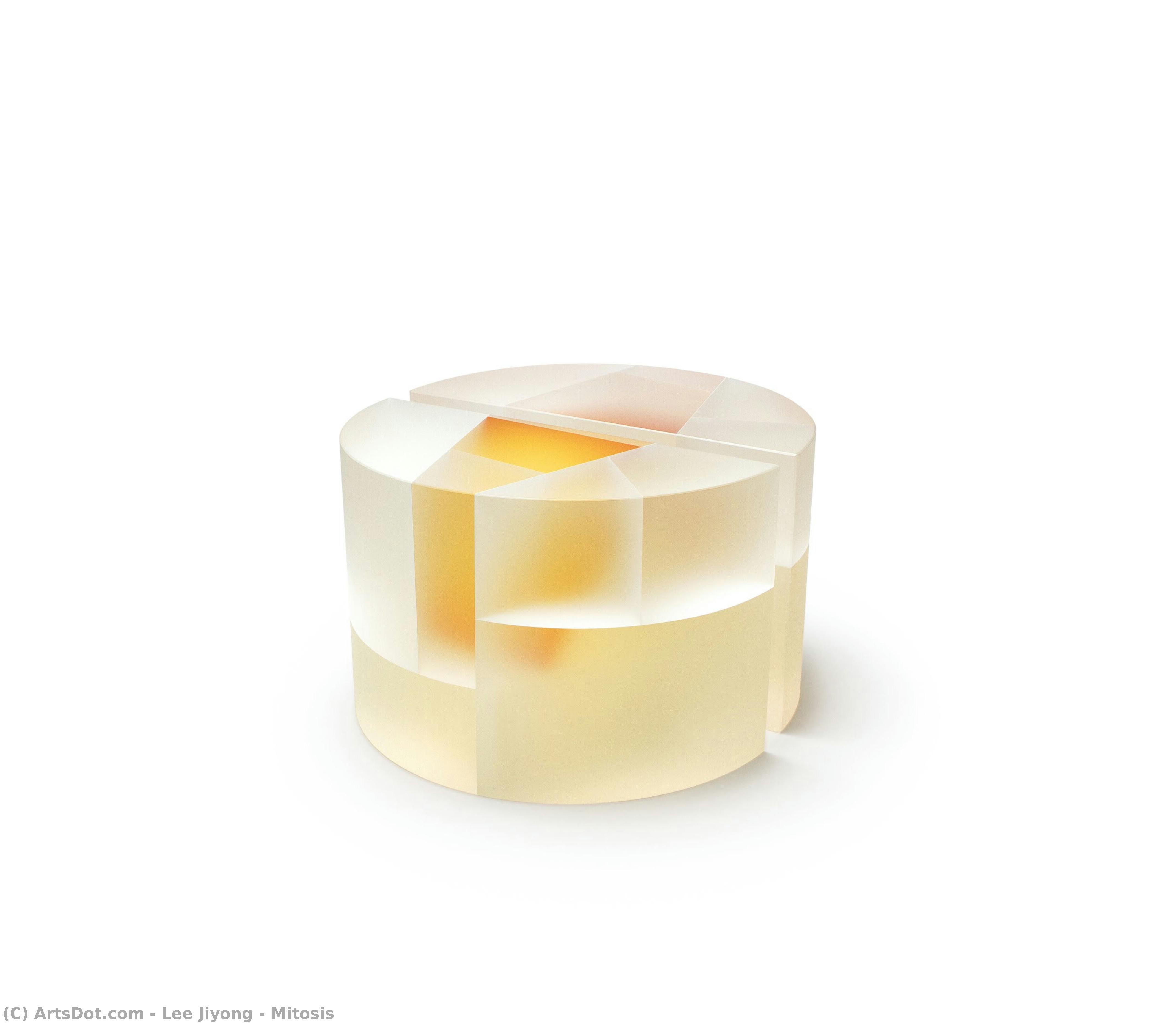
The “Mitosis” piece, prominently featured in OriginalUniqueArt’s database, exemplifies this technique perfectly. The intricate patterns of light and shadow within the glass create an illusion of movement and transformation, mirroring the dynamic processes occurring within a cell dividing. This dedication to precision and control is what elevates Lee's work from mere decoration to profound artistic expression.
Recognition and Legacy
Lee’s contributions to the field of contemporary glass art have been widely recognized through numerous awards and exhibitions. He was a finalist for the prestigious Loewe Foundation Craft Prize in 2021, a testament to his innovative approach and exceptional skill. He also received the Bavarian State Prize at the International Trade Fair in Munich in 2017 and the Emerging Artist Award from the Glass Art Society. His work is held in prominent collections worldwide, including those of the Barry Art Museum, Corning Museum of Glass, Chanel France, and Samsung Corporation.
Beyond his individual achievements, Lee has played a vital role in nurturing the next generation of glass artists through his teaching positions at Southern Illinois University Carbondale. He continues to push the boundaries of what’s possible with glass, solidifying his place as one of the most influential figures in contemporary glass sculpture.

lee jiyong
1971 - , South Korea
حقائق سريعة
- Artistic Movement Or Style: Contemporary Glass
- Artists Or Movements Influenced By This Artist: ['Glass Art Society']
- Artists Who Influenced This Artist: ['Lee Ungno']
- Date Of Birth: 1971
- Full Name: Lee Jiyong
- Nationality: Korean
- Notable Artworks:
- Mitosis
- The Queue
- Place Of Birth: South Korea

