- الرئيسية

- طباعة على كانفاس
- Lasar Segall
- الأمومة
 اطلب نسخة مرسومة يدوياً شراء الصورة بدقة عالية
 مشاركة
 مشاركة
 التفاصيل
 أضف إلى المفضلة

 تحميل الملف
 قطع مشابهة
 الأشعة السينية
 عرض شرائح
الأمومة
 زيت على قماش
- لوحات جدارية
 عصر النهضة
 5.0 x 44.0 cm
 متحف لاسار سيغال
 عرض المزيد
طباعة جيلي / مطبوعات فنية
طباعة جيكلي أو كانفاس بجودة المتاحف، مع سرعة في التنفيذ وخيارات متنوعة للتشطيب.




P118B $10

P118H $10

P118W $10

P438Z $10

P508JH $12

P508YH $12

P805H $10

P805Z $10

P919BZ $10

P919G $10

P919XJ $10

P959ZH $10

P968JZ $12

W106C $8

W218G $10

W218JH $8

W218Y $10

W307PJ $10

W316G $10

W316PJ $8

W316Y $10

W398PJ $8

W4111J $10

W500HY $15

W500JH $15

W692G $12

W849H $8

W940BG $15

W953PJ $8




اختر من بين أحجامنا المُعدّة مسبقًا والتي تتطابق مع النسب الأصلية للعمل الفني.

يمكنك إدخال أبعادك الخاصة لتناسب إطاراً أو مساحة معينة. وإذا لم يتطابق الحجم الذي اخترته مع نسب الصورة الأصلية، فسنقوم إما بقص العمل الفني أو تمديد الصورة باستخدام حافة معكوسة أو بلون مصمت. سيتم إرسال نموذج تجريبي رقمي لاعتمادك قبل بدء الإنتاج.
يرجى ملاحظة أن المعاينة على الشاشة لا تعكس عملية القص أو التمديد الفعلية؛ حيث سيوضح النموذج التجريبي فقط التكوين النهائي بدقة.
وعلى الرغم من توفر أحجام مخصصة، إلا أننا نوصي باختيار أبعاد من القائمة المحددة مسبقاً للحفاظ على النسب الأصلية.
توصيل عالمي إلى خلال أسبوعين بدلاً من المدة القياسية البالغة 4/5 أسابيع. 19 يوليو

شحن سريع ومجاني لجميع أنحاء العالم

قماش كتان عالي الجودة

تأمين شحن شامل

ضمان استرداد الرسوم الجمركية

ضمان مطابقة الألوان الحقيقية

سياسة الإرجاع خلال 60 يومًا (في حالات العيوب فقط)

ضمان استرداد نقدي بنسبة 100%

خصم عند طلب عدة قطع
 خيار الزجاج متاح فقط للمقاسات التي تقل عن 110 سم

الأمومة
طباعة جيلي / مطبوعات فنية
مقاس النسخة المطبوعة
-


السعر الإجمالي النهائي
-
وصف القطعة الفنية
Lasar Segall’s “Maternidade”: سيمفونية من الضعف
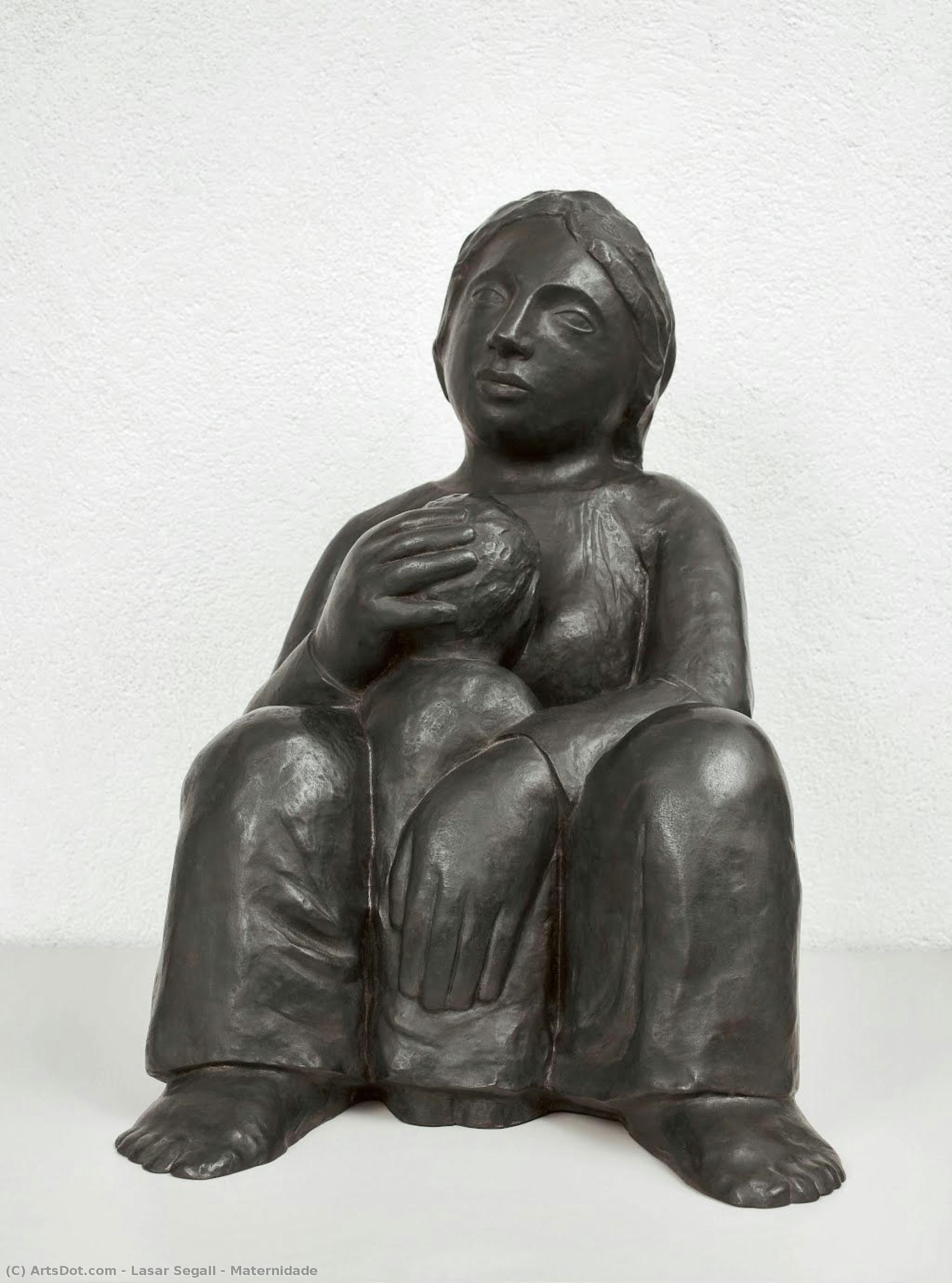
“مaternidade” (الأمومة)، التي رسمها الفنان الليتواني البرازيلي لاسار سيغال في عام 1935، هي أكثر من مجرد تصوير لامرأة وطفل؛ إنها استكشاف عميق وشاعري للعلاقات الإنسانية، والنزوح، والقوة الدائمة للروابط الأسرية. هذه اللوحة، المرسومة بالزيت على القماش، تمثل مثالاً بارزًا على أسلوب سيغال المميز – مزيج قوي من التعبيرية، والتكعيبية، ورموز شخصية عميقة متجذرة في تجاربه الخاصة كلاجئ وفنان يواجه اضطرابات اجتماعية عميقة. إنها تحفة فنية تثير مشاعر قوية وتلامس جوهر الوجود الإنساني.
- التركيبة: تتسم اللوحة بتكوين مباشر للغاية. امرأة، مرسومة بإحكام ولكن مع إيحاء بالهشاشة، تحتضن ابنها الرضيع في ذراعيها. وجه الطفل مخفي جزئيًا، مما يزيد من الغموض ويؤكد على عناق الأم الواقي.
- الألوان: استخدام سيغال الماهر للألوان – البنيات الترابية، والخضروات الداكنة، ولمسات من الأصفر – يساهم بشكل كبير في خلق جو اللوحة الهادئ والمريح. هذه الألوان تعكس الارتباط البدائي بين الأم والطفل، مع إيحاء خفي بالصعاب التي واجهها النازحون من ديارهم.
مرآة للنزوح والمرونة
إن حياة سيغال مرتبطة بشكل لا ينفصم بهذه اللوحة. لقد فر من الاضطهاد في ليتوانيا في أوائل القرن العشرين، ثم استقر في البرازيل، وحمل معه شعورًا عميقًا بالخسارة والتزامًا بتمثيل الحالة الإنسانية بشفافية غير مكترثة. “Maternidade” يمكن تفسيرها على أنها تأمل عميق في هذه التجربة – شهادة على مرونة الروح البشرية والحاجة الدائمة للاتصال وسط الفوضى. تعكس المشاعر الخام في اللوحة موضوعات عالمية مثل الأمومة، والحماية، والروابط العميقة بين الأجيال.
كان سيغال فنانًا يعاني من صدمة بسبب تجاربه الشخصية، مما انعكس على أعماله. لقد استخدم أسلوبه الفني للتعبير عن هذه الصدمات بطريقة مؤثرة ومباشرة، مما جعل اللوحة أكثر قوة وعمقًا عاطفيًا.
تأثير التكعيبية
من الواضح من خلال النظر إلى اللوحة أن سيغال تأثر بأسلوب التكعيبية. أشكال متقطعة وجهات نظر متعددة تشير بشكل خفيف إلى الطبيعة المتصدعة للهوية والخبرات غالبًا ما ترتبط بالنزوح. ومع ذلك، على عكس بعض أعمال التكعيبية التي تركز على التفكير المجرد، فإن استخدام سيغال لهذه التقنية يهدف إلى زيادة التأثير العاطفي للمشهد، مما يعزز إحساس المشاهد بالتعاطف مع الشخصيات الموجودة في اللوحة.
الرمزية والإحساس العاطفي
بالإضافة إلى عناصرها الشكلية، فإن “Maternidade” غنية بالمعاني الرمزية. وضع المرأة – واقيًا، ومغلفًا، تقريبًا منحوتًا – يشير إلى حصن ضد العالم، بينما تعكس نظرتها مزيجًا من اللطف والتركيز الواثق. وجود الطفل يمثل ليس فقط الأجيال القادمة ولكن أيضًا استمرار الحياة نفسها، وهو رمز للأمل في مواجهة الشدائد. العنوان نفسه للوحة يؤكد على الموضوع المركزي: الدور الأساسي للأمومة كجزء من قوة وأمان وحب دائم.
إن قدرة سيغال على التقاط مثل هذه العمق العاطفي من خلال صور بسيطة هي شهادة على عبقريته الفنية. “Maternidade” تظل عملاً قويًا ومؤقتًا – تذكير مؤثر لإنسانيتنا المشتركة وأهمية تقدير أولئك الذين نحبهم.
السيرة الذاتية للفنان
A Life Forged in Displacement: The Journey of Lasar Segall
Lasar Segall’s life was a testament to the power of art born from displacement and suffering, a narrative etched onto canvas with raw emotion and innovative technique. Born on July 21, 1891, in Vilnius, Lithuania—then part of the Russian Empire—Segall inherited a profound connection to his Jewish heritage through his father, a Torah scribe. This early immersion in tradition would become a recurring undercurrent throughout his artistic explorations, even as he navigated a world increasingly defined by upheaval and change. His formative years were steeped in the anxieties of a society grappling with political unrest and religious persecution, themes that would later dominate his work. The seeds of an artist acutely sensitive to human vulnerability were sown early, nurtured by a childhood shadowed by uncertainty.From Berlin to Brazil: A Blossoming Artistic Voice
At fifteen, Segall embarked on a journey that would irrevocably shape his artistic trajectory, moving to Berlin in 1906 to study at the Königliche Akademie der Künste. This immersion into the vibrant German art scene proved pivotal, exposing him to new ideas and techniques while simultaneously solidifying his commitment to self-expression. He continued his studies in Dresden, becoming a “Meisterschüler” at the Kunstakademie, where he began developing a distinctive style characterized by troubled figures inhabiting claustrophobic spaces, their features often exaggerated to convey profound emotional distress. These early works were not merely representations of form; they were visceral expressions of alienation and suffering, influenced by African tribal art and foreshadowing the Expressionist movement that would soon claim him as one of its own. Segall’s involvement with the Dresden Secession Gruppe in 1919, alongside artists like Otto Dix and Conrad Felixmüller, marked a significant step toward artistic independence and a rejection of conventional norms. However, the turbulence of post-war Europe fueled his desire for a new beginning. In 1923, he made the momentous decision to relocate to São Paulo, Brazil, joining siblings who had already established themselves in the country. This move proved transformative, not only offering him refuge but also exposing him to a culture brimming with vibrant colors, diverse influences, and a unique energy that would infuse his art with new life.Brazilian Rhythms and Modernist Visions
Brazil became more than just a haven for Segall; it was a catalyst for artistic reinvention. He quickly embraced the country’s multifaceted identity, drawing inspiration from its bustling cities, lush landscapes, and diverse population. The red-light districts of Rio de Janeiro, the lives of plantation workers, and the vibrant energy of the favelas all found their way onto his canvases. His participation in the pivotal Semana de Arte Moderna (Modern Art Week) in 1922 solidified his position as a leading figure in the Brazilian modernist movement, challenging traditional artistic conventions and paving the way for a new era of creative expression. While retaining elements of Expressionism, Segall’s style evolved towards a more Cubist-influenced approach, reflecting the dynamic forms and bold colors of Brazilian life. He became a Brazilian citizen, fully immersing himself in the cultural landscape while continuing to explore universal themes of human suffering, displacement, and identity.A Legacy of Empathy and Social Commentary
The mature phase of Segall’s career was marked by a deepening exploration of portraiture, landscapes imbued with social commentary, and a continued commitment to portraying the marginalized and oppressed. His portraits, such as “Portrait of Lucy” (1937) and “Lucy with Flower” (1942), are particularly poignant, capturing not just physical likeness but also the inner lives and emotional complexities of his subjects. These works demonstrate an extraordinary ability to convey empathy and understanding through expressive brushwork and a keen sensitivity to human emotion. His landscapes often served as vehicles for social critique, reflecting on the realities of poverty, inequality, and injustice in Brazil. Throughout his life, Segall remained deeply connected to his Jewish heritage and experiences as an immigrant, themes that consistently resurfaced in his art. He died on August 2, 1957, leaving behind a rich artistic legacy that continues to resonate with audiences today. The Museu Lasar Segall in São Paulo, housed in his former residence and studio, stands as a testament to his enduring influence and provides invaluable insight into the life and work of this remarkable artist—a pivotal figure who bridged European traditions with Brazilian realities, leaving an indelible mark on the landscape of modern art. His work remains a powerful reminder of the importance of empathy, social consciousness, and artistic integrity.
Lasar Segall
1891 - 1957 , Lithuania
حقائق سريعة
- Artistic Movement Or Style: Expressionism, Modernism
- Artists Or Movements Influenced By This Artist: ['Brazilian modern artists']
- Artists Who Influenced This Artist: ['African tribal art']
- Date Of Birth: July 21, 1891
- Date Of Death: August 2, 1957
- Full Name: Lasar Segall
- Nationality: Lithuanian-Brazilian
- Notable Artworks:
- Lucy with Flower
- Portrait of Lucy
- Place Of Birth: Vilnius, Lithuania
مقالات ذات صلة
Top 10 Modern Masterpieces: Iconic Art for Your Home | OriginalUniqueArt
Journey through 10 defining modern masterpieces! Explore iconic paintings by Picasso, Monet & Van Gogh. Discover art history, techniques & emotional depth. Find museum-quality reproductions for your home at OriginalUniqueArt.com.

Umberto Boccioni: Dynamism, Futurist Ideals & the Evolution of Modern Sculpture
Explore the revolutionary art of Umberto Boccioni, a leading figure of Futurism. Discover his iconic sculptures & paintings, and delve into the movement's impact on modern art history with OriginalUniqueArt.

Figurative Expressionism: Emotional Intensity & Subjective Reality in 20th-Century Art
Explore the powerful world of Figurative Expressionism with OriginalUniqueArt. Discover key artists like Kirchner & Beckmann, understand its emotional depth, and learn how to collect this influential 20th-century art movement.
Oil on Canvas Masters: 10 Paintings That Redefined Art History |
Journey through art history with our guide to 10 legendary oil on canvas masterpieces! Explore iconic works by Van Gogh, Monet & Rembrandt. Find museum-quality reproductions and elevate your home decor at . Discover all masterpieces online.

The Enduring Allure of Marble in Art History: From Classical Sculpture to Modern Abstraction
Explore the captivating history of marble sculpture from ancient Greece to modern art. Discover renowned artists like Canova & Michelangelo, carving techniques, and investment insights at OriginalUniqueArt.


