

 معاينة الحجم الحقيقي
 مشاركة
 مشاركة
 التفاصيل

 تحميل الملف
 قطع مشابهة
 الأشعة السينية
 عرض شرائح
 الإحصائيات
Fly Me to the Moon
 Acrylic On Canvas
- WallArt
- Pop Art
 184.0 x 244.0 cm
 Modern Art Oxford
 عرض المزيد
طباعة جيلي / مطبوعات فنية
طباعة جيكلي أو كانفاس بجودة المتاحف، مع سرعة في التنفيذ وخيارات متنوعة للتشطيب. ( اشترِ لوحة مرسومة يدويًا الانتقال إلى الصورة الرقمية)




P118B $10

P118H $10

P118W $10

P438Z $10

P508JH $12

P508YH $12

P805H $10

P805Z $10

P919BZ $10

P919G $10

P919XJ $10

P959ZH $10

P968JZ $12

W106C $8

W218G $10

W218JH $8

W218Y $10

W307PJ $10

W316G $10

W316PJ $8

W316Y $10

W398PJ $8

W4111J $10

W500HY $15

W500JH $15

W692G $12

W849H $8

W940BG $15

W953PJ $8




اختر من بين أحجامنا المُعدّة مسبقًا والتي تتطابق مع النسب الأصلية للعمل الفني.

يمكنك إدخال أبعادك الخاصة لتناسب إطاراً أو مساحة معينة. وإذا لم يتطابق الحجم الذي اخترته مع نسب الصورة الأصلية، فسنقوم إما بقص العمل الفني أو تمديد الصورة باستخدام حافة معكوسة أو بلون مصمت. سيتم إرسال نموذج تجريبي رقمي لاعتمادك قبل بدء الإنتاج.
يرجى ملاحظة أن المعاينة على الشاشة لا تعكس عملية القص أو التمديد الفعلية؛ حيث سيوضح النموذج التجريبي فقط التكوين النهائي بدقة.
وعلى الرغم من توفر أحجام مخصصة، إلا أننا نوصي باختيار أبعاد من القائمة المحددة مسبقاً للحفاظ على النسب الأصلية.
توصيل عالمي إلى خلال أسبوعين بدلاً من المدة القياسية البالغة 4/5 أسابيع. 11 سبتمبر

شحن سريع ومجاني لجميع أنحاء العالم

قماش كتان عالي الجودة

تأمين شحن شامل

ضمان استرداد الرسوم الجمركية

ضمان مطابقة الألوان الحقيقية

سياسة الإرجاع خلال 100 يوم (في حالات العيوب فقط)

ضمان استرداد نقدي بنسبة 100%

خصم عند طلب عدة قطع
 خيار الزجاج متاح فقط للمقاسات التي تقل عن 110 سم

Fly Me to the Moon
طباعة جيلي / مطبوعات فنية
مقاس النسخة المطبوعة
-


السعر الإجمالي النهائي
$ 80
Kiki Kogelnik’s “Fly Me To The Moon”: A Vibrant Echo of Technological Anxiety
The artwork "Fly Me To The Moon" by Austrian artist Kiki Kogelnik (1935–1997) stands as a striking testament to the anxieties simmering beneath the surface of 1960s Pop Art – a movement grappling with rapid technological advancement and its unsettling implications for human experience. More than just aesthetically arresting, this piece delves into profound symbolic layers that continue to resonate today.A Bold Synthesis: Style and Technique
Kogelnik’s distinctive style blends abstract expressionism's gestural freedom with Pop Art’s embrace of bold color palettes and simplified forms. The canvas is dominated by a large, centrally positioned green figure—a deliberate choice reflecting both vulnerability and resilience—against a backdrop of geometric shapes punctuated by vibrant dots. Acrylic paints were skillfully layered onto a gesso primer, creating a textured surface that enhances the visual dynamism of the composition. Lines delineate the figure’s contours with precision, countering the apparent chaos of the surrounding environment, suggesting an underlying order amidst perceived fragmentation. The artist's technique prioritizes layering and repetition, mirroring the pervasive influence of mass production during this era.Historical Context: The Space Race and Artistic Response
“Fly Me To The Moon” emerged during the height of the Cold War, a period defined by escalating tensions between East and West and fueled by the relentless pursuit of space exploration. This context profoundly shaped artistic sensibilities—artists like Kogelnik responded to these anxieties through imagery that juxtaposes organic forms with mechanical elements. As Angela Stief noted in *Power Up: Female Pop Art*, “The Western world is imploding.” The artwork captures this feeling, reflecting a growing apprehension about the dehumanizing effects of technology and its potential to erode human connection.Symbolism: Fragmentation and Vulnerability
Beyond its stylistic considerations, "Fly Me To The Moon" carries significant symbolic weight. The fragmented geometric shapes surrounding the central figure represent the disintegration of traditional values and beliefs in an increasingly mechanized society—a visual metaphor for the anxieties of the time. Simultaneously, the dominant green hue embodies resilience and hope amidst despair, subtly countering the pervasive sense of unease conveyed by the composition’s overall aesthetic. The artist's deliberate use of color contributes to a palpable emotional impact – unsettling yet undeniably captivating.Emotional Resonance: A Playful Disruption
Ultimately, Kogelnik’s “Fly Me To The Moon” transcends mere visual representation; it communicates an emotional state characterized by energetic disruption and playful provocation. It invites contemplation on the relationship between humanity and technology—a dialogue that remains vitally relevant in our contemporary world. This artwork serves as a powerful reminder of how art can capture not only the aesthetic beauty of its time but also the underlying psychological currents shaping human consciousness.السيرة الذاتية للفنان
Kiki Kogelnik: Life and Legacy
Early Life and Education
Kiki Kogelnik (1935–1997) was a pivotal Austrian painter, sculptor, and printmaker. Born in Blagoveshchensk, Austria, she received her artistic training at the Vienna Academy of Fine Arts. This foundational education provided her with the technical skills that would later be employed in her innovative and often provocative works.
Artistic Development and Influences
Kogelnik’s early career, beginning in 1961 at Galerie nächst St. Stephan in Vienna, was marked by abstract compositions. Initially, she drew inspiration from artists like Serge Poliakoff of the École de Paris. However, Kogelnik quickly developed her own distinct style, moving away from pure abstraction and embracing the emerging Pop Art aesthetic. While often categorized within Pop Art, she frequently expressed reservations about being solely defined by this movement.
Key Themes and Artistic Style
Throughout her career, Kogelnik explored a range of themes including technology, consumerism, and – particularly in the 1970s – the representation of women in media. Her work is characterized by vibrant colors, bold shapes, and a playful yet critical approach to societal norms. She frequently utilized materials like vinyl and plastic, reflecting her interest in modern industrial processes.
- Her “Women Works” directly addressed stereotypical portrayals of femininity.
- She often incorporated elements of science fiction and space exploration into her art.
- Kogelnik’s sculptures and hangings are known for their dynamic forms and tactile qualities.
Major Achievements and Recognition
Kogelnik achieved significant recognition during her lifetime, exhibiting widely in Europe and the United States. A large retrospective of her work was held at the Belvedere Museum in Vienna in 1997, shortly after her death. In 1998, she was posthumously awarded Austria’s highest decoration for services to the country – the Decoration of Honour for Services to the Republic of Austria – a testament to her lasting impact on Austrian art and culture.
Historical Significance
Kiki Kogelnik is considered one of Austria's most important Pop-related artists. Her work challenged conventional artistic boundaries and offered a unique perspective on the social and political landscape of the 20th century. She paved the way for future generations of female artists, particularly those interested in exploring feminist themes and challenging societal expectations. Her innovative use of materials and her willingness to experiment with different forms continue to inspire artists today.
Death and Legacy
Kiki Kogelnik passed away on February 1, 1997, in Vienna due to cancer. She is buried in Bleiburg, Austria. Her legacy continues through her artwork, which remains highly sought after by collectors and museums worldwide.

Kiki Kogelnik
1935 - 1997 , Austria
حقائق سريعة
- Birth Date: 1935
- Birth Place: Blagoveshchensk, Austria
- Death Date: 1997
- Influenced By: Serge Poliakoff
- Movement: Pop Art
- Name: Kiki Kogelnik
- Nationality: Austrian
- Notable Works:
- Fly Me to the Moon
- Untitled (Skull)
مقالات ذات صلة

Kandinsky's Masterpieces: 25 Paintings That Define Abstract Art | OriginalUniqueArt
Journey through Wassily Kandinsky's 25 most iconic abstract paintings. Explore his revolutionary use of color, form & spiritual expressionism. Find museum-quality Kandinsky reproductions and elevate your home decor with OriginalUniqueArt.com. Discover all masterpieces on OriginalUniqueArt.com!

Neo-Abstract Art: The High-Impact Evolution of Modern Visual Energy and Geometric Sophistication
Discover the power of Neo-Abstract art. Explore how bold geometric forms and high-impact visual energy are redefining modern design. Learn to curate sophisticated, high-energy spaces with the latest trends in contemporary abstraction and structural color.

Beyond Form & Color: Geometric Abstraction's Evolution in 20th/21st Century Art
Explore the evolution of geometric abstraction from Cubism to contemporary art. Discover key artists like Malevich & Mondrian, investment insights, and expert collecting advice at OriginalUniqueArt.

أكثر 10 روائع فنية حدّدت حركة التجريد الهندسي | OriginalUniqueArt.com
اكتشف 10 روائع فنية غيرت مسار التجريد الهندسي! تعرف على بيكاسو، موندريان وماليفيتش وغيرهم. لوحات أصلية وإعادة إنتاج فاخرة لديكور عصري. استلهم منزلك مع OriginalUniqueArt.com
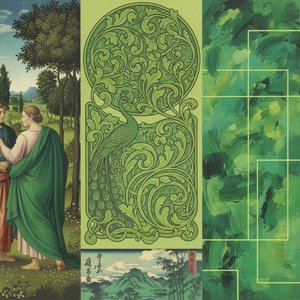
Verdant Visions: Exploring the Symbolism & Aesthetic Impact of Green in Art History
Explore the rich history & symbolism of green in art! Discover iconic paintings, techniques, and how to bring verdant harmony into your home with OriginalUniqueArt's expert guide.